Buy Flowers Bulbs Online: A Complete USA Planting Guide
A beautiful garden doesn’t have to begin with expensive landscaping or years of gardening experience. Sometimes, all it takes is […]
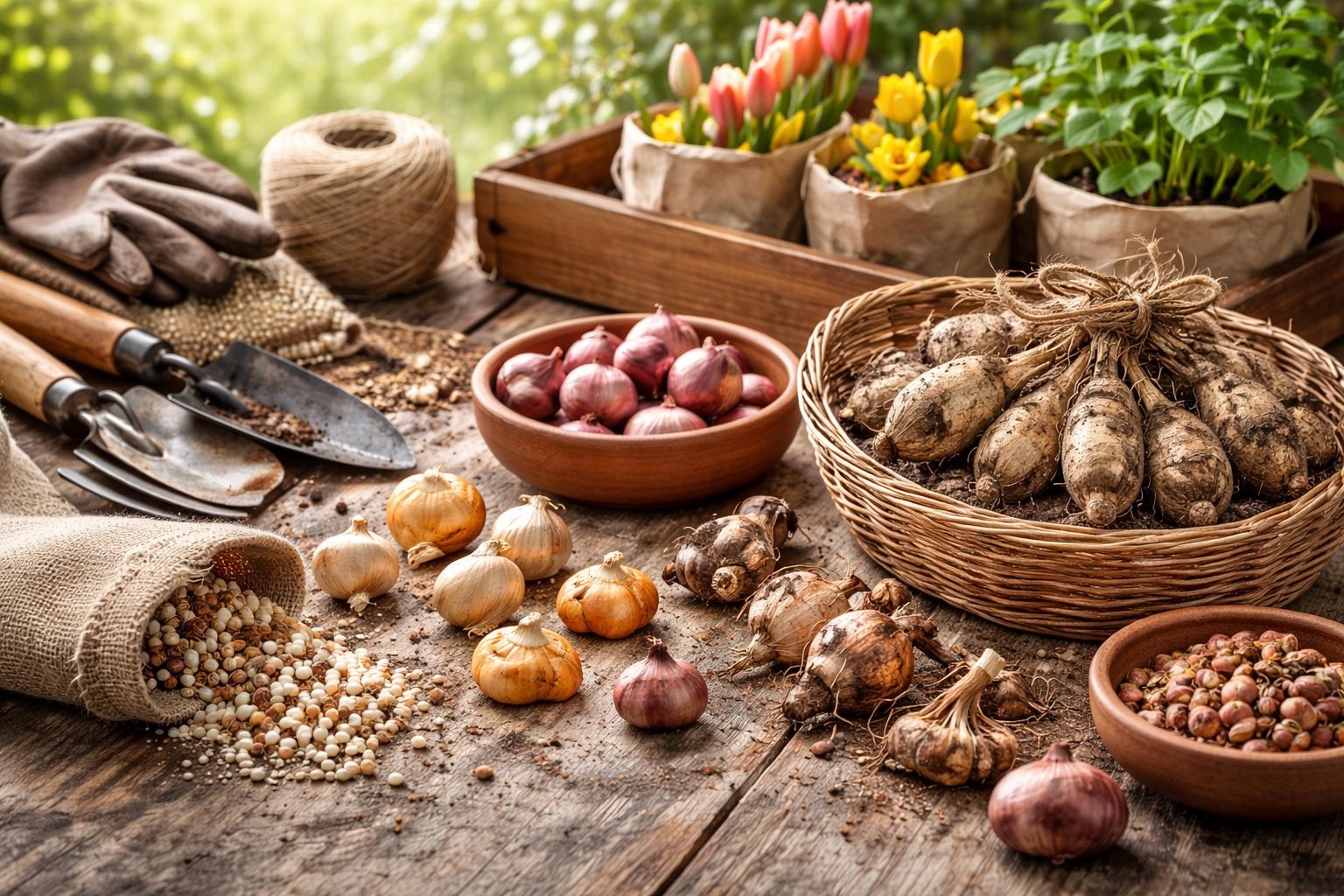
A beautiful garden doesn’t have to begin with expensive landscaping or years of gardening experience. Sometimes, all it takes is a handful of flower bulbs, a sunny spot, and a little patience.
Whether you dream of colorful tulips welcoming spring, cheerful daffodils lining your walkway, or dramatic lilies brightening your summer garden, flower bulbs make it easy to create a stunning outdoor space.
If you’re planning to buy flowers bulbs, understanding which varieties to choose and when to plant them can make a big difference. Not every bulb grows equally well in every part of the United States, and planting at the right time is essential for healthy flowers.
This guide explains how to choose quality bulbs, discover popular varieties, understand growing seasons, and enjoy beautiful blooms year after year.
Why Buying Flower Bulbs Is a Smart Choice for Your Garden
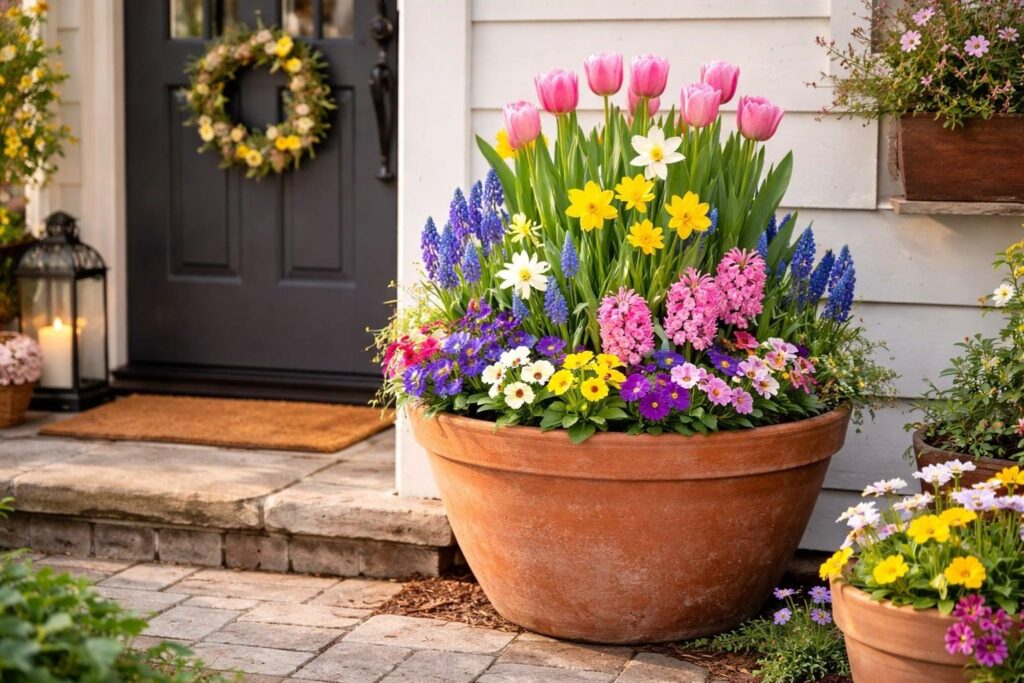
Flower bulbs are among the most rewarding additions to a home garden. Unlike many flowering plants that require regular attention from the beginning, bulbs store the energy they need to start growing inside their underground structures.
With proper planting and care, they can produce impressive flowers while requiring relatively little maintenance.
Beautiful Flowers Without Complicated Gardening
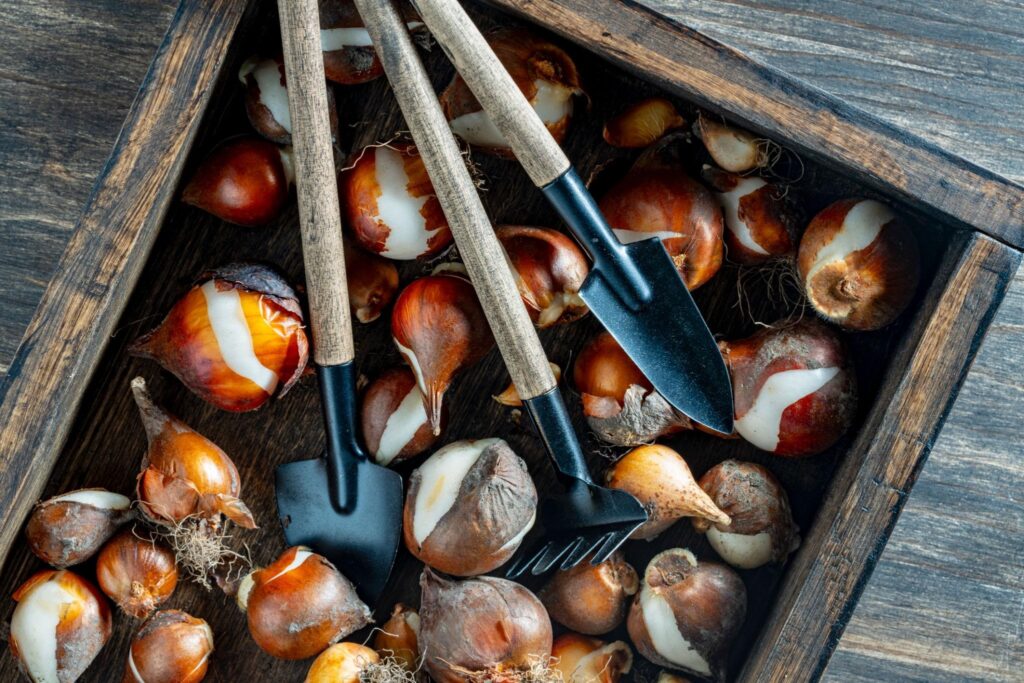
One of the biggest advantages of flower bulbs is their simplicity.
Many popular varieties grow successfully with basic care, making them an excellent choice for beginners. You don’t need a large garden, expensive equipment, or advanced gardening skills to enjoy them.
A few strategically planted bulbs can turn an ordinary flower bed into a colorful seasonal display.
A Wide Variety of Colors and Blooming Seasons
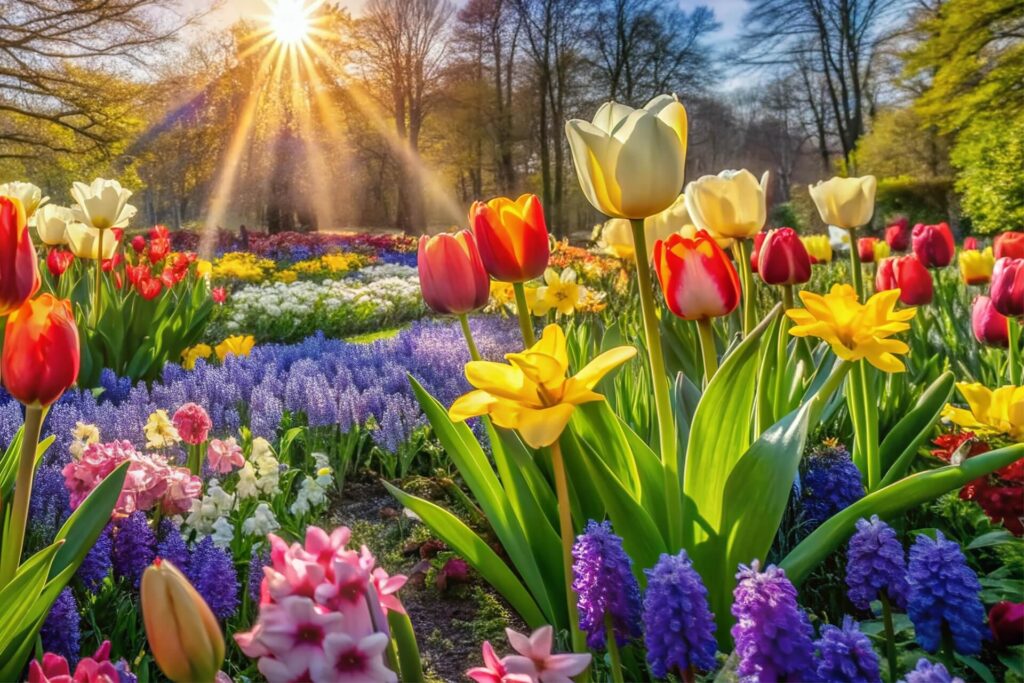
Flower bulbs offer an incredible range of colors, shapes, sizes, and flowering times.
You can create soft pastel gardens with tulips and hyacinths, brighten shady woodland edges with certain daffodils, or add tropical-looking flowers with dahlias and cannas.
By combining early-, mid-, and late-season bloomers, you can enjoy flowers over a much longer period.
Long-Term Value for Homeowners
Some flower bulbs, particularly suitable varieties of daffodils, crocuses, and ornamental alliums, can return for multiple growing seasons.
When planted in favorable conditions, they may also multiply naturally.
This makes certain bulbs a practical investment for homeowners who want attractive landscaping without buying entirely new flowers every year.
Best Flower Bulbs to Buy for USA Gardens
The best bulbs depend on your climate, available sunlight, soil conditions, and preferred flowering season.
Here are some of the most popular choices for American gardens.
1. Tulip Bulbs: Classic Spring Beauty

Tulips are famous for their elegant cup-shaped flowers and vibrant colors.
They look beautiful in garden borders, flower beds, decorative containers, and large landscape arrangements.
Tulips generally perform best where winters provide sufficient chilling temperatures. Gardeners in warmer regions may need appropriately pre-chilled bulbs, often treated as annuals.
For a dramatic display, plant tulips in groups rather than scattering individual bulbs throughout the garden.
2. Daffodil Bulbs: Cheerful and Reliable Flowers

Daffodils are an excellent choice for beginners because many varieties are hardy and dependable.
Their bright yellow, white, and two-tone flowers are among the first signs that spring has arrived.
When grown in suitable conditions, daffodils often return for several years. They are also generally less attractive to deer and rodents than tulips.
Plant them along pathways, beneath deciduous trees, or in informal garden clusters for a natural appearance.
3. Hyacinth Bulbs: Fragrant Spring Blooms
Hyacinths are loved for their dense flower clusters and rich fragrance.
They come in beautiful shades of blue, purple, pink, white, and other colors.
Their compact growing habit makes them especially suitable for containers, entryways, and small flower beds.
Because their fragrance can be strong, consider planting them near outdoor seating areas where you can enjoy their scent.
4. Lily Bulbs: Elegant Summer Flowers
Lilies bring height, structure, and sophistication to garden landscapes.
Popular groups include Asiatic lilies and Oriental lilies, although their flowering periods and fragrance levels differ.
Most garden lilies appreciate well-drained soil and sufficient sunlight.
Their tall flowering stems also make them attractive choices for cut-flower gardens.
Important: True lilies are extremely toxic to cats. Avoid growing or bringing them indoors where cats may have access.
5. Crocus Bulbs: Early Seasonal Color
Crocuses produce small but charming flowers, often in purple, yellow, and white.
Some varieties bloom very early in spring, sometimes appearing through late-season snow.
These low-growing plants work beautifully along garden edges, in rock gardens, and beneath deciduous trees.
Their small size makes them ideal for filling spaces between larger spring flowers.
6. Dahlias: Bold Flowers for Summer and Fall
Dahlias grow from tuberous roots rather than true bulbs, but they are frequently sold alongside flower bulbs.
They produce spectacular flowers in many sizes and colors, from delicate decorative blooms to enormous dinnerplate varieties.
In colder parts of the United States, gardeners often lift and store dahlia tubers before hard winter freezes.
Their extended flowering season makes them popular with gardeners who enjoy fresh-cut bouquets.
When Is the Best Time to Plant Flower Bulbs in the USA?
Understanding seasonal planting schedules is one of the most important steps toward successful bulb gardening.
Generally, spring-flowering bulbs are planted in fall, while many summer-flowering bulbs and tubers are planted in spring.
Illinois
+1
Fall Planting for Spring-Flowering Bulbs
Tulips, daffodils, hyacinths, and many crocuses are normally planted during fall.
They need time to develop roots before winter, and many require a period of cool temperatures to bloom properly.
In colder regions, planting often begins around September or October. In milder climates, November or December may be appropriate.
University of Illinois Extension recommends planting spring bulbs roughly four to six weeks before the ground freezes.
Illinois
Spring Planting for Summer Flowers
Many summer-flowering plants, including dahlias, cannas, and gladiolus, are planted during spring.
For frost-sensitive varieties, wait until the danger of frost has passed and the soil has warmed sufficiently.
Planting too early into cold, wet ground may cause some bulbs and tubers to rot.
Quick USA Flower Bulb Planting Calendar
| USA Region | General Planting Guidance |
|---|---|
| Northeast | Plant hardy spring bulbs in fall before soil freezes |
| Midwest | Fall planting is ideal for tulips, daffodils, and crocuses |
| South | Plant spring bulbs later in fall; some varieties need pre-chilling |
| West Coast | Timing varies significantly between coastal and inland climates |
| Pacific Northwest | Fall is typically suitable for many spring-flowering bulbs |
| Warm southern areas | Choose heat-adapted varieties and follow local chilling recommendations |
These are broad guidelines. Your USDA Plant Hardiness Zone, local frost dates, soil temperature, and bulb variety should determine your exact planting schedule.
How to Choose Quality Flower Bulbs When Shopping Online
Buying flower bulbs online gives you access to more varieties than many local garden centers carry. However, choosing healthy bulbs from a reliable supplier is important.
Before placing an order, consider the following factors.
Check Bulb Size and Condition
Healthy bulbs should generally feel firm and solid.
Avoid bulbs showing obvious signs of mold, decay, unusual softness, or serious physical damage.
Larger bulbs within the same variety and grading system often have more stored energy, which can support stronger initial growth.
Remember that normal bulb size varies greatly between species. A crocus bulb will naturally be much smaller than a large daffodil bulb.
Choose Varieties Suitable for Your Growing Zone
The United States includes many different climates, from freezing northern winters to hot southern summers.
Before ordering perennial flower bulbs, check their recommended USDA hardiness zones.
You should also consider sunlight requirements, summer heat tolerance, and whether the flowers need a winter chilling period.
Selecting climate-appropriate bulbs is far more effective than choosing flowers based only on attractive photographs.
Review Product Details and Supplier Policies
When you buy flower bulbs online, look for clear information about bulb size, quantity, bloom time, mature height, planting depth, and expected shipping dates.
A trustworthy listing should also explain whether the bulbs need special handling or seasonal protection.
Check the supplier’s replacement policy and shipping restrictions, especially when ordering plants across state lines.
How to Plant Flower Bulbs Step by Step
Flower bulb planting is straightforward, but following a few essential steps can significantly improve your results.
Step 1: Find the Right Location
Most popular flowering bulbs grow best in areas receiving adequate sunlight.
Many tulips and daffodils prefer full sun during their active growing period, although some varieties tolerate partial shade.
Choose a location where water does not collect after heavy rain.
Step 2: Prepare Well-Drained Soil
Good drainage is essential because bulbs can rot when left in saturated soil.
Loosen compacted ground before planting and incorporate suitable organic matter when needed.
According to University of Illinois Extension, improving drainage is especially important in clay-heavy soils.
Illinois
Step 3: Plant at the Correct Depth
A common guideline is to plant many bulbs at a depth approximately two to three times their height, measured from the base of the bulb. However, instructions vary among species.
For example, large tulip and daffodil bulbs are often planted deeper than small crocus bulbs.
Always follow the instructions supplied for your particular variety.
Position most traditional bulbs with their pointed growing end facing upward and their flatter root end downward.
Step 4: Water After Planting
Water the planting area after placing bulbs in the ground.
This helps settle the surrounding soil and encourages root development.
Afterward, maintain appropriate moisture without allowing the planting area to become waterlogged.
Step 5: Add Mulch When Appropriate
A layer of organic mulch can help moderate soil temperature, protect against temperature fluctuations, and limit weed growth.
In cold regions, mulch may also help reduce frost-related soil movement.
Avoid applying excessively thick layers directly over emerging shoots.
Creative Landscaping Ideas Using Flower Bulbs
Flower bulbs can transform much more than traditional flower beds.
A little creative planning can make even small American yards feel colorful and professionally landscaped.
Design Colorful Walkway Borders
Planting tulips or daffodils along a front walkway adds a welcoming seasonal touch.
For an attractive design, choose two or three complementary colors rather than mixing too many varieties randomly.
Plant bulbs in groups for fuller, more noticeable displays.
Create Beautiful Container Gardens
Don’t have a large backyard? Flower bulbs can grow successfully in suitable containers.
Choose pots with drainage holes and enough depth for the root systems.
You can combine early and later spring bloomers to extend the display, provided their watering and growing requirements are compatible.
Try Layered Bulb Planting
Layered planting, sometimes called a bulb lasagna, involves positioning bulbs at different depths inside a sufficiently deep container.
Larger, deeper-planted bulbs sit below smaller, shallower-planted varieties.
When planned carefully, different flowers can emerge at different times, creating a longer-lasting seasonal arrangement.
Choose compatible bulbs and avoid overcrowding.
Common Mistakes to Avoid When Growing Flower Bulbs
Even experienced gardeners occasionally encounter problems with flower bulbs.
Fortunately, many common issues are preventable.
Planting at the wrong time: Spring-flowering bulbs may not bloom properly if they miss their required chilling period.
Overwatering: Constantly wet soil can damage bulbs and encourage rot.
Ignoring sunlight requirements: Insufficient sunlight may produce weak growth or fewer flowers.
Cutting leaves too early: After flowering, bulb foliage continues producing energy for future growth. Allow leaves to yellow naturally before removing them.
Expecting every bulb to return annually: Some varieties are reliable perennials, while others perform better as seasonal displays, depending on your climate.
Avoiding these mistakes can make flower bulb gardening far more enjoyable and rewarding.
Frequently Asked Questions About Buying Flower Bulbs
Where can I buy flower bulbs online in the USA?
Flower bulbs are available through specialized online bulb nurseries, garden retailers, and established plant suppliers. Choose sellers providing clear variety descriptions, growing-zone guidance, shipping information, and customer support.
What is the best month to plant flower bulbs?
For most spring-flowering bulbs, fall is the best planting season. Depending on your region, planting may take place between September and December. Many summer-flowering varieties are planted in spring after frost danger has passed.
Do flower bulbs grow back every year?
Some flower bulbs are perennial and can return for several years. Daffodils, crocuses, and certain alliums are often reliable choices. Tulips and other varieties may have less consistent repeat flowering, particularly in unsuitable climates.
Can I plant flower bulbs in pots?
Yes. Many flower bulbs grow beautifully in containers. Use well-draining potting mix, adequate container depth, and pots with drainage holes. In freezing climates, container-grown bulbs may require additional winter protection.
How long do flower bulbs take to bloom?
Blooming time depends on the variety, planting season, and local weather. Fall-planted spring bulbs typically flower the following spring, while many spring-planted summer bloomers produce flowers several weeks or months after planting.
Should I soak flower bulbs before planting?
Most common flower bulbs, including tulips and daffodils, do not need soaking before planting. Follow the specific supplier’s instructions, since specialized bulbs and other underground planting structures may have different requirements.
Conclusion: Start Growing a More Colorful Garden
Flower bulbs are a simple way to introduce color, fragrance, and seasonal beauty into your outdoor space.
From classic spring tulips and reliable daffodils to elegant summer lilies and vibrant dahlias, there’s a suitable flowering option for almost every American garden.
The key is choosing healthy bulbs, understanding your local climate, and following the recommended planting schedule.
Whether you’re creating a welcoming front-yard border, decorating your patio with containers, or redesigning an entire garden, thoughtful bulb selection can deliver beautiful results.
If you’re ready to buy flowers bulbs, begin by exploring suitable varieties, comparing reputable suppliers, and planning your planting season.
With the right preparation, today’s small bulbs can become tomorrow’s most beautiful garden feature.

Written by Twastia Editorial Team
Twastia Editorial Team shares practical insights about website design, SEO services, Google Ads, content marketing, social media, conversion rate optimization, and digital marketing strategy.
Last updated: Oct 9, 2026
Related posts from Twastia
Explore more useful articles from twastia.com about digital marketing, SEO, websites, ads, content, and growth strategy.