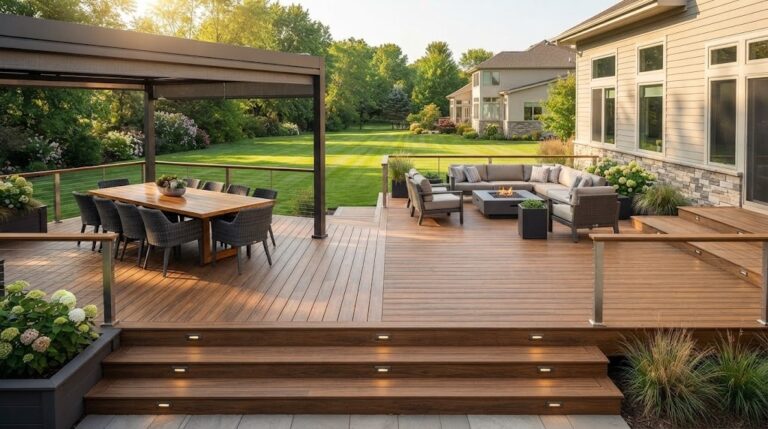
Garden Design Cheshire: Beautiful Garden Ideas for U.S. Homes
A beautiful backyard should feel like an extension of your home, not another chore on your weekend list. If you […]
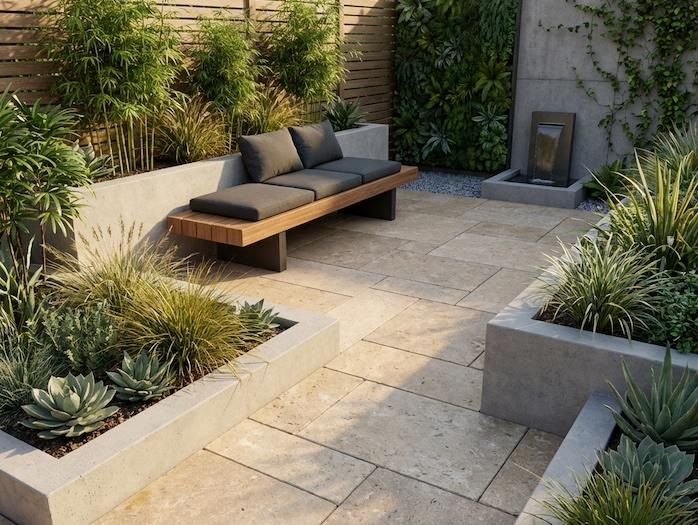
A beautiful backyard should feel like an extension of your home, not another chore on your weekend list. If you love the character of English landscapes, garden design Cheshire offers plenty of inspiration. Cheshire, a county in northwest England, is known for gardens that balance thoughtful structure with generous planting, inviting patios, and attractive paths. Those principles can work just as well in an American suburban yard or a compact city garden.
The key is to borrow the design approach rather than copy every plant or construction detail. A garden suited to England’s climate may need significant adjustments in Texas, Colorado, Florida, or New England. This guide explains how to translate classic and contemporary Cheshire garden ideas into practical, attractive outdoor spaces for U.S. homeowners.
What Makes Cheshire Garden Design Special?
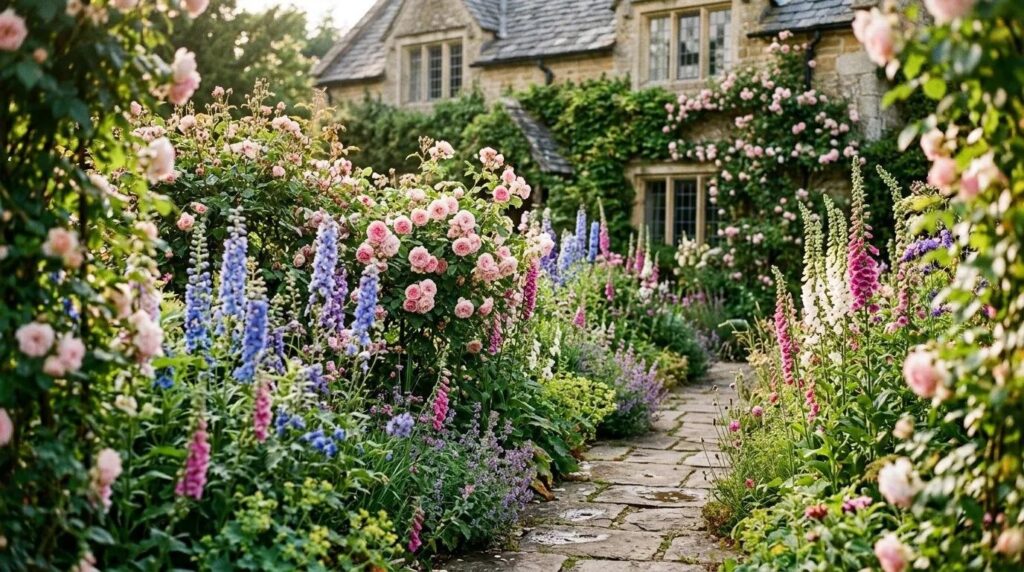
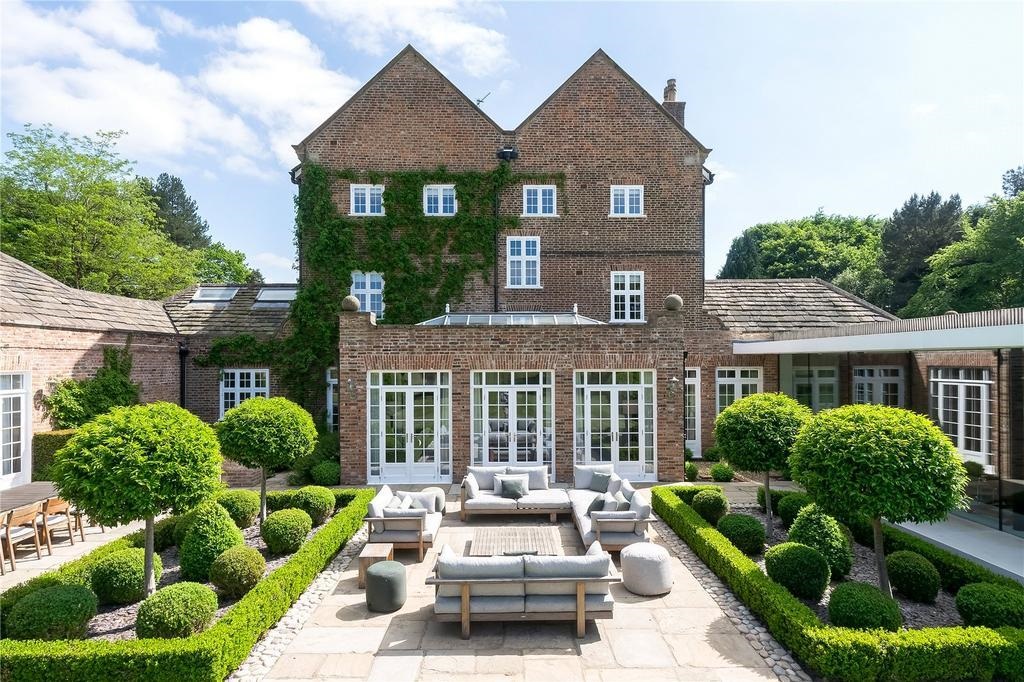
Cheshire gardens range from formal lawns and cottage borders to sleek terraces with architectural planting. Across these styles, successful designs usually connect the home’s architecture to the landscape. Paths lead somewhere useful, seating areas receive attention, and plants soften the edges of stone, brick, or timber.
For a real-world look at this approach, explore garden design Cheshire projects and ideas from Creative Gardens & Driveways, a landscaping company serving Cheshire and northwest England. Its design resources highlight site surveys, personalized layouts, planting, paving, and garden construction. American homeowners can use those principles for inspiration while working with qualified local professionals when needed.
Start With a Plan That Fits Your Lifestyle
Decide How You Want to Use the Yard
Before shopping for plants, decide what the garden should do. Do you want a peaceful place to read, a safe play area, a vegetable patch, or a patio for weekend dinners? A yard can support several activities, but each needs its own space.
Make a short list of essentials and nice-to-have features. A dining table, for example, needs enough room for chairs to slide back without blocking a path. A play lawn should remain visible from the house. These decisions shape the overall layout more effectively than choosing flowers first.
Study Sun, Soil, Drainage, and Access
Watch how sunlight moves across your property and note areas that remain damp after rain. Check slopes, existing trees, gates, utility lines, and views you would like to preserve or screen. Measure the site before drawing a plan.
A simple sketch showing the house, boundaries, circulation routes, and major features is enough to begin. For substantial grading, retaining walls, or drainage changes, seek professional guidance and check local permit requirements.
Choose a Garden Style That Suits Your Home
Traditional English Cottage Garden
Cottage gardens mix roses, flowering perennials, herbs, and climbing plants in generous, informal borders. Curving paths and rustic materials help create a relaxed atmosphere. The effect may look spontaneous, but repeated colors and clearly defined beds prevent visual chaos.
American gardeners can recreate the feeling with regionally suitable perennials. Choose local alternatives where an English favorite struggles in heat, humidity, or drought. A modest bench and a flowering border can communicate the style without requiring a large estate.
Modern and Contemporary Gardens
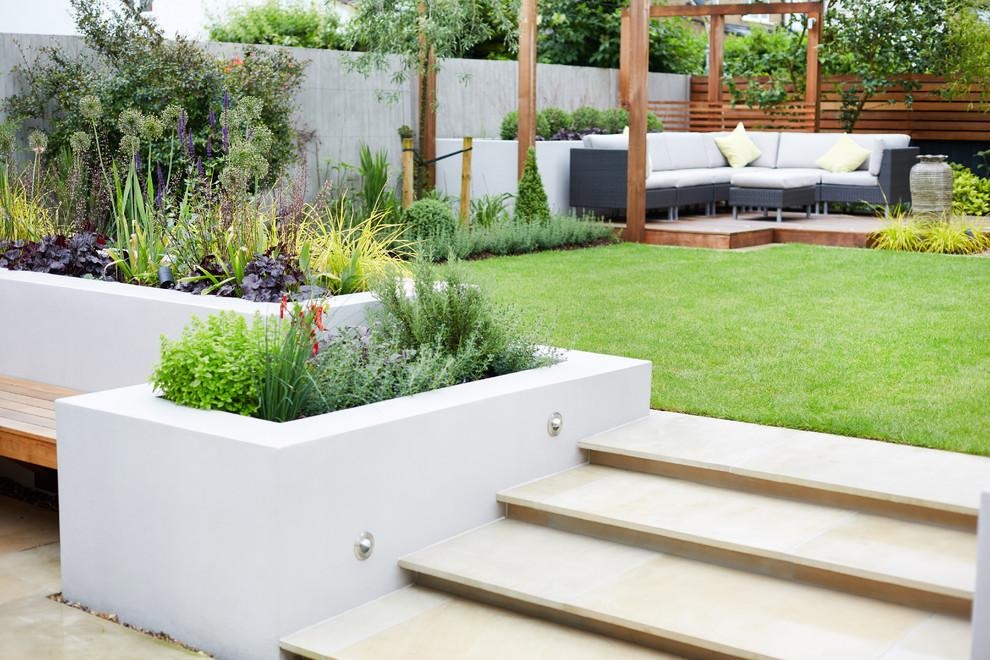
Contemporary gardens favor simple geometry, large paving surfaces, uncluttered furniture, and restrained planting palettes. Ornamental grasses, carefully placed shrubs, and repeated textures soften the clean lines.
This look suits modern U.S. homes with sliding doors and open-plan interiors. Matching outdoor paving tones to indoor flooring can make the transition feel seamless, although outdoor materials must be appropriate for local weather and slip resistance.
Naturalistic and Wildlife-Friendly Gardens
Naturalistic design uses layered flowers, grasses, shrubs, and trees to create a landscape that changes beautifully across the seasons. Paths and defined edges keep the space intentional rather than overgrown.
Native plants can be especially helpful because they support local wildlife when matched to the site. Mix early, middle, and late-season bloomers to offer continuous color and resources for pollinators.
Build the Layout Around Outdoor Living
A strong garden plan usually begins with a few practical zones: a place to sit, a clear route through the yard, and planting that provides privacy and interest. You do not need a separate feature in every corner.
Place a patio close enough to the kitchen for convenient meals. Create a quieter seating area farther from the house if space permits. Use a tree, trellis, low wall, or planting bed to create gentle transitions instead of dividing the yard with too many fences.
Leave comfortable circulation space and consider accessibility from the beginning. Well-planned routes make the garden easier for guests, children, and older family members to enjoy.
Select Hardscaping That Looks Good and Lasts
Paths, patios, retaining walls, and edging form the garden’s framework. Cheshire-inspired landscapes frequently use natural stone, brick, gravel, and crisp contemporary paving. Each offers a distinct atmosphere.
Brick paths pair well with traditional homes, while large-format pavers create a streamlined modern look. Gravel can suit informal pathways but needs thoughtful edging and may be unsuitable for some mobility needs. For outdoor entertaining, consider a level, stable surface that accommodates furniture.
In colder U.S. states, select materials and installation methods suited to freeze-thaw conditions. In hot regions, consider how paving colors absorb heat. Proper base preparation, drainage, and surface slope are as important as appearance. A beautiful patio that directs water toward the foundation is not a successful design.
Adapt the Planting Plan to Your U.S. Climate
Choose Plants for Your Hardiness Zone
A charming Cheshire border might feature lush plants that need cool summers or reliable moisture. Those choices do not automatically translate to every American backyard. Check your USDA Plant Hardiness Zone, then consider summer heat, soil, sun, and rainfall as well. Hardiness zones describe average extreme winter cold, not all growing conditions.
For a soft cottage-garden look, combine appropriate varieties of salvia, coneflower, coreopsis, asters, and ornamental grasses. In wetter or shadier areas, consider plants adapted to those conditions rather than forcing sun-loving selections into unsuitable beds. Verify each species with your local cooperative extension service.
Design for Four Seasons
Aim for something attractive beyond the peak summer bloom. Spring bulbs or flowering shrubs can provide early interest; perennial flowers carry color into summer; grasses, seed heads, and foliage add fall texture. Evergreen structure or interesting bark keeps the garden appealing in winter.
Repeat a handful of species in groups rather than buying one of everything. Repetition gives the landscape unity and often makes maintenance easier.
Make Small Gardens Feel Generous
A small backyard can still capture the elegance of professional garden design Cheshire projects. The trick is to give every feature a purpose. Choose one comfortable seating zone, narrow but accessible paths, and plants that will not overwhelm the available space at maturity.
Use climbing plants on sturdy supports, slim raised beds, and containers to add vertical interest. A single specimen shrub can be more effective than several crowded ones. Framing a pleasant view with planting can also make a compact garden feel deeper.
Avoid filling every inch with decorative objects. Open space is part of the design, not wasted space.
Add Sustainable, Low-Maintenance Features
Low-maintenance does not mean zero maintenance. It means matching plants and materials to your conditions so routine care is manageable. Mulch planted beds to conserve moisture and reduce weeds, and group plants with similar watering needs.
Consider drip irrigation, a rain barrel where permitted, and permeable surfaces where appropriate. If runoff collects near the house, consult a drainage professional before installing a rain garden or changing grades.
Reducing unnecessary lawn area can free space for flowers, shrubs, and shaded seating. Preserve healthy existing trees whenever practical; mature greenery often provides more character than newly purchased ornaments.
Use Lighting and Details to Create Atmosphere
Good outdoor lighting makes a garden usable after sunset without overwhelming the landscape. Illuminate steps and entrances first, then add subtle light near a seating area or favorite tree. Choose fixtures rated for outdoor use and avoid shining bright light into neighbors’ windows.
Small finishing touches matter: a simple bench, a water bowl for birds, a coordinated set of containers, or a climbing rose on an arch. Choose just a few accents so plants remain the focus. Where wildlife is a priority, keep lighting restrained and turn it off when unnecessary.
Set a Realistic Garden Design Budget
Garden renovation costs depend on the size of the yard, site access, grading, materials, and labor rates. Instead of relying on a universal price per square foot, request itemized local estimates.
Separate your budget into design, groundwork, hardscaping, plants, irrigation, lighting, and furniture. Include an allowance for unexpected conditions such as buried debris or poor drainage. Hardscaping usually requires more specialized labor than planting, so decide which construction elements are truly essential.
A phased approach can help: complete drainage and major paths first, establish structural planting next, and add decorative features over time. Avoid purchasing plants before construction is finished, when they could be damaged.
When Should You Hire a Garden Designer?
You can plan a simple flower bed or container garden yourself. A professional is worth considering when you want a coordinated full-yard redesign, extensive paving, complex slopes, drainage work, or an outdoor kitchen.
Ask prospective designers for relevant projects, a clear scope of work, drawings or visualizations, and a breakdown of fees. Confirm who manages contractors, obtains permits, and handles changes during construction. An experienced local designer should understand regional conditions and building requirements.
The lesson from garden design Cheshire specialists is the value of planning before building—not that a U.K. landscaping company is automatically the right contractor for a U.S. property.
Common Garden Design Mistakes to Avoid
One mistake is choosing plants solely from photographs without checking mature size or climate suitability. Another is installing a large patio that leaves no room for shade, greenery, or drainage.
Homeowners also underestimate maintenance. Formal hedges demand pruning, flowering borders need seasonal attention, and some natural stone requires care. Choose a style you can realistically maintain.
Finally, resist copying every trend at once. A limited palette of materials, repeating plants, and a clear pathway will usually create a more polished result than a collection of unrelated features.
Frequently Asked Questions
What Does “Garden Design Cheshire” Mean?
The phrase refers to garden planning and landscaping in Cheshire, England. It includes traditional English gardens, modern outdoor living spaces, planting schemes, patios, and other landscape features. American homeowners can borrow the style and planning ideas while adapting them to local conditions.
Can I Create a Cheshire-Inspired Garden in the United States?
Yes. Focus on the layout, materials, layered planting, and welcoming seating areas rather than exact plant lists. Choose species suited to your USDA hardiness zone, summer temperatures, and soil conditions.
What Is the Best Garden Style for a Small Backyard?
A simple cottage-inspired border or compact contemporary garden can work well. Keep a clear route through the yard, select appropriately sized plants, and avoid overcrowding the space with too many features.
Are English-Style Gardens High Maintenance?
They can be, especially when filled with formal hedges and demanding flowers. You can reduce upkeep with hardy local plants, mulched beds, manageable lawn areas, and durable materials. Design choices should match the time you have available.
How Do I Choose the Right Patio Materials?
Consider your home’s architecture, budget, local climate, drainage, and accessibility needs. Ask contractors about installation methods, freeze-thaw performance, heat retention, and slip resistance before selecting a surface.
How Much Does Professional Garden Design Cost?
Fees vary widely with location, site complexity, and project scope. A simple planting consultation costs less than a complete design-and-build service. Request written estimates that separate design fees, construction, materials, and future maintenance.
Conclusion: Bring Cheshire Garden Inspiration Home
The appeal of garden design Cheshire lies in its combination of structure, natural beauty, and everyday comfort. You can capture those qualities in an American backyard by starting with a thoughtful plan, choosing suitable materials, and selecting plants adapted to your climate.
Whether you prefer romantic cottage borders or a clean contemporary patio, build the garden around how you live. Prioritize lasting features, leave room for plants to grow, and improve the space in sensible stages. The result can be an inviting outdoor retreat that feels personal, practical, and beautiful throughout the seasons.

Written by Twastia Editorial Team
Twastia Editorial Team shares practical insights about website design, SEO services, Google Ads, content marketing, social media, conversion rate optimization, and digital marketing strategy.
Last updated: Oct 13, 2026
Related posts from Twastia
Explore more useful articles from twastia.com about digital marketing, SEO, websites, ads, content, and growth strategy.