Galglitter Cosmetic Glitter: Types, Uses & Buying Guide for 2026
Glitter has become an important creative ingredient in the beauty industry. From shimmering body makeup to colorful nail designs, decorative […]
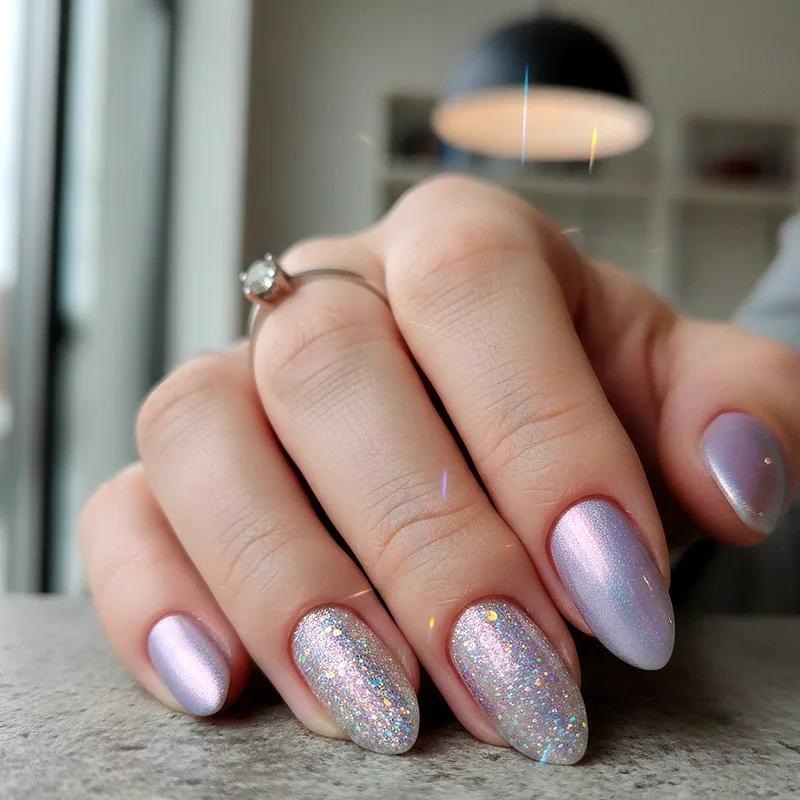
Glitter has become an important creative ingredient in the beauty industry. From shimmering body makeup to colorful nail designs, decorative particles can transform ordinary cosmetic products into eye-catching creations.
However, choosing glitter for cosmetic applications requires more than finding an attractive color. Particle size, material composition, finish, intended use, manufacturing consistency, and U.S. regulations all deserve attention.
For beauty businesses exploring wholesale glitter suppliers, Galglitter offers an example of a manufacturer focused on decorative powders and customized glitter products.
The company advertises multiple colors, particle shapes, special effects, and bulk packaging options for customers developing cosmetic and related products.
This guide explores Galglitter’s published product offerings, popular glitter varieties, cosmetic applications, private-label opportunities, supplier evaluation, and important safety considerations for the American market.
What Is Galglitter?

Galglitter is a China-based manufacturer and supplier specializing in decorative glitter powders.
Its website describes products for cosmetic applications, nail products, color-changing effects, and other decorative uses.
The company markets its services to customers seeking bulk materials, customized colors, and branded packaging arrangements.
According to its About Us page, Galglitter has experience in color blending and glitter powder manufacturing.
It also promotes international supply capabilities and customization services.
For U.S. buyers, Galglitter is best understood as a potential business-to-business sourcing option rather than an established American retail cosmetics chain.
Customers should independently verify current specifications, product availability, prices, shipping arrangements, and regulatory documentation before placing an order.
What Is Cosmetic Glitter?
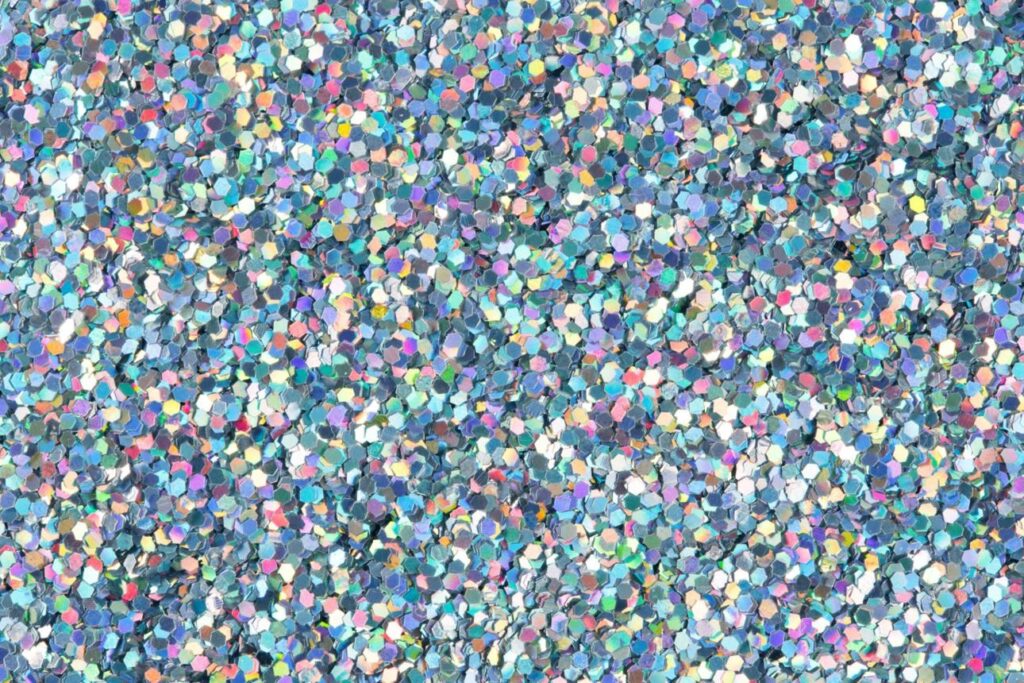
Cosmetic glitter consists of small reflective particles designed for use in specific beauty-related formulations or applications.
Depending on the product, glitter may produce a metallic, holographic, pearlescent, iridescent, or multicolored appearance.
Cosmetic Glitter vs. Craft Glitter
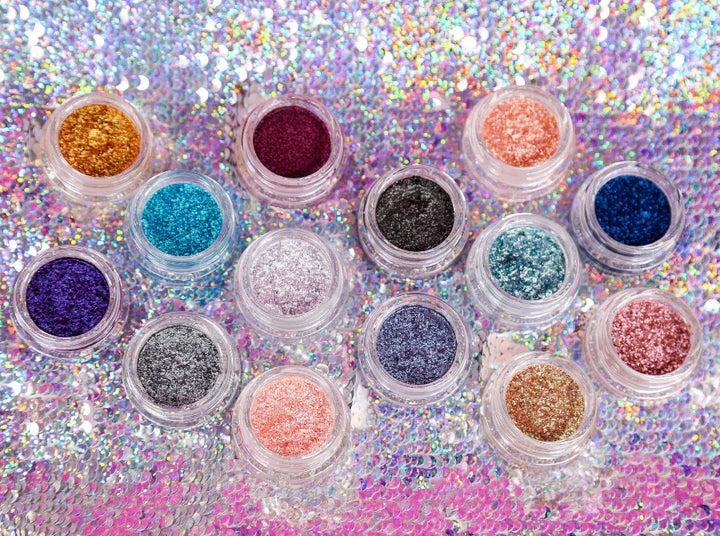
Craft glitter is commonly manufactured for decorative projects rather than direct application to the body.
Its materials, particle edges, and colorants may not be appropriate for cosmetic use.
Products marketed as cosmetic glitter still require careful evaluation.
The words “cosmetic grade” do not automatically establish that every ingredient is permitted for every intended application under U.S. law.
Why Material Specifications Matter
Glitter products can differ in their base material, coatings, colorants, particle dimensions, and resistance to solvents.
These characteristics affect appearance, compatibility with other ingredients, and potential safety concerns.
Manufacturers should provide appropriate technical information for the exact product being purchased.
Popular Types of Cosmetic Glitter
Galglitter’s published cosmetic glitter category highlights several decorative finishes and particle styles.
Understanding their differences can help buyers select suitable materials for their product concepts.
1. Fine Cosmetic Glitter
Fine glitter creates a delicate shimmering appearance.
Smaller particles can produce a more evenly distributed visual effect than larger decorative flakes.
This style is frequently associated with subtle body shimmer and selected cosmetic formulations.
However, the intended body area and ingredients must be verified before use.
2. Chunky Glitter
Chunky glitter contains larger visible particles that create dramatic reflections.
It is popular for bold decorative effects, festival-inspired designs, and certain nail applications.
Large particles can present additional concerns around sensitive areas.
Never assume chunky glitter is appropriate for eye-area use merely because a supplier calls it cosmetic.
3. Holographic Glitter
Holographic glitter produces rainbow-like reflections as the viewing angle changes.
Its dramatic finish can make decorative nail products and special-effect formulations visually distinctive.
The effect depends on the material’s reflective structure and coating.
4. Iridescent Glitter
Iridescent particles can appear to shift between softer colors under different lighting conditions.
They are often selected for pastel-inspired, luminous, or fantasy-themed beauty concepts.
5. Metallic Glitter
Metallic glitter creates a reflective finish associated with colors such as gold, silver, copper, and bronze.
It can complement festive product collections and modern decorative styling.
6. Color-Changing Glitter
Certain specialty materials are designed to change appearance under specific environmental conditions.
Buyers should ask suppliers exactly what triggers the effect and how consistently it performs.
7. Shaped Glitter
The Galglitter catalog describes hexagons, squares, flowers, stars, flakes, and irregular shapes.
These particles offer creative possibilities but require application-specific safety assessment.
Decorative shapes should not automatically be used near eyes, lips, or other sensitive areas.
Exploring Galglitter Cosmetic Glitter Products
Businesses researching galglitter can review the manufacturer’s published cosmetic glitter category.
Its website lists a variety of colors, textures, and effects.
Available Color Families
The published selection includes white, yellow, orange, red, pink, purple, green, blue, brown, gray, black, and metallic tones.
These choices may provide flexibility for developing coordinated beauty collections.
Particle Shapes and Special Effects
Galglitter describes fine and chunky particles, holographic styles, shaped flakes, metallic finishes, rainbow effects, and other specialty options.
Its broader company information also mentions glow-in-the-dark and temperature-changing powders.
Availability and suitability may vary by product.
Bulk Packaging
The company advertises bulk cosmetic glitter supplies in quantities including 1 kg, 5 kg, and 25 kg.
These quantities may interest beauty manufacturers, professional distributors, and businesses developing their own product lines.
Confirm minimum order quantities and current packaging arrangements directly.
Cosmetic Glitter Applications in the Beauty Industry
Glitter can enhance numerous cosmetic product concepts, but the suitability of each material depends on its composition.
Face and Body Makeup
Selected materials may be formulated into decorative body products for temporary effects.
Manufacturers should ensure that the complete finished product is appropriate for its intended use.
Do not apply loose glitter around the eyes unless the specific ingredients and finished formulation meet applicable requirements.
Nail Art and Nail Products
Glitter can create decorative finishes in nail coatings and professional nail designs.
Fine particles may produce a subtle sheen, while larger shapes create visible accents.
Compatibility with nail systems and other ingredients must be established through appropriate testing.
Festival and Performance Makeup
Bright colors, holographic effects, and dramatic particle sizes are popular in artistic makeup concepts.
However, performance styling doesn’t remove normal cosmetic safety requirements.
The final formulation should be suitable for the body area where it will be applied.
Understanding U.S. Cosmetic Glitter Regulations
The U.S. Food and Drug Administration regulates cosmetic color additives under federal law.
Before selling glitter-containing cosmetics, businesses must determine whether each relevant color additive is approved for its intended use.
Why Eye-Area Rules Are Important
A color additive permitted for externally applied cosmetics isn’t automatically approved for use around the eyes.
FDA guidance identifies specific restrictions for eye-area products.
The agency also explains that composite materials, including certain holographic effects, can create additional regulatory questions.
Cosmetic Grade Does Not Mean FDA Approved
Most finished cosmetics do not receive FDA premarket approval.
Color additives, however, must comply with their specific approval and certification requirements.
A supplier’s statement that glitter is “cosmetic grade” is not a substitute for reviewing the ingredients and relevant U.S. regulations.
Responsibilities Under MoCRA
The Modernization of Cosmetics Regulation Act expanded requirements affecting cosmetic businesses.
Depending on the business and product, obligations can include facility registration, product listing, safety substantiation, and adverse-event reporting.
Some small-business exemptions exist, but they have important exceptions.
Businesses should obtain qualified regulatory guidance before launching products.
How to Choose the Right Glitter Particle Size
Particle size affects the visual result and influences how glitter performs in a formulation.
Fine Particles for Subtle Effects
Fine particles can distribute more evenly and create a relatively smooth-looking shimmer.
They may be useful when a product concept requires a restrained appearance.
Larger Particles for Decorative Impact
Chunky particles create stronger individual reflections.
However, larger particles may be unsuitable for certain body areas or product formulations.
Ask for Measured Specifications
Terms such as “fine” and “chunky” can vary between suppliers.
Request actual particle-size ranges, measurement units, and representative samples.
This helps manufacturers compare materials consistently.
Private Label and Custom Glitter Manufacturing
One of Galglitter’s advertised services is custom branding and product development support.
Private-label arrangements can appeal to businesses that want to sell products under their own brand identity.
Custom Colors and Finishes
A supplier may offer color matching or tailored blends for a specific product collection.
Before ordering, establish written appearance standards and acceptable variation limits.
Packaging and Branding
Galglitter advertises private-label and custom-logo services.
Buyers should verify available containers, label printing, minimum orders, and packaging costs.
Quality Consistency
Consistent color, particle size, and material performance are important when reordering products.
Ask whether the supplier can provide batch records, specifications, and appropriate quality documentation.
Private labeling does not transfer all product safety responsibilities away from the brand selling the finished cosmetic.
How to Evaluate a Wholesale Cosmetic Glitter Supplier
Choosing a wholesale supplier requires careful comparison beyond appearance and price.
Request Product Samples
Samples help businesses evaluate color, texture, particle distribution, and compatibility with their intended formulations.
A photograph alone cannot fully communicate these characteristics.
Review Technical Documentation
Ask for detailed material composition, color additive identification, certificates of analysis where appropriate, and relevant safety documentation.
Review whether the documents match the actual product and batch being purchased.
Confirm Production and Delivery Terms
Discuss minimum order quantities, production lead times, packaging, shipping methods, and responsibilities for import documentation.
Understand the Total Landed Cost
International sourcing can involve product charges, freight, customs duties, brokerage, and other import expenses.
Compare the complete cost rather than the supplier’s quoted unit price alone.
Is Biodegradable Glitter Better for the Environment?
Galglitter includes biodegradable glitter among the categories described on its website.
However, environmental benefits should never be assumed from the word “biodegradable” alone.
Understand the Material
Different glitter products may use different polymers, coatings, and other ingredients.
Ask for the exact composition and evidence supporting environmental claims.
Check Degradation Conditions
A material that breaks down under one controlled test may behave differently in natural environments or landfill conditions.
The Federal Trade Commission’s Green Guides explain why broad environmental claims require reliable substantiation.
Avoid Unsupported Marketing Claims
Businesses should not automatically describe a glitter product as ocean-safe, plastic-free, or environmentally harmless.
Such claims need appropriate evidence and clear qualifications.
Responsible product selection includes both ingredient safety and environmental considerations.
Tips for Using and Removing Cosmetic Glitter
Consumers should follow the finished product’s directions and intended application areas.
Avoid using products around sensitive skin or eyes unless they are specifically suitable for those locations.
Do not share eye cosmetics or use products that appear contaminated.
Gentle Removal
Use the removal method recommended by the finished cosmetic manufacturer.
Avoid aggressive rubbing, particularly around delicate facial skin.
Do not attempt to remove particles from inside the eye using tools or abrasive materials. Seek appropriate medical advice if particles cause persistent eye discomfort.
Storage and Cleanliness
Keep cosmetic materials in properly sealed containers.
Protect them from contamination, moisture, and unsuitable temperatures.
Professional users should maintain clean application tools and follow relevant hygiene practices.
Common Mistakes When Buying Cosmetic Glitter
A frequent mistake is treating every glitter product as interchangeable.
Craft glitter, nail decoration particles, and materials intended for cosmetic formulations may have different requirements.
Another mistake is buying large quantities before testing samples.
Businesses sometimes overlook regulatory documentation, packaging compatibility, import costs, and product stability.
Avoid assuming that claims such as “non-toxic,” “cosmetic grade,” or “biodegradable” independently establish suitability for all uses.
Careful supplier evaluation can prevent expensive problems later.
Frequently Asked Questions About Galglitter
What Is Galglitter?
Galglitter is a China-based glitter powder manufacturer that advertises cosmetic glitter, decorative powders, bulk supply, and customization services.
Does Galglitter Offer Wholesale Cosmetic Glitter?
Yes. Its published category page describes bulk packaging options including 1 kg, 5 kg, and 25 kg, subject to current availability.
What Glitter Finishes Does Galglitter Advertise?
The company describes holographic, metallic, iridescent, color-changing, fine, chunky, and shaped glitter products.
Is All Cosmetic Glitter Safe for the Eyes?
No. Eye-area suitability depends on the specific ingredients, color additive approvals, and finished product formulation.
Can U.S. Businesses Import Cosmetic Glitter?
Potentially, provided applicable customs and U.S. regulatory requirements are satisfied. Buyers should verify material composition and import responsibilities.
Does Galglitter Offer Private Label Services?
Its website advertises custom-logo and private-label arrangements. Current conditions and minimum order quantities should be confirmed directly.
Is Biodegradable Glitter Completely Eco-Friendly?
Not necessarily. Environmental performance depends on actual materials, decomposition conditions, and verified supporting evidence.
How Should Businesses Choose a Cosmetic Glitter Supplier?
Compare samples, technical specifications, documented safety information, manufacturing consistency, pricing, and shipping arrangements.
Conclusion: Choosing Galglitter Products With Confidence
Cosmetic glitter offers creative opportunities for beauty brands, nail product developers, and professional cosmetic manufacturers.
From fine shimmering particles to holographic flakes and bold decorative finishes, material selection can significantly influence a product’s appearance.
Galglitter presents itself as a wholesale manufacturing option with multiple decorative styles, bulk packaging, and customization services.
However, successful sourcing depends on more than visual appeal.
Before purchasing, evaluate product specifications, U.S. color additive requirements, intended applications, manufacturing consistency, and total import costs.
With proper research and testing, beauty businesses can make informed decisions about glitter materials while prioritizing product quality, customer safety, and regulatory compliance.

Written by Twastia Editorial Team
Twastia Editorial Team shares practical insights about website design, SEO services, Google Ads, content marketing, social media, conversion rate optimization, and digital marketing strategy.
Last updated: Oct 15, 2026
Related posts from Twastia
Explore more useful articles from twastia.com about digital marketing, SEO, websites, ads, content, and growth strategy.