property management software: The Best Guide for Landlords
Managing real estate portfolios in today’s fast-paced housing and commercial markets presents complex operational demands. Property managers, private landlords, and […]
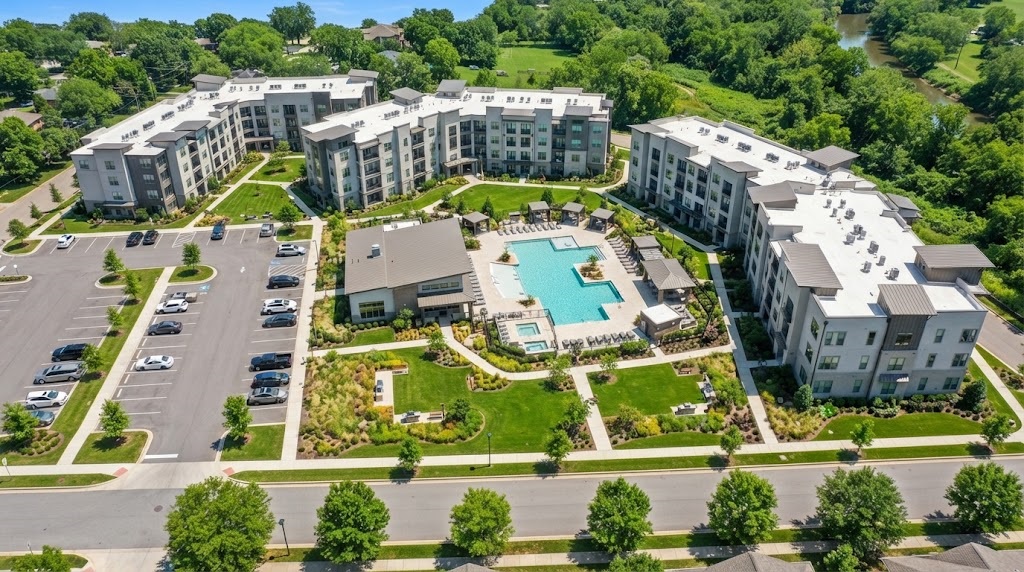
Managing real estate portfolios in today’s fast-paced housing and commercial markets presents complex operational demands. Property managers, private landlords, and real estate investment firms must oversee tenant communications, process lease renewals, coordinate emergency repairs, and maintain accurate financial ledgers across multiple properties. Attempting to handle these multifaceted responsibilities using fragmented spreadsheets, paper files, and disconnected communication channels creates operational bottlenecks and increases administrative errors. Consequently, investing in modern property management software has become an absolute necessity for real estate operators looking to scale their businesses efficiently.
A dedicated digital operating system transforms how property portfolios function from top to bottom. By unifying leasing workflows, online rent collection, maintenance dispatching, and accounting into a single cloud-based dashboard, property teams gain total visibility into daily operations. Whether you oversee a handful of single-family rental homes, a bustling suburban apartment community, or a diverse portfolio of commercial retail centers, choosing the right property management software allows real estate professionals to minimize vacancy rates, boost tenant retention, and maximize net operating income (NOI).
In this comprehensive guide, we will analyze the primary operational benefits of real estate technology, explore essential features to evaluate during software selection, compare solutions across different property asset classes, and provide a step-by-step implementation strategy for your organization.
What Is Property Management Software and Why Do You Need It?
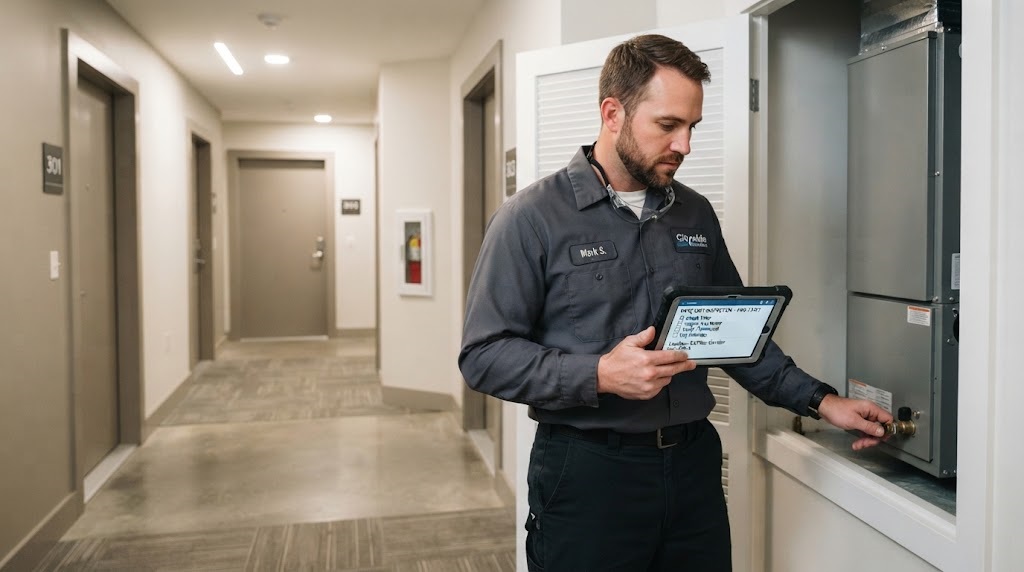
At its core, property management software serves as a centralized digital operating system designed to automate, track, and streamline the end-to-end lifecycle of real estate management. Rather than maintaining separate databases for tenant contact information, lease agreements, work orders, and accounting ledgers, a unified platform consolidates all property data into a secure, accessible cloud environment.
Overcoming the Limitations of Manual Operations

Relying on manual processes creates significant risks for growing real estate businesses. Paper lease files can be misplaced, manual rent entries in spreadsheets invite human error, and maintenance requests submitted via text message often fall through the cracks. As a portfolio grows beyond a few units, these operational inefficiencies compound quickly, leading to missed rent escalations, delayed maintenance responses, and tenant dissatisfaction.
Adopting a cloud-based property management software platform eliminates data silos by establishing a single source of truth across your entire organization. Property managers, leasing agents, maintenance technicians, and accountants access identical real-time information. When a tenant pays rent or submits a work order through a mobile app, the system updates financial ledgers, sends notification alerts, and creates a clear audit trail automatically.
Driving Scalability and Asset Valuation
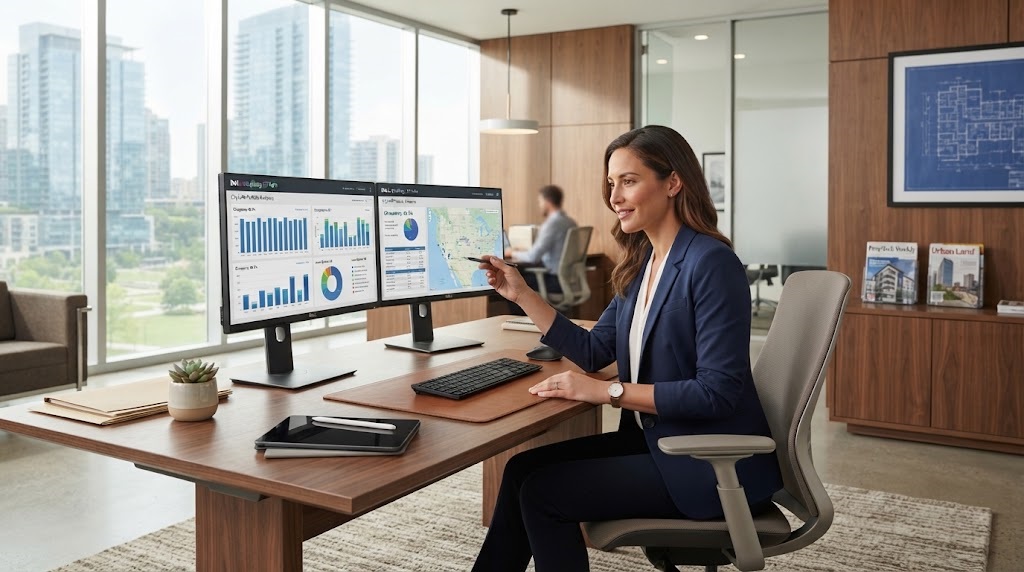
The primary advantage of modern property technology is operational leverage. Automated workflows allow a small management team to oversee significantly more units without sacrificing service quality or increasing administrative overhead. Furthermore, clean digital documentation directly enhances asset valuation. When institutional investors or financial lenders evaluate a property, having instant access to accurate historical occupancy records, maintenance logs, and financial statements instills confidence and streamlines due diligence during acquisitions or refinancing.
Key Features to Look For in Property Management Software
When evaluating top-tier property management software, several core functionalities must be assessed to ensure the platform aligns with your specific portfolio requirements and operational workflows.
1. Online Rent Collection and Automated Financial Workflows
Cash flow is the lifeblood of real estate operations. Manual rent collection via paper checks or cash inboxes consumes valuable administrative time and increases late payment rates. Robust property management software automates recurring invoice generation, delivers digital payment reminders, and provides tenants with convenient online payment options, including Automated Clearing House (ACH) bank transfers, credit card processing, and digital wallet integrations.
Integrated tenant portals allow residents to schedule recurring monthly payments, reducing delinquency rates and simplifying bank reconciliation for accounting personnel. Furthermore, automated systems calculate late fees based on custom lease rules, posting charges to tenant ledgers instantly without requiring manual intervention.
2. Digital Lease Administration and Critical Date Tracking
Managing dozens or hundreds of lease agreements manually makes it easy to miss crucial lease milestones. Modern property management software provides automated critical date tracking, alerting property teams well in advance of upcoming lease expirations, rent escalation clauses, option windows, and security deposit return deadlines.
Comprehensive platforms incorporate electronic signature tools and customizable lease templates, allowing property teams to generate, send, and execute legally binding lease agreements digitally. Storing executed leases directly within the tenant profile ensures that lease terms, special clauses, and addendums remain easily searchable for all authorized staff members.
3. Maintenance Request Workflows and Vendor Management
Maintenance workflows directly impact resident satisfaction and physical asset preservation. Integrating property management software with tenant maintenance portals simplifies how service requests are reported, assigned, and tracked through completion.
When a tenant submits a repair request—complete with uploaded photos and issue descriptions through a mobile app—the software automatically routes the work order to in-house maintenance personnel or external third-party contractors based on issue category and property location. Technicians update work order statuses directly from the field using mobile devices, tracking labor time and material costs against specific units. Once completed, the system generates vendor invoices and logs the maintenance history against the asset, creating full operational accountability.
4. Tenant Screening and Leasing Portals
Minimizing vacancy loss requires efficient marketing and prospective tenant vetting. Leading platforms provide built-in syndication tools that automatically broadcast available rental listings to major real estate listing websites with a single click.
Once prospective tenants apply, integrated screening modules execute credit checks, criminal background verifications, and eviction history searches seamlessly. Automating tenant screening accelerates the application approval process, helps maintain fair housing compliance, and ensures property owners secure qualified, reliable residents.
How Property Management Software Improves Financial Accuracy
Financial management remains a core strength of property management software. While general accounting software handles basic income and expense tracking, real estate operations require specialized property accounting capabilities tailored to trust accounting and property-level reporting.
Trust Accounting and Co-Mingling Protection
Property management companies managing assets on behalf of third-party property owners are legally required to maintain strict trust accounting standards. Rent payments and security deposits must be kept in dedicated trust bank accounts, strictly separated from the management company’s operational funds.
By providing real-time ledger updates, property management software reduces audit risks by enforcing strict trust accounting rules. The software tracks owner balances, calculates property management fees automatically, generates owner distribution statements, and prepares end-of-year 1099 tax documents seamlessly, keeping property managers fully compliant with state real estate commission regulations.
Real-Time Portfolio Analytics and Reporting
Making informed strategic decisions requires quick access to operational and financial metrics. Real-time dashboards allow property executives to monitor key performance indicators (KPIs) across their entire portfolio, including:
- Occupancy and Vacancy Rates: Tracking physical and economic occupancy trends across individual properties and asset classes.
- Accounts Receivable and Delinquency: Identifying unpaid balances and tracking collection efforts in real time.
- Net Operating Income (NOI): Analyzing property-level income against operating expenses to measure financial health.
- Maintenance Expenses per Unit: Pinpointing properties with abnormally high repair costs to plan future capital expenditure (CapEx) projects.
Comparing Software Across Residential, Commercial, and Multifamily Portfolios
Not all real estate assets operate identically. Selecting specialized property management software tailored to your specific asset class ensures that your platform contains the precise feature set needed for daily operations.
Residential Single-Family and Small Multifamily
Landlords managing single-family rental homes or small multi-unit buildings prioritize ease of use, cost-effective subscription tiers, and intuitive tenant portals. Platforms catering to small-to-midsize residential portfolios focus heavily on automated rent collection, basic maintenance dispatching, and simple landlord bookkeeping capabilities that connect directly to standard bank accounts.
Large Multifamily Communities
Managing high-density apartment communities requires advanced operational tools. Platforms designed for large multifamily properties offer specialized features such as prospect lead management, utility sub-metering billing, resident amenity reservation systems, package tracking, and dynamic revenue management pricing algorithms that adjust rental rates based on real-time market supply and demand.
Commercial Real Estate (Office, Retail, Industrial)
Commercial property management involves intricate lease structures that differ significantly from residential housing. Commercial operators utilize property management software to calculate triple-net (NNN) operating expense reconciliations, manage sales percentage rent for retail tenants, track complex option renewals, and oversee long-term tenant improvement (TI) construction allowances.
Step-by-Step Implementation Strategy for Property Management Software
Transitioning your organization to a new property management software platform requires a structured plan to prevent operational disruptions during data migration and team onboarding.
Step 1: Conduct a Comprehensive Operational Audit
Before evaluating software vendors, analyze your current operational workflows. Identify existing pain points, such as delayed maintenance responses, manual data entry bottlenecks, or disjointed accounting reconciliations. List your non-negotiable software requirements, including required third-party integrations, target budget parameters, and user capacity.
Step 2: Cleanse and Organize Your Portfolio Data
The accuracy of your new software depends entirely on the quality of the data imported into it. Before migrating data, thoroughly review and clean your current property records. Verify tenant contact details, confirm active lease end dates, reconcile security deposit balances, and compile an updated chart of accounts.
Step 3: Execute Phased Data Migration and System Setup
Work closely with your software vendor’s implementation team to configure platform settings, chart of accounts, bank account connections, and user permission roles. Import property profiles, active tenant leases, and opening accounting balances. Conduct thorough testing by running trial rent runs and test bank reconciliations to verify data accuracy before shutting down legacy systems.
Step 4: Train Team Members and Onboard Tenants
Training team members on property management software ensures high adoption rates and smooth operational transitions. Schedule dedicated training sessions for property managers, leasing staff, maintenance technicians, and accountants based on their specific platform roles.
Simultaneously, launch an active communication campaign to onboard residents to the new tenant portal. Provide clear, step-by-step instructions on how to download the mobile app, set up automated ACH rent payments, and submit online maintenance requests. High tenant portal adoption maximizes the platform’s operational efficiency from day one.
Frequently Asked Questions
How much does property management software cost?
Software pricing varies based on portfolio size, asset class, and included features. Most cloud-based providers utilize a monthly subscription model, charging either a flat monthly fee for small portfolios (typically $25 to $100 per month) or a per-unit fee ranging from $1.00 to $3.50+ per unit per month for larger portfolios, often with a minimum monthly spend.
Can independent landlords with few units benefit from property management software?
Yes. Independent landlords managing even a small number of units gain significant benefits from automated rent collection, digital lease signing, and centralized expense tracking. Modern entry-level platforms offer free or low-cost plans specifically designed to help small-scale landlords professionalize their operations.
Is property management software secure for handling sensitive financial data?
Reputable property technology platforms implement enterprise-grade security measures to protect sensitive tenant and financial data. Look for providers that offer end-to-end data encryption, multi-factor authentication (MFA), role-based user permissions, SOC 2 compliance certifications, and secure cloud server hosting.
Can property management software integrate with existing accounting tools?
Yes. Many modern platforms feature robust two-way integrations with popular general accounting software such as QuickBooks, Xero, or Sage Intacct. These integrations allow operational data to sync seamlessly with your core accounting system, eliminating double data entry.
How long does it take to implement a new software platform?
Implementation timelines depend on portfolio size and operational complexity. Small residential portfolios can often complete setup and data migration within a few days, whereas large commercial or multi-property enterprise organizations may require four to eight weeks for full configuration, data migration, and staff training.
How does property management software handle emergency maintenance requests?
Most platforms feature automated maintenance routing rules. When a resident marks a work order as an “emergency” (such as a major water leak or heating failure during winter), the system immediately sends automated SMS alerts and phone notifications to on-call maintenance technicians, ensuring rapid response times.
Can tenant portals reduce late rent payments?
Yes. Tenant portals significantly reduce late payments by offering automated recurring payments, mobile payment processing, and automated SMS or email reminders prior to the rent due date. Facilities offering digital payment options consistently experience lower delinquency rates compared to those relying on manual checks.
Conclusion
The real estate industry continues to evolve rapidly, driven by technological innovation and shifting tenant expectations. Attempting to manage modern rental portfolios using manual spreadsheets and disconnected administrative tools restricts growth and exposes real estate operators to unnecessary financial and operational risks.
By centralizing lease administration, automating rent collection, streamlining maintenance work orders, and enforcing precise property accounting standards, modern software transforms property operations into a scalable, efficient engine. Ultimately, adopting scalable property management software equips real estate businesses to lower operating costs, elevate resident satisfaction, and maximize long-term asset value across any market environment.

Written by Twastia Editorial Team
Twastia Editorial Team shares practical insights about website design, SEO services, Google Ads, content marketing, social media, conversion rate optimization, and digital marketing strategy.
Last updated: Oct 20, 2026
Related posts from Twastia
Explore more useful articles from twastia.com about digital marketing, SEO, websites, ads, content, and growth strategy.