Mobile proxy: The Ultimate Guide for Organic Social Media
In simple terms, a mobile proxy is an intermediary server that routes your internet connection through a mobile device. This […]
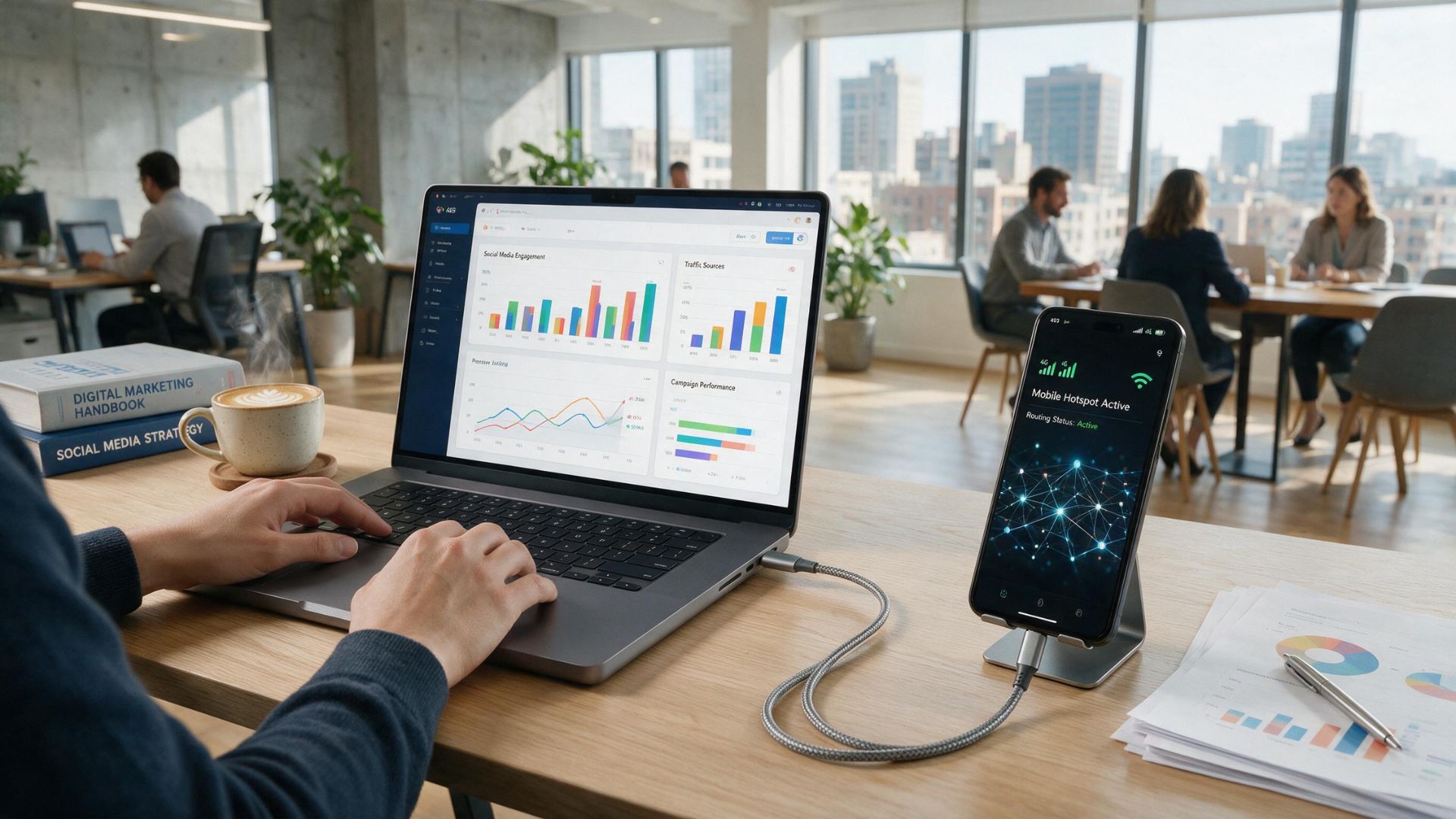
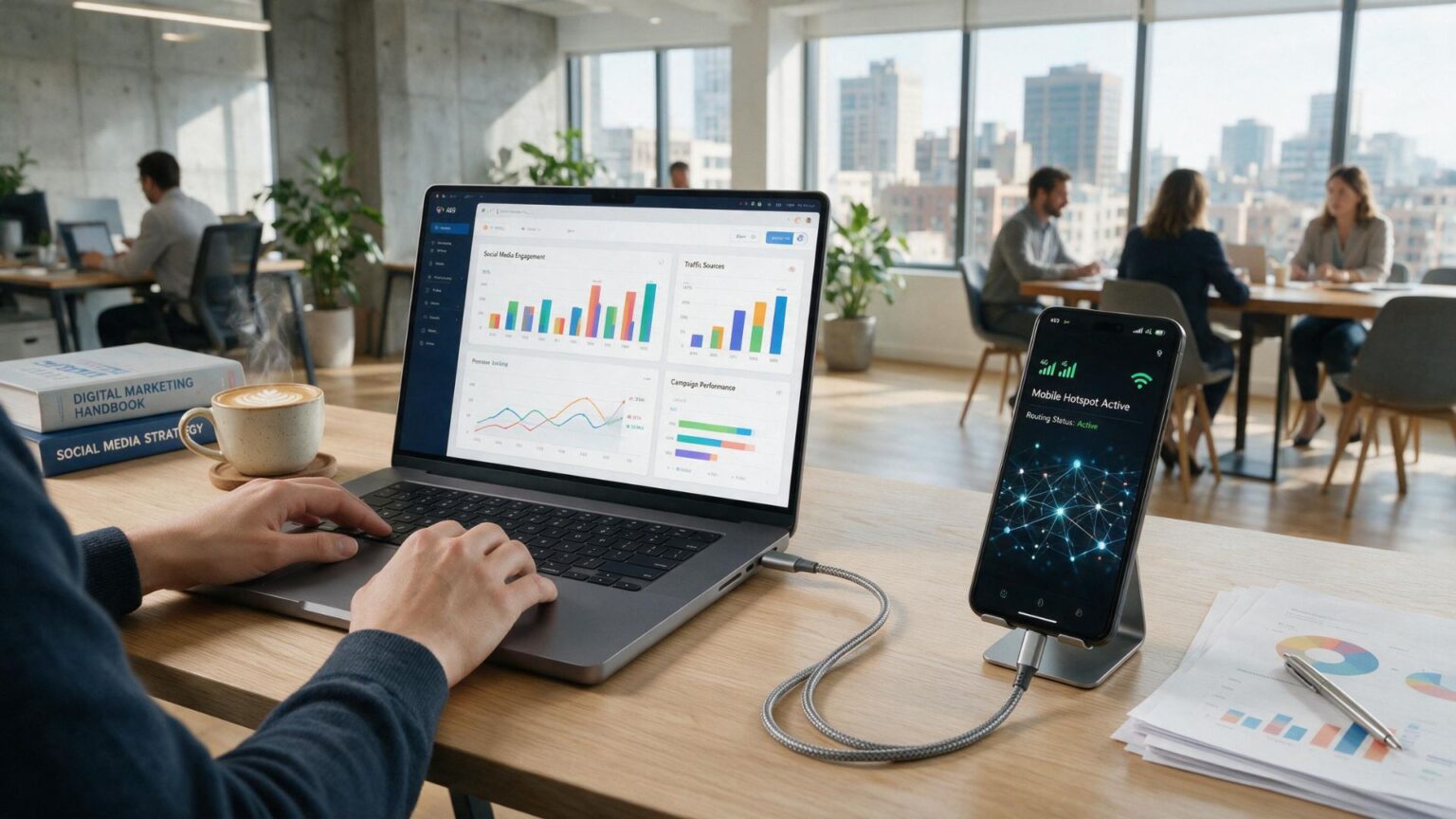
In simple terms, a mobile proxy is an intermediary server that routes your internet connection through a mobile device. This allows users to connect to the internet using the IP address of a mobile network. In turn, marketers can carry out organic social media activities more effectively, leveraging mobile proxy networks to expand their reach and improve their engagement with real audiences. By adopting this technology, brands avoid rigid datacenter blocks and maintain authentic digital presences across multiple platforms.
How a mobile proxy Enhances Social Media Marketing
Social media platforms heavily scrutinize accounts that exhibit automated or suspicious behavior. Consequently, marketing agencies face significant hurdles when scaling client accounts. A mobile proxy provides a distinct advantage here. Because the IP address originates from a legitimate cellular carrier, the social media platform treats the traffic as a standard smartphone user. Therefore, marketers can automate routine tasks like scheduling posts or scraping competitor data without triggering shadowbans. Furthermore, the organic appearance of these connections allows brands to test different content strategies across various demographic regions seamlessly.
Achieving Authentic Engagement with a mobile proxy
Authentic engagement requires a local presence. If a brand targets a specific city, logging in from a server halfway across the world raises immediate red flags. However, a mobile proxy allows marketers to select IPs from specific geographic locations. Thus, the account activity aligns perfectly with the target audience’s timezone and location. This precise geo-targeting ensures that algorithms favor the content, pushing it to more local users. Consequently, engagement rates climb naturally as the platform recognizes the account as a genuine local user.
The Technical Mechanics of a mobile proxy
Understanding the underlying architecture helps marketers deploy these tools effectively. A mobile proxy does not merely mask an IP address; it fundamentally changes the routing path of the data. The intermediary server connects to physical mobile devices or 4G/5G dongles equipped with active SIM cards. When a user sends a web request, the server forwards it through one of these physical devices to the cellular tower. Consequently, the target website identifies the connection source as a mobile network operator rather than a cloud hosting provider.
Carrier-Grade NAT and mobile proxy Trust Scores
Telecommunications companies use a system called Carrier-Grade NAT to manage their limited pool of IPv4 addresses. This system allows thousands of mobile devices to share a single public IP address. Therefore, websites cannot easily block a mobile IP without risking blocking hundreds of legitimate mobile users on the same network. This shared architecture grants mobile proxy connections exceptionally high trust scores. In contrast, datacenter IPs belong to a single entity, making them easy targets for blanket bans. Thus, the Carrier-Grade NAT system inherently protects marketers’ automated activities.
Managing Multiple Accounts via a mobile proxy
Digital marketing agencies often manage dozens or even hundreds of client profiles simultaneously. Platforms like Instagram, Facebook, and TikTok strictly enforce limits on how many accounts can operate from a single IP address. If an agency attempts to manage fifty accounts from one office IP, the platform will ban them all immediately. To solve this, agencies assign a dedicated mobile proxy to each account. This isolation ensures that if one account triggers a security check, the others remain completely unaffected.
Preventing Platform Bans with a mobile proxy
Platform bans happen when algorithms detect unnatural patterns, such as rapid logins from different locations. A mobile proxy mitigates this risk by simulating consistent, mobile user behavior. The IP remains stable while the user operates the account, and it rotates naturally when the cellular connection resets. Therefore, the platform sees a pattern that mimics a real person turning their phone on and off. Furthermore, if an IP does get flagged, the marketer can simply force a reconnect to obtain a fresh IP from the carrier, instantly resolving the block.
Bypassing Anti-Bot Systems with a mobile proxy
Modern websites employ sophisticated anti-bot systems like Cloudflare, Akamai, and DataDome. These systems analyze various data points, including the Autonomous System Number (ASN) of the incoming IP. Datacenter ASNs face instant flagging by these systems. However, cellular network ASNs carry an implicit trust because they belong to established telecom providers. Consequently, a mobile proxy slips past these aggressive filters effortlessly. Marketers use this advantage to conduct competitor research, scrape pricing data, and verify ad placements without encountering endless CAPTCHAs.
Ad Verification and a mobile proxy
Brands spend millions on digital advertising, ensuring those ads display correctly is critical. Ad verification requires checking if competitors run ads in specific regions or if ad networks serve the correct content to mobile users. A mobile proxy allows marketers to view the internet exactly as a local mobile user would. Thus, they can confirm their campaigns render properly on mobile devices in targeted geographic areas. This capability prevents ad fraud and ensures marketing budgets yield actual visual impressions.
mobile proxy vs. Datacenter Proxies
Choosing the right proxy type dictates the success of a networking strategy. Datacenter proxies offer incredible speed and low latency. They originate from cloud service providers and cost significantly less. However, their lack of association with an internet service provider makes them highly susceptible to blocks. On the other hand, a mobile proxy trades raw speed for unparalleled trust and stealth. While cellular connections might offer slightly higher latency, the ability to access restricted networks outweighs this minor speed penalty. Therefore, datacenter proxies suit high-speed internal tasks, while cellular proxies excel at public-facing web interactions.
Trust Scores and IP Reputation in a mobile proxy
IP reputation dictates how a website treats incoming traffic. Datacenter IPs start with a neutral to low trust score because anyone can purchase them cheaply for automated scripts. Cellular IPs start with an exceptionally high trust score. Telecommunications companies rigorously verify their customers. Thus, websites assume traffic from a mobile carrier is organic. Furthermore, if a mobile proxy IP gets flagged for suspicious activity, it usually clears up quickly. The carrier will reassign the flagged IP to a new user, resetting its reputation. Consequently, mobile proxies maintain long-term viability for web scraping and automated tasks.
Choosing the Right mobile proxy Provider
Not all proxy services deliver the same quality. Marketers must evaluate several critical factors before committing to a provider. First, the provider must use real SIM cards rather than spoofing datacenter IPs. Furthermore, the provider should offer APIs for automated IP rotation. This feature allows marketing software to trigger an IP change programmatically without manual intervention. Additionally, buyers should ensure the provider offers IPs from major telecom carriers to guarantee maximum trust scores. Finally, reliable customer support is essential, as cellular networks occasionally experience outages that require immediate technical troubleshooting.
Scaling Organic Growth with a mobile proxy
Scaling organic growth requires a delicate balance of automation and human-like interaction. Marketers use automation tools to like, comment, and follow targeted users. However, running these tools through a mobile proxy ensures the platform views these actions as organic smartphone activity. Therefore, brands can scale their outreach efforts safely. They expand their digital footprint without risking the client accounts they manage. This strategic approach turns a simple networking tool into a powerful engine for organic social media expansion.
FAQs
1. What is a mobile proxy in simple terms?
It is an intermediary server that routes your internet connection through a mobile device, using a cellular network’s IP address.
2. How does a mobile proxy help social media marketers?
It allows marketers to manage multiple accounts safely by making automated actions appear as organic smartphone usage.
3. Why do mobile proxies have higher trust scores than datacenter proxies?
Mobile IPs belong to established telecom carriers and are shared among real users, making websites hesitant to block them.
4. Can a mobile proxy prevent account bans?
Yes, by simulating real mobile user behavior and rotating IPs naturally, it prevents platforms from flagging accounts for suspicious activity.
5. Does a mobile proxy allow geo-targeting?
Yes, marketers can select proxies with IP addresses from specific cities or regions to align with their target audience.
6. Are mobile proxies legal for organic marketing?
Yes, using them is legal, provided marketers adhere to the terms of service of the social media platforms they access.
Conclusion
The digital marketing landscape demands both scale and authenticity. A mobile proxy bridges this gap by routing internet connections through trusted cellular networks. This allows marketers to manage multiple accounts, automate organic social media activities, and bypass strict anti-bot systems without triggering platform bans. Furthermore, the high trust scores associated with carrier IPs ensure that engagement efforts reach real audiences effectively. By understanding the mechanics and advantages of this technology, agencies can expand their reach safely. Ultimately, leveraging a mobile proxy transforms how brands build organic presence, ensuring sustainable growth and genuine audience interaction in an increasingly restricted digital environment.

Written by Twastia Editorial Team
Twastia Editorial Team shares practical insights about website design, SEO services, Google Ads, content marketing, social media, conversion rate optimization, and digital marketing strategy.
Last updated: Jul 24, 2026
Related posts from Twastia
Explore more useful articles from twastia.com about digital marketing, SEO, websites, ads, content, and growth strategy.