Greenworks Pressure Washers: Best Models, Features, Reviews & Buying Guide
Keeping your home’s outdoor surfaces clean can be challenging, especially when dirt, mud, algae, and everyday grime build up over […]
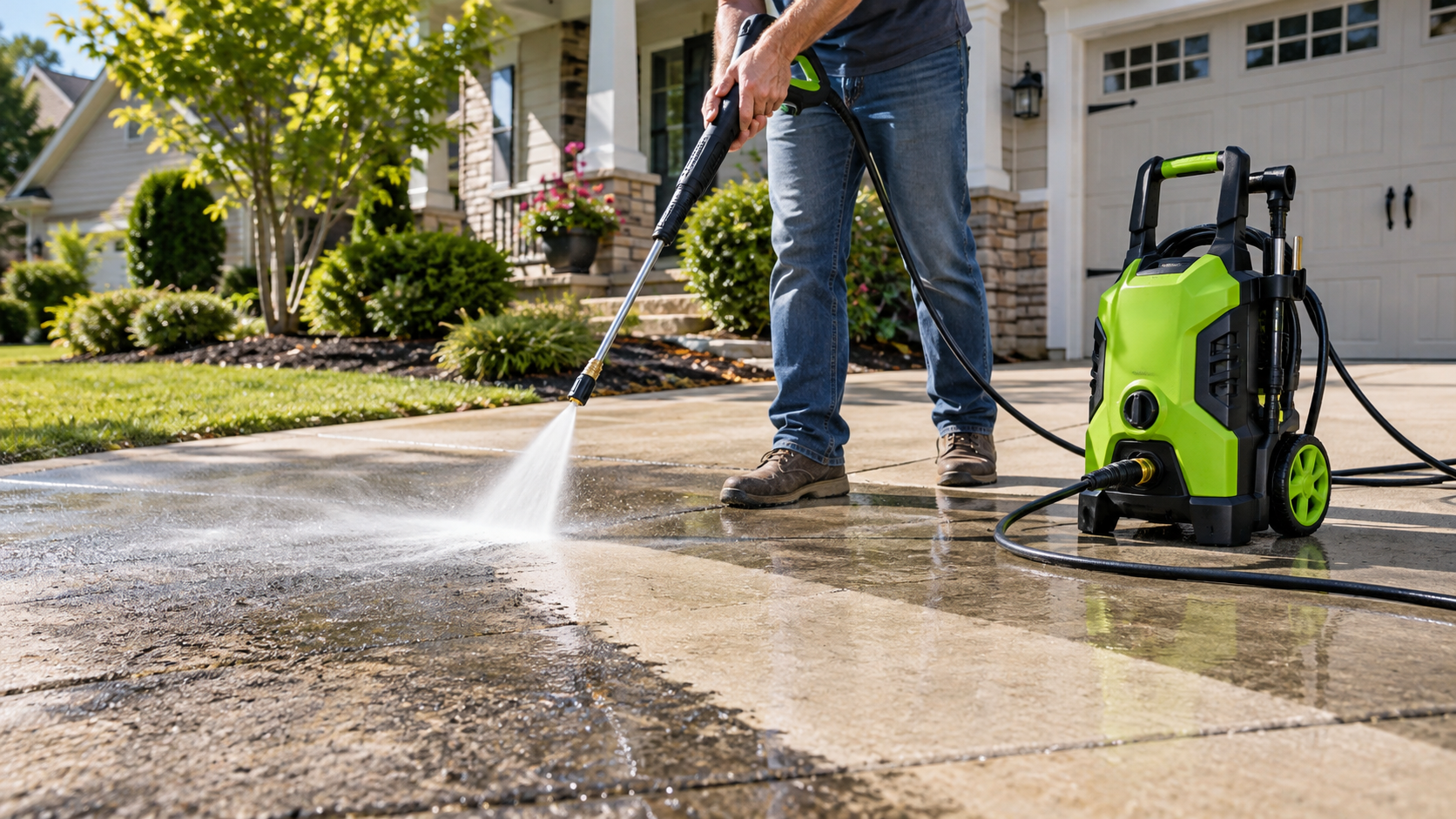
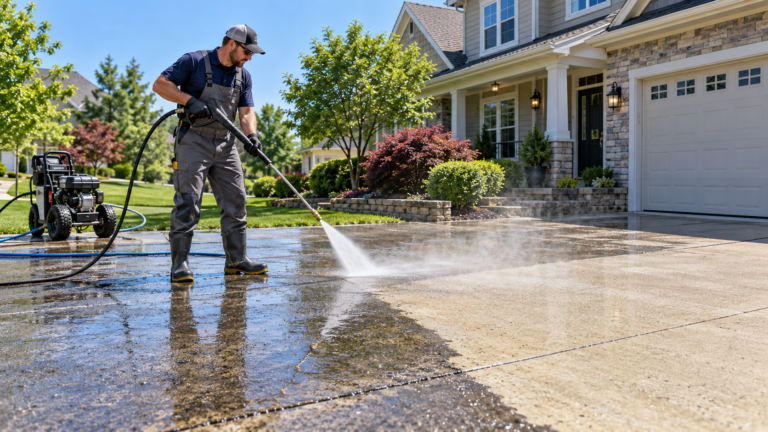
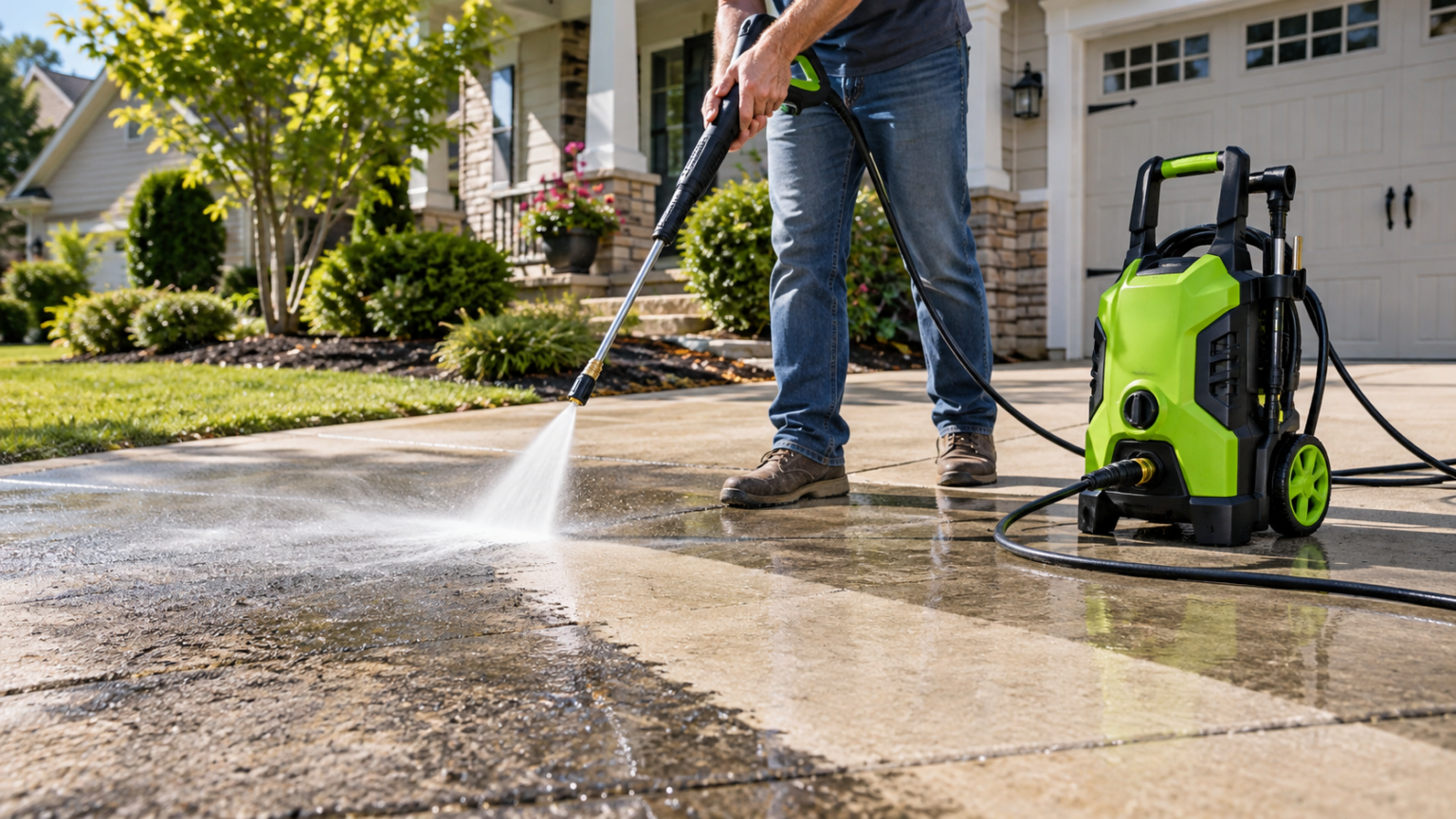
Keeping your home’s outdoor surfaces clean can be challenging, especially when dirt, mud, algae, and everyday grime build up over time. Driveways, patios, vehicles, decks, and outdoor furniture require regular maintenance to maintain their appearance. Fortunately, Greenworks pressure washers offer convenient electric cleaning solutions for many residential tasks.
Known for electric lawn equipment and outdoor power tools, Greenworks offers a variety of pressure washers designed for homeowners who prefer simpler operation without gasoline engines.
These machines use pressurized water to remove dirt from suitable surfaces, with different models offering varying pressure ratings, water flow, portability, and accessories.
However, choosing the right pressure washer involves more than selecting the highest PSI rating. Understanding water flow, cleaning applications, motor technology, and safety features can help you find a machine that matches your needs.
This comprehensive guide explores Greenworks pressure washer models, useful features, advantages, limitations, maintenance requirements, and practical buying tips for American homeowners.
What Are Greenworks Pressure Washers?
Greenworks pressure washers are outdoor cleaning machines powered by electricity rather than gasoline.
They connect to a suitable water supply and use a motor-driven pump to produce a concentrated stream of water through a spray wand.
Depending on the model, these machines can help clean concrete, outdoor furniture, vehicles, selected siding materials, and other surfaces approved for pressure washing.
Greenworks offers corded electric, battery-powered, and hybrid pressure washers across several pressure categories.
Greenworks Tools
Compared with gasoline-powered machines, electric models generally require fewer engine-related maintenance tasks.
However, users must still maintain the pump, inspect hoses, protect electrical connections, and follow appropriate cleaning practices.
Why Choose Greenworks Pressure Washers?
Several features make Greenworks equipment worth considering for household cleaning.
Easy Electric Operation
Corded electric pressure washers typically start with a button or switch.
They do not require gasoline, engine oil changes, or pull-cord starting procedures.
This makes them convenient for occasional outdoor maintenance.
Different Cleaning Power Options
Greenworks manufactures models with different pressure ratings.
Lower-pressure units may suit lighter cleaning, while higher-pressure models can be more practical for certain stubborn deposits on suitable hard surfaces.
The most powerful machine is not automatically the safest choice for every material.
Convenient Storage and Portability
Many models feature wheels, integrated handles, hose storage, or compact frames.
These features are useful for homeowners with limited garage space.
No Gasoline Engine Exhaust
Electric pressure washers produce no gasoline-engine exhaust at the point of operation.
They also avoid several routine engine maintenance requirements associated with gas equipment.
Electricity consumption and overall environmental impact still depend on the energy source and usage.
Best Greenworks Pressure Washers for Homeowners
Greenworks offers several models suitable for different cleaning situations.
The following examples illustrate how specifications and intended applications vary. Product availability and included accessories may change.

Greenworks 2000 PSI Electric Pressure Washer
A practical residential option for routine patio, outdoor furniture, and other approved surface cleaning. Model GPW2003 is rated at 2,000 PSI and 1.2 GPM, with a 14-amp motor and a 25-foot hose.
Greenworks Tools

Greenworks Pro 2300 PSI Pressure Washer
Designed for homeowners seeking additional cleaning capacity. The GPW2301 has a brushless motor, 2,300 PSI maximum pressure, and a manufacturer-listed flow of 1.2 GPM at maximum pressure.
Greenworks Tools

Greenworks 3000 PSI Pressure Washer
A higher-pressure residential machine featuring a brushless motor, five cleaning nozzles, and a wheeled open-frame design. Its 3,000 PSI rating corresponds to 1.1 GPM, while its 2.0 GPM rating applies at 100 PSI.
Greenworks Tools

Greenworks 60V Hybrid Pressure Washer
An option for users who value flexibility between compatible battery power and household electricity. Battery operation can be useful when a suitable outdoor electrical outlet is unavailable.
A detailed Greenworks pressure washers review from Backyardville also compares earlier models, including 1,500 PSI, 1,700 PSI, 1,950 PSI, and higher-output machines. Because that guide was published in 2020, its historical pricing and model selection should not be treated as current retail information.
In-depth and Detailed
Understanding PSI and GPM Before Buying
Pressure washer specifications commonly include two important measurements.
What Does PSI Mean?
PSI stands for pounds per square inch.
It describes water pressure, helping indicate how forcefully water leaves the nozzle.
Higher pressure can help remove stubborn deposits, but it also increases the potential for surface damage and personal injury.
What Does GPM Mean?
GPM means gallons per minute.
This measurement describes water flow.
Greater water flow can help rinse loosened debris and cover suitable surfaces more efficiently.
Why Both Measurements Matter
Two machines with similar PSI ratings can deliver different cleaning experiences if their water flow differs.
Manufacturers may also advertise maximum PSI and maximum GPM values measured under different operating conditions.
For example, the Greenworks GPW3002A lists 3,000 PSI at 1.1 GPM and 2.0 GPM at 100 PSI. These maximum values should not be interpreted as occurring simultaneously.
Greenworks Tools
When comparing Greenworks pressure washers, review the pressure and flow ratings together rather than focusing on one maximum specification.
Common Uses for Greenworks Pressure Washers
Electric pressure washers can handle several household maintenance tasks when used with the correct accessories and surface-specific precautions.

Driveway Cleaning
Suitable machines can remove loose dirt, mud, and some stains from sound concrete. Larger driveways may benefit from appropriate surface-cleaning attachments.

Car Washing
Use a vehicle-safe cleaning method, appropriate detergent, a wide spray pattern, and sufficient distance. Avoid directing concentrated jets at seals, paint damage, or electrical components.

Patio and Paver Maintenance
Pressure washing can help remove surface grime, but excessive force may dislodge joint sand, damage finishes, or erode softer paving materials.

Outdoor Furniture
Certain metal and durable plastic furniture can be cleaned with suitable low-pressure methods. Avoid pressure washing delicate materials unless their manufacturer permits it.
Always test an inconspicuous area and follow the surface manufacturer’s care instructions.
Greenworks Electric vs. Gas Pressure Washers
Both electric and gas-powered equipment have advantages.
| Feature | Greenworks electric models | Typical gas models |
|---|---|---|
| Power source | Electricity or batteries | Gasoline |
| Starting | Usually push-button | Often pull-start |
| Engine oil maintenance | Not required | Usually required |
| Operating noise | Generally quieter | Generally louder |
| Exhaust at equipment | No gasoline exhaust | Produces exhaust |
| Heavy continuous cleaning | Model-dependent | Often suitable |
| Storage needs | Frequently compact | Frequently larger |
For many homeowners, Greenworks pressure washers offer adequate convenience for periodic cleaning.
Gas-powered machines may remain preferable for some demanding commercial applications or locations without suitable electrical access.
However, actual cleaning capability should be compared using verified specifications rather than power source alone.
Important Features to Look for in a Greenworks Pressure Washer
Choosing the correct features can improve your cleaning experience and prevent unnecessary expenses.
Brushless Motor Technology
Some higher-output Greenworks models use brushless motors.
These motors eliminate traditional motor brushes and may offer advantages in efficiency, durability, and performance.
However, maintenance requirements and warranty coverage vary by model.
Adjustable Nozzles
Different spray tips allow users to adjust the spray pattern for specific cleaning tasks.

Pressure Washer Nozzle Attachments
Wider spray patterns generally distribute water over a larger area, while concentrated nozzles produce greater force. Always use the gentlest effective setting and follow the surface manufacturer’s instructions.
Never assume that a narrow spray tip is appropriate for painted wood, vehicles, siding, or delicate surfaces.
Hose and Cord Length
A longer hose can reduce the need to move the machine repeatedly.
For corded models, check the power cord length and confirm that a properly grounded electrical outlet is available.
Avoid unsuitable extension cords and wet electrical connections.
Detergent Compatibility
Some Greenworks pressure washers include onboard soap tanks or detergent attachments.
Use only cleaning solutions approved for the specific machine and intended surface.
Greenworks advises using designated pressure washer soaps and avoiding harsh chemicals such as bleach, ammonia, and strongly alkaline products in its applicable machines.
Greenworks Tools
How to Use Greenworks Pressure Washers Safely
Pressure washers are powerful tools that require careful operation.
The CDC warns that concentrated pressure washer spray can cause serious injuries even when the initial wound appears minor.
CDC
Before cleaning, inspect the water hose, electrical connections, spray wand, and nozzle.
Connect the equipment to a suitable water supply and follow the manufacturer’s startup procedure.
Wear protective footwear and eye protection, and keep children and pets away from the work area.
Never point the spray gun toward people or animals.
Use a grounded electrical connection protected by a functioning ground-fault circuit interrupter (GFCI).
Do not spray electrical outlets, outdoor fixtures, or damaged surfaces.
If a high-pressure stream causes a skin injury, seek immediate medical attention.
Proper handling is essential regardless of the pressure washer’s advertised PSI.
Greenworks Pressure Washer Maintenance Tips
Regular maintenance can help prevent avoidable equipment problems.
Clean the Water Inlet Filter
Inspect the inlet screen periodically and remove dirt or debris according to the owner’s manual.
A restricted water supply can affect cleaning performance and potentially damage the pump.
Inspect Hoses and Connections
Check for cracks, kinks, leaks, and damaged fittings.
Replace worn components with manufacturer-compatible parts.
Never attempt to repair a high-pressure hose using household tape.
Flush Approved Detergent Systems
After using detergent, follow the machine’s flushing instructions.
Removing residual cleaning solution can help prevent buildup in hoses and dispensing components.
Protect the Machine From Freezing
Water remaining inside pressure washer components can expand when frozen and cause damage.
Drain the machine and use an approved pump-protection procedure when recommended.
Store equipment in a dry, protected location.
Common Greenworks Pressure Washer Problems and Solutions
Even well-maintained pressure washers can occasionally experience operating problems.
Low Water Pressure
Insufficient water supply, blocked nozzles, dirty inlet screens, or hose restrictions can reduce pressure.
Turn off the machine, release pressure safely, and inspect accessible components according to the manual.
Pressure Washer Will Not Start
Check the electrical outlet, GFCI, power cord, and applicable circuit breaker.
If the equipment repeatedly trips electrical protection, discontinue use and arrange an appropriate inspection.
Water Leaking Around Connections
Loose fittings, damaged seals, or incorrectly attached hoses may cause leaks.
Turn off and depressurize the machine before examining connections.
Inconsistent Spray Pattern
A partially obstructed nozzle may produce irregular spraying.
Clean or replace the nozzle using the manufacturer’s instructions.
Never attempt to clear a nozzle while the equipment is pressurized.
Are Greenworks Pressure Washers Worth Buying?
For homeowners who prefer electric outdoor cleaning equipment, Greenworks offers several practical choices.
Its product range includes compact machines for occasional cleaning and higher-pressure models intended for more demanding residential tasks.
The main advantages are convenient electric starting, a variety of pressure ratings, and the availability of different accessories.
Potential disadvantages include dependence on electrical access for corded models, limitations on sustained heavy-duty cleaning, and differences in warranty coverage.
Before buying, consider how frequently you will use the equipment, what surfaces require cleaning, and how much storage space is available.
The best Greenworks pressure washer is the one whose verified specifications and accessories suit your actual cleaning requirements.
Frequently Asked Questions About Greenworks Pressure Washers
Are Greenworks pressure washers good for home use?
Yes. Many models are designed for residential cleaning, including driveways, patios, outdoor furniture, and other suitable surfaces.
Choose the pressure rating and accessories according to the intended application.
Which Greenworks pressure washer is best for driveways?
A higher-output model may be useful for cleaning durable concrete, particularly when paired with a compatible surface-cleaning attachment.
However, driveway condition, surface coating, and water flow are important considerations.
Can I wash my car with a Greenworks pressure washer?
Yes, when the vehicle manufacturer permits pressure washing and you use an appropriate wide spray pattern, safe distance, and suitable detergent.
Avoid concentrated spray near vulnerable components.
What is the difference between 2000 PSI and 3000 PSI?
A 3,000 PSI rating represents greater maximum pressure than 2,000 PSI.
However, actual cleaning performance also depends on water flow, nozzle selection, and operating conditions.
Do Greenworks pressure washers need oil?
Electric Greenworks pressure washers do not require gasoline-engine oil changes.
Follow the owner’s manual for pump care and other model-specific maintenance.
Can Greenworks pressure washers use any detergent?
No. Use only cleaning solutions compatible with your specific model and the surface being cleaned.
Avoid introducing unapproved household chemicals into the detergent system.
How long do Greenworks pressure washers last?
Service life depends on usage, maintenance, storage conditions, and component quality.
Regular cleaning, proper winter storage, and avoiding pump operation without adequate water can help protect the equipment.
Are Greenworks pressure washers better than gas pressure washers?
Electric models are often more convenient for routine residential cleaning, while gasoline-powered equipment can be preferable for certain demanding applications.
Neither category is automatically better for every homeowner.
Conclusion
Greenworks pressure washers provide American homeowners with a variety of electric cleaning solutions for maintaining outdoor spaces. Whether you need to refresh a driveway, clean patio furniture, wash a vehicle, or remove accumulated dirt from suitable surfaces, choosing the right equipment can make these tasks more manageable.
Models with different PSI and GPM ratings offer flexibility for lighter and more demanding cleaning applications. However, water flow, nozzle selection, safety features, and surface compatibility are just as important as maximum pressure.
Before purchasing, compare verified specifications, warranty terms, included accessories, and maintenance requirements.
With responsible operation, proper storage, and regular upkeep, a suitable Greenworks pressure washer can become a valuable addition to your home maintenance equipment.

Written by Twastia Editorial Team
Twastia Editorial Team shares practical insights about website design, SEO services, Google Ads, content marketing, social media, conversion rate optimization, and digital marketing strategy.
Last updated: Oct 24, 2026
Related posts from Twastia
Explore more useful articles from twastia.com about digital marketing, SEO, websites, ads, content, and growth strategy.