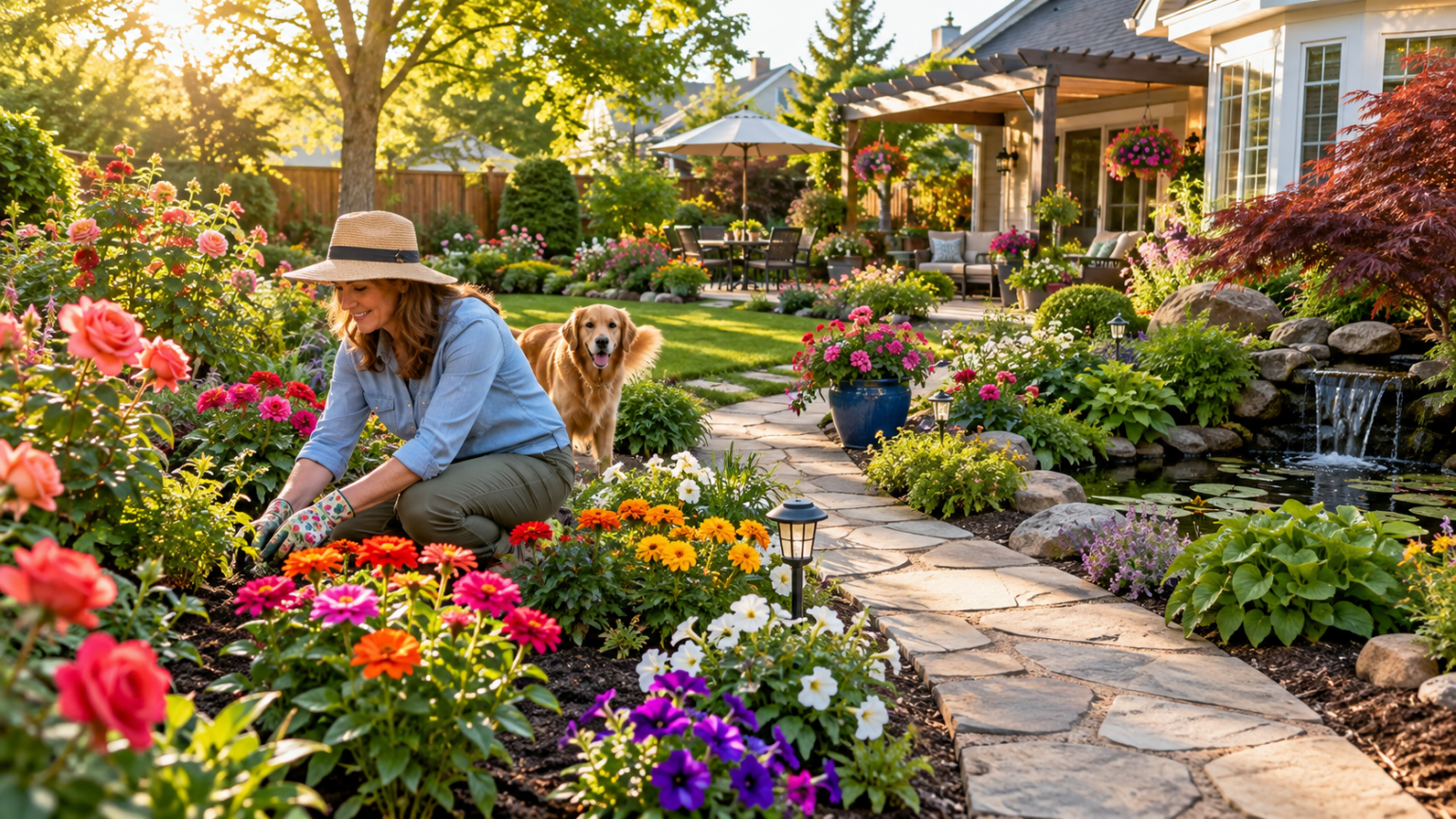
Promote Flower Growth: Best Tips for Faster Blooms and Healthier Plants
A beautiful flower garden can transform an ordinary backyard into a colorful and inviting outdoor space. Whether you enjoy growing […]
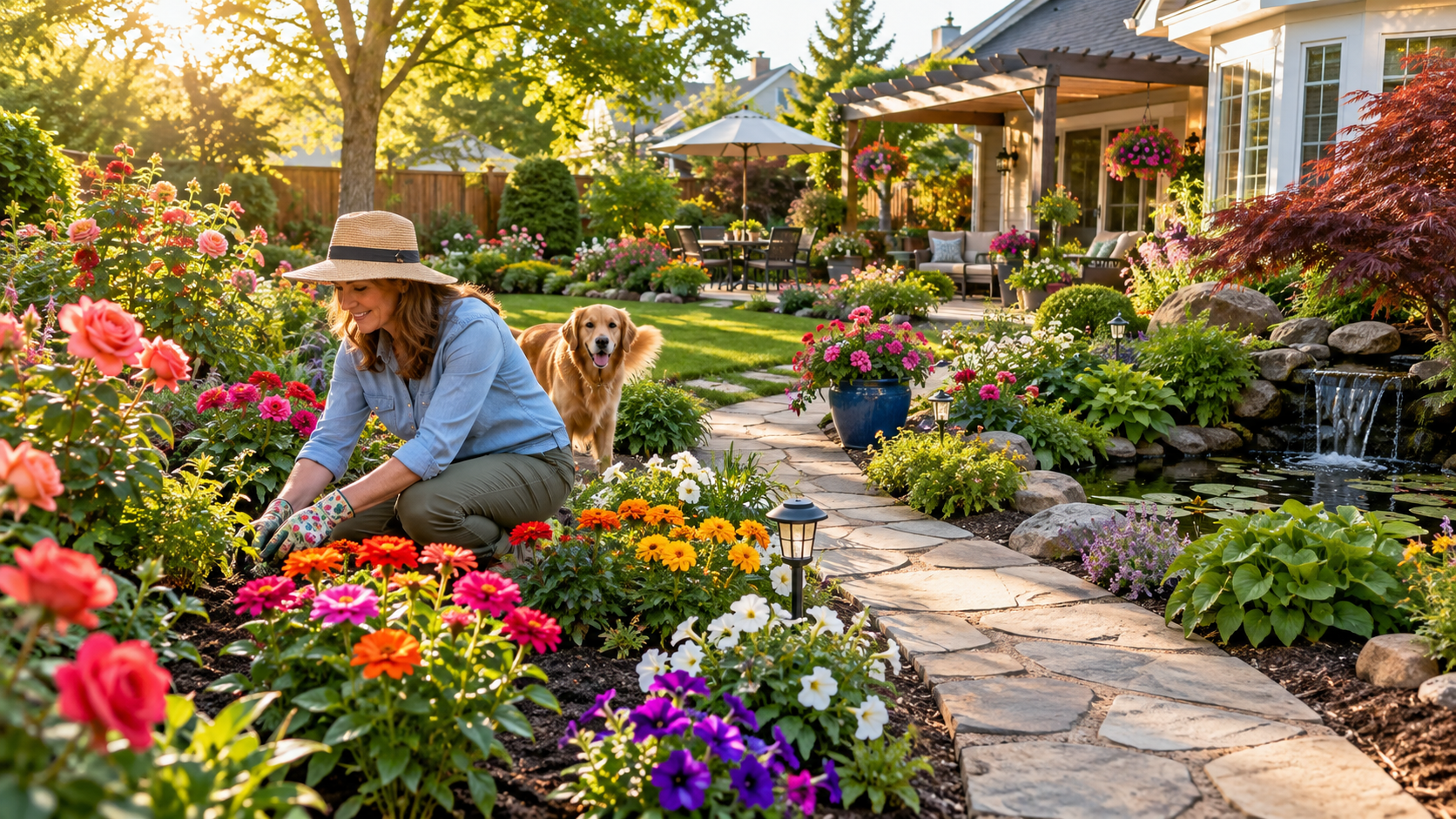
A beautiful flower garden can transform an ordinary backyard into a colorful and inviting outdoor space. Whether you enjoy growing roses, marigolds, petunias, or zinnias, seeing your plants covered in healthy blooms is one of the most rewarding parts of gardening.
However, growing beautiful flowers requires more than planting seeds and watering occasionally. Sunlight, soil quality, nutrition, moisture, temperature, and proper maintenance all influence how well flowering plants develop.
If you want to promote flower growth, understanding these basic requirements can help you achieve healthier plants and more consistent blooms.
Many gardeners make simple mistakes, such as overwatering, applying too much fertilizer, or planting flowers in unsuitable locations. These problems can result in healthy-looking leaves but very few flowers.
Fortunately, a few practical changes can make a noticeable difference.
This guide explains proven gardening techniques, common flowering problems, easy-to-grow flower varieties, and seasonal maintenance strategies to help American homeowners create beautiful gardens.
Why Do Some Flowers Grow Faster Than Others?
Not all flowering plants grow or bloom at the same speed.
Some annual flowers can begin blooming within a few months of planting, while certain perennials may require a full growing season or longer to establish themselves.
Genetics, sunlight, temperature, moisture, and available nutrients influence flowering time.
For example, zinnias generally grow quickly during warm weather, while pansies perform better in cooler conditions.
Flowering also depends on plant maturity. A young plant must usually develop enough roots, stems, and leaves before supporting blossoms.
Understanding these differences helps gardeners set realistic expectations.
Rather than forcing plants to flower prematurely, the most effective approach is to provide conditions that encourage their natural growth cycle.
10 Best Ways to Promote Flower Growth Naturally
Creating a productive flower garden does not necessarily require expensive products.
Consistent attention to basic plant needs can produce better results than frequent applications of unnecessary fertilizers.
1. Provide the Right Amount of Sunlight
Sunlight is essential for photosynthesis, allowing plants to produce energy for growth and flowering.
Many popular flowers, including marigolds, cosmos, and zinnias, perform best with at least six hours of direct sunlight daily.
However, plants such as impatiens and certain begonias prefer partial shade.

Zinnias, marigolds, and cosmos often produce abundant blooms in sunny locations. Always match sunlight exposure to the requirements of each plant.
Before planting, observe how sunlight moves across your garden.
Selecting an appropriate location is one of the simplest ways to promote flower growth without purchasing additional products.
2. Improve Soil With Organic Compost
Healthy roots depend on suitable soil conditions.
Flowering plants generally grow better when soil provides good drainage, appropriate nutrients, and sufficient moisture.
Adding finished organic compost can improve soil structure, particularly in heavy clay or sandy garden beds.

Organic Compost for Flowers
Finished compost helps improve soil structure and moisture management. It is especially useful when preparing garden beds before planting.
Avoid adding excessive amounts of fresh manure or unprocessed organic materials.
Consider testing your soil before applying additional nutrients.
3. Water Flowers Correctly
Water is essential for transporting nutrients and supporting normal plant processes.
However, too much water can be as harmful as too little.
Waterlogged soil limits oxygen availability around roots and may contribute to root diseases.
Dry soil can cause wilting, reduced growth, and premature bud drop.
For established garden plants, deep watering when necessary is often more beneficial than frequent shallow watering. Actual requirements depend on rainfall, soil type, temperature, and species.
Direct water toward the soil rather than unnecessarily soaking leaves.
4. Choose the Right Fertilizer
Fertilizer can support healthy growth when essential nutrients are lacking.
Nitrogen supports foliage development, phosphorus contributes to normal root and reproductive functions, and potassium plays a role in overall plant health.
However, more fertilizer does not automatically mean more flowers.
The University of Minnesota Extension recommends soil testing before adding nutrients because unnecessary fertilization can waste money and negatively affect the environment.
UMN Extension
Follow product instructions and avoid applying large quantities of high-nitrogen fertilizer.
5. Remove Dead Flowers Regularly
Deadheading involves removing spent flowers before they develop mature seeds.
For many repeat-blooming plants, this encourages additional flowering.

Deadheading Flowering Plants
Removing faded flowers can encourage reblooming in responsive plants, including zinnias, geraniums, and some petunias.
University of Illinois Extension guidance published in July 2026 explains that deadheading can improve garden appearance and encourage additional blossoms, depending on the plant species.
Illinois
Use clean pruning shears and cut above a healthy leaf or side shoot when appropriate.
6. Prune and Pinch Plants Carefully
Some flowers develop more branches when their growing tips are removed.
This technique, called pinching, can encourage fuller growth and additional potential flowering sites.
Petunias are one example of plants that may benefit from trimming when stems become long and sparse.
However, improper pruning can remove developing buds.
Always research the specific plant before cutting.
7. Apply Mulch Around Flowers
Mulch helps maintain more consistent soil moisture and reduces weed competition.
Organic materials such as shredded bark and pine straw are common choices.

Mulched Flower Beds
Organic mulch can help conserve moisture during hot weather. Keep it away from plant stems and crowns to prevent excess moisture buildup.
Mulching is particularly useful during hot American summers when flower beds dry quickly.
8. Maintain Proper Plant Spacing
Overcrowded plants compete for sunlight, water, and nutrients.
Poor airflow can also increase certain fungal disease risks.
Follow the recommended spacing printed on seed packets or plant labels.
Giving plants sufficient space allows leaves and stems to develop naturally.
9. Control Garden Pests Early
Aphids, spider mites, caterpillars, and plant diseases can damage leaves and flower buds.
Inspect plants regularly, particularly the undersides of leaves.
Identify the actual problem before using insecticides.
Encouraging beneficial insects and removing affected plant material can sometimes reduce pest pressure without unnecessary chemical applications.
10. Select Flowers Suitable for Your Climate
Different flowering plants thrive in different growing conditions.
Check your USDA Plant Hardiness Zone and consider seasonal rainfall, summer heat, and frost dates.
Selecting regionally suitable plants helps reduce stress and may improve flowering performance.
Matching plants to local conditions is one of the most reliable ways to promote flower growth over multiple seasons.
Best Fast-Growing Flowers for American Gardens
Some flowers are particularly suitable for gardeners seeking colorful results within a relatively short growing period.

Sweet Alyssum
Produces clusters of small, fragrant flowers. It performs particularly well during cooler weather and works beautifully along pathways and container edges.

Calendula
Known for bright orange and yellow blossoms, calendula is suitable for cooler growing seasons and beginner-friendly flower gardens.

Zinnias
Popular summer annuals that produce colorful blooms in sunny locations. Many varieties respond well to regular removal of faded flowers.

Johnny-Jump-Ups
Small violas that enjoy cooler temperatures and provide attractive early-season color in suitable climates.
The Gardening Tips guide to making flowers bloom faster also discusses quick-flowering varieties, including sweet alyssum, calendula, pansies, and bachelor buttons.
Gardening Tips
Flowering times vary depending on temperature, variety, and growing conditions.
How to Promote Flower Growth in Containers
Container gardening is especially useful for apartments, patios, and smaller American backyards.
However, flowers grown in pots often require more attention to moisture and nutrients.
Choose Containers With Drainage Holes
Drainage allows excess water to escape.
Use a quality potting mix designed for containers rather than compacted garden soil.
Monitor Soil Moisture
Container plants can dry quickly during summer.
Check moisture regularly and water according to the plant’s needs.
Avoid leaving pots sitting in standing water.
Feed Plants When Necessary
Some flowering annuals grown in containers benefit from appropriate supplemental fertilizer.
Follow product directions and avoid overfeeding.
Common Reasons Flowers Stop Blooming
When flowers produce healthy leaves but few blossoms, the problem may involve environmental conditions rather than nutrient deficiency.
| Common problem | Recommended action |
|---|---|
| Insufficient sunlight | Match exposure to plant requirements |
| Excessive nitrogen | Review fertilizer applications |
| Poor drainage | Improve soil or container drainage |
| Incorrect pruning | Identify when flower buds develop |
| Overcrowding | Provide suitable plant spacing |
| Water stress | Adjust watering practices |
| Temperature extremes | Choose seasonally suitable plants |
According to the University of Illinois Extension, excessive fertilization can encourage weak, leafy growth and reduce flowering in some perennial plants.
Illinois
Correcting the underlying problem is usually more effective than adding another product.
Seasonal Flower Gardening Tips
Spring: Prepare Your Garden
Remove winter debris, prepare planting beds, and start suitable seeds according to local frost dates.
Add compost where needed and check drainage before planting.
Summer: Maintain Healthy Blooms
Monitor moisture, remove faded flowers, and inspect for pests.
During extreme heat, protect sensitive plants from excessive afternoon sunlight when appropriate.
Fall: Support Cool-Season Flowers
Plant suitable cool-season varieties and remove seriously diseased plant material.
Avoid unnecessary late-season fertilization of plants preparing for dormancy.
Winter: Plan for the Next Season
Review successful varieties and plan next year’s flower beds.
In warmer regions, some flowering plants may continue growing through winter.
Frequently Asked Questions About Flower Growth
What is the best way to promote flower growth?
Provide sufficient sunlight, appropriate watering, suitable soil, and necessary nutrients. Deadheading and careful pruning can encourage additional blooms in responsive plants.
Which fertilizer helps flowers bloom faster?
The best fertilizer depends on soil nutrient levels and plant requirements. A soil test can determine whether additional phosphorus, potassium, or nitrogen is needed.
Does deadheading encourage more blooms?
Yes, many repeat-flowering plants respond positively to deadheading. However, some plants bloom only once each season.
How often should I water flowering plants?
Watering frequency depends on weather, plant type, soil, and drainage. Check soil moisture and adjust rather than watering on a fixed daily schedule.
Can banana peels help flowers grow?
Banana peels contain some plant nutrients, but burying them does not guarantee increased flowering. Composting them first is generally a more practical approach.
Why are my plants growing leaves but no flowers?
Possible causes include insufficient sunlight, excessive nitrogen, unsuitable temperatures, plant immaturity, or pruning at the wrong time.
Can I grow beautiful flowers in containers?
Yes. Many flowering plants grow successfully in containers with appropriate drainage, potting mix, light, and regular care.
How long does it take flowers to bloom from seeds?
The timeline depends on the species and growing conditions. Some annual flowers bloom within several weeks under favorable conditions, while others require months.
Conclusion
Learning how to promote flower growth does not require complicated gardening methods or expensive products. Healthy soil, appropriate sunlight, consistent watering, and regular maintenance provide the foundation for beautiful flowering plants.
Deadheading, careful pruning, mulching, and thoughtful plant selection can further improve your results.
Rather than relying on quick fixes, focus on understanding the individual requirements of each flower variety.
Whether you’re growing flowers in a backyard garden, raised bed, or patio container, consistent care can help you enjoy stronger plants and attractive blooms throughout the growing season.

Written by Twastia Editorial Team
Twastia Editorial Team shares practical insights about website design, SEO services, Google Ads, content marketing, social media, conversion rate optimization, and digital marketing strategy.
Last updated: Oct 24, 2026
Related posts from Twastia
Explore more useful articles from twastia.com about digital marketing, SEO, websites, ads, content, and growth strategy.