Hardscaping Services: Best Ideas, Materials, Costs & Outdoor Design Tips
A beautiful backyard is more than a green lawn and a few colorful flower beds. Well-designed patios, walkways, retaining walls, […]
A beautiful backyard is more than a green lawn and a few colorful flower beds. Well-designed patios, walkways, retaining walls, and outdoor gathering areas can transform an ordinary property into an attractive and functional living space.
Professional hardscaping services help homeowners create durable outdoor structures that complement their homes and landscaping. Whether you want a comfortable patio for family gatherings, a welcoming stone walkway, or a retaining wall to manage a sloped yard, thoughtful hardscape design can make outdoor spaces easier to use.
Unlike traditional landscaping, which focuses primarily on plants and lawns, hardscaping uses permanent or semi-permanent materials such as stone, concrete, brick, and pavers.
However, a successful project involves more than choosing attractive materials. Drainage, soil preparation, installation quality, climate, and ongoing maintenance also affect long-term performance.
This guide explores popular hardscaping projects, material options, approximate costs, design considerations, and practical tips for choosing professional contractors in the United States.
What Are Hardscaping Services?
Hardscaping services involve planning, constructing, and maintaining nonliving features within an outdoor landscape.
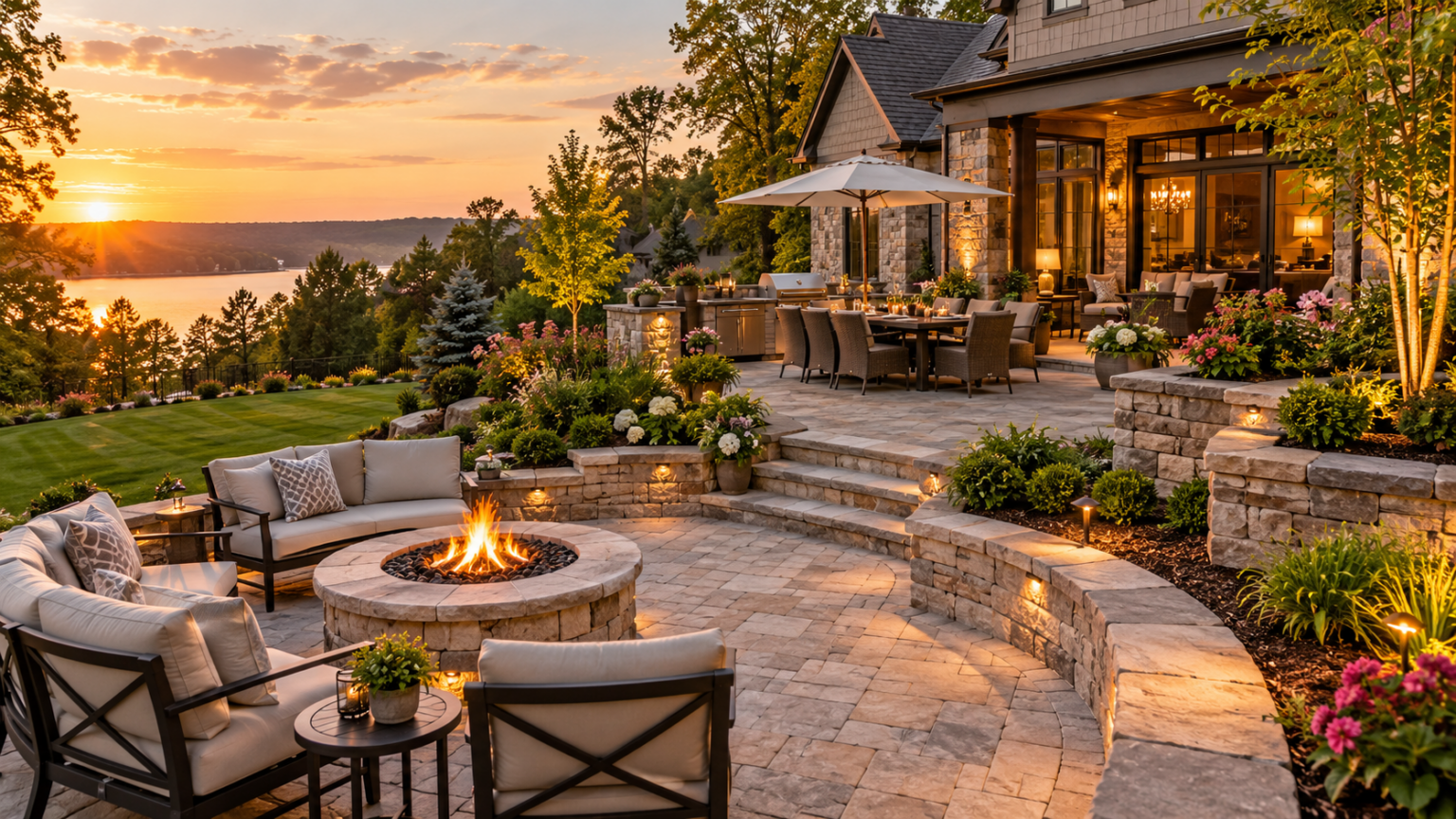
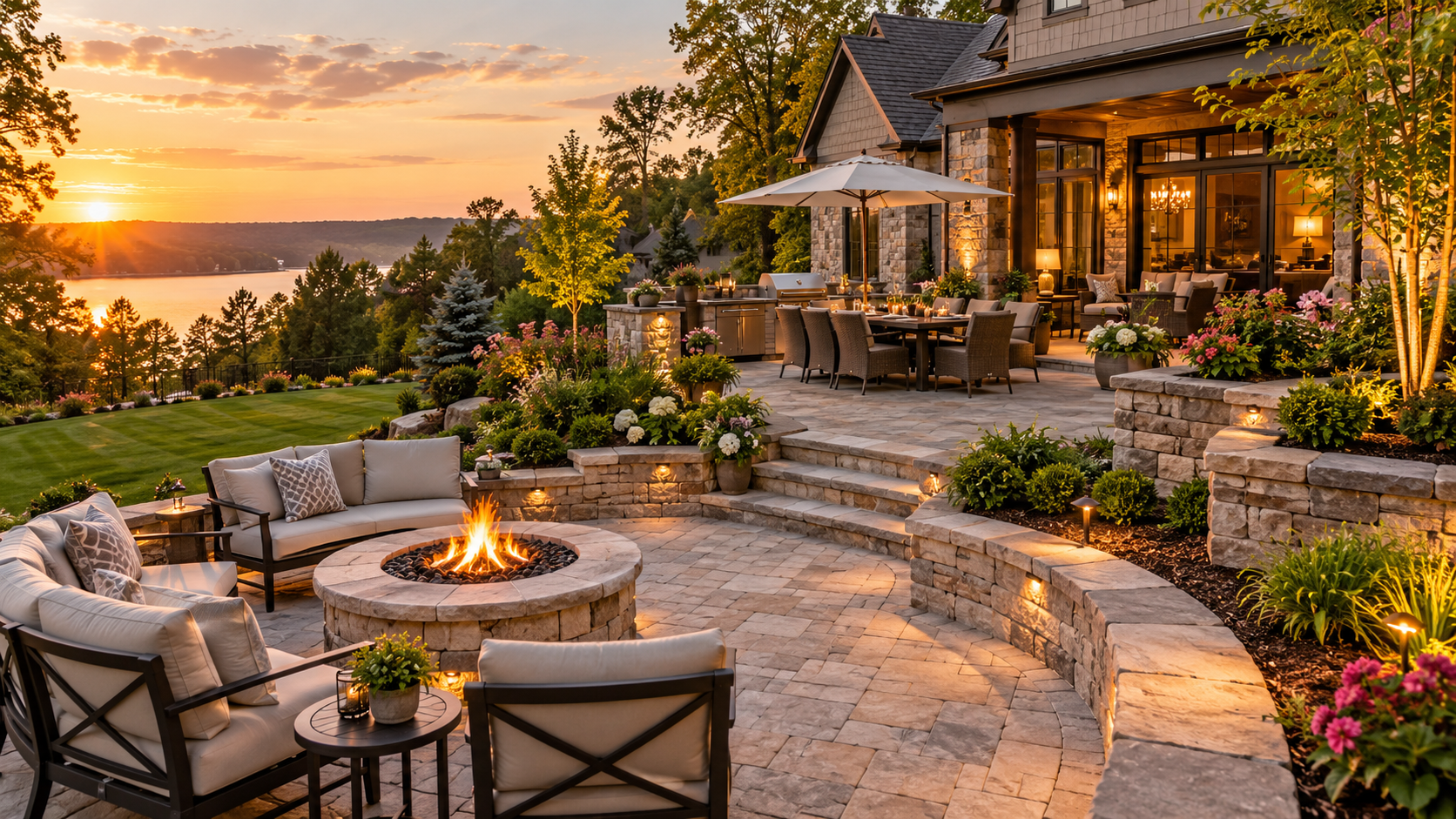
Common examples include patios, paved walkways, retaining walls, steps, outdoor kitchens, fire pits, and decorative stone borders.
These structures help define how people move through and use outdoor areas.
A paved walkway can connect a driveway to the front entrance, while a patio creates a designated space for dining or relaxation.
Hardscape elements can also support practical needs, such as managing elevation changes, controlling erosion, and improving accessibility.
Professional contractors typically evaluate the property’s layout, soil conditions, drainage, and intended use before recommending materials and construction methods.
Hardscaping vs. Landscaping: What’s the Difference?
Hardscaping and landscaping work together, but they serve different purposes.
Hardscaping refers to constructed features such as pavers, stone walls, patios, and outdoor steps.
Softscaping includes living elements such as grass, trees, shrubs, flowers, and garden beds.
For example, a backyard may feature a stone patio surrounded by flowering plants and ornamental grasses.
The patio provides a stable gathering area, while the vegetation adds color, shade, and natural texture.
A balanced design combines both elements to create an attractive and practical outdoor environment.
Benefits of Professional Hardscaping Services
Investing in outdoor construction can provide several advantages beyond appearance.
Create More Usable Outdoor Space
A well-designed patio or outdoor seating area extends everyday living beyond the interior of your home.
It provides space for entertaining guests, enjoying meals, or relaxing outside.
Improve Landscape Organization
Stone borders, pathways, and retaining walls help separate different sections of a yard.
These features can make outdoor spaces feel more organized and intentional.
Reduce Certain Maintenance Tasks
Replacing selected lawn areas with properly installed paving may reduce mowing and irrigation needs.
However, hardscapes still require cleaning, drainage maintenance, and occasional repairs.
Support Property Appeal
Attractive outdoor improvements can make a property more appealing to potential buyers.
Actual resale value depends on the local housing market, project quality, cost, and buyer preferences.
Address Practical Yard Problems
Professional hardscaping services may help manage slopes, improve walking surfaces, and direct runoff through properly designed drainage systems.
These functional benefits are particularly important for properties with uneven terrain or persistent water problems.
7 Popular Hardscaping Services for American Homes
Different projects solve different outdoor needs. Choosing the right combination can improve both appearance and functionality.

Paver patios create comfortable spaces for outdoor dining, entertaining, and relaxation. Concrete or natural stone pavers offer numerous design patterns, colors, and finishes.

2. Stone Walkways
Walkways connect entrances, gardens, patios, and driveways while providing defined walking routes. Materials should be selected for appropriate traction and durability.

3. Retaining Walls
Retaining walls hold back soil and help create usable areas on sloped properties. Taller or load-bearing walls may require engineered designs and permits.

4. Outdoor Fire Pits
A built-in fire pit creates a comfortable gathering area during cooler evenings. Location, ventilation, fire-resistant construction, and local fire regulations are essential.

5. Outdoor Kitchens
Outdoor kitchens may include grills, counters, storage, and dining areas. Electrical, plumbing, and gas installations should be handled by qualified professionals.

6. Paver Driveways
Driveway pavers provide decorative alternatives to traditional asphalt or poured concrete. Proper base construction must account for vehicle weight and local soil conditions.

7. Stone Steps and Landscape Lighting
Outdoor steps improve access between elevations, while appropriately positioned lighting makes pathways easier to navigate after dark.
Best Materials for Residential Hardscaping
The right material depends on climate, budget, desired appearance, and intended use.
Concrete Pavers
Concrete pavers are available in many shapes, sizes, and colors. Individual damaged units can sometimes be replaced without rebuilding the entire surface.
Natural Stone
Flagstone, bluestone, granite, and other natural stones provide unique textures and colors. Costs and installation requirements vary considerably by stone type.
Brick Pavers
Brick creates a traditional appearance that complements many American home styles. Choose products rated for the intended application and climate.
Poured Concrete
Poured concrete can create smooth patios, walkways, and outdoor seating areas. Decorative finishes may offer additional design options.
| Material | Appearance | Maintenance considerations |
|---|---|---|
| Concrete pavers | Modern or traditional | Joint care and occasional resetting |
| Natural stone | Rustic or elegant | Stone-specific cleaning and sealing |
| Brick pavers | Classic | Joint maintenance and cleaning |
| Poured concrete | Clean and versatile | Crack monitoring and surface upkeep |
| Permeable pavers | Various styles | Keep openings free of sediment |
How Much Do Hardscaping Services Cost?
Hardscaping prices vary significantly across the United States.
Project size, material quality, soil preparation, excavation, drainage, labor rates, accessibility, and permitting all affect the final estimate.
For preliminary budgeting, the following broad installed-cost ranges may be useful.
| Project | Illustrative budget range |
|---|---|
| Basic concrete patio | $8–$18 per sq. ft. |
| Concrete paver patio | $12–$30 per sq. ft. |
| Natural stone patio | $18–$45+ per sq. ft. |
| Decorative walkway | $12–$35 per sq. ft. |
| Retaining wall | $25–$75+ per face sq. ft. |
These are rough planning allowances, not verified local quotations. Major excavation, engineering, drainage, permits, and premium materials can increase costs substantially.
Request itemized proposals before making financial decisions.
Why Proper Drainage and Installation Matter
A beautiful patio can develop problems when its foundation is poorly prepared.
Professional installation generally involves evaluating the ground, excavating to the required depth, preparing a compacted base, and providing appropriate drainage.
The LSU AgCenter’s paver installation guide identifies design, underground utility location, and proper base preparation as important steps in building a successful patio.
LSU AgCenter
Compacted Base Preparation
The base helps distribute loads and reduce settling. Its required thickness depends on soil conditions, climate, and whether the surface supports pedestrians or vehicles.
Drainage and Grading
Patios should direct water away from buildings toward suitable drainage areas. A poorly graded surface can allow standing water or moisture near foundations.
Permeable paving can also help manage runoff where appropriate. The U.S. Environmental Protection Agency describes permeable pavement as a stormwater management option, although performance depends on design and site conditions.
US EPA
How to Choose the Right Hardscaping Contractor
Selecting a qualified contractor is one of the most important decisions in any outdoor renovation.
Start by reviewing examples of completed work. Look for projects involving materials, grades, and dimensions similar to yours.
Ask whether the contractor handles excavation, drainage, permitting, and installation directly or uses subcontractors.
Review Experience and Credentials
Check applicable licensing requirements, insurance coverage, and references.
For complex retaining walls, confirm whether engineering services are needed.
Request Detailed Written Estimates
A useful proposal should describe materials, dimensions, site preparation, drainage work, anticipated scheduling, and payment terms.
Avoid relying on verbal promises.
Check Local Experience
Regional climate matters. Hardscapes in New England must account for different conditions than projects in Arizona or Florida.
For example, Lassana’s Landscaping Inc. is associated with landscaping and hardscaping work in Massachusetts. Its accessible business information lists patios, walkways, retaining walls, and drainage solutions among its services, with service areas including Marblehead, Salem, Lynn, and nearby North Shore communities.
Full Service Landscape Design & Construction
+1
A contractor familiar with local soil, weather, and municipal requirements can provide recommendations suited to the property.
DIY Hardscaping vs. Professional Installation
Small decorative projects may be manageable for homeowners with appropriate tools and experience.
However, large patios, vehicle-bearing surfaces, retaining walls, and outdoor kitchens involve greater technical demands.
Professional hardscaping services can provide design guidance, specialized equipment, and installation experience.
Before any excavation, contact 811 and follow your state’s utility-marking requirements. Underground lines can present serious hazards when damaged during landscaping work.
michigan.gov
Homeowners should also confirm whether permits or homeowners association approvals are necessary.
Hardscape Maintenance Tips for Long-Lasting Results
Hardscape surfaces require periodic care.
Sweep patios and walkways to remove debris, and clean surfaces using methods approved for the material.
Inspect paver joints and replace missing joint material when necessary.
Monitor retaining walls for unexpected movement, bulging, or drainage problems.
Avoid using aggressive pressure washing methods that can damage stone finishes or remove joint sand.
During winter, select deicing products compatible with your paving materials.
Routine maintenance can help identify problems early and protect your outdoor investment.
Frequently Asked Questions About Hardscaping Services
What do hardscaping services include?
They commonly include patios, walkways, retaining walls, stone steps, driveways, outdoor kitchens, and fire pits. Some contractors also offer drainage and landscape design services.
How much does residential hardscaping cost?
Costs depend on materials, project dimensions, excavation, drainage, and labor. A detailed local estimate provides the most reliable budget.
What is the difference between hardscaping and landscaping?
Hardscaping uses constructed features such as stone and concrete. Landscaping also includes living elements such as lawns, shrubs, trees, and flowers.
Do hardscaping projects require permits?
Requirements vary by municipality. Retaining walls, outdoor structures, drainage modifications, and certain large projects may require permits or engineering review.
Which hardscaping material lasts the longest?
Durability depends on the material, installation quality, climate, and maintenance. Properly installed concrete, brick, and natural stone systems can provide long service lives.
Can hardscaping improve drainage?
Yes. Carefully planned grading, drains, and suitable permeable paving can help manage runoff. Drainage improvements must match site conditions.
What is the best time to install a patio?
Spring through fall is common in colder regions, although scheduling depends on weather, ground conditions, materials, and contractor availability.
Is professional hardscaping worth the investment?
Professional installation can be valuable for complicated projects requiring structural stability, accurate grading, and specialized construction methods. The value depends on the project and workmanship.
Conclusion
Professional hardscaping services can transform an ordinary backyard into a practical, attractive outdoor living area. From paver patios and decorative walkways to retaining walls, fire pits, and outdoor kitchens, these improvements create opportunities to enjoy your property in new ways.
The key to a successful project is thoughtful planning. Choose materials suited to your climate, prioritize proper drainage, and select experienced contractors who understand local installation requirements.
Although attractive finishes matter, the foundation beneath a hardscape is just as important to its long-term performance.
By comparing designs, reviewing detailed estimates, and maintaining finished surfaces, homeowners can create outdoor spaces that remain beautiful and functional for years.

Written by Twastia Editorial Team
Twastia Editorial Team shares practical insights about website design, SEO services, Google Ads, content marketing, social media, conversion rate optimization, and digital marketing strategy.
Last updated: Oct 24, 2026
Related posts from Twastia
Explore more useful articles from twastia.com about digital marketing, SEO, websites, ads, content, and growth strategy.