Learn More About Roofing: Best Guide to Materials, Repairs & Maintenance
Your roof is one of the most important structural components of your home. It protects your family, belongings, and interior […]
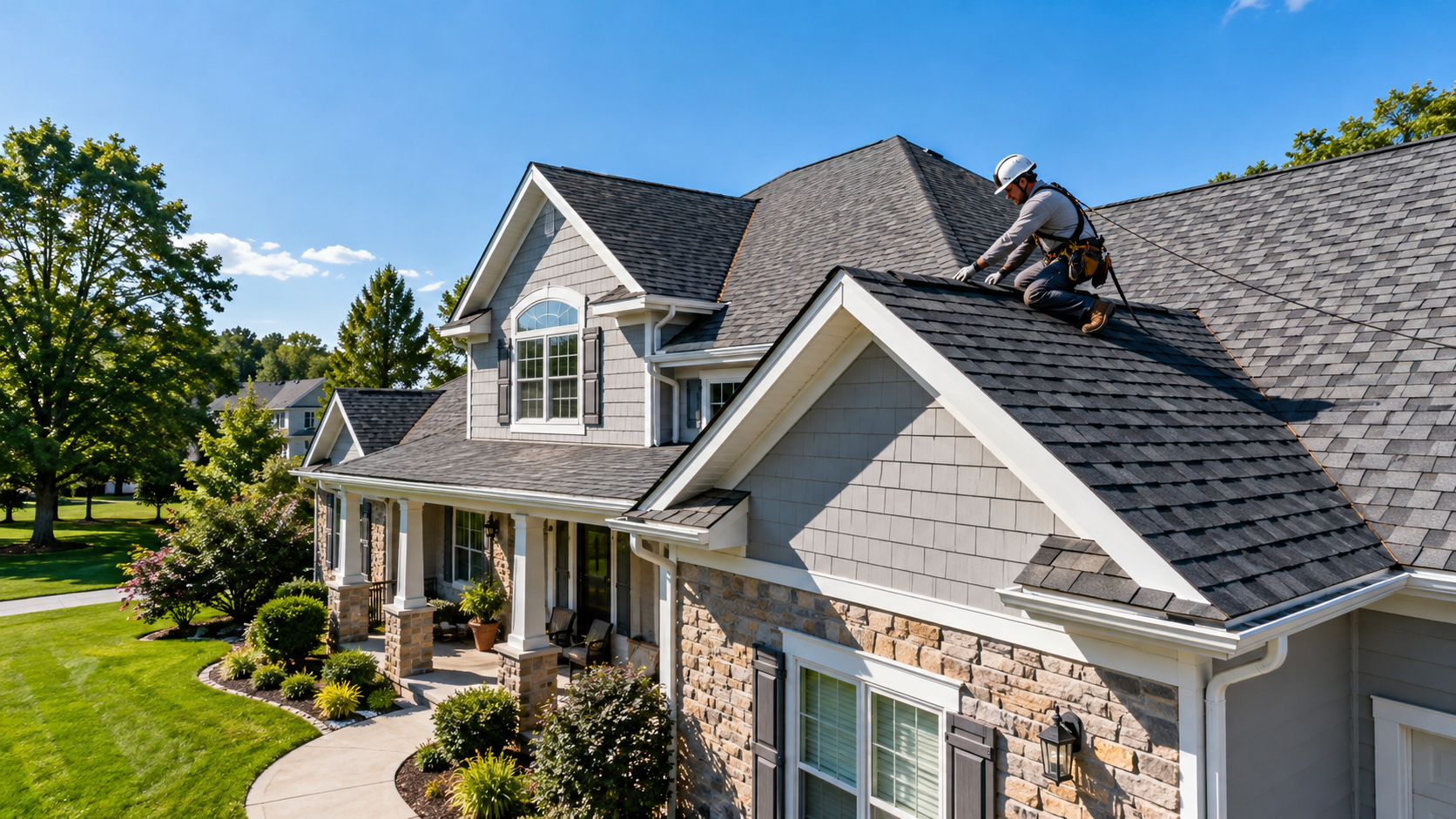
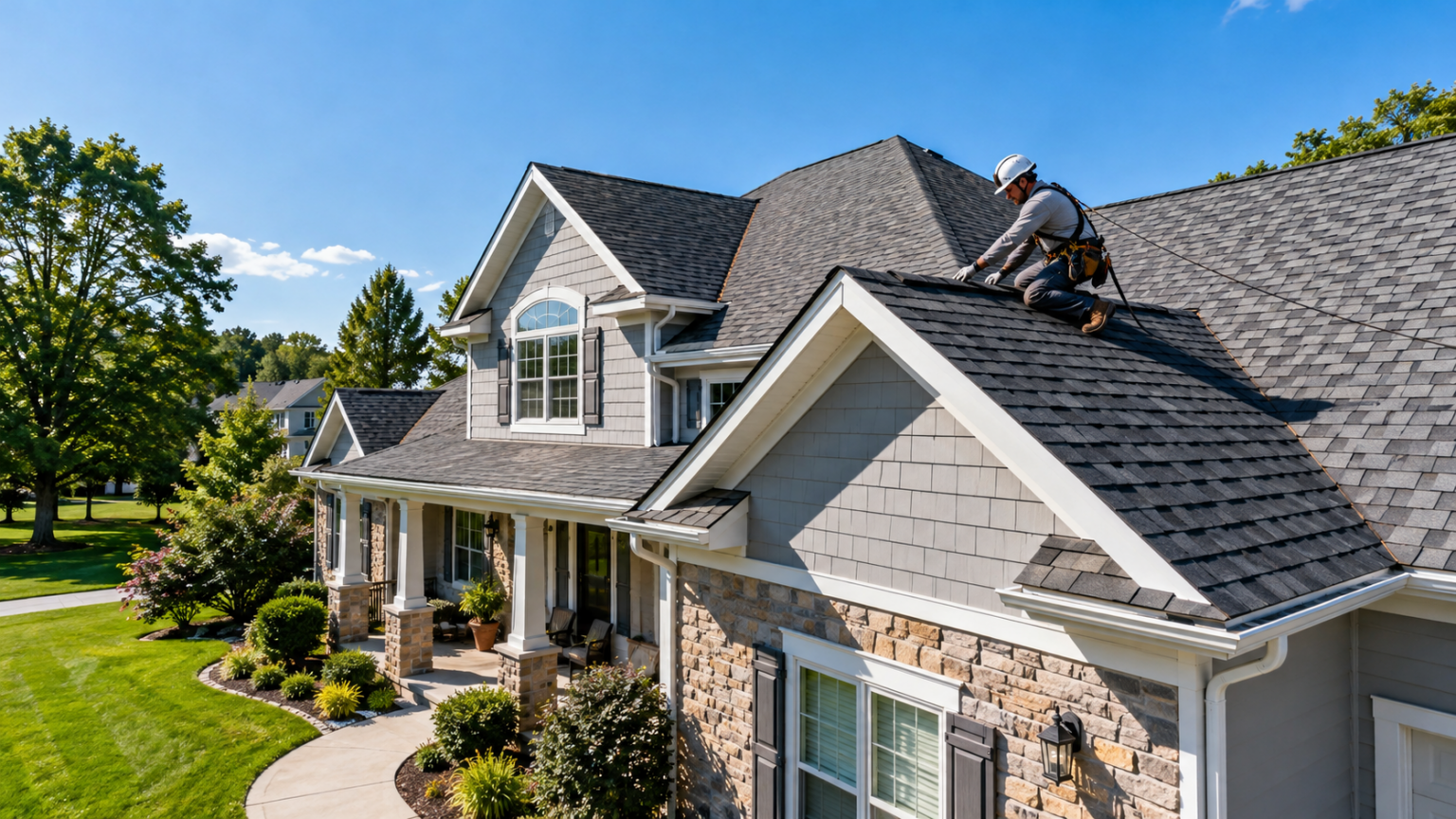
Your roof is one of the most important structural components of your home. It protects your family, belongings, and interior spaces from rain, snow, wind, sunlight, and changing temperatures. However, many homeowners rarely think about roofing until a leak appears or storm damage becomes visible.
If you want to learn more about roofing, understanding the basics can help you make informed decisions about repairs, maintenance, materials, and replacement.
Residential roofing systems consist of several interconnected components that work together to keep moisture out and protect the building. Shingles or metal panels provide an outer covering, while underlayment, flashing, ventilation, and drainage systems perform other essential functions.
Choosing the correct materials and maintaining them properly can help reduce unnecessary expenses and extend the useful life of your roof.
Whether you own an older home, recently purchased a property, or are planning a roof replacement, this comprehensive guide explains the most important roofing concepts, common problems, material choices, and professional services available to American homeowners.
What Is Roofing and Why Is It Important?
Roofing refers to the materials and construction systems installed over a building to provide protection from outdoor weather conditions.
A residential roof typically includes structural framing, roof decking, protective underlayment, roofing materials, flashing, and ventilation components.
Each element serves a particular purpose.
The roof covering resists weather exposure, while flashing protects vulnerable joints around chimneys, vents, and other roof penetrations.
Proper drainage directs rainwater away from the building.
According to the Insurance Institute for Business & Home Safety, a roof should be evaluated as a complete system rather than simply a collection of visible shingles.
ibhs.org
Understanding these components is useful when comparing installation estimates or discussing maintenance with a roofing contractor.
Different Types of Residential Roofing Materials
One of the first things homeowners should consider is the roofing material.
Each option offers different advantages involving durability, appearance, weight, cost, and maintenance.

Asphalt shingles are commonly used on American homes. They offer a wide selection of colors, relatively straightforward installation, and different performance grades. About

2. Metal Roofing
Steel and aluminum roofing systems can offer long service lives and strong weather resistance when properly designed and installed. Installation details vary by About product.

Natural slate provides a distinctive appearance and potentially long-lasting performance. Its weight and installation requirements make structural evaluation important.

4. Clay and Concrete Tile About Roofing
Tile roofs are popular in Mediterranean-inspired architecture and warmer regions. They require suitable structural support and careful installation.
How to Choose the Best Roofing Material
The right roofing material depends on more than appearance.
Your regional climate, home structure, budget, and local building requirements should influence the decision.
Consider Weather Conditions
Homes in coastal regions may face strong winds and salt exposure.
Properties in northern states may experience snow accumulation, ice dams, and repeated freezing temperatures.
In hail-prone regions, impact resistance is another important consideration.
Compare Expected Service Life
Different roofing products have different expected service lives.
Actual performance depends on installation quality, exposure, ventilation, maintenance, and manufacturer specifications.
Evaluate Structural Requirements
Some roofing materials weigh significantly more than others.
Before switching from asphalt shingles to slate or heavy tile, obtain an appropriate structural assessment.
Common Roofing Problems Homeowners Should Recognize
Roof damage often begins with small warning signs.
Identifying problems early can help prevent more extensive moisture intrusion and deterioration.
Missing or Damaged Shingles
Wind, hail, aging, and installation defects can cause shingles to crack, lift, or become displaced.

Damaged Roofing Shingles
Cracked, curled, or missing shingles may expose underlying roofing components to moisture. Arrange an inspection before leaks become more serious.
Roof Leaks and Water Stains
Water stains on ceilings, damp attic insulation, or peeling interior paint can indicate moisture problems.
However, the visible stain may not be directly beneath the entry point.
A professional inspection helps identify the source.
Damaged Flashing
Metal flashing protects vulnerable areas around chimneys, skylights, vents, and roof intersections.
Loose or corroded flashing can allow water to reach the roof deck.
Poor Roof Drainage
Blocked gutters, overflowing downspouts, and debris-filled roof valleys may prevent water from draining correctly.
When you learn more about roofing, drainage maintenance is one of the most important preventive topics to understand.
Why Regular Roof Inspections Are Important
Routine inspections help identify roof deterioration before it develops into extensive damage.
The National Roofing Contractors Association recommends inspecting residential roofs at least twice annually, preferably in spring and fall, with additional checks after severe weather.
nrca.net
A professional inspection may include examining shingles, flashing, roof valleys, ventilation openings, and gutters.
Homeowners can also observe visible roof conditions from the ground and check attic spaces for moisture stains.
Avoid walking on your roof without appropriate training and fall protection.
Essential Roof Maintenance Tips for Homeowners
Consistent maintenance can reduce avoidable roofing problems and support long-term performance.

1. Keep Gutters Clean
Clear leaves and debris so rainwater can drain properly. Inspect for overflowing, sagging, or damaged gutter sections.

2. Trim Overhanging Trees
Remove hazardous branches that could fall onto the roof during storms. Use qualified tree professionals for elevated work.

3. Inspect Roof Flashing
Look for visible separation, corrosion, or damaged seals around roof penetrations. Have suspicious areas examined professionally.

4. Check Attic Conditions
Watch for damp insulation, discoloration, condensation, or blocked ventilation openings. Correcting the underlying cause is essential.
Learning how to maintain your roof helps protect both the roofing materials and the surrounding structure.
Understanding Roof Gutters and Eavestroughs
Gutters collect rainwater from roof edges and direct it toward downspouts.
In Canada, gutters are commonly called eavestroughs.
A functioning drainage system helps reduce water exposure around fascia boards, exterior walls, landscaping, and foundations.
For readers who want to learn more about roofing and eavestrough services, D’Angelo & Sons provides a detailed overview of gutter repairs, installations, cleaning, and roofing-related work in Brantford, Ontario.
The company’s published service page discusses seamless gutters, gutter guards, downspout alignment, and several gutter materials, including aluminum, steel, copper, and vinyl.
D’Angelo & Sons
Although this company serves a Canadian market, the basic principles of roof drainage apply to American homes as well.
When Should Gutters Be Replaced?
Minor leaks, loose brackets, or localized damage may be repairable.
However, extensive corrosion, repeated separation, poor alignment, or severe deterioration may justify replacement.
Have the complete drainage system assessed before committing to a major project.
Roof Repair vs. Roof Replacement
Not every roofing problem requires complete replacement.
A small area of missing shingles or damaged flashing may be suitable for localized repairs.
However, widespread deterioration, recurring leaks, or serious decking problems may indicate the need for a more extensive solution.
| Factor | Roof repair | Roof replacement |
|---|---|---|
| Damage extent | Localized | Widespread |
| Existing roof condition | Generally serviceable | Significantly deteriorated |
| Project scope | Targeted sections | Entire roofing assembly or covering |
| Initial expense | Often lower | Usually higher |
| Long-term suitability | Depends on remaining roof life | Provides a new roof covering |
A qualified roofing contractor can evaluate whether repairs are practical.
When comparing proposals, consider both immediate expenses and the expected remaining service life.
How Much Does Roofing Cost in the USA?
Roofing costs depend on home size, roof complexity, material selection, labor, geographic location, and necessary structural repairs.
Steep roofs, complicated intersections, and difficult access can increase installation costs.
Roofing estimates may also include old-material removal, underlayment, flashing, ventilation improvements, and disposal.
Instead of relying on a universal price per square foot, obtain several written local estimates based on a consistent scope of work.
Make sure contractors explain material specifications, warranty coverage, and potential additional charges for damaged decking.
This approach makes bids easier to compare and reduces unexpected expenses.
Energy-Efficient Roofing Options
Roofing materials can influence how much solar heat enters a building.
Reflective roofing products, often called cool roofs, are designed to reflect more sunlight than conventional alternatives.
The U.S. Department of Energy explains that cool roof products may use reflective coatings, membranes, tiles, or shingles. Their benefits depend on climate and building conditions.
The Department of Energy’s Energy.gov
Homeowners should also consider attic insulation, air sealing, and appropriate ventilation.
Energy-efficient roofing is most effective when evaluated as part of the complete building system rather than as a standalone product.
How to Choose a Reliable Roofing Contractor
Hiring an experienced roofing professional can make a significant difference in installation quality and long-term performance.
Start by checking applicable licensing requirements, insurance coverage, references, and previous work.
Ask potential contractors which roofing products they recommend and why those materials suit your climate.
Compare Written Estimates
Request estimates that clearly describe materials, labor, installation procedures, project schedules, and payment terms.
The Federal Trade Commission recommends researching contractors, checking credentials, obtaining multiple written estimates, and reviewing contracts before agreeing to home improvement work.
Consumer Advice
Understand Roofing Warranties
Material warranties and workmanship warranties are not necessarily the same.
Read exclusions carefully and ask about installation requirements, registration, maintenance obligations, and claim procedures.
Avoid High-Pressure Sales Tactics
Be cautious of contractors demanding immediate decisions or large upfront cash payments.
Roofing scams can become more common after severe storms, when homeowners urgently need repairs.
How to Protect Your Roof From Storm Damage
Strong winds, hail, heavy rain, and falling branches can damage roofing systems.
The Insurance Institute for Business & Home Safety explains that wind can lift vulnerable shingles and create pathways for water intrusion.
ibhs.org
Before storm season, arrange repairs for known roofing problems and remove hazardous tree branches.
After severe weather, inspect visible roof areas safely from the ground.

Post-Storm Roof Inspection
Check for missing shingles, fallen branches, displaced gutters, and interior water stains. Arrange professional assessment when damage is suspected.
Document visible damage with photographs when it is safe to do so.
Avoid climbing onto a wet or unstable roof.
Frequently Asked Questions About Residential Roofing
What should homeowners know about roofing?
Homeowners should understand basic roofing materials, drainage systems, common warning signs, maintenance requirements, and when professional repairs are necessary.
How often should a roof be inspected?
A common professional recommendation is twice annually, with additional inspections following major storms or suspected damage.
How long does an asphalt shingle roof last?
Service life depends on product quality, climate, installation, ventilation, and maintenance. Many asphalt shingle roofs last roughly 20–30 years, although actual performance varies.
What causes roof leaks?
Common causes include damaged shingles, failed flashing, deteriorated seals, installation defects, and moisture entering through vulnerable roof intersections.
Is metal roofing better than asphalt shingles?
Neither material is universally better. Metal can offer long service life, while asphalt shingles are often more economical initially. Climate, budget, and construction requirements influence the decision.
Can clogged gutters damage a roof?
Yes. Clogged gutters may cause water overflow or backup near vulnerable roof edges, increasing moisture-related problems.
Should I repair or replace my roof?
The decision depends on damage severity, the condition of existing materials, repair history, and expected remaining service life.
Can homeowners repair their own roofs?
Roofing work involves significant fall and installation hazards. Most repairs should be completed by trained professionals, especially on steep or damaged roofs.
Conclusion
Taking time to learn more about roofing can help homeowners make better decisions about maintenance, repairs, material selection, and replacement.
A reliable roof depends on more than visible shingles. Proper underlayment, flashing, ventilation, drainage, and professional installation work together to protect a home’s interior.
Regular inspections, clean gutters, timely repairs, and attention to storm damage can reduce avoidable problems.
When major roofing work becomes necessary, compare qualified contractors, review written estimates, and select materials suited to your local climate.
Understanding these fundamentals can help protect your home, maintain its appearance, and support the long-term performance of your roofing system.

Written by Twastia Editorial Team
Twastia Editorial Team shares practical insights about website design, SEO services, Google Ads, content marketing, social media, conversion rate optimization, and digital marketing strategy.
Last updated: Oct 24, 2026
Related posts from Twastia
Explore more useful articles from twastia.com about digital marketing, SEO, websites, ads, content, and growth strategy.