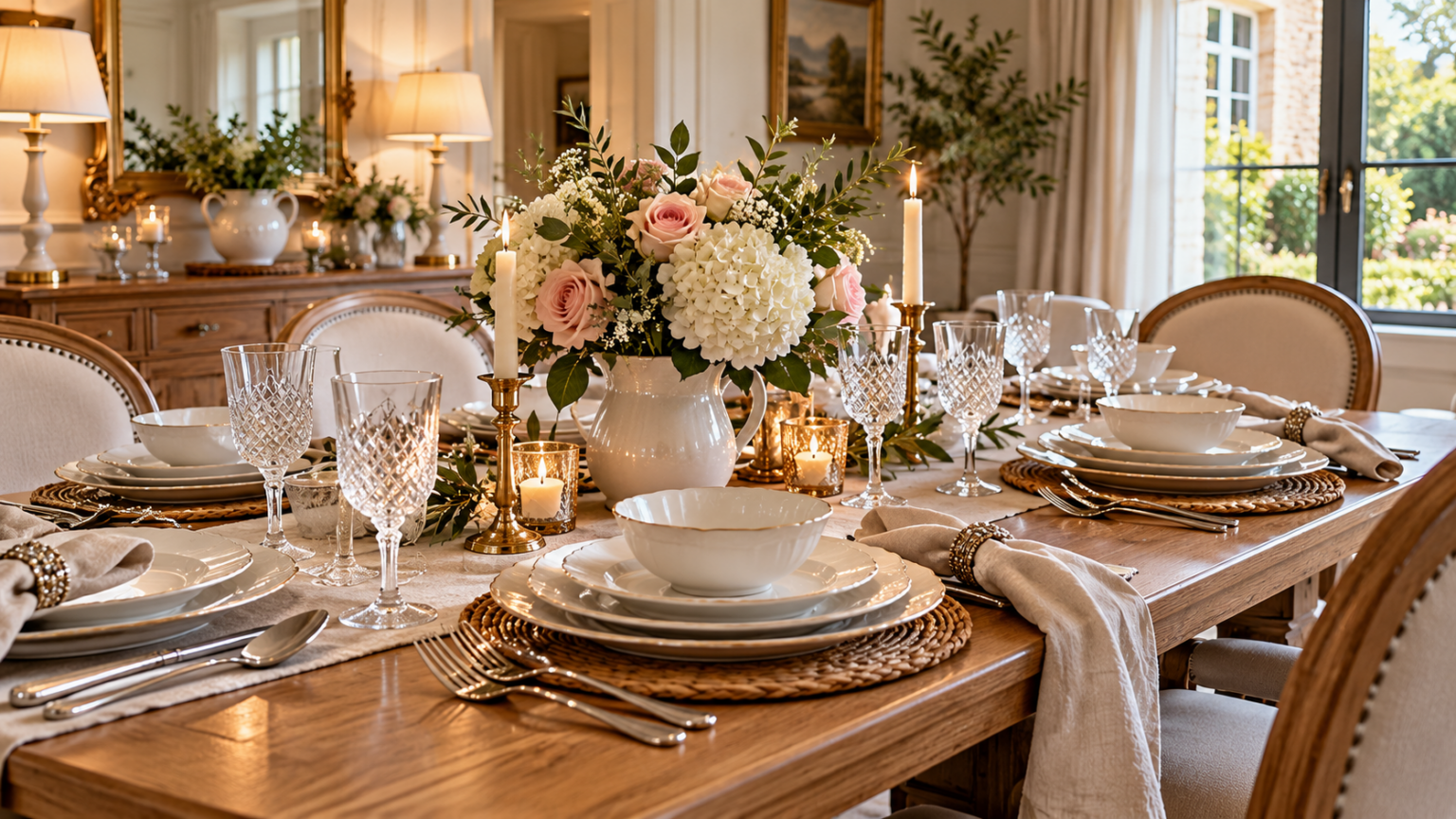
French Dinnerware: Best Styles, Materials & Buying Guide for Elegant Dining
A beautifully arranged dining table can turn an ordinary meal into a memorable experience. From family dinners to special celebrations, […]
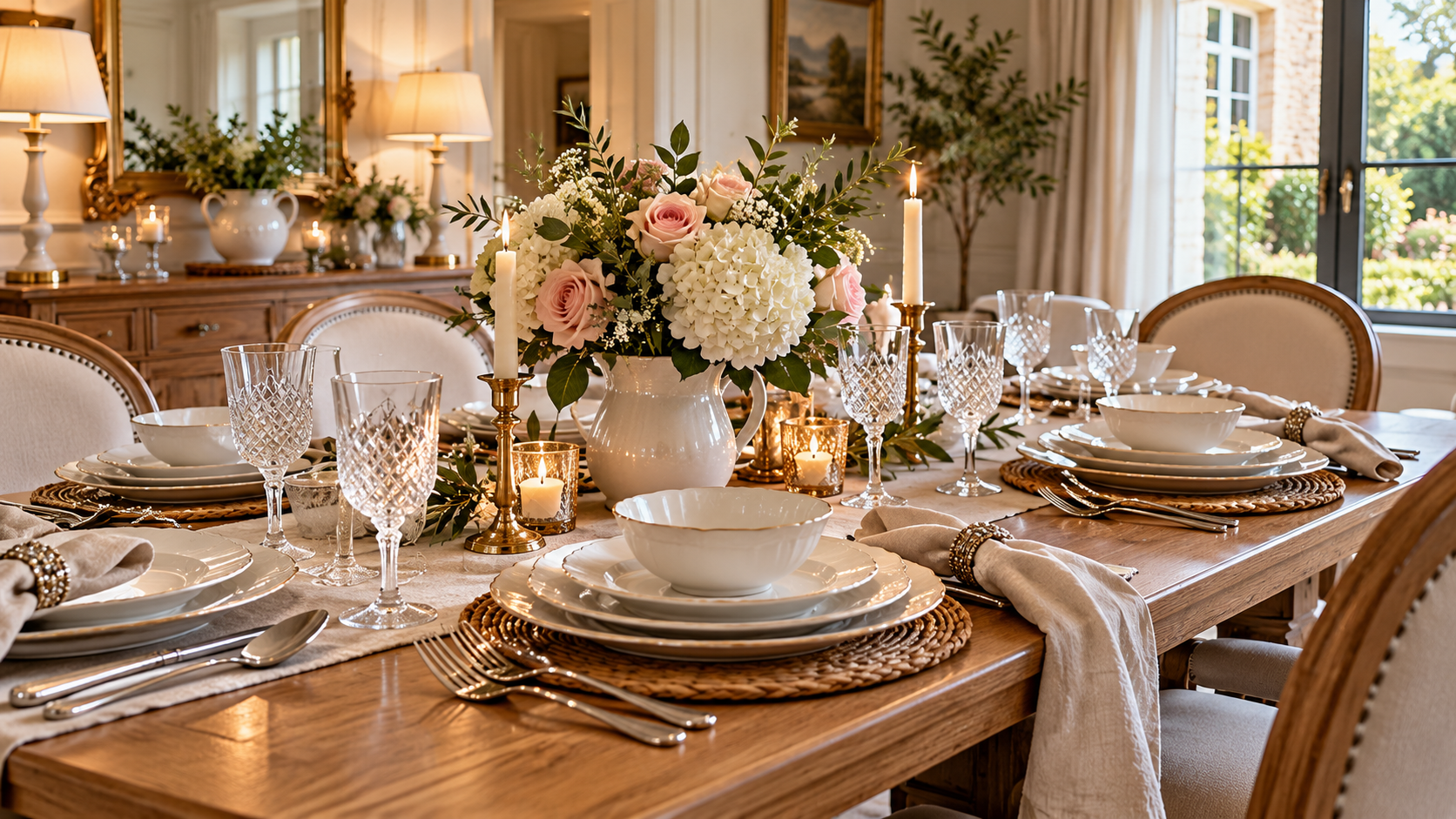
A beautifully arranged dining table can turn an ordinary meal into a memorable experience. From family dinners to special celebrations, the plates, bowls, and serving dishes you choose influence how food looks and how guests experience the occasion.
French dinnerware is admired for its combination of thoughtful design, traditional craftsmanship, and practical functionality. Whether you prefer classic white porcelain, rustic countryside ceramics, or modern textured plates, French tableware offers styles suited to both everyday meals and formal entertaining.
France has a long history of ceramic production, with manufacturers developing distinctive shapes, glazing techniques, and artistic finishes over generations.
Today, French porcelain continues to attract homeowners, interior designers, chefs, and restaurants around the world.
For American shoppers, choosing the right dinnerware involves more than selecting beautiful pieces. Durability, material composition, dishwasher compatibility, storage space, and replacement availability are equally important.
This guide explores popular French dinnerware styles, material differences, famous craftsmanship traditions, buying considerations, and practical care tips to help you create an attractive and functional table.
What Is French Dinnerware?
French dinnerware refers to plates, bowls, dishes, and related tableware made in France or designed in recognizable French styles.
Traditional French tableware often emphasizes balanced proportions, refined finishes, and a combination of decorative and practical qualities.
However, French dining aesthetics are not limited to ornate porcelain.
Modern French collections may feature simple silhouettes, matte surfaces, irregular edges, and contemporary colors.
Common dinnerware pieces include dinner plates, salad plates, soup bowls, dessert dishes, serving platters, and specialized culinary accessories.
Some collections are intended primarily for home dining, while others are developed for professional restaurants and hospitality settings.
For buyers seeking authentic French manufacturing, checking the product’s country of origin is essential because French-inspired design does not necessarily mean the item was produced in France.
The History of French Porcelain and Tableware
France’s ceramic heritage includes centuries of pottery, porcelain manufacturing, and artistic innovation.
Different regions became known for their materials, decorative traditions, and production techniques.
One longstanding French porcelain manufacturer is Revol, a family-owned company founded in 1768.
Its first workshop was established by Pierre Revol and Magdeleine Carrier in Ponsas, in France’s Drôme region. The company has remained connected to French ceramic manufacturing across generations.
revol1768.com
Revol continues to produce porcelain in Saint-Uze, combining traditional ceramic knowledge with contemporary design.
Its history demonstrates how French manufacturers have adapted classic tableware craftsmanship for modern kitchens and international hospitality.
The appeal of French dinnerware comes partly from this continuity between heritage and innovation.
Why French Dinnerware Is Popular in American Homes
French tableware can complement many American interior design styles, from traditional dining rooms to minimalist apartments.
Timeless Visual Appeal
Classic porcelain designs can remain visually relevant even as furniture and decorating trends change.
Simple white plates, for example, work with numerous table linens, centerpieces, and seasonal decorations.
Different Design Choices
French collections range from delicate, formal patterns to bold contemporary designs.
This variety helps homeowners find pieces suitable for personal tastes.
Everyday Versatility
Some porcelain collections are designed for frequent restaurant use, making them practical candidates for home dining.
However, durability varies by manufacturer and individual product.
Attractive Food Presentation
The shape, color, and finish of a plate can influence how a meal is presented.
Professional chefs frequently select dinnerware that complements the food without distracting from it.
6 Popular Types of French Dinnerware
Choosing individual pieces becomes easier when you understand how they fit into everyday dining.

1. French Porcelain Dinner Plates
Dinner plates provide the foundation for most place settings. Classic white styles offer flexibility, while decorative plates can introduce color and personality.

2. Soup and Pasta Bowls
Deep or shallow bowls accommodate soups, pasta, salads, and grain-based dishes. Wide-rimmed designs can also create a restaurant-inspired presentation.

3. Dessert and Side Plates
Smaller plates are useful for appetizers, pastries, bread, and desserts. They can coordinate with dinner plates or provide a contrasting accent.

4. Serving Platters
Platters help present shared dishes, roasted vegetables, appetizers, and main courses. Oval and rectangular styles offer different presentation possibilities.

5. Ramekins and Specialty Dishes
Small ceramic dishes are useful for sauces, desserts, appetizers, and individual portions. Oven use depends on the manufacturer’s specifications.

6. Cups and Saucers
Coordinated cups and saucers complete breakfast tables and after-dinner coffee service. They also make attractive additions to a curated collection.
French Porcelain vs. Stoneware vs. Earthenware
Not all French dinnerware uses the same ceramic material.
Understanding the differences can help you compare appearance, durability, and maintenance.
| Material | General characteristics | Common uses |
|---|---|---|
| Porcelain | Dense ceramic body, often smooth and refined | Formal and everyday dining |
| Stoneware | Durable ceramic with varied textures and finishes | Casual and contemporary table settings |
| Earthenware | Often more porous beneath its glaze | Traditional decorative or casual dinnerware |
| Specialized culinary porcelain | Engineered for particular cooking and serving applications | Oven-to-table dishes and professional dining |
Porcelain
Porcelain generally combines refined appearance with a dense fired ceramic structure.
It can be produced with glossy, satin, or other finishes.
Stoneware
Stoneware is popular for earthy colors, handcrafted appearances, and textured surfaces.
Its durability depends on the manufacturing process and glazing quality.
Earthenware
Earthenware may feature colorful glazes and traditional decorative styles.
Because the underlying ceramic can be more porous, proper care and intact glazing matter.
No material is automatically the best choice for every household.
Choose according to how frequently you entertain, the dishes you prepare, and the care requirements you are comfortable following.
How to Choose the Best French Dinnerware for Your Home
The right collection should suit your lifestyle as well as your preferred decorating style.
Consider Your Dining Habits
For everyday family meals, prioritize manageable weight, practical dimensions, and easy cleaning.
For special occasions, decorative finishes and presentation pieces may be more important.
A household that regularly hosts guests may benefit from purchasing additional place settings or versatile serving dishes.
Choose the Right Size
Measure your kitchen cabinets, dishwasher racks, and dining table before purchasing oversized plates.
Some modern dinnerware features wide rims or unusually shaped pieces that require additional storage space.
Check Product Care Instructions
Look for clear manufacturer information about dishwasher, microwave, freezer, and oven suitability.
Do not assume all porcelain items share the same temperature limits.
Balance Quality and Budget
Premium dinnerware may cost more because of manufacturing techniques, design complexity, materials, and brand positioning.
Rather than purchasing a large set immediately, consider building a coordinated collection gradually.
French Dinnerware Styles for Different Interiors
French tableware can work with several decorating approaches.

French Country Style
Cream-colored ceramics, soft blue accents, natural linen, and rustic wooden furniture create a relaxed farmhouse atmosphere.

Modern Minimalist Style
Smooth silhouettes, restrained colors, and contemporary plate shapes complement modern American kitchens and dining rooms.

Classic French Elegance
White porcelain, polished cutlery, crystal glassware, and simple floral arrangements create a refined setting for formal occasions.
The goal is not to reproduce a restaurant or magazine setting exactly.
Instead, use French dinnerware as the starting point for a table that reflects your own home.
Exploring French Dinnerware Collections by Revol
For shoppers interested in authentic French craftsmanship, Revol French porcelain dinnerware offers an example of a manufacturer combining historical techniques with contemporary designs.
The company produces more than twenty porcelain tableware collections in France, including several distinctive styles for dining and serving.
revol1768.com
French Classics Collection
Revol’s French Classics collection draws inspiration from French culinary traditions.
It includes items such as ramekins, individual serving dishes, and traditional presentation pieces.
The collection emphasizes timeless styling and practical tableware rooted in French gastronomy.
REVOL Manufacture
Contemporary Collections
Revol also offers collections including Equinoxe, Caractère, Solstice, Yli, and Froissé.
These ranges explore different shapes, textures, colors, and presentation styles.
Exclusively designed & made in France
The Solstice collection includes dramatic surface designs, while Froissé is associated with the distinctive appearance of crumpled ceramic tumblers.
Buyers should review individual product specifications because features, availability, and suitability differ between collections.
How to Set an Elegant French-Inspired Dining Table
Creating an attractive table does not require complicated decorations.
Start with clean, coordinated dinner plates and add smaller side plates where needed.
Place glassware and cutlery according to the meal being served.
Use linen napkins, simple flowers, or candles to add visual interest without overcrowding the table.

Layered French Table Setting
Combine complementary plates, simple linens, and restrained decorations. Leave enough space for guests to dine comfortably.
For a casual lunch, ceramic bowls and rustic serving platters may create a welcoming atmosphere.
For formal dinners, matching porcelain plates and coordinated glassware can provide a more polished appearance.
Avoid excessive decorations that make serving food difficult.
How to Care for French Porcelain Dinnerware
Proper maintenance helps preserve the appearance and functionality of your collection.
Follow Manufacturer Instructions
Some porcelain collections are dishwasher-safe, while delicate finishes or decorative details may require handwashing.
Always follow the individual product’s instructions.
Prevent Chipping
Avoid stacking heavy plates carelessly.
Use protective separators when storing valuable or delicate dinnerware.
Avoid Sudden Temperature Changes
Extreme temperature changes may damage ceramic products that are not designed for thermal shock.
Never place a cold dish directly into a hot oven unless the manufacturer permits that use.
Clean Stains Gently
Use mild dishwashing products and nonabrasive cleaning tools.
For persistent marks, follow manufacturer-approved cleaning guidance rather than using harsh chemical treatments.
Inspect for Damage
Check regularly for cracks, chips, and deteriorated glazing.
Discontinue food use if damage could create sharp edges, trap contamination, or compromise the piece.
Is French Dinnerware Worth the Investment?
Quality dinnerware can provide both practical and aesthetic benefits.
Well-chosen pieces may remain useful for years when handled and maintained correctly.
However, higher prices do not always guarantee greater durability.

Investing in Quality Tableware
Compare craftsmanship, finish, replacement availability, care instructions, and everyday usability before deciding what represents good value.
American buyers should also consider shipping charges, replacement availability, and return conditions for imported tableware.
Start with essential pieces and expand the collection as your needs become clearer.
Frequently Asked Questions About French Dinnerware
What makes French dinnerware special?
French dinnerware is often associated with long-established ceramic manufacturing traditions, refined design, and a wide variety of decorative styles. Many French manufacturers combine historical craftsmanship with modern production techniques.
Is French porcelain good for everyday use?
Yes. Many porcelain collections are designed for regular dining. However, durability, dishwasher suitability, and care requirements depend on the specific product.
What is the difference between French porcelain and stoneware?
Porcelain generally has a dense, refined ceramic body, while stoneware often features heavier construction and textured finishes. Both materials can be appropriate for everyday dining.
Are French dinnerware sets dishwasher-safe?
Some are, but not every collection. Check the manufacturer’s care instructions, especially for pieces with decorative finishes, metallic accents, or unusual glazing.
Which French dinnerware brands should I consider?
Revol is one established French porcelain manufacturer worth exploring. Compare different brands and collections based on manufacturing origin, design, intended use, care requirements, and budget.
Can French porcelain go in the oven?
Certain culinary porcelain products are designed for oven use. Ordinary dinner plates and decorative pieces should not be placed in an oven unless the manufacturer specifically approves it.
How many French dinnerware place settings should I buy?
A household of four may find six to eight place settings practical, depending on entertaining habits and dishwasher frequency. Additional pieces can be purchased for larger gatherings.
Where can I buy authentic French dinnerware in the USA?
American shoppers can explore authorized retailers, specialty tableware stores, and manufacturers offering U.S. purchasing options. Verify country of manufacture, return policies, and product availability before ordering.
Conclusion
French dinnerware combines attractive design, cultural heritage, and practical dining functionality. From timeless white porcelain to contemporary textured plates and traditional ceramic serving dishes, French tableware offers choices for many American households.
The key to finding the right collection is balancing appearance with everyday requirements.
Consider material quality, plate dimensions, cleaning instructions, durability, and the way you normally serve meals.
Manufacturers such as Revol demonstrate how established French porcelain craftsmanship can continue to influence modern dining experiences.
Whether you’re updating your everyday dishes, preparing for special occasions, or creating a French-inspired dining room, carefully selected dinnerware can make meals feel more inviting.
With proper care and thoughtful coordination, a quality collection can remain an enjoyable part of your table for years.

Written by Twastia Editorial Team
Twastia Editorial Team shares practical insights about website design, SEO services, Google Ads, content marketing, social media, conversion rate optimization, and digital marketing strategy.
Last updated: Oct 25, 2026
Related posts from Twastia
Explore more useful articles from twastia.com about digital marketing, SEO, websites, ads, content, and growth strategy.