how to digitize buildings: Best Smart Building Guide
Managing a commercial building involves much more than keeping the lights on and maintaining a comfortable indoor temperature. Facility teams […]
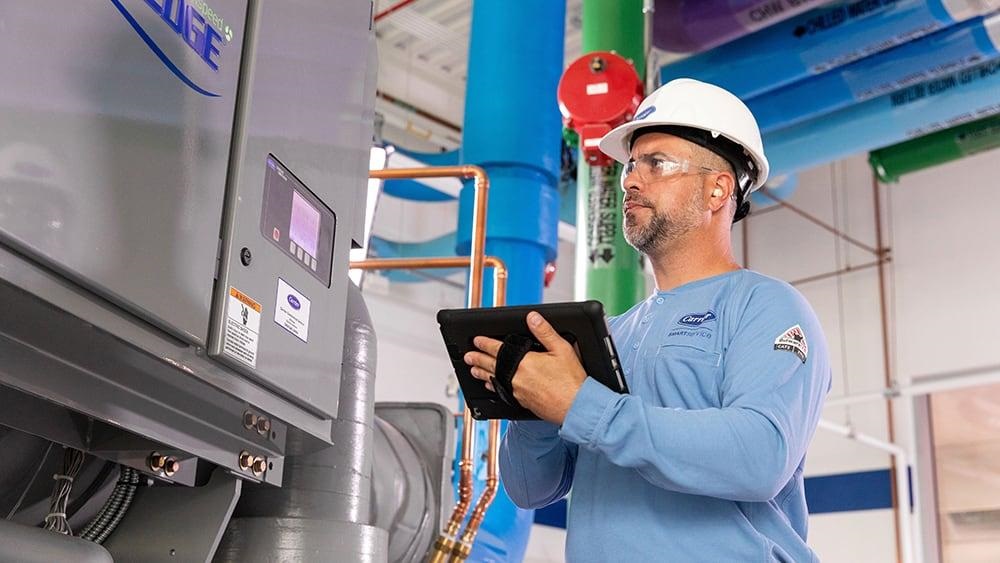
Managing a commercial building involves much more than keeping the lights on and maintaining a comfortable indoor temperature. Facility teams must monitor heating and cooling equipment, energy consumption, maintenance requests, occupancy patterns, and everyday operational problems.
In many properties, this information is scattered across separate systems. Engineers may need to check several dashboards, spreadsheets, and equipment interfaces just to understand how a building is performing.
Learning how to digitize buildings helps owners and facility managers bring that information together and make better operational decisions.
Building digitization connects physical equipment with digital systems that collect, organize, analyze, and sometimes act on operational data. Instead of responding only when something breaks, building teams can identify problems earlier and plan improvements.
For U.S. commercial property owners, this approach can support energy management, equipment reliability, sustainability reporting, and portfolio oversight.
This guide explains the technologies involved, the implementation process, important cybersecurity considerations, and how platforms such as Switch Automation support connected building operations.
What Does It Mean to Digitize a Building?
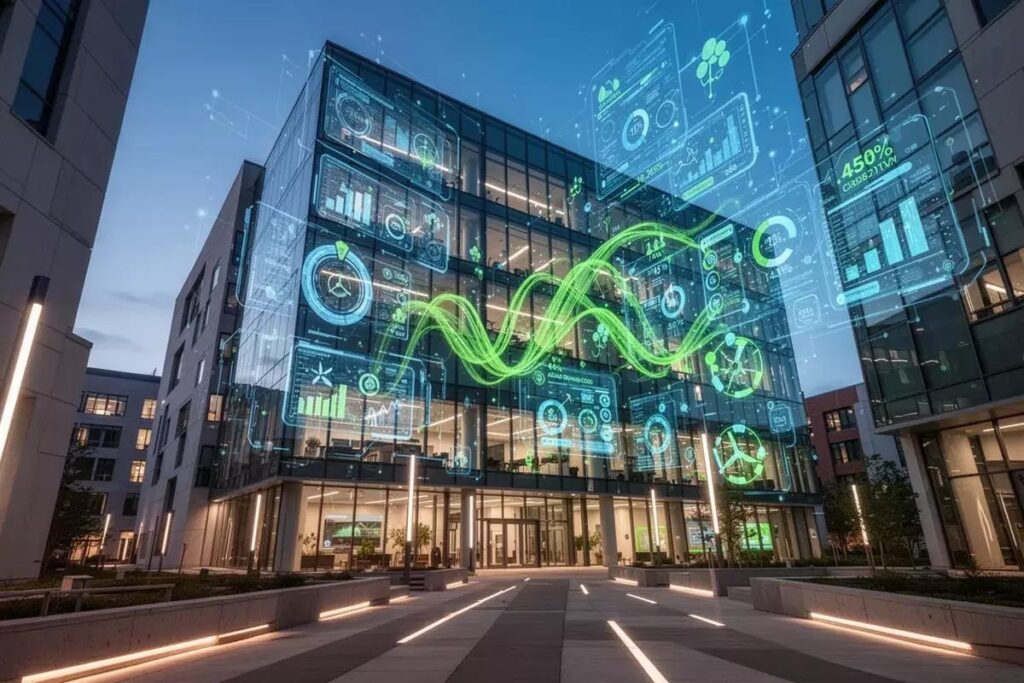
Building digitization means creating accessible, structured digital information about a property’s equipment, systems, conditions, and operational performance.
This information may include temperature readings, electricity consumption, equipment status, occupancy patterns, and maintenance records.
From Traditional Buildings to Connected Buildings
Older properties may have separate heating, lighting, security, and utility management systems.
These systems can operate effectively on their own but may provide limited information to other applications.
Digitization connects relevant sources so facility teams can review building operations more efficiently.
Digitization vs. Building Automation
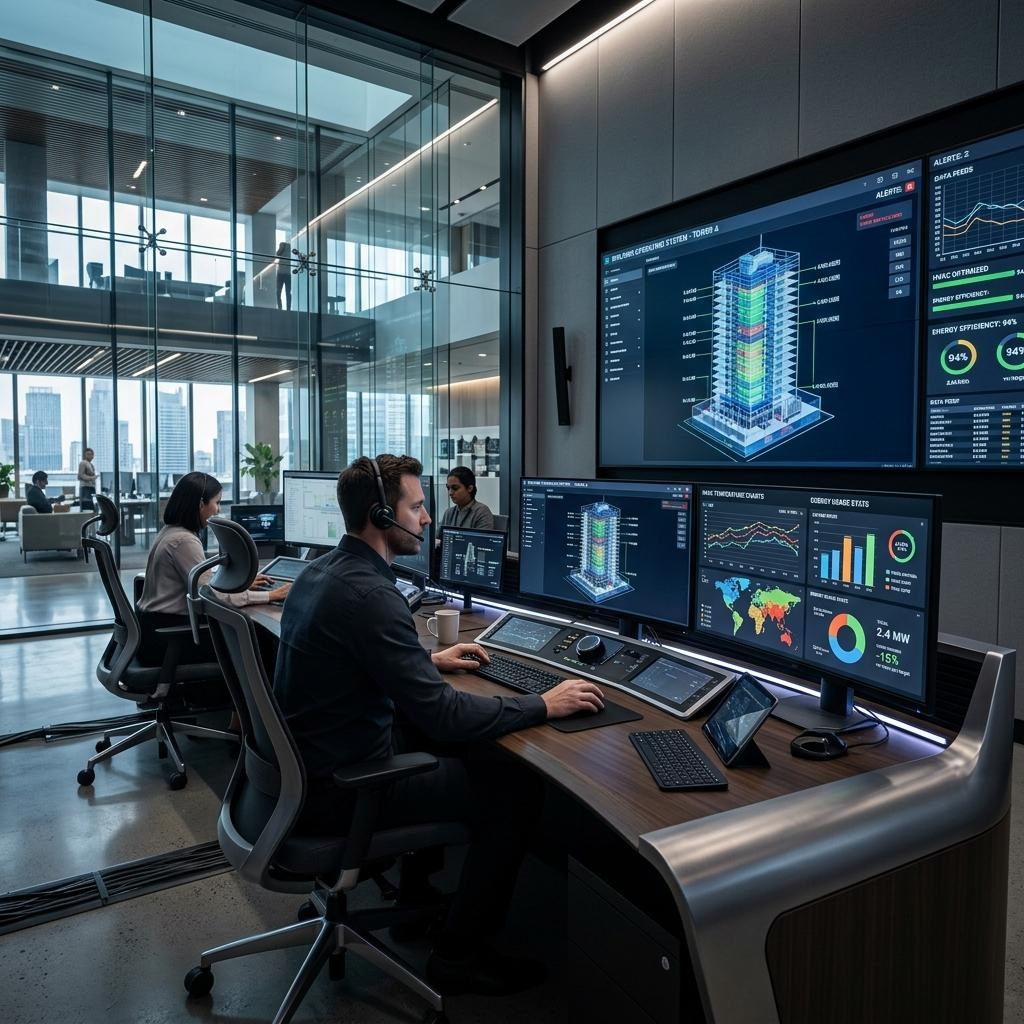
Digitization focuses on collecting, organizing, and interpreting information.
Automation uses controls and predefined rules to perform actions, such as adjusting HVAC schedules or responding to approved equipment conditions.
A property can be digitized without allowing every system to operate automatically.
Why Building Digitization Matters in the USA
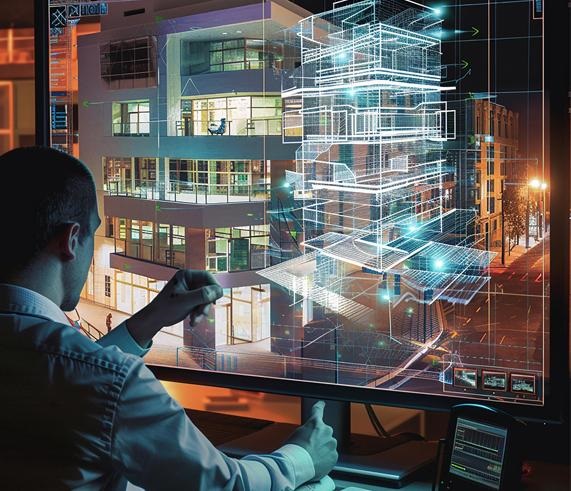
Commercial buildings represent a significant opportunity for improving operational efficiency.
Better Energy Visibility
The National Institute of Standards and Technology reports that buildings account for approximately 37% of energy use in the United States.
Understanding where that energy goes can help property teams identify inefficient operating patterns.
More Efficient Facility Operations
Connected systems can reduce the need to collect information manually from different equipment interfaces.
Facility managers can investigate alarms, compare performance, and prioritize maintenance from shared information.
Improved Long-Term Planning
Historical data makes it easier to understand seasonal energy use, recurring equipment problems, and changes in building performance.
These insights can support budgets, maintenance schedules, and future capital improvements.
Step 1: Assess Your Building’s Digital Readiness
A successful project starts with understanding the equipment and data already available.
Inventory Existing Systems
Identify heating and cooling equipment, building automation controls, lighting, utility meters, access control, and maintenance software.
Record manufacturers, model information, network connections, and available data interfaces.
Evaluate Connectivity
Determine which systems already communicate digitally and which require additional interfaces or sensors.
Older equipment may still provide useful data through compatible gateways or supplementary metering.
Establish Clear Goals
Choose the problems you want to solve.
Examples include reducing unnecessary overnight HVAC operation, identifying recurring equipment faults, or comparing energy use across several properties.
Starting with measurable priorities keeps the project focused.
Step 2: Connect Building Systems and Data Sources
Once the existing infrastructure is understood, the next step is collecting useful information.
Building Automation Systems
A building automation system, or BAS, monitors and controls equipment such as HVAC units and lighting.
Many commercial buildings already have BAS infrastructure that can become part of a broader digital platform.
Smart Sensors and IoT Devices
Internet of Things sensors can provide additional measurements where existing systems have limited visibility.
Possible measurements include temperature, humidity, occupancy, and equipment status.
Choose sensors based on an operational need rather than installing devices simply to collect more data.
Energy and Utility Meters
Electricity, gas, and water data can reveal consumption trends and unusual operating patterns.
Meter integration also supports comparisons between sites and time periods.
Step 3: Create a Unified Building Data Foundation
Collecting data from different systems is only the beginning.
Standardize Information
Equipment may have inconsistent names, units, timestamps, and labels.
Standardization helps teams compare information and prevents confusion between assets.
Connect Data to Actual Equipment
A temperature reading becomes more useful when the system knows which room, air handler, or HVAC zone produced it.
Linking measurements to equipment relationships creates better operational context.
Use Interoperable Data Structures
The National Institute of Standards and Technology identifies standardized, machine-readable building data as an important requirement for scalable digital services.
Interoperability helps reduce dependence on isolated applications and manual data mapping.
Step 4: Develop a Building Digital Twin
A digital twin is a digital representation of a physical building and its systems.
Unlike a simple architectural model, an operational digital twin can connect equipment and building relationships with current performance information.
What a Digital Twin Contains
Depending on the implementation, it may describe floors, rooms, equipment, sensors, connections, and operating conditions.
The model can help teams understand where a problem occurs and which systems may be affected.
Digital Twin vs. BIM
Building Information Modeling, or BIM, generally supports structured design and construction information.
An operational digital twin can incorporate that information while connecting it to live or regularly updated building data.
Not every digital twin requires a detailed three-dimensional model.
Why Context Matters
An equipment alarm is more useful when it identifies the affected asset, location, and connected systems.
This context helps maintenance teams investigate problems efficiently.
Step 5: Use Analytics to Find Operational Problems
Once data is organized, building analytics can reveal patterns that would be difficult to identify manually.
Fault Detection and Diagnostics
Fault detection and diagnostics, often abbreviated FDD, examines operating data to identify unusual equipment behavior.
Examples include simultaneous heating and cooling, unexpected runtime, or inconsistent temperature performance.
These findings should be reviewed by qualified personnel before corrective work.
Energy Performance Analysis
Analytics can compare consumption against schedules, weather, occupancy, and historical trends.
This helps distinguish genuine inefficiencies from normal changes in building demand.
Prioritize Important Alerts
Facility teams may receive many equipment alarms.
Useful software should help identify which issues deserve immediate investigation and which can be addressed during scheduled maintenance.
Step 6: Introduce Smart Building Automation
After validating the data and understanding the equipment, organizations can consider controlled automation.
Optimize HVAC Schedules
Commercial HVAC systems may operate longer than necessary because of outdated schedules or inconsistent settings.
Approved automation can help align operating hours with actual building needs.
Reduce Repetitive Tasks
Automated reporting and maintenance notifications can reduce administrative work.
This gives facility teams more time to address equipment and occupant concerns.
Keep Human Oversight
Automation should include defined permissions, safety limits, fallback procedures, and manual overrides.
Critical building systems should never be controlled through untested workflows.
How Switch Automation Supports Building Digitization
Businesses exploring how to digitize buildings can review the smart building technology offered by Switch Automation.
The company’s platform combines building data integration, digital twin technology, analytics, energy management, and automation.
Connected Building Data
Switch describes connecting data from building management systems, energy meters, occupancy devices, access controls, IoT equipment, and enterprise applications.
Its digital building foundation organizes this information into a standardized operational model.
Analytics and Fault Detection
The platform advertises capabilities for identifying equipment faults, analyzing alerts, and detecting inefficient operations.
These features are designed to help facility teams prioritize maintenance and improve visibility.
Portfolio Management
Switch also offers centralized reporting and performance comparisons across multiple buildings.
The company reports managing more than 6,500 buildings worldwide. That figure is a vendor-reported platform metric rather than an independently verified performance result.
Building Digitization for Different Property Types
Digital transformation is not limited to large corporate headquarters.
Office Buildings
Office managers can monitor HVAC schedules, occupancy changes, and energy consumption.
This is especially relevant when employees follow flexible work schedules.
Retail Properties
Retail operators may need consistent temperature control, lighting schedules, and maintenance oversight across many locations.
Centralized information helps compare stores and identify unusual performance.
Healthcare and Education
Hospitals, clinics, and schools have specialized comfort, ventilation, and operational requirements.
Digital projects must preserve applicable safety, reliability, and regulatory obligations.
Multifamily and Mixed-Use Buildings
Connected systems can support common-area energy management, equipment maintenance, and operational reporting.
Privacy and access controls are particularly important when systems involve resident information.
Building Cybersecurity and Data Protection
Connecting operational systems creates opportunities but also introduces security risks.
Separate Critical Systems
Building control networks should be designed with appropriate security boundaries.
Avoid exposing sensitive equipment interfaces directly to the public internet.
Manage User Permissions
Only authorized personnel should access critical controls.
Use strong authentication, appropriate account privileges, and secure vendor access procedures.
Maintain an Equipment Inventory
Track connected devices, software versions, ownership responsibilities, and security updates.
The National Institute of Standards and Technology provides guidance specifically addressing operational technology security.
Protect Building Occupants
Occupancy, access, and other building records may contain sensitive information.
Collect only necessary information and establish suitable retention and access policies.
How Much Does Building Digitization Cost?
Project expenses depend on the property and the systems already installed.
Existing Infrastructure
A building with accessible BAS data and suitable network connections may require less integration work.
Older properties may need additional gateways, metering, or controls upgrades.
Software and Integration
Costs may include platform subscriptions, system connections, data preparation, cybersecurity work, and implementation services.
Staff Training
Facility teams need training to interpret dashboards, investigate alerts, and manage automated workflows.
Long-Term Support
Budget for software support, sensor maintenance, system updates, and ongoing performance reviews.
Request detailed proposals instead of assuming a single cost per square foot applies to every property.
Measuring the Success of a Smart Building Project
Clear performance indicators help determine whether digitization is producing useful results.
Energy Use Intensity
Energy use intensity compares a building’s energy consumption with its floor area over a defined period.
Weather, occupancy, and building use should be considered when interpreting changes.
Equipment Reliability
Track recurring faults, downtime, and maintenance response times.
These metrics can help identify operational improvements.
Occupant Comfort
Monitor relevant indoor conditions and review occupant feedback.
Reducing energy use should not come at the expense of acceptable indoor comfort or ventilation.
Financial Performance
Compare operating expenses before and after implementation using reasonable adjustments for changes in building use.
Avoid attributing every saving to software without supporting evidence.
Common Building Digitization Mistakes
Connecting Everything Immediately
A large project without clear priorities can become expensive and difficult to manage.
Start with high-value systems and expand gradually.
Ignoring Data Quality
Poorly labeled or incomplete information can produce misleading results.
Validate data before relying on analytics.
Overlooking Cybersecurity
Connected building systems require planned protection, monitoring, and access management.
Security should be part of the original project design.
Expecting Guaranteed Savings
Digitization creates opportunities to identify and address inefficiencies, but outcomes vary.
Actual results depend on implementation quality, equipment condition, and how teams use the information.
Frequently Asked Questions About Building Digitization
1. What is building digitization?
Building digitization connects physical building systems to digital technologies that collect, organize, and analyze operational information.
2. How do you digitize an existing building?
Start by assessing equipment, connecting relevant systems, standardizing data, introducing analytics, and implementing appropriate automation.
3. What is the difference between a smart building and a digital twin?
A smart building uses connected technologies and controls. A digital twin represents physical assets and their relationships using structured digital information.
4. Do older buildings need complete equipment replacement?
Not always. Some existing systems can connect through compatible interfaces or gateways, although certain equipment may require upgrades.
5. Can digitization reduce energy costs?
It can help identify inefficient operations and support corrective actions. Actual savings depend on conditions and implementation.
6. Is building automation software secure?
Security depends on the architecture, configuration, access controls, updates, and ongoing management. No connected system is automatically risk-free.
7. What does Switch Automation provide?
Switch advertises building data integration, digital twins, analytics, fault detection, energy management, and automation for commercial portfolios.
8. How long does it take to digitize a building?
Timelines depend on property size, equipment complexity, connectivity, data quality, and project scope. A pilot may be simpler than a large portfolio rollout.
Conclusion
Learning how to digitize buildings is increasingly useful for American property owners seeking better visibility, more efficient operations, and informed maintenance decisions.
The process starts with identifying business goals, assessing existing equipment, connecting relevant data, and organizing it into a reliable digital foundation.
Analytics, digital twins, and carefully managed automation can then help facility teams identify faults, evaluate energy performance, and coordinate building operations.
Platforms such as Switch Automation illustrate how these capabilities can be combined across individual properties and large building portfolios.
However, successful digitization requires accurate data, cybersecurity planning, staff training, and realistic performance expectations.
By starting with practical problems and expanding gradually, building owners can create a more connected and manageable environment for the future.

Written by Twastia Editorial Team
Twastia Editorial Team shares practical insights about website design, SEO services, Google Ads, content marketing, social media, conversion rate optimization, and digital marketing strategy.
Last updated: Oct 28, 2026
Related posts from Twastia
Explore more useful articles from twastia.com about digital marketing, SEO, websites, ads, content, and growth strategy.