How To Prevent Water Damage In Your Home And What To Do If It Occurs: Easy Guide
Water can cause serious problems when it enters areas of a house where it does not belong. A leaking pipe, […]
Water can cause serious problems when it enters areas of a house where it does not belong. A leaking pipe, damaged roof, overflowing appliance, or heavy rainstorm may leave walls, flooring, furniture, and personal belongings soaked.
Sometimes the damage is immediately visible. In other situations, moisture can slowly accumulate behind walls, beneath flooring, or inside cabinets before anyone notices a problem.
Understanding how to prevent water damage in your home can help you protect your property, avoid unnecessary repair expenses, and identify potential hazards before they become major emergencies.
However, even well-maintained properties can experience unexpected leaks or flooding.
That’s why it’s equally important to know what to do if water enters your home, how to respond safely, and when professional restoration services may be necessary.
This guide covers the common causes, early warning signs, prevention methods, emergency response steps, insurance considerations, and practical ways to reduce the risk of mold.
What Causes Water Damage in a Home?
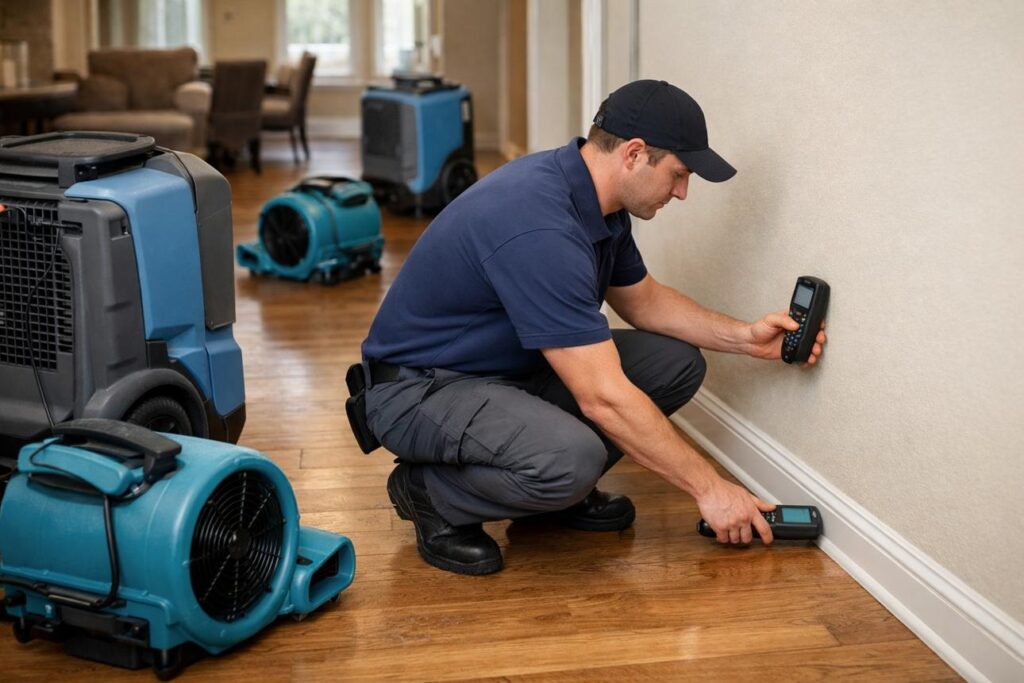
Several different problems can allow unwanted water to enter a residential property.
Leaking or Burst Pipes
Plumbing systems can develop leaks because of aging materials, damaged connections, corrosion, freezing, or excessive pressure.
A burst pipe may release a large amount of water before the supply is shut off.
Roof Problems
Missing shingles, damaged flashing, or deteriorated roofing materials may allow rainwater to reach ceilings, insulation, and interior walls.
Appliance Failures
Washing machines, dishwashers, refrigerators, and water heaters can leak through hoses, seals, fittings, or internal components.
Basement Flooding
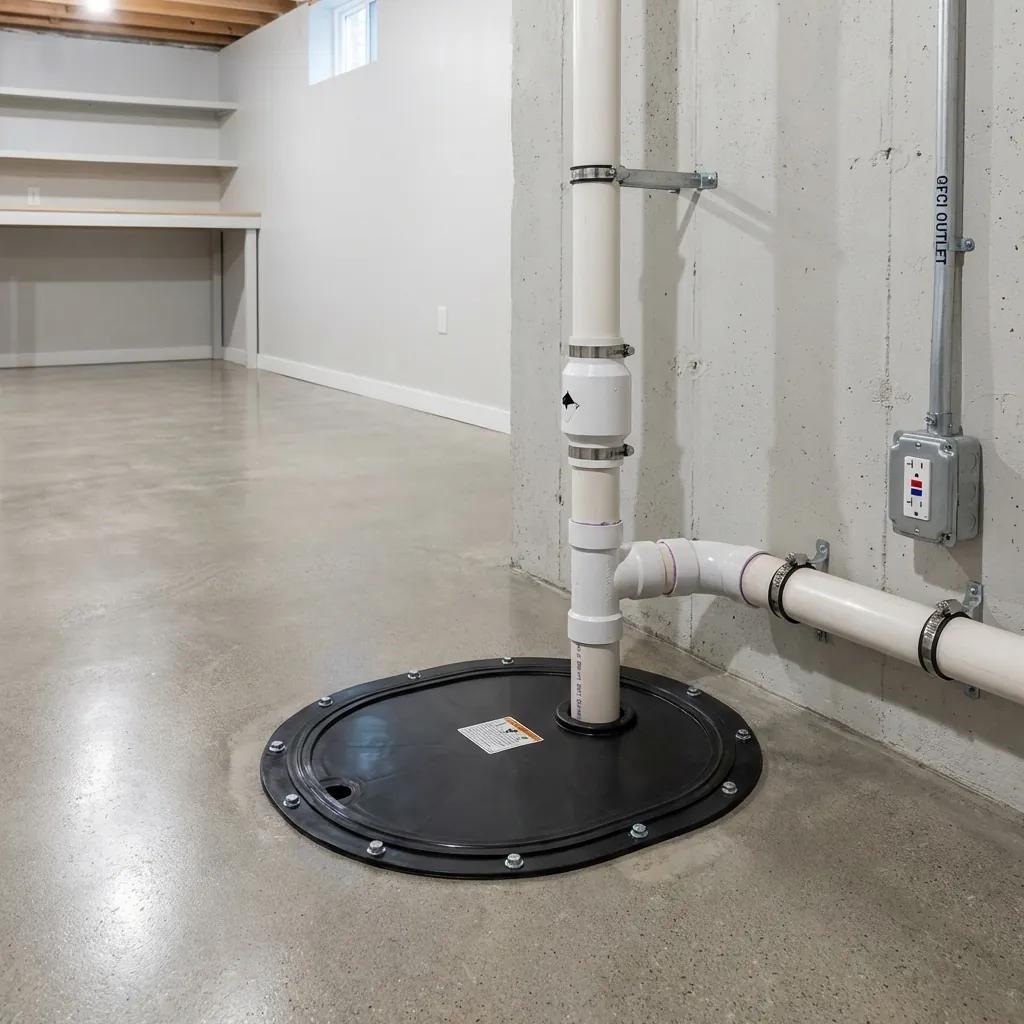
Groundwater, heavy rainfall, poor grading, and inadequate drainage can contribute to basement water intrusion.
Bathroom Leaks
Deteriorated caulking, plumbing failures, and damaged shower waterproofing can allow moisture to spread beyond the intended wet area.
Recognizing these causes helps you identify which parts of your property need regular attention.
1. Inspect Your Plumbing Regularly
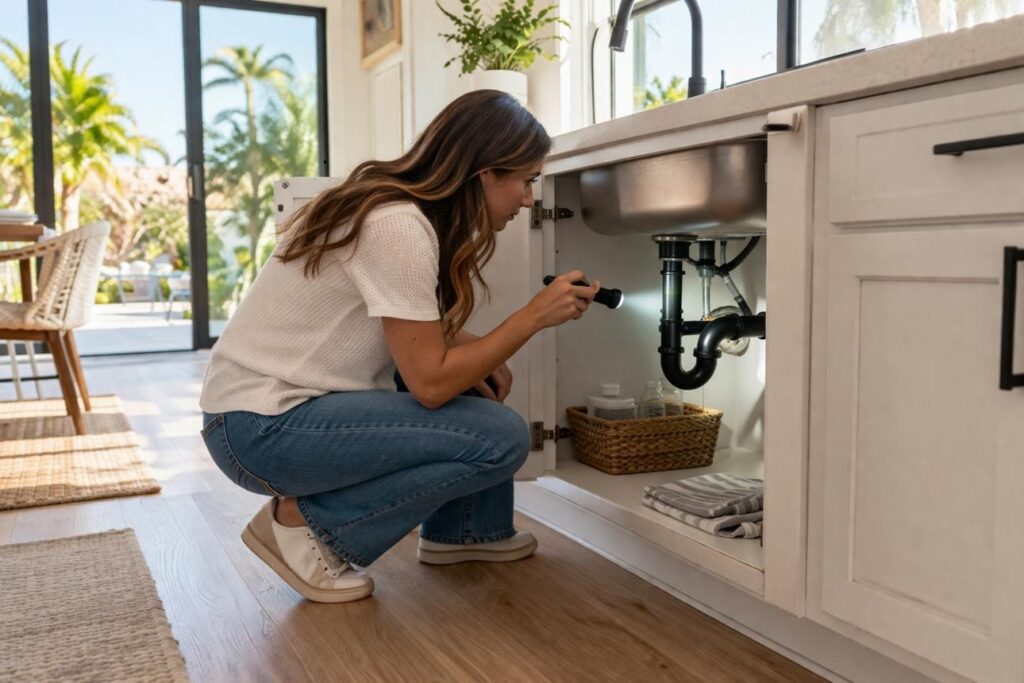
One of the most practical ways to prevent water damage in your home is to inspect accessible plumbing before small leaks become serious.
Check Pipes and Connections
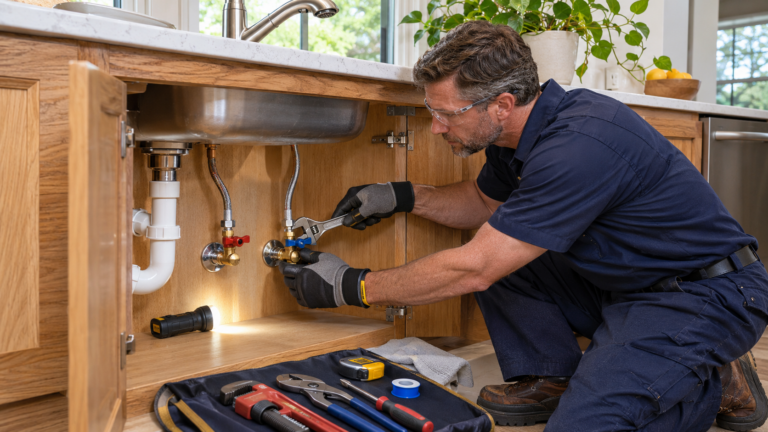
Look beneath kitchen sinks, bathroom vanities, and around visible plumbing fittings.
Pay attention to moisture, staining, corrosion, or dripping.
Inspect Supply Hoses
Washing machines, dishwashers, and other appliances may use flexible water supply connections.
Replace damaged or deteriorating hoses with suitable products.
Monitor Unusual Water Bills
An unexplained increase in water usage may indicate a hidden leak.
Compare usage across billing periods and investigate unexpected changes.
Know Your Main Shutoff Valve
Locate your home’s main water shutoff valve and learn how it operates.
Household members should know where it is in case a pipe suddenly bursts.
If you suspect a hidden plumbing leak, contact a qualified plumber rather than opening walls unnecessarily.
2. Maintain Your Roof and Gutters
Roof drainage is another important part of preventing water damage in your home, especially during periods of heavy rainfall.
Inspect the Roof
Check for visible damage from a safe location.
Missing shingles, damaged flashing, and deteriorated seals may need professional attention.
Clean Gutters
Remove leaves and debris that could block water movement.
Clogged gutters may cause rainwater to overflow against exterior walls or near the foundation.
Check Downspouts
Make sure downspouts direct water away from the building.
The appropriate discharge location depends on your property’s layout and local requirements.
Inspect Attic Areas
Look for damp insulation, staining, or signs of recurring water intrusion.
Avoid climbing onto steep or damaged roofs yourself. Professional roof inspections may be safer.
3. Maintain Appliances That Use Water
Water-connected appliances can create significant problems when hoses or fittings fail.
Preventing water damage in your home includes checking the equipment you rely on every day.
Washing Machines
Inspect supply hoses and connections for cracking, bulging, or leakage.
Avoid leaving a machine operating unattended for extended periods when possible.
Dishwashers
Look for water beneath the appliance and around the door seal.
Have recurring leaks inspected before continuing normal use.
Water Heaters
Check accessible areas for corrosion, dripping connections, and moisture near the tank.
A leaking tank may require replacement rather than a simple repair.
Refrigerators
Models with ice makers or water dispensers may have supply lines that require inspection.
Consider leak detection devices near appliances where practical.
4. Protect Your Basement and Foundation
Basements are particularly vulnerable to water damage in your home because they sit close to surrounding soil and groundwater.
Maintain Proper Grading
The ground around your house should generally direct surface water away from the foundation.
Have drainage problems assessed if water regularly collects near exterior walls.
Consider a Sump Pump
Homes with recurring groundwater problems may benefit from an appropriately designed sump pump system.
Test and maintain the equipment according to the manufacturer’s directions.
Review Backup Power
A backup pump or power arrangement may be useful where storms frequently cause electricity outages.
Check Basement Openings
Inspect accessible basement windows, exterior doors, and other openings for signs of water intrusion.
Elevate Important Belongings
Store valuable documents, electronics, and sentimental items above areas vulnerable to flooding.
5. Install Water Leak Detection Devices
Technology can provide an additional warning system for water damage in your home.
Basic Water Alarms
Small water sensors can produce an audible alert when moisture reaches their detection points.
They may be placed near water heaters, washing machines, and other potential leak sources.
Smart Leak Sensors
Connected devices may send notifications to a compatible phone application.
These systems depend on power, connectivity, and their particular design.
Automatic Shutoff Systems
Some installations combine water monitoring with a motorized shutoff valve.
A compatible system may stop the water supply when it detects a suspected leak.
Understand Their Limitations
Water detectors cannot prevent every leak or guarantee that damage will be avoided.
They should complement regular maintenance, not replace it.
6. Control Indoor Humidity and Condensation
Not all water damage in your home comes from a dramatic leak. Excessive moisture can also contribute to problems over time.
Ventilate Bathrooms
Use suitable exhaust fans to remove moisture during and after showers.
Manage Kitchen Moisture
Vent cooking-related moisture appropriately and investigate recurring condensation.
Maintain HVAC Equipment
Air conditioning systems can generate condensation.
Keep drainage lines and drip pans functioning according to the equipment’s maintenance requirements.
Monitor Humidity
A hygrometer can help you understand indoor moisture levels.
The EPA generally recommends indoor relative humidity below 60%, ideally between 30% and 50%, to reduce conditions favorable to mold growth.
Investigate Persistent Dampness
Condensation collecting on walls or windows should prompt a review of ventilation, insulation, and moisture sources.
7. Prepare Your Home for Severe Weather
Storm preparation can reduce the risk of water damage in your home, although no preparation can make a property completely floodproof.
Review Local Flood Risks
Learn whether your property is in an area prone to flooding and check available local emergency guidance.
Inspect Exterior Drainage
Check gutters, downspouts, and drainage paths before the storm season.
Protect Vulnerable Openings
Depending on local risks, suitable flood barriers or other professionally designed measures may help limit water entry.
Maintain an Emergency Plan
Know evacuation routes and establish a way to communicate with household members.
Protect Important Records
Keep essential documents in appropriate water-resistant storage and maintain secure digital copies when practical.
Follow evacuation instructions from local authorities. Do not remain in a dangerous building to protect belongings.
What Are the Early Signs of Water Damage?
Detecting water damage in your home early can reduce the extent of repairs.
Discolored Walls or Ceilings
Yellow, brown, or dark stains may indicate previous or ongoing moisture intrusion.
Peeling Paint or Wallpaper
Bubbling coatings or loose wallpaper may suggest dampness beneath the surface.
Musty Odors
Persistent musty smells can indicate hidden moisture or microbial growth.
Warped Flooring
Buckling wood, lifting laminate, or soft flooring may indicate water exposure.
Unexpected Damp Spots
Wet carpet, cabinet surfaces, or baseboards should be investigated promptly.
Not every stain indicates an active leak, but unexplained changes deserve attention.
What to Do Immediately If Water Damage Occurs
If you discover water damage in your home, prioritize personal safety before attempting repairs.
Step 1: Identify Immediate Hazards
Do not enter standing water near electrical outlets, appliances, or wiring.
If electricity may be affected, leave the area and have a qualified professional assess it.
Step 2: Stop the Water Source if Safe
For an accessible plumbing leak, turn off the appropriate shutoff valve if you can reach it without danger.
Do not enter floodwater or attempt hazardous repairs.
Step 3: Keep People Away
Move children, pets, and other occupants away from unsafe areas.
Step 4: Document the Damage
When safe, photograph affected rooms, damaged belongings, and visible water sources.
Step 5: Contact Appropriate Professionals
Depending on the situation, you may need a plumber, electrician, restoration contractor, or emergency service.
Step 6: Notify Your Insurer
Report the incident promptly and ask about claim procedures and emergency mitigation requirements.
How to Dry Your Home After Water Damage
Drying water damage in your home quickly is important, but the method depends on the source and contamination level.
Remove Standing Water Safely
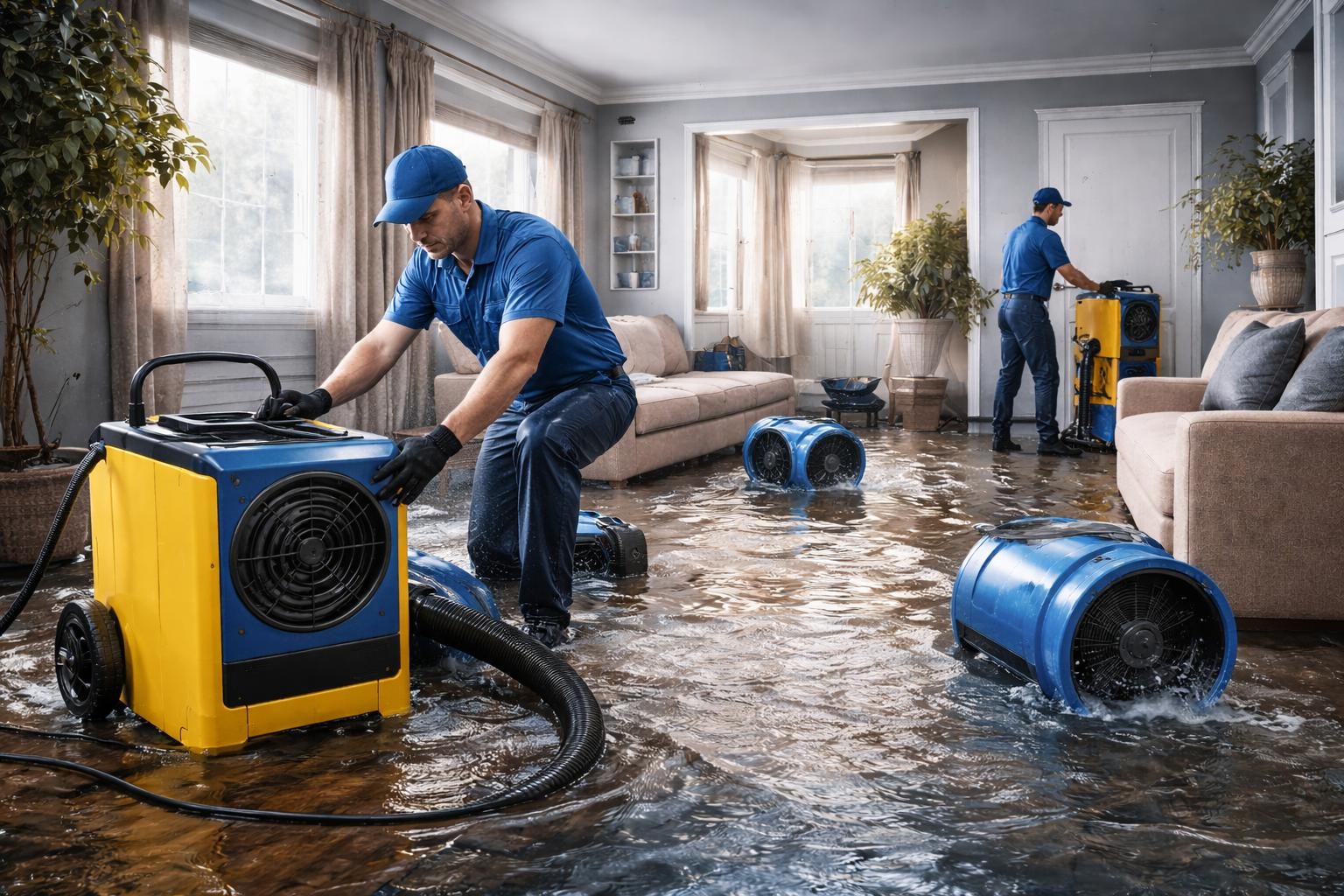
For a small clean-water leak with electrical safety confirmed, suitable equipment may help remove water.
Floodwater or sewage contamination requires greater precautions and often professional cleanup.
Remove Damaged Materials
Some carpets, insulation, drywall, and upholstered items may need to be discarded if contaminated or impossible to dry properly.
Use Suitable Drying Equipment
Dehumidifiers and air movers may assist the drying process when it is safe to operate them.
Check Hidden Moisture
Water can remain behind walls and under flooring after visible surfaces appear dry.
Restoration professionals may use moisture meters to evaluate affected materials.
Act Within 24–48 Hours
The EPA recommends drying water-damaged areas and materials within 24–48 hours to help prevent mold growth.
This is an important target, not a guarantee that mold cannot develop.
How to Prevent Mold After Water Damage
Mold is one of the reasons water damage in your home should be addressed promptly.
Eliminate the Moisture Source
Cleaning visible mold is unlikely to provide a lasting solution if the leak continues.
Dry Affected Materials
Moisture control is central to mold prevention.
Remove Unsalvageable Items
Porous materials heavily contaminated by floodwater or sewage may require disposal.
Use Appropriate Protection
Flood cleanup may require protective gloves, goggles, boots, and a suitable respirator.
People with certain medical vulnerabilities should avoid mold-contaminated cleanup areas.
Seek Professional Remediation
Significant mold growth, contaminated water, HVAC involvement, or hidden structural damage may require experienced specialists.
Never paint over visible mold as a substitute for proper cleaning and moisture correction.
Does Homeowners Insurance Cover Water Damage?
Insurance coverage for water damage in your home depends on the cause of the loss and the exact policy wording.
Sudden Plumbing Events
Some homeowners policies cover certain sudden and accidental water discharges, subject to exclusions and deductibles.
Gradual Leaks
Long-standing leakage or damage resulting from neglected maintenance may be excluded.
Flooding
Standard U.S. homeowners insurance typically does not cover flooding caused by rising surface water.
Separate flood insurance may be necessary.
Sewer Backup
Coverage for sewage or drain backup may require a specific endorsement.
Review Your Policy
Ask your insurer or licensed insurance professional about covered events, exclusions, limits, and claim documentation.
Do not assume all water-related damage is insured.
When Should You Hire a Water Damage Restoration Company?
Professional assistance may be necessary when water damage in your home affects materials that are difficult to inspect or dry.
Extensive Water Intrusion
Large areas of saturated flooring, walls, or ceilings may require specialized equipment.
Sewage or Floodwater
Contaminated water presents health hazards beyond ordinary clean-water leaks.
Hidden Moisture
Specialists can assess whether moisture has spread into wall cavities or concealed structural components.
Mold Growth
Appropriate remediation methods depend on the extent and location of contamination.
Structural Concerns
Sagging ceilings, unstable flooring, or other damage may require building professionals.
Choose a contractor with relevant training, suitable insurance, and clear written estimates.
How Much Does Water Damage Restoration Cost?
The cost of repairing water damage in your home varies widely.
Water Source
A limited clean-water plumbing leak may involve different cleanup requirements from a sewage backup or flood.
Size of the Affected Area
More extensive damage can require additional labor and drying equipment.
Damaged Materials
Flooring, drywall, insulation, cabinetry, and structural components vary in replacement cost.
Time Before Cleanup
Delayed drying may allow additional deterioration or mold growth.
Labor and Local Prices
Restoration costs depend on local contractor rates, property access, and required repairs.
Request a documented assessment rather than relying on a universal price estimate.
Common Mistakes to Avoid After Water Damage
Waiting for the Area to Dry Naturally
Some building materials retain moisture long after visible water disappears.
Using Electricity in Wet Areas
Never use electrical equipment where shock hazards have not been ruled out.
Ignoring Contaminated Water
Floodwater and sewage can contain dangerous contaminants.
Covering Stains With Paint
Painting over a wet surface does not repair the source of moisture.
Discarding Items Without Documentation
Photograph damaged belongings and follow the insurer’s instructions when safely possible.
Assuming Every Item Can Be Saved
Some contaminated porous items cannot be cleaned adequately.
Frequently Asked Questions
1. What is the best way to prevent water damage at home?
Preventing water damage in your home begins with maintaining plumbing, inspecting roofing, managing drainage, monitoring appliances, and addressing leaks promptly.
2. How quickly should water damage be cleaned up?
When water damage in your home occurs, start safe mitigation promptly and aim to dry affected materials within 24–48 hours where possible.
3. Can water damage cause mold?
Yes. Unresolved water damage in your home can create moisture conditions that allow mold to grow.
4. Should I turn off electricity after a leak?
If water damage in your home has affected electrical systems, stay clear and have the situation assessed safely by a qualified professional.
5. Is water damage covered by homeowners insurance?
Coverage for water damage in your home depends on the cause, policy terms, endorsements, and exclusions.
6. Can I repair water damage myself?
Minor clean-water incidents may be manageable if conditions are safe, but extensive water damage in your home often requires professional assessment.
7. How do I know whether water damage is serious?
Sagging ceilings, damaged electrical systems, contamination, widespread moisture, or structural movement can indicate that water damage in your home requires urgent professional help.
8. How can I avoid future water damage?
Reduce the risk of water damage in your home through scheduled inspections, leak detection, appropriate maintenance, and flood preparedness.
Conclusion
Protecting a property from unwanted moisture requires regular attention and prompt action when problems appear.
Preventing water damage in your home starts with inspecting plumbing, maintaining roofs and gutters, managing foundation drainage, checking appliances, and controlling indoor humidity.
However, prevention cannot eliminate every risk.
If a leak or flood occurs, prioritize personal safety, stop the water source when safe, document the damage, and begin appropriate drying and restoration.
Acting quickly can help limit further deterioration and reduce the conditions that support mold growth.
Remember that sewage contamination, electrical hazards, and significant structural damage should not be treated as ordinary DIY cleanup projects.
By combining preventive maintenance with a clear emergency response plan, you can better protect your home, belongings, and household from the consequences of unexpected water damage.

Written by Twastia Editorial Team
Twastia Editorial Team shares practical insights about website design, SEO services, Google Ads, content marketing, social media, conversion rate optimization, and digital marketing strategy.
Last updated: Oct 30, 2026
Related posts from Twastia
Explore more useful articles from twastia.com about digital marketing, SEO, websites, ads, content, and growth strategy.