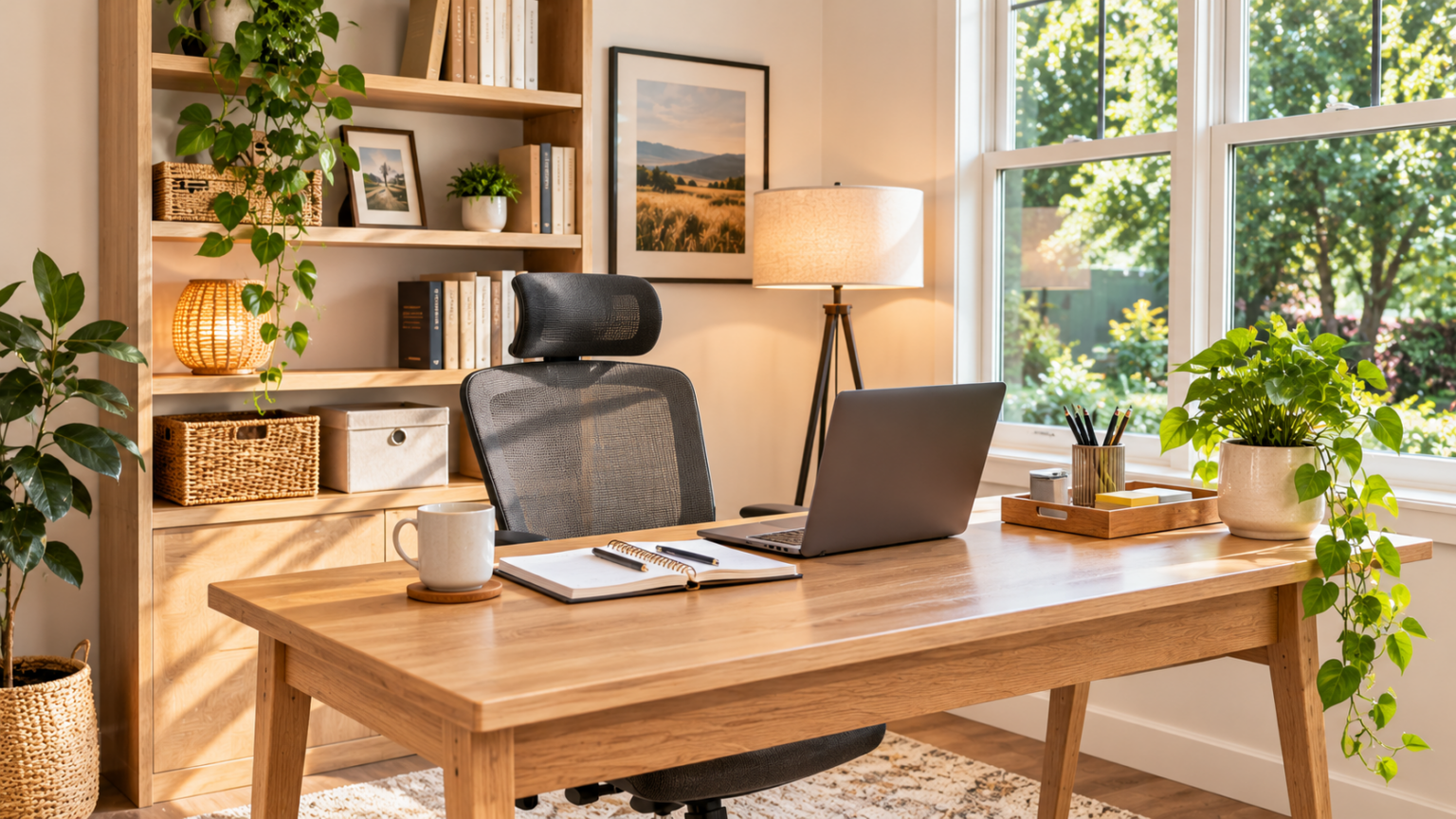
Top Tips on How to Create a Good Study Space: Best Ideas for Better Focus
A good study environment can make everyday learning feel more manageable. Whether you are preparing for college exams, taking online […]
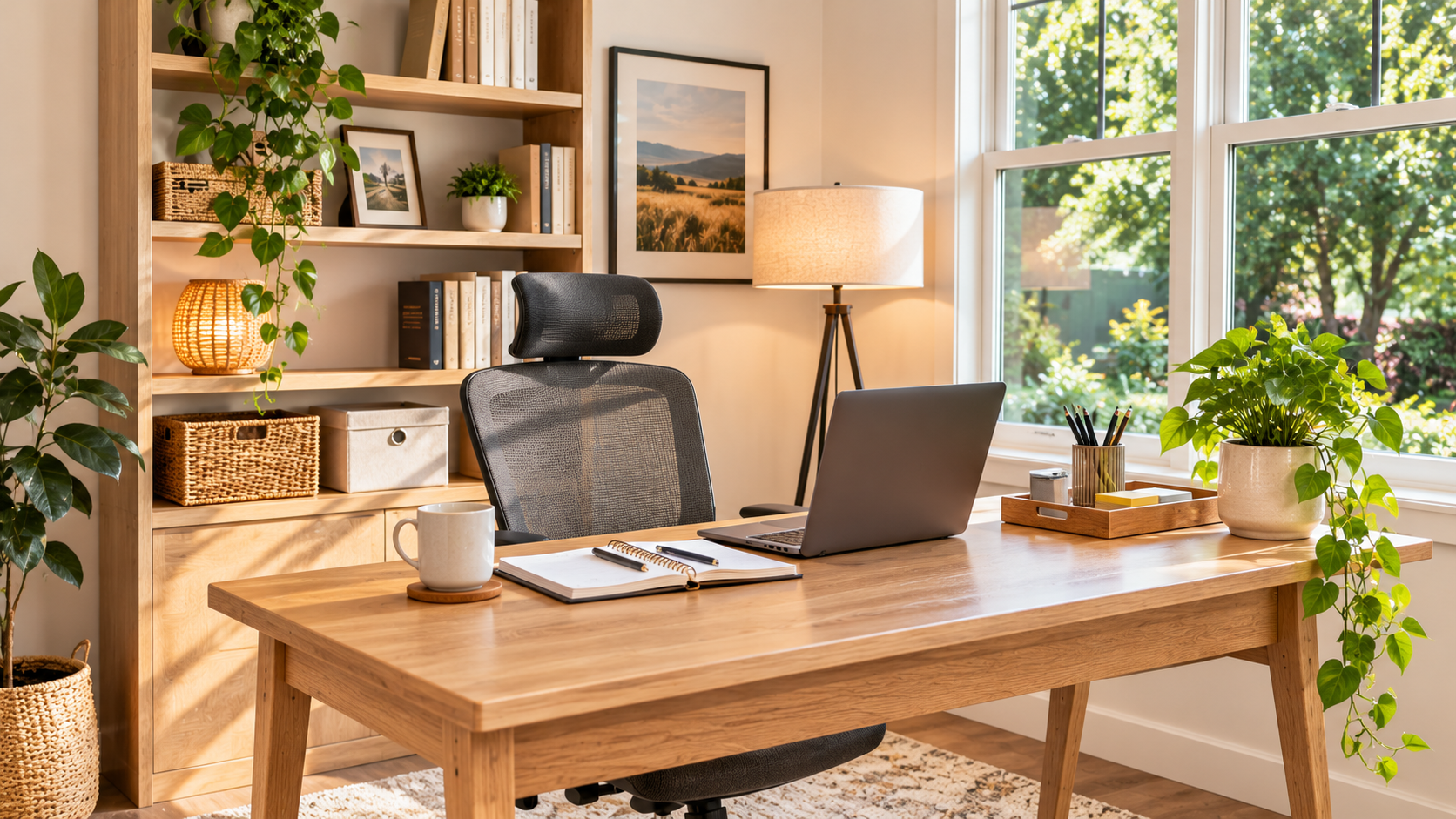
A good study environment can make everyday learning feel more manageable. Whether you are preparing for college exams, taking online classes, completing homework, or learning a professional skill, your surroundings influence how easily you settle into a task.
A cluttered desk, uncomfortable chair, noisy room, or poorly positioned screen can interrupt your concentration. You may spend valuable time rearranging materials, responding to distractions, or searching for things you need instead of studying.
Top Tips on How to Create a Good Study Space focuses on practical improvements that do not require a dedicated home office or an expensive renovation. Even a small desk in a shared apartment can become a reliable learning area when it is arranged thoughtfully.
The Cornell University Learning Strategies Center encourages students to organize their physical spaces and manage distractions as part of effective studying. A useful workspace makes it easier to locate materials and establish a consistent routine. Learning Strategies Center
These Top Tips on How to Create a Good Study Space will help you choose a suitable location, improve comfort, organize supplies, manage distractions, and build a study routine that works with your daily schedule.
1. Choose a Location That Supports Concentration
A productive study area does not have to be a separate room. It can be a bedroom corner, a shared dining table during quiet hours, or a small desk beside a window. What matters most is whether the location allows you to work consistently without frequent interruptions.
When applying Top Tips on How to Create a Good Study Space, observe the area at the times you usually study. A sunny corner might be ideal in the morning but distracting when afternoon glare hits your screen. A shared living room may be quiet before dinner and busy later in the evening.
Give the Area a Clear Purpose
If possible, keep your main study supplies in one place. A tray or portable caddy can create a temporary study station when you cannot leave materials on a shared table. Make an agreement with roommates or family members about when you need uninterrupted time.
Another lesson from Top Tips on How to Create a Good Study Space is that consistency matters more than room size. Returning to the same prepared location reduces the effort involved in getting started.
Separate Rest From Work Where Possible
Studying in bed may feel convenient, but it can encourage slouching and blur the distinction between work and rest. A firm table and chair will usually provide better support for writing and computer use.
2. Arrange a Desk and Chair for Comfort
Your furniture should accommodate the tasks you perform most often. Someone who writes essays on a laptop needs space for a keyboard and notes; an art student may need a wider work surface. Choose sturdy furniture that leaves room to move your legs and reach materials comfortably.
The ergonomic side of Top Tips on How to Create a Good Study Space begins with a supported posture. OSHA recommends keeping the head balanced, shoulders relaxed, wrists reasonably straight, and feet supported by the floor or a footrest. These are adaptable principles rather than a single rigid sitting position. Occupational Safety and Health Administration
Position Screens to Reduce Strain
Place your main monitor directly in front of you, with its top at or slightly below eye level. OSHA generally recommends a viewing distance of about 20 to 40 inches, adjusted for readability and comfort. Position the screen to reduce reflections from windows. A laptop stand paired with a separate keyboard and mouse may help if you work for long periods. Occupational Safety and Health Administration
For Top Tips on How to Create a Good Study Space, an expensive ergonomic chair is not mandatory. Begin by adjusting the chair you have, supporting your lower back, and using a stable footrest when necessary. Stand, stretch, and change position during breaks instead of remaining motionless for hours.
3. Use Natural Light and Adjustable Task Lighting
Good lighting helps you read paper notes and use digital devices comfortably. Choose a desk position that takes advantage of daylight without placing harsh sunlight directly in your eyes or across your screen.
A practical application of Top Tips on How to Create a Good Study Space is to use layers of light. General room lighting supports visibility, while an adjustable desk lamp illuminates a textbook or writing surface. If a window creates glare, try sheer curtains or reposition the desk rather than working in uncomfortable brightness.
Adjust Lighting to Your Activities
Reading fine print may require a brighter task light than watching a lecture. Place the lamp so your writing hand does not cast a heavy shadow across your notebook. Choose bulbs and fixtures designed for the intended use and keep hot lamps away from paper or fabric.
In Top Tips on How to Create a Good Study Space, lighting is about comfort and clear visibility, not creating the brightest possible room. Check whether you are leaning toward a page or squinting at the screen, then adjust placement and brightness.
4. Keep Essential Supplies Organized
Clutter is not equally distracting for everyone, but a desk covered with unrelated items can make it harder to begin. Leave room for the current assignment, a notebook, and the devices you need. Store less frequently used materials in a drawer, box, or nearby shelf.
One of Top Tips on How to Create a Good Study Space is to develop a simple system you will actually maintain. Label folders by subject, give charging cables a fixed location, and keep a small container for pens and highlighters. Avoid buying elaborate organizers before you understand your storage needs.
Create a Two-Minute Reset
At the end of each session, put books away, clear discarded paper, and write down the first task for next time. This small habit prevents yesterday’s unfinished work from taking over today’s study surface.
The organizational benefit of Top Tips on How to Create a Good Study Space comes from reducing friction. When everything has a predictable location, you can spend more time learning and less time searching.
5. Control Noise and Digital Distractions
Noise preferences differ. Some students need near silence, while others concentrate with consistent background sound. Test different settings and notice whether they help you understand and remember the material rather than simply making study time feel pleasant.
For Top Tips on How to Create a Good Study Space, consider the most frequent interruptions first. Close unnecessary browser tabs, silence nonessential phone notifications, and place your phone out of reach during demanding assignments. If noise is unavoidable, headphones or an agreed quiet period may help.
Design a Practical Focus Routine
Cornell’s Learning Strategies Center recommends turning off distractions and suggests the Pomodoro method as one option: work on a chosen task for about 25 minutes, then take a short break. That interval is flexible; longer or shorter sessions may suit different people and tasks. Learning Strategies Center
These Top Tips on How to Create a Good Study Space are most effective when the environment and study habits support one another. A tidy desk cannot compensate for constant message checking, and a timer will not solve every problem in a noisy room.
Use Shared-Space Signals Respectfully
A small sign, agreed schedule, or headphones can let others know when you need focus. Shared household needs still matter, so discuss expectations instead of assuming everyone can stay silent.
6. Make the Environment Pleasant but Not Overstimulating
A study corner should feel welcoming enough that you want to return to it. A plant, small photograph, or calming color may add personality. Too many decorative objects, however, can consume the workspace or compete for attention.
When following Top Tips on How to Create a Good Study Space, choose decorations based on function. A corkboard can hold deadlines, a clock can help track time, and a washable desk mat can protect the surface. Reserve most of the desk for learning materials.
Pay Attention to Temperature and Airflow
A stuffy or overly warm room can feel uncomfortable. Adjust ventilation and temperature when possible, and keep drinking water nearby in a stable container away from electronics. If the room is shared, seek a compromise that works for other occupants.
The comfort principle behind Top Tips on How to Create a Good Study Space is to remove small irritations before they build up. A wobbly desk or distracting draft can be more disruptive than an imperfect wall color.
7. Adapt the Setup to the Way You Learn
Different tasks call for different arrangements. Students solving equations may need extra writing space, while those attending online classes may prioritize a stable webcam position and reliable internet access. Someone practicing a language might need headphones and a place where speaking aloud will not disturb others.
A useful interpretation of Top Tips on How to Create a Good Study Space is that flexibility can be more valuable than a fixed aesthetic. Keep a portable whiteboard, document holder, or folding side table if your work changes from one subject to another.
Create Zones Without Extra Rooms
A larger desk might have one area for the laptop and another for handwritten notes. In a small apartment, a storage basket can separate work materials from household items after each session. You do not need expensive furniture to create a sense of purpose.
8. Set Up a Study Schedule and Maintain the Space
Even a well-designed study area is useful only when you return to it regularly. Connect study periods to your class timetable, energy levels, and other obligations. Start with achievable sessions rather than promising to study for several uninterrupted hours.
The routine element of Top Tips on How to Create a Good Study Space includes preparing before each session. Open the materials you need, choose a specific task, and estimate the time required. Review what worked afterward, then make small adjustments instead of repeatedly redesigning the room.
Review the Setup Once a Week
Ask whether your chair remains comfortable, lighting is sufficient, and supplies are easy to find. Remove unnecessary items and update your task list. When circumstances change, such as a new course or a different work schedule, adapt the layout accordingly.
Budget-Friendly Study Setup Checklist
| Priority | Low-cost option | Why it helps |
|---|---|---|
| Work surface | Existing sturdy table | Provides space for books and writing |
| Seating | Adjusted chair with appropriate support | Encourages comfortable positioning |
| Lighting | Adjustable lamp and window shades | Improves task visibility and reduces glare |
| Organization | Reused boxes and folders | Makes supplies easier to locate |
| Focus | Notification settings and a simple timer | Reduces avoidable interruptions |
| Flexibility | Portable supply caddy | Supports studying in shared spaces |
You can implement Top Tips on How to Create a Good Study Space without purchasing everything at once. Fix the problem that most disrupts your work, use what you already own, and upgrade only after identifying a real need.
Frequently Asked Questions
Where is the best place to study at home?
Choose a location with manageable noise, sufficient light, and enough room for your materials. A quiet desk is ideal for many students, but a shared table can work when used consistently during agreed study hours.
How should I arrange a laptop for studying?
Keep the screen at a comfortable viewing height and distance, with the keyboard positioned so your shoulders and wrists remain relaxed. An external keyboard and mouse can make a raised laptop more practical.
Is studying near a window a good idea?
It can provide pleasant natural light. Position your desk to prevent direct glare and adjust curtains or blinds as sunlight changes throughout the day.
How do I create a study area in a small bedroom?
Use a compact desk, vertical storage, and a portable organizer. Keep unrelated items off the working surface and preserve enough space for safe movement.
Does a study space need to be completely silent?
Not necessarily. Choose a sound environment that helps you concentrate and understand your materials. If background music interferes with reading, switch to quiet or neutral ambient sound.
What should I buy first for a study setup?
Prioritize a stable writing surface, supportive seating, and adequate lighting. Storage accessories and decorations can come later, once you know which problems require attention.
Conclusion
A productive study environment is not defined by its size, price, or appearance on social media. It should make it easier to begin your work, find materials, stay comfortable, and reduce interruptions. Start with a practical location, support your posture, manage lighting, and keep the essential supplies organized.
Ultimately, Top Tips on How to Create a Good Study Space is about designing a place around your learning needs. Make one improvement at a time, pair your environment with a realistic routine, and revisit the setup whenever your courses or circumstances change. A thoughtful study corner can make ordinary learning sessions more consistent and enjoyable.

Written by Twastia Editorial Team
Twastia Editorial Team shares practical insights about website design, SEO services, Google Ads, content marketing, social media, conversion rate optimization, and digital marketing strategy.
Last updated: Nov 6, 2026
Related posts from Twastia
Explore more useful articles from twastia.com about digital marketing, SEO, websites, ads, content, and growth strategy.