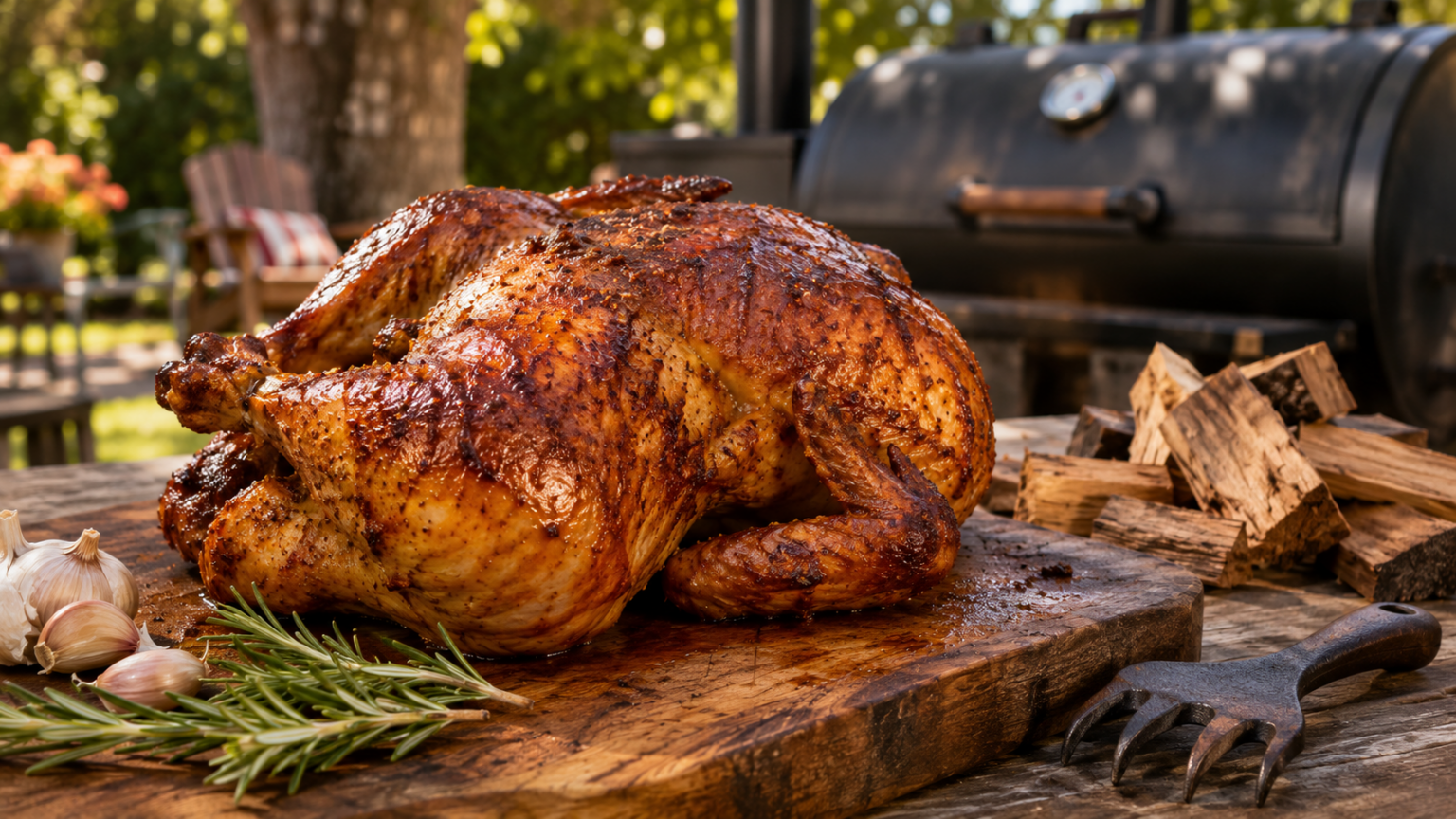
Best Wood for Smoking Chicken: Best Flavor Choices and Fun Facts
Chicken has a delicate flavor that can disappear beneath heavy barbecue smoke. A gentle fire can complement juicy meat, while […]
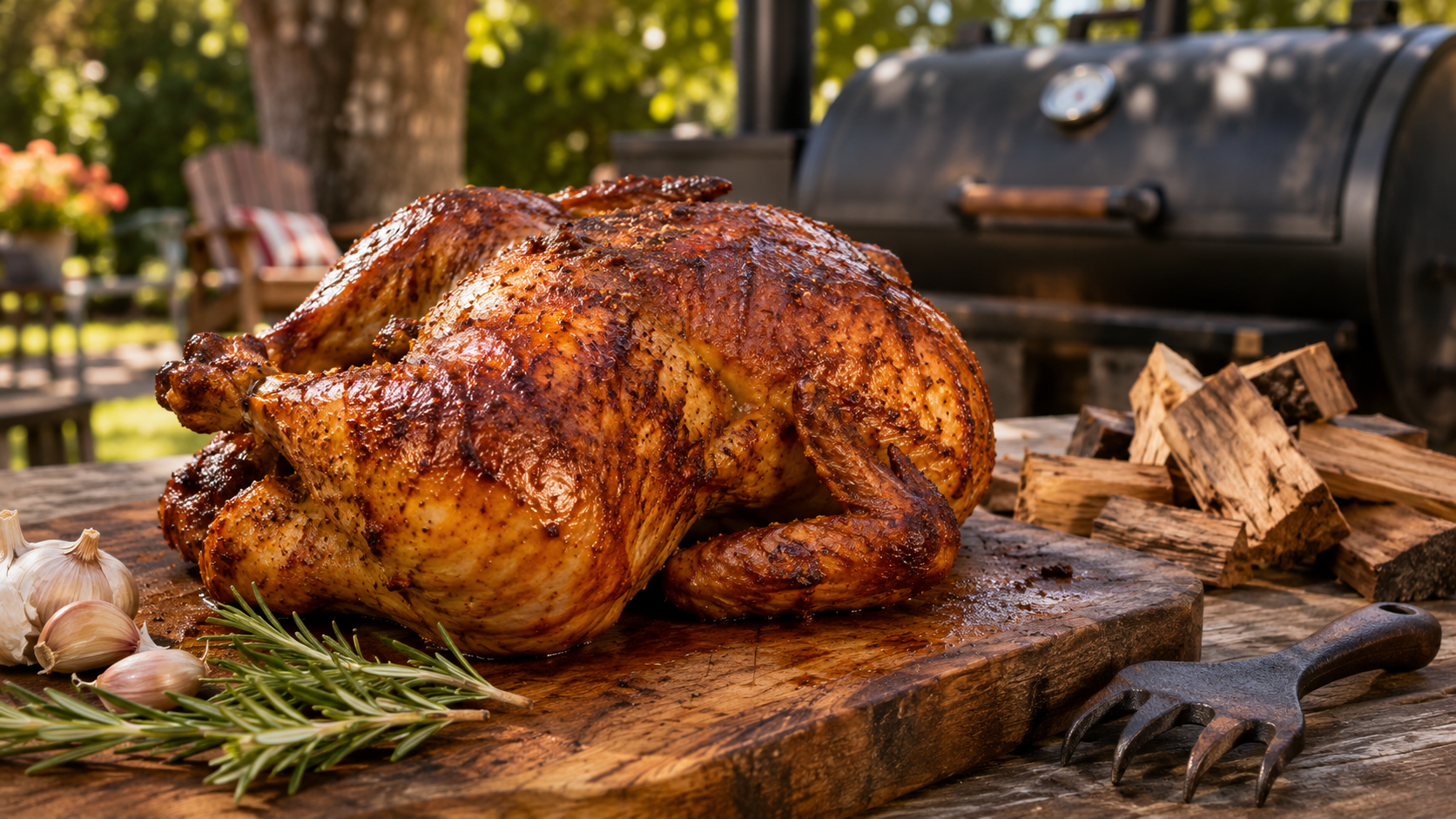
Chicken has a delicate flavor that can disappear beneath heavy barbecue smoke. A gentle fire can complement juicy meat, while excessive smoke tastes harsh. For most home cooks, the best wood for smoking chicken is apple or cherry. Both are approachable fruitwoods that work well with classic poultry seasonings.
There are other excellent options. Pecan adds richness, maple contributes a subtle sweet impression, and hickory offers a bolder barbecue character when used carefully. Finding the best wood for smoking chicken means considering the cut, the rub, the smoker, and how strongly you want the smoke to taste.
Why Poultry Benefits From a Lighter Smoke
Beef brisket and pork shoulder often spend hours in a smoker, but chicken usually cooks faster and has a comparatively gentle flavor. A strong smoke profile can overwhelm breast meat, particularly when the seasoning is simple. Fruitwoods make an inviting starting point because their aromas complement poultry instead of competing with it.
There is no universally best wood for smoking chicken for every palate. Think of wood as another seasoning: sweet and mild for lemon-herb chicken, more robust for peppery thighs or glazed wings. Heat control and proper cooking matter just as much.
What Smoking Wood Actually Changes
As wood heats and burns, it releases aromatic compounds that settle on the food’s surface. Differences in wood species and burning conditions contribute to the finished aroma, color, and perceived flavor.
Woods Worth Trying
Apple: The Easy Starting Point
Applewood produces a mild, gently fruity smoke that fits whole chickens, breasts, and lightly seasoned pieces. It works particularly well with garlic, thyme, lemon, and simple salt-and-pepper rubs. If you’re buying fuel for your first cook and want a safe flavor choice, apple is a strong candidate for the best wood for smoking chicken.
Cherry: Sweet Aroma and Attractive Color
Cherry is another favorite for poultry. Its smoke is generally gentle and can help develop a deeper reddish-brown exterior, though seasoning and cooking conditions also influence color. Try cherry with paprika, brown-sugar rubs, or a lightly glazed spatchcock chicken. Cherry may be the best wood for smoking chicken when presentation matters.
Pecan: A Fuller Barbecue Character
Pecan belongs to the hickory family and offers a richer character than many fruitwoods, often described as mellow, slightly nutty, and moderately sweet. It pairs nicely with dark meat and savory spice blends. Pecan makes an especially useful choice when apple tastes too subtle but straight hickory feels too strong.
Maple: Gentle and Versatile
Maple lends a subtle, rounded smoke that suits simple poultry preparations. Do not expect wood smoke to taste like maple syrup; the effect is much less literal. Pair it with a restrained herb rub or a glaze added toward the end of cooking. Maple can be the best wood for smoking chicken when you want a mild backdrop for other flavors.
Alder and Peach: Delicate Alternatives
Alder is associated with fish but also works with poultry when you want a very light smoke presence. Peach is another fruitwood option with a gentle aroma. Both are worth exploring if your favorite recipe uses herbs rather than assertive barbecue spices.
Oak: A Reliable Base for Blends
Oak offers a balanced, recognizable barbecue smoke and burns reliably in many wood-fired smokers. It blends easily with fruitwood. If your smoker needs logs as a primary fuel source, a well-managed oak fire with a little fruitwood can be more practical than trying to burn fruitwood exclusively.
Hickory and Mesquite: Use a Light Hand
Hickory supplies a strong, savory smoke that some people associate with traditional American barbecue. It can complement spicy wings or richly seasoned leg quarters, but it can also dominate delicate breasts. Mesquite is generally more assertive still. Use a small amount or blend with milder wood. For first-timers, they are rarely the best wood for smoking chicken when used as the only flavor wood. These flavor distinctions are broadly consistent with Weber’s smoking-wood guide and the Culinary Institute of America’s smoking reference. Weber+1
Match Your Wood to the Chicken Cut
A whole chicken benefits from an even, gentle smoke because the breast and legs have different textures. Apple or cherry gives you a flexible foundation without demanding an especially heavy rub. For spatchcock chicken, the flatter shape can cook more evenly, and a cherry-apple combination is a good experiment.
When selecting the best wood for smoking chicken breasts, remember that lean meat is easy to overwhelm. Choose apple, maple, or alder and avoid chasing dramatic smoke clouds. Thighs and drumsticks can stand up to pecan or a touch of hickory, particularly with pepper, paprika, or barbecue sauce. Wings are small and often strongly seasoned, making a cherry-hickory blend an interesting choice.
The best wood for smoking chicken changes with the cut. Think about the seasoning’s intensity and whether you want the chicken itself or the smoke to lead each bite.
Choose Chips, Chunks, or Pellets for Your Smoker
Wood species and wood format are separate decisions. Chips heat and burn relatively quickly, making them useful where the manufacturer specifies a chip tray or box. Chunks last longer and fit many charcoal smokers. Food-grade pellets are designed for compatible pellet grills; use only the fuel your appliance manufacturer allows. Split logs belong in equipment designed to burn them safely.
The best wood for smoking chicken in a pellet grill may simply be a high-quality apple or cherry pellet that burns consistently. In a charcoal smoker, two modest chunks might give a better result than repeatedly adding handfuls of chips. Follow your smoker’s guidance on quantity.
Should You Soak Wood Chips?
Instructions differ by cooker. Some charcoal-smoking guidance recommends soaking chips to reduce flare-ups, while other manufacturers specify dry chips for their equipment. Soaking is not automatically better. Follow your smoker’s manual, never soak pellets intended for a pellet-feed system, and remember that airflow and fuel management influence smoke quality.
How to Smoke Chicken With Better Flavor
Start with fully thawed chicken, clean equipment, and a thermometer for both the cooking chamber and the food. Season the chicken, preheat the smoker, and create a steady heat source before introducing the wood. USDA guidance for hot smoking meat and poultry recommends maintaining smoker temperatures between 225°F and 300°F. ask.fsis.usda.gov
Set the chicken in indirect heat, keep the lid closed as reasonably possible, and monitor the thickest parts rather than relying on a fixed number of hours. Even the best wood for smoking chicken cannot rescue undercooked or dried-out meat. USDA’s safe minimum internal temperature for all poultry is 165°F (74°C); check the breast and the innermost thigh and wing areas without touching bone. Larger pieces may be cooked further for a preferred texture, but the thermometer—not the skin color—confirms minimum safety. ask.fsis.usda.gov
Keep the Smoke Clean, Not Thick
Aim for light smoke, not heavy clouds. Dense, dirty smoke may leave bitter or sooty flavors. Give the fuel enough appropriate airflow, avoid overloading the chamber with wood, and adjust fuel gradually. Trying to create the strongest possible smoke is a common beginner mistake.
Finish for Skin, Not Just Smoke
Smoking is only part of the texture equation. Excess moisture and low cooking heat may leave skin soft. Pat chicken dry before seasoning, avoid unnecessary spritzing, and use a cooking method that allows the skin to brown while still monitoring internal temperature. A crisp exterior and juicy meat can coexist with restrained smoke flavor.
Fun Facts That Make Smoking More Interesting
Fruitwood Does Not Make the Meat Taste Like Fruit Juice
Apple and cherry woods are often described as sweet or fruity, but those words refer to perceived smoke aroma, not sugary juice entering the chicken. The effect is subtle, and rubs, sauces, and cooking methods can change what you notice. That is one reason the best wood for smoking chicken is a matter of taste rather than a scientific ranking.
A Pink Smoke Ring Is Not a Safety Test
The pinkish band sometimes seen in barbecued meat comes from reactions involving combustion gases and meat pigments. Texas A&M’s barbecue science resources explain the role of nitric oxide and myoglobin in smoke-ring formation. A pink ring does not establish whether poultry is cooked safely. Only a properly used thermometer can answer that question. Meat Science
Mixing Woods Is Like Blending Seasonings
Apple with a little pecan creates a mild smoke with added depth; cherry with a little hickory can support boldly seasoned wings. Start with a mild base and make one change at a time so you can actually taste the difference. You do not need a precise universal blending ratio to experiment successfully.
Not Every Tree Belongs in a Smoker
Never burn pressure-treated, painted, glued, or unknown scrap wood near food. Avoid resinous softwoods such as pine, fir, and spruce as smoking fuel. USDA specifically cautions against such softwoods for poultry because of the unpleasant resinous smoke. Buy clean smoking-grade fuel from a trusted supplier, and never use an improvised cooking vessel made from unsafe materials. ask.fsis.usda.gov
Common Mistakes That Spoil Smoked Chicken
The biggest mistake when choosing the best wood for smoking chicken is using too much strong wood. Another is focusing on the wood while ignoring heat control. Wet, smoldering fuel, repeated lid opening, and inaccurate thermometers can undermine an otherwise sound recipe. Thaw and marinate raw chicken under refrigeration.
After cooking, refrigerate leftovers within two hours, or within one hour when the outdoor temperature exceeds 90°F. Divide large amounts into shallow containers for faster cooling. USDA advises using refrigerated smoked meat and poultry within four days or freezing it. Good barbecue includes careful food handling from start to finish. ask.fsis.usda.gov+1
Frequently Asked Questions
Which wood should a beginner use first?
Apple is a practical starting point because it brings a mild flavor that complements most poultry seasonings. Cherry is a close alternative if you want a deeper-looking exterior. For most beginners, the best wood for smoking chicken is whichever of these clean, food-grade options works reliably in their smoker.
Is hickory too strong for chicken?
Not necessarily. Hickory can taste excellent with thighs or wings, especially when blended with a milder wood. Start with a little rather than a full load. Whether it seems overpowering depends on the quantity, combustion conditions, seasoning, and your preferences.
Can I use the same wood for chicken and turkey?
Yes. Apple, cherry, pecan, and maple can complement both birds. Larger pieces and whole turkeys need careful temperature monitoring, so do not assume the cooking time or procedure is identical. The best wood for smoking chicken can also be a useful first experiment for other poultry.
Are pellets better than wood chunks?
Neither is universally better. The best wood for smoking chicken in a pellet smoker comes in compatible pellets; chunks work well in many charcoal smokers. The design of your equipment determines what format is appropriate. Consistent heat and clean smoke matter more than choosing one fuel shape over another.
Does darker chicken skin mean stronger smoke flavor?
Not always. Wood, seasoning, sugar, cooking temperature, and time all influence color. Cherry may encourage a richer-looking exterior, but appearances alone do not reveal flavor or safety. Use a thermometer and judge smoke intensity by taste.
How long should I smoke chicken?
There is no single reliable time for every bird or cut. Thickness, starting temperature, outdoor conditions, and smoker performance vary. Maintain an appropriate cooking temperature and check the meat with a thermometer until it reaches at least 165°F. The best wood for smoking chicken is only one part of a successful cook.
Conclusion
Apple and cherry are excellent starting woods for gentle, crowd-pleasing poultry smoke. Pecan and maple offer variety, while hickory and oak can add depth when managed carefully. If you are choosing the best wood for smoking chicken, start with the flavors your family likes, use clean food-grade fuel, and keep the fire steady. With a thermometer, a little restraint, and a willingness to experiment, you can produce delicious smoked chicken without turning an ordinary backyard meal into a complicated project.

Written by Twastia Editorial Team
Twastia Editorial Team shares practical insights about website design, SEO services, Google Ads, content marketing, social media, conversion rate optimization, and digital marketing strategy.
Last updated: Nov 10, 2026
Related posts from Twastia
Explore more useful articles from twastia.com about digital marketing, SEO, websites, ads, content, and growth strategy.