Hire a Qualified Plumber: Best 5 Reasons to Choose Professional Services
A dripping faucet may seem like a minor inconvenience, but plumbing problems can quickly become more complicated when the underlying […]
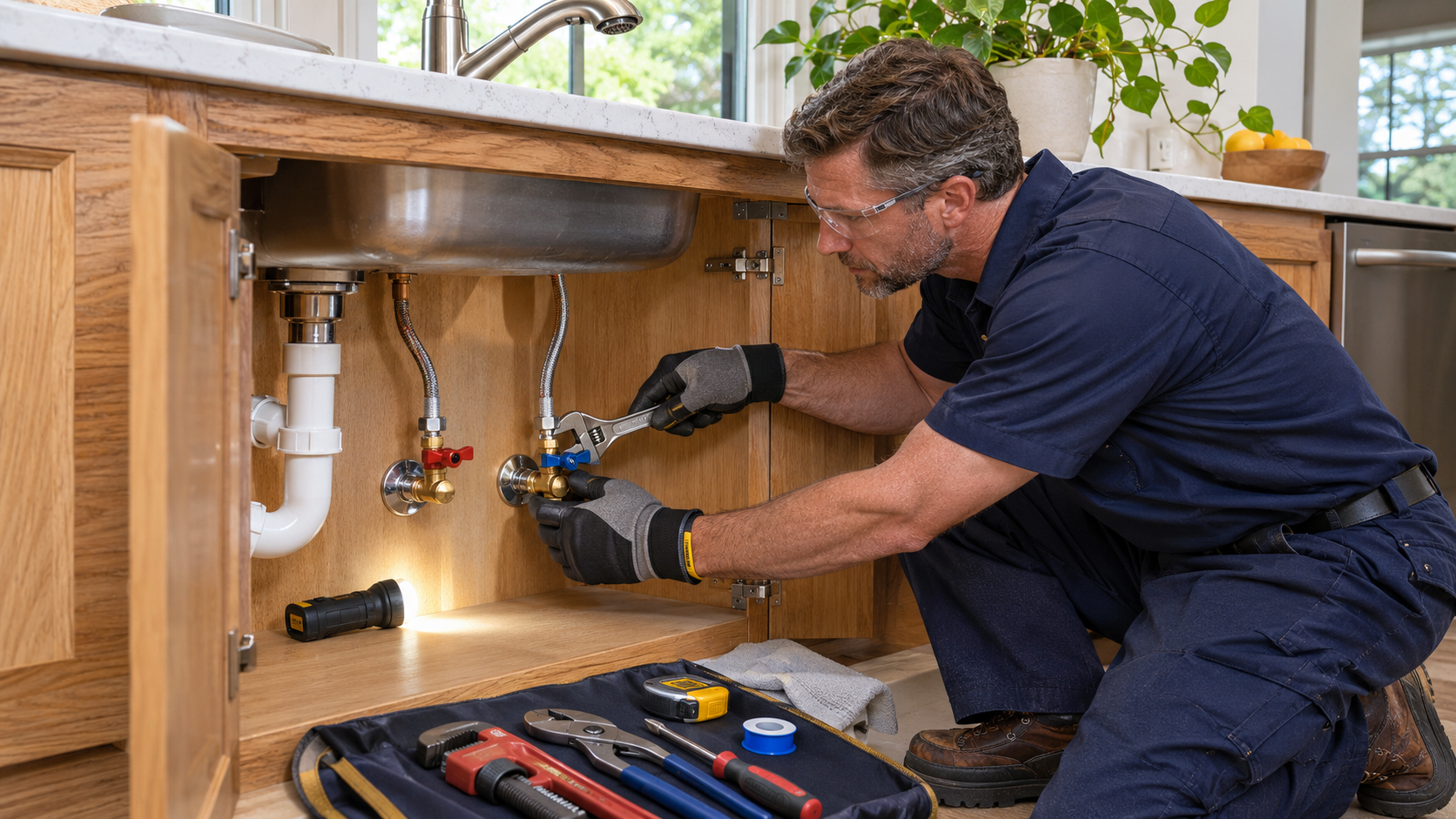
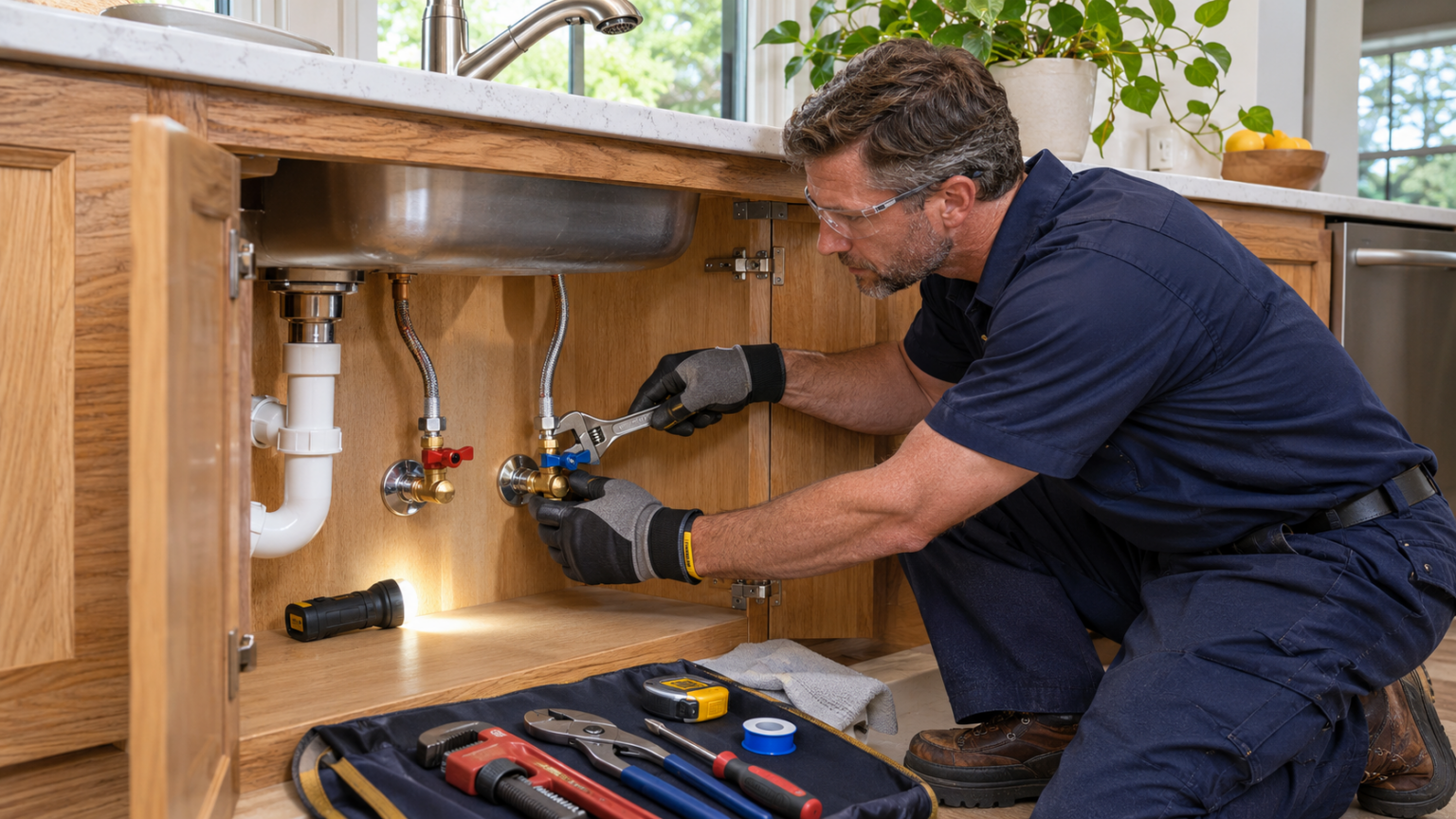
A dripping faucet may seem like a minor inconvenience, but plumbing problems can quickly become more complicated when the underlying cause is unclear. A hidden pipe leak, blocked sewer line, or improperly installed water heater can create property damage, disrupt daily routines, and introduce safety concerns.
Many homeowners attempt basic repairs to save money. While some simple maintenance tasks are manageable, others require specialized knowledge, professional equipment, and an understanding of applicable plumbing codes.
Knowing when to hire a qualified plumber can help you make better decisions about home maintenance and avoid repairs that create additional problems.
An experienced plumbing professional can diagnose complicated issues, recommend suitable solutions, and complete work according to relevant safety requirements. Here are five important reasons professional plumbing services may be worth the investment.
1. Professional Expertise Helps Identify the Real Problem
One of the biggest advantages of working with an experienced plumber is the ability to investigate the actual cause of a problem.
A slow drain does not always mean there is a simple blockage near the fixture. Similarly, low water pressure may involve a faulty valve, mineral buildup, a leaking supply line, or another system issue.
When you hire a qualified plumber, you gain access to someone trained to evaluate plumbing systems rather than relying solely on visible symptoms.
Accurate Diagnosis Can Prevent Repeated Repairs
Imagine a bathroom sink that drains slowly despite repeated attempts to clear it.
A homeowner might assume the blockage is located inside the sink trap. However, the problem could involve another part of the drainage system.
A professional plumber can examine the installation, assess possible causes, and determine whether additional inspection is necessary.
For complicated drainage issues, professional tools may include appropriate drain-cleaning equipment or pipe inspection cameras.
Experience Matters for Different Plumbing Systems
Residential properties may contain copper, PEX, PVC, CPVC, cast iron, or other piping materials.
Each has different installation methods, connection requirements, and limitations.
An experienced professional should understand which products and procedures are appropriate for the specific system.
This is especially valuable in older homes where previous repairs, outdated materials, or concealed plumbing modifications can complicate the job.
Avoid Treating Symptoms Instead of Causes
A temporary fix may stop a visible drip without resolving the source of the leak.
A carefully diagnosed repair addresses the underlying failure and considers whether nearby components also need attention.
This is an important reason to hire a qualified plumber when problems persist or repeatedly return.
2. Professional Repairs Can Protect Your Home From Water Damage
Water leaks can damage flooring, cabinetry, drywall, insulation, and other building materials.
When moisture remains concealed, the problem may spread before homeowners realize something is wrong.
Professional assistance can help identify leaks and determine appropriate repairs before additional damage develops.
Small Leaks Can Waste Significant Amounts of Water
According to the U.S. Environmental Protection Agency, household leaks can waste nearly 10,000 gallons of water annually in an average home, and 10% of homes have leaks that waste 90 gallons or more each day. US EPA
These figures demonstrate why even apparently minor plumbing problems deserve attention.
A steadily dripping fixture may be relatively straightforward to repair, while water collecting behind a wall may require more extensive investigation.
Hidden Leaks Require Careful Investigation
Signs of a concealed leak can include unexplained water stains, damp flooring, unusually high water bills, musty odors, or recurring moisture near plumbing fixtures.
However, these symptoms do not always confirm a plumbing leak.
When you hire a qualified plumber, the professional can assess the relevant water lines, drainage connections, and fixtures to help determine whether the plumbing system is responsible.
Specialized moisture detection or pressure testing may be appropriate depending on the circumstances.
Preventing Secondary Damage
Water damage often extends beyond the original failed pipe.
A leak beneath a kitchen sink can affect the cabinet base and adjoining flooring. Moisture behind a bathroom wall may damage surrounding finishes.
Prompt repairs can help limit further deterioration, although existing moisture damage may require separate restoration work.
For this reason, homeowners should hire a qualified plumber when leaks are persistent, concealed, or affecting important building materials.
3. Qualified Plumbers Understand Safety Standards and Building Codes
Plumbing work is not simply about connecting pipes.
Water supply systems, drainage installations, water heaters, and certain fuel-gas connections are subject to technical and regulatory requirements.
Improper installation can create leaks, contamination risks, unsafe pressure conditions, or other hazards.
A major reason to hire a qualified plumber is to have work performed by someone with the appropriate training and authorization for the project.
Plumbing Codes Protect Building Occupants
Plumbing codes establish requirements for matters such as drainage, venting, pipe materials, connections, fixtures, and sanitary operation.
However, the rules differ by jurisdiction.
Homeowners should confirm which codes and permit requirements apply locally rather than assuming a national standard automatically governs every property.
For example, the Colorado State Plumbing Board clarified in December 2025 that domestic water heater installations and replacements in Colorado require a licensed plumbing contractor, permits, and inspections under applicable state law. GovDelivery
This illustrates why local requirements must be checked before starting significant plumbing work.
Water Heaters Require Particular Care
Water heater installation can involve plumbing connections, temperature and pressure safety devices, electrical components, and, for certain systems, gas supply and exhaust arrangements.
Incorrect work can create serious safety risks.
A properly authorized plumber should coordinate with other licensed trades where necessary and follow the equipment manufacturer’s installation instructions.
Do not assume every plumber is authorized to perform every type of gas or electrical work.
Drinking Water Safety Matters
Older plumbing systems may contain lead service lines or other components that contribute to lead exposure.
The EPA identifies lead service lines as an important source of lead in drinking water and recommends appropriate identification and replacement procedures. US EPA
Replacing such systems requires careful coordination with the relevant water utility and qualified contractors.
Homeowners should hire a qualified plumber for work that may affect drinking-water safety, particularly where local regulations require licensed professionals.
4. Professional Plumbing Work Can Save Time and Money
Hiring a professional may appear more expensive than completing a repair yourself, particularly when the problem seems minor.
However, an unsuccessful DIY repair can result in additional material costs, repeated service visits, or damage that would have been avoidable with an accurate diagnosis.
One reason to hire a qualified plumber is to reduce the risk of unnecessary trial-and-error repairs.
Avoid Purchasing the Wrong Parts
Plumbing components are not always interchangeable.
Fittings may differ in size, material, thread type, pressure rating, or installation method.
A homeowner unfamiliar with these differences may purchase several incompatible components before identifying the correct replacement.
A knowledgeable plumber can assess the installation and select suitable materials for the specific repair.
Reduce Unnecessary Water Waste
Leaking fixtures can waste water continuously, increasing utility costs over time.
EPA WaterSense reports that leaks in an average household can account for nearly 10,000 gallons of wasted water annually. Addressing leaks promptly can therefore support water conservation and reduce avoidable expenses. US EPA+1
When you hire a qualified plumber, ask whether the professional can also identify additional leaks or maintenance concerns during the visit.
That does not mean every fixture needs replacing. A useful plumbing assessment should distinguish urgent problems from optional improvements.
Consider the Long-Term Cost of Repairs
A low initial quote does not necessarily represent the best long-term value.
Compare the proposed scope of work, material quality, warranty conditions, and whether the repair addresses the underlying problem.
For example, repeatedly clearing a drain without investigating a recurring obstruction may cost more than a suitable professional assessment.
Homeowners should hire a qualified plumber when the potential consequences of an unsuccessful repair outweigh the apparent savings.
5. Qualified Professionals Offer Accountability and Reliable Service
Professional plumbing work should involve clear communication, an appropriate scope of service, and documented terms.
A reputable contractor should be willing to explain the suspected problem, discuss repair options, and provide information about pricing before beginning nonemergency work.
Accountability is another important reason to hire a qualified plumber rather than selecting an unfamiliar individual based solely on the lowest advertised price.
Licensing and Insurance Provide Important Protections
Licensing requirements vary across U.S. states and municipalities.
Some jurisdictions distinguish between apprentices, journeyman plumbers, master plumbers, and plumbing contractors.
The Texas State Board of Plumbing Examiners, for example, advises consumers to verify license and insurance information, obtain written estimates, and confirm who will secure necessary permits. tsbpe.texas.gov
A license does not guarantee flawless workmanship, but proper verification helps establish whether a professional has the authorization required for the work.
Written Estimates Improve Transparency
A detailed estimate should explain the proposed work, materials, labor charges, and any conditions that could change the price.
Ask whether the contractor charges a diagnostic fee, offers emergency service, or provides a written warranty.
For significant repairs, compare more than one proposal when circumstances allow.
The Pennsylvania Attorney General’s consumer guidance similarly recommends checking contractor credentials and references while obtaining multiple bids. PA Office of Attorney General
Workmanship Warranties Can Offer Reassurance
Some contractors provide a warranty on workmanship, while manufacturers separately cover qualifying replacement parts.
Coverage depends on the written agreement.
Before you hire a qualified plumber, ask what the warranty includes, how long it applies, and whether labor or additional service visits are covered.
Never assume that every plumbing repair automatically comes with lifetime protection.
How to Choose the Right Plumbing Professional
Knowing the benefits of professional plumbing is only part of the decision. You also need to identify someone who is appropriately qualified for your project.
The Hawaii Department of Commerce and Consumer Affairs recommends checking professional license information and complaint records when evaluating plumbers and contractors. DCCA Hawaii
Verify Professional Credentials
Before agreeing to substantial work, confirm the contractor’s licensing status with the relevant state or local authority.
Check that the license classification permits the type of work being performed.
A professional qualified for ordinary residential plumbing may not necessarily hold every authorization required for specialty installations.
Ask About Relevant Experience
A plumber experienced with faucet repairs may also handle water heaters or sewer systems, but specialized projects deserve more specific questions.
When you hire a qualified plumber, explain the issue clearly and ask whether the company regularly completes similar work.
Request references where appropriate, particularly for major renovations or complicated installations.
Compare Written Proposals
Do not evaluate contractors solely by their hourly rate.
Consider whether the estimate covers diagnosis, parts, labor, permits, cleanup, and follow-up work.
Be cautious of demands for full payment before work begins, refusal to provide license information, or pressure to approve expensive repairs immediately.
These warning signs deserve particular attention when deciding whether to hire a qualified plumber for a large project.
When Should You Call a Plumber Immediately?
Certain problems require faster action than routine maintenance.
A burst pipe, sewage backup, major uncontrolled leak, or water entering electrical equipment can create immediate hazards.
If safe, shut off the relevant water supply and keep people away from affected areas.
For suspected gas leaks, leave the area and contact the gas utility or emergency services from a safe location. Do not operate electrical switches or attempt repairs.
You should hire a qualified plumber promptly when an active plumbing problem threatens property, sanitation, or essential services.
Signs That Should Not Be Ignored
Pay attention to persistent drainage problems affecting multiple fixtures, unexplained water pressure changes, recurring leaks, and visible water damage.
A leaking water heater or wastewater backing up into living areas also deserves prompt professional attention.
The urgency depends on the situation, but delaying necessary repairs can allow conditions to worsen.
Frequently Asked Questions
Why should I hire a professional plumber instead of doing repairs myself?
Professional plumbers have relevant training, experience, and access to suitable equipment.
Choosing to hire a qualified plumber can be especially beneficial for complicated repairs, water heater installation, hidden leaks, and work requiring permits or inspections.
Basic household maintenance may still be appropriate for homeowners when it can be performed safely and legally.
How can I verify whether a plumber is licensed?
Contact the state plumbing board or relevant local licensing authority.
Many jurisdictions provide online tools for checking license status, classifications, and disciplinary information.
Are professional plumbing services expensive?
Costs vary according to the problem, location, labor requirements, materials, and urgency.
Request a detailed estimate and compare the proposed work with other qualified contractors when practical.
Can a plumber help prevent future problems?
Yes. A plumber may identify aging components, recurring leaks, unsuitable connections, or other conditions that deserve maintenance.
However, no inspection can guarantee that every future plumbing failure will be prevented.
Is a plumbing permit always required?
No. Permit requirements depend on the jurisdiction and type of work.
Some minor repairs may be exempt, while significant installations and alterations may require permits and inspections.
Should I call a plumber for a small water leak?
Minor leaks may sometimes be repaired with simple maintenance.
However, if the source is concealed, the leak returns, or the repair involves unfamiliar plumbing components, it is sensible to hire a qualified plumber for an assessment.
Conclusion
Plumbing systems play an essential role in maintaining a comfortable, functional, and sanitary home.
Although some minor maintenance tasks can be completed independently, complicated repairs require careful diagnosis, appropriate materials, and an understanding of safety requirements.
The five main reasons to hire a qualified plumber are professional expertise, protection against water damage, compliance with applicable safety standards, potential long-term savings, and greater accountability.
Choosing an experienced, properly authorized professional can help homeowners avoid preventable mistakes and make more informed decisions about their plumbing systems.
Before scheduling service, verify credentials, understand the proposed repair, and request clear written terms. A reliable plumbing professional should help you understand both the problem and the solution.

Written by Twastia Editorial Team
Twastia Editorial Team shares practical insights about website design, SEO services, Google Ads, content marketing, social media, conversion rate optimization, and digital marketing strategy.
Last updated: Nov 12, 2026
Related posts from Twastia
Explore more useful articles from twastia.com about digital marketing, SEO, websites, ads, content, and growth strategy.