Why iMideo Is Becoming the Go-To Platform for Multi-Model AI Video Creation
Artificial intelligence is rapidly changing the way videos are created. What once required professional editing software, motion capture technology, and […]
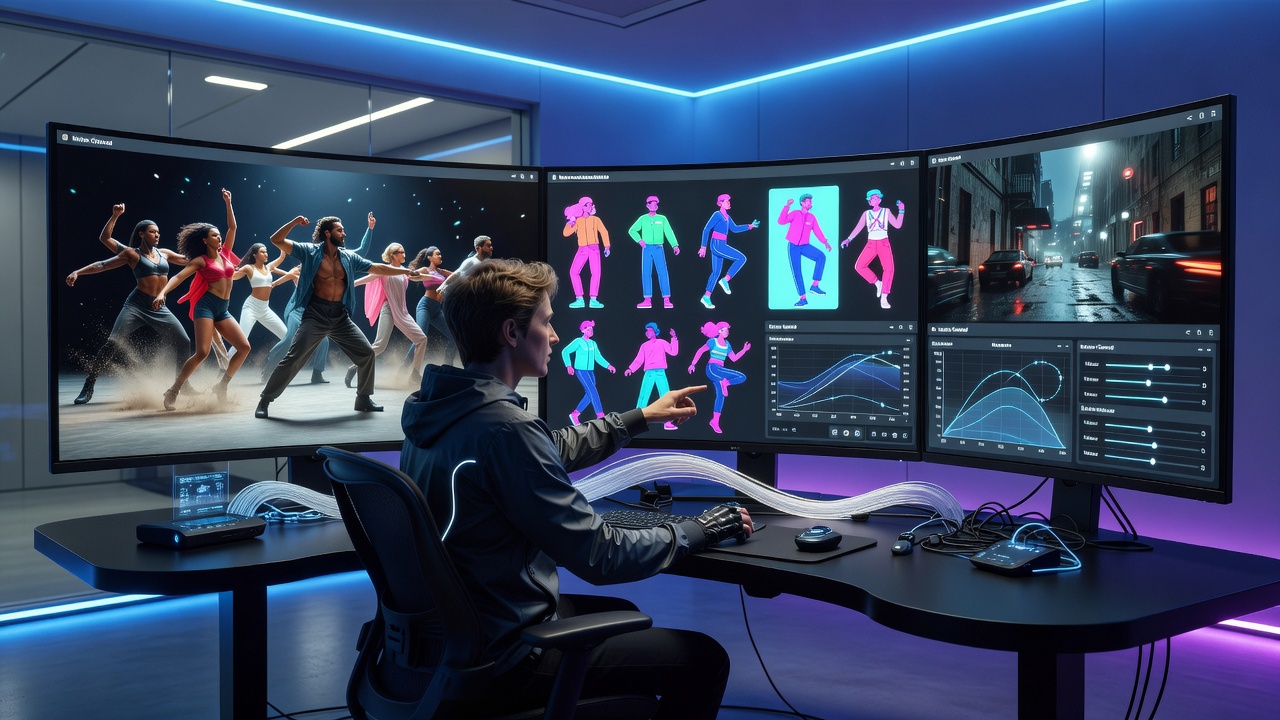
Artificial intelligence is rapidly changing the way videos are created. What once required professional editing software, motion capture technology, and experienced animators can now be accomplished through AI-powered tools that generate videos from text prompts, images, or reference footage. However, not every AI model excels at every creative task. Some produce realistic human movement, while others perform better with animated characters, cinematic visuals, or artistic effects. This is where iMideo stands out by providing creators with access to multiple AI video models within a single workspace.
Instead of subscribing to multiple platforms and switching between different interfaces, creators can experiment with various AI models from one centralized environment. This flexibility is especially valuable for content creators, marketers, educators, filmmakers, designers, and social media professionals who need different styles of video generation depending on their projects.
For example, realistic dance videos often require sophisticated motion generation. Models such as Kling Motion Control are known for handling realistic human movement, while other AI models may be better suited for stylized animation, cartoon-style characters, or artistic visual storytelling. By combining multiple AI technologies into one platform, iMideo allows users to select the model that best fits each creative goal.
This guide explores how iMideo works, its key features, benefits, creative applications, AI video technologies, and why multi-model workflows are becoming increasingly important in modern content creation.
What Is iMideo?
iMideo is an AI-powered video creation platform that brings multiple AI video generation models into a single workspace. Rather than relying on one AI engine, the platform allows users to choose different models based on the type of content they want to create.
Depending on available integrations and platform updates, users may generate:
- AI videos
- Animated characters
- Motion-controlled videos
- Dance animations
- Marketing videos
- Social media content
- Creative visual effects
Instead of managing multiple subscriptions and workflows, creators can work within one platform while selecting the AI model best suited to each project.
Why Multi-Model AI Platforms Matter
Artificial intelligence video generation is evolving rapidly.
Each AI model has unique strengths.
Some specialize in:
- Realistic human movement
- Facial expressions
- Cinematic scenes
- Anime-style animation
- Stylized artwork
- Motion consistency
- Camera movement
No single AI model currently performs equally well across every creative task.
A multi-model platform allows creators to choose the most appropriate technology for each project.
How iMideo Simplifies AI Video Creation
Traditional AI workflows often require switching between several independent services.
With iMideo, creators can manage multiple AI tools from one interface.
Potential workflow improvements include:
- Centralized project management
- Simplified model selection
- Faster experimentation
- Reduced workflow interruptions
- Easier content organization
This integrated approach can improve productivity while reducing the complexity of AI video production.
Understanding AI Video Models
Different AI models are designed for different creative objectives.
Realistic Motion Generation
Some AI systems focus on producing natural human movement.
These models are particularly useful for:
- Dance videos
- Fitness demonstrations
- Human performance
- Motion recreation
According to publicly available information, Kling Motion Control is recognized for producing realistic human movement in supported workflows.
Stylized Animation
Other models prioritize artistic interpretation rather than realism.
These may produce:
- Cartoon characters
- Fantasy scenes
- Anime-inspired visuals
- Creative illustrations
The appropriate model depends on the desired visual style.
Cinematic Video Generation
Certain AI engines emphasize dramatic camera movement, lighting, and scene composition.
These capabilities support storytelling and promotional content.
Key Features of iMideo
While available features may evolve over time, platforms like iMideo generally focus on simplifying AI-powered video production.
Multiple AI Models
Users can choose between different AI engines without changing platforms.
Unified Workspace
Projects remain organized within a centralized interface.
Faster Creative Workflow
Switching between models becomes more efficient than managing multiple independent applications.
Flexible Content Creation
Different projects may require different AI capabilities.
A unified platform supports greater creative flexibility.
Benefits of Using iMideo
Creators increasingly seek workflows that balance speed with creative quality.
Greater Creative Freedom
Access to multiple AI models allows users to experiment with different visual styles.
Improved Productivity
Managing projects from one dashboard reduces time spent switching between platforms.
Better Model Selection
Creators can choose the AI model that best matches each project’s objectives.
Simplified Learning
Learning one integrated platform may be easier than mastering multiple separate interfaces.
Scalable Content Production
Businesses producing large volumes of content may benefit from more efficient workflows.
Why Model Choice Matters for Dance Videos
Dance animation presents unique technical challenges.
Realistic movement requires accurate representation of:
- Body positioning
- Joint movement
- Timing
- Balance
- Motion continuity
Models known for realistic motion generation often perform better for dance-focused content.
Stylized animation models may instead prioritize artistic interpretation over physical realism.
Choosing the appropriate AI model significantly affects the final result.
Creative Applications
iMideo supports a wide range of creative projects.
Social Media Content
Short-form videos continue driving engagement across major platforms.
AI-generated content can support:
- Promotional videos
- Product showcases
- Entertainment
- Educational clips
Marketing
Businesses use AI video tools to produce advertising materials more efficiently.
Education
Educational creators can generate visual demonstrations and learning resources.
Entertainment
Independent creators produce animated stories, music videos, and experimental content.
Design Prototyping
Creative professionals use AI-generated videos during concept development before full production begins.
AI Video Creation Workflow
A typical workflow may include:
- Selecting an AI model.
- Uploading reference material where applicable.
- Writing prompts.
- Configuring generation settings.
- Reviewing results.
- Refining outputs. Creators can also edit videos with AI to refine generated footage, improve pacing, and prepare the final video for publication.
- Exporting completed videos.
Specific workflows vary depending on the selected AI model.
Artificial Intelligence Behind Modern Video Generation
Modern AI video systems combine several technologies.
These may include:
Machine Learning
AI models learn visual patterns from large training datasets.
Computer Vision
Computer vision helps analyze images and understand movement.
Motion Modeling
Motion generation systems simulate realistic body movement and animation.
Generative AI
Generative models create entirely new visual content based on prompts or reference inputs.
These technologies continue improving rapidly.
Best Practices for Better AI Videos
Creators using iMideo can improve results through thoughtful preparation.
Use Clear Prompts
Detailed prompts often produce more predictable outputs.
Select the Appropriate Model
Choose models according to the desired visual style rather than using the same model for every project.
Experiment
Testing multiple AI models may reveal different creative possibilities.
Review Outputs Carefully
AI-generated content often benefits from additional editing or refinement.
Combine Human Creativity with AI
Artificial intelligence supports creativity but does not replace artistic direction.
Common Challenges
AI video generation continues evolving.
Current challenges may include:
Motion Consistency
Complex movement sequences can sometimes produce inconsistent results.
Prompt Interpretation
Different models may interpret identical prompts differently.
Rendering Time
Generation speed varies depending on model complexity and hardware infrastructure.
Style Limitations
Each model has strengths and limitations.
Testing different options often improves final quality.
The Future of Multi-Model AI Platforms
The AI video industry is moving toward greater integration.
Future platforms may provide:
- More AI model choices
- Faster rendering
- Better motion realism
- Improved editing tools
- Voice generation
- Automatic scene editing
- Advanced character consistency
Unified creative platforms are expected to become increasingly important as AI capabilities expand.
Why iMideo Reflects the Future of AI Creativity
Rather than relying on a single AI engine, iMideo represents a broader trend toward flexible creative ecosystems where multiple specialized AI models work together.
As AI technology continues advancing, creators are likely to benefit from platforms that allow them to choose the right tool for each project rather than forcing every workflow through one model.
This flexibility encourages experimentation while supporting more efficient content production.
Conclusion
iMideo demonstrates how AI video creation is evolving beyond single-model platforms into integrated creative ecosystems that offer greater flexibility and efficiency. By allowing users to access multiple AI video generation models within one workspace, creators can select the technology best suited for realistic human motion, stylized animation, cinematic storytelling, or other creative objectives. As AI-generated video becomes increasingly important across marketing, education, entertainment, and digital media, platforms that simplify workflows while expanding creative possibilities are likely to play an increasingly significant role. While AI continues advancing rapidly, combining intelligent tools with human creativity remains the most effective approach to producing engaging and high-quality visual content.
FAQs
What is iMideo?
iMideo is an AI-powered video creation platform that provides access to multiple AI video generation models through a unified workspace.
Why does iMideo use multiple AI models?
Different AI models specialize in different tasks. Some generate realistic human movement, while others perform better with animation, artistic styles, or cinematic visuals.
Can iMideo create dance videos?
Yes. Depending on the available AI models, users can create dance-related content, including realistic motion sequences and stylized performances.
What is Kling Motion Control?
Kling Motion Control is an AI model recognized for generating realistic human movement, making it suitable for certain motion-focused video creation tasks.
Who can use iMideo?
Content creators, marketers, educators, designers, filmmakers, businesses, and social media professionals can use AI video platforms like iMideo to streamline content production.
Does AI replace professional video editing?
No. AI accelerates many production tasks, but human creativity, editing, storytelling, and artistic direction remain essential for producing high-quality content.

Written by Twastia Editorial Team
Twastia Editorial Team shares practical insights about website design, SEO services, Google Ads, content marketing, social media, conversion rate optimization, and digital marketing strategy.
Last updated: Oct 1, 2026
Related posts from Twastia
Explore more useful articles from twastia.com about digital marketing, SEO, websites, ads, content, and growth strategy.