Manual Car Wash: A Complete Guide to Cleaning Your Car
Automatic car washes are convenient, but sometimes you want more control over how your vehicle is cleaned. Maybe the wheels […]
Automatic car washes are convenient, but sometimes you want more control over how your vehicle is cleaned.
Maybe the wheels are covered in brake dust. Perhaps winter salt has collected behind the wheel arches. Your pickup may have mud across the lower panels, or the front bumper may be covered with bugs after a long highway drive.
A manual car wash gives you the freedom to spend more time on those areas rather than relying on the same automated wash cycle for every vehicle.
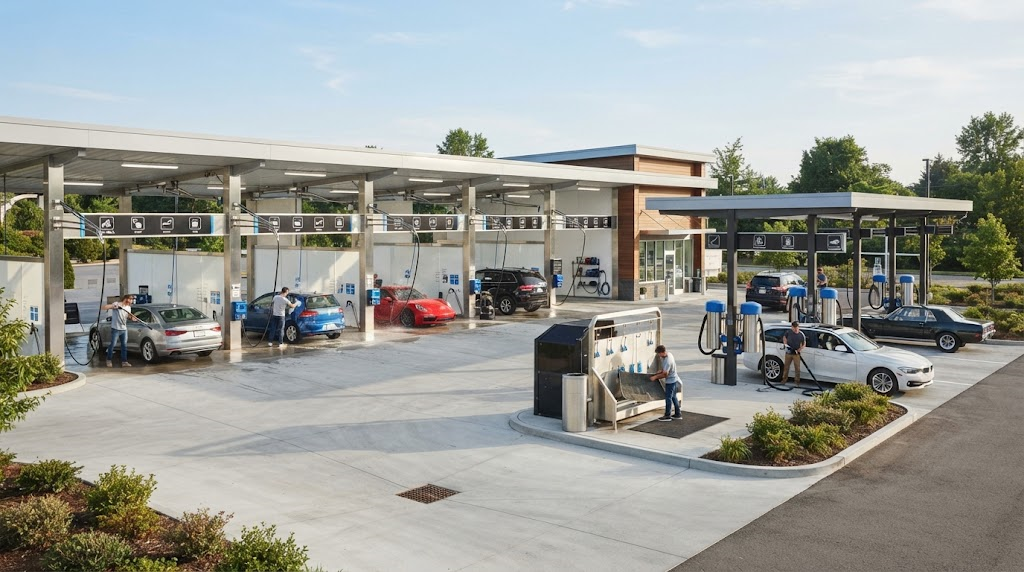
At a typical self-service facility, you drive into a wash bay and use professional equipment to rinse, soap, scrub where appropriate, rinse again, and apply finishing products. You control which areas receive the most attention and how long you spend on each stage.
Top Gear Car Wash in Calgary, for example, currently operates self-service hand/wand wash bays alongside coin, automatic, and touchless wash options. Its manual wash setup includes high-pressure rinsing, soap, wax, mat cleaning, vacuums, and additional bay equipment. The Calgary location currently operates seven days a week from 7 a.m. to 10 p.m.
Although that facility is in Canada, the same self-service approach is familiar to drivers throughout the United States.
Here is how to use a manual wash effectively without making common mistakes that can damage paint or waste money.
What Is a Manual Car Wash?
A manual car wash is a vehicle-cleaning method in which you control most or all of the washing process yourself.
The term can refer to:
- Self-service wash bays
- Wand washes
- Coin-operated car washes
- Hand washing at a commercial facility
- Professional hand-wash services
In this guide, the focus is primarily on self-service wash bays where professional equipment is provided but the driver does the cleaning.
Unlike an automatic tunnel, the vehicle remains stationary while you move around it.
What Equipment Is Usually Available?
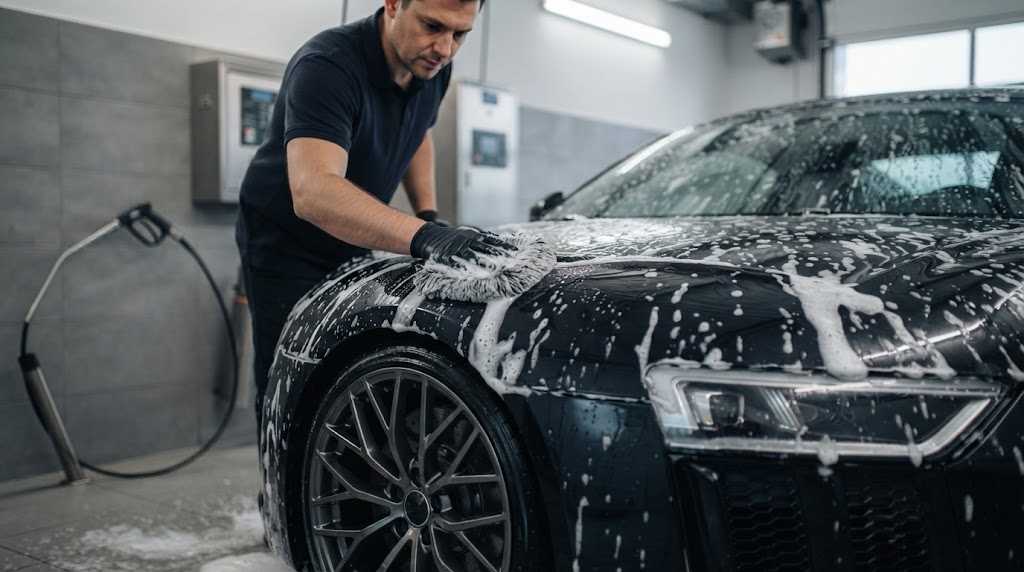
Features vary by facility, but a self-service wash may provide:
- High-pressure water
- Presoak
- Soap
- Foam brush
- Wax
- Spot-free rinse
- Vacuum
- Mat-cleaning tools
- Interior shampoo equipment
Top Gear’s current Calgary facility, for instance, advertises 13 spacious self-service bays with hot softened water, spot-free rinse, foam brushes, vacuums, shampoo equipment, and interior deodorizing functions.
Why Choose a Manual Car Wash?
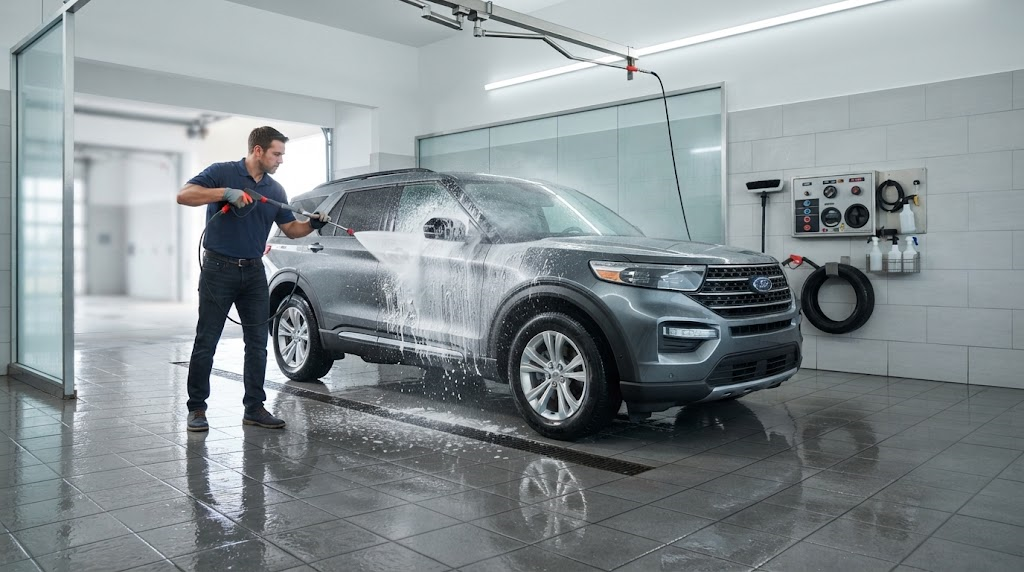
The biggest advantage is control.
An automatic system uses a predefined sequence. A manual wash allows you to adjust your cleaning process based on the condition of your vehicle.
Spend More Time Where the Car Is Dirty
A vehicle is rarely equally dirty everywhere.
The areas that commonly need extra attention include:
- Wheels
- Wheel wells
- Rocker panels
- Rear bumper
- Lower doors
- Front grille
- Floor mats
- Truck beds
With a manual wash, you can spend most of your paid wash time on those areas.
Useful for Trucks and SUVs
Larger vehicles can be awkward to wash at home.
A commercial self-service bay usually offers enough space to move around pickups and SUVs while providing professional water pressure.
Top Gear specifically lists cars, SUVs, pickup trucks, work vehicles, rideshare cars, delivery vehicles, and fleet vehicles as suitable for its self-service bays.
Manual Car Wash vs. Automatic Car Wash
Neither option is automatically best for every situation.
The right choice depends on what you need.
Manual Washing
A self-service wash gives you:
- More control
- Targeted cleaning
- More attention to wheels and lower panels
- Ability to clean mats
- Flexible wash time
- Hands-on inspection of the vehicle
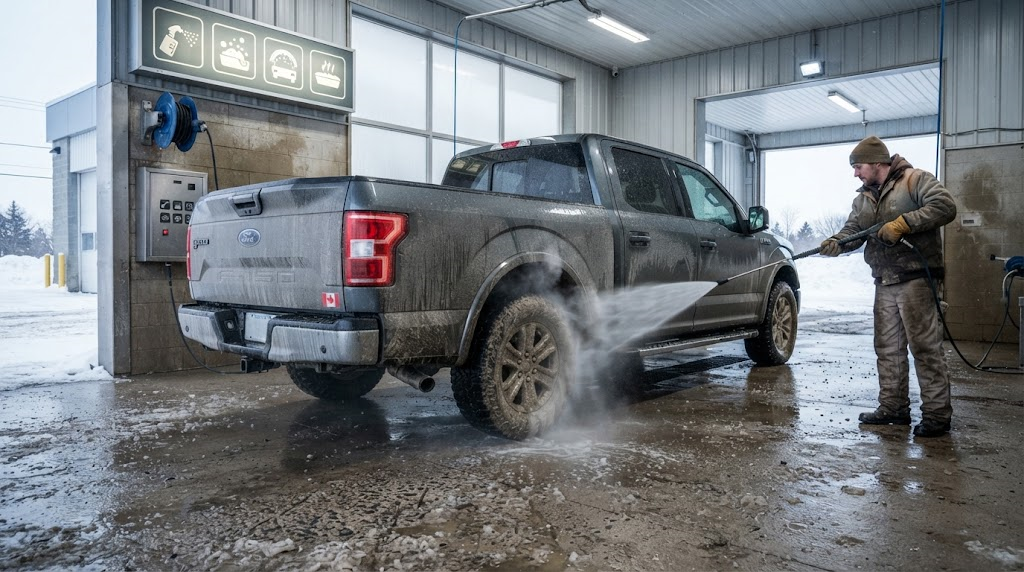
It can be especially useful after mud, snow, gravel roads, or heavy contamination.
Automatic Washing
An automatic wash can be preferable when:
- You are in a hurry
- The car only needs routine cleaning
- You do not want to handle wash equipment
- Weather makes extended manual washing uncomfortable
Top Gear currently provides both self-service and automatic/touchless options at the same Calgary facility, allowing drivers to choose based on time and cleaning needs.
How to Use a Manual Car Wash Properly
A good wash follows a logical sequence.
Starting with a brush on a heavily contaminated vehicle can move grit across the paint.
Instead, remove loose debris first.
Step 1: Park in the Center of the Bay
Leave enough space to walk safely around the entire vehicle.
Check that the pressure hose can reach every side without rubbing excessively against the body.
Remove rubber floor mats before starting if you plan to clean them.
Step 2: Pre-Rinse the Vehicle
Use water to remove loose:
- Sand
- Salt
- Mud
- Dust
- Road debris
Start at the top and move downward.
Why?
Dirty water naturally flows down the vehicle. Cleaning from top to bottom reduces the chance of moving grime back onto areas you have already washed.
Top Gear’s own manual wash instructions recommend beginning with a pre-rinse before applying soap or using a brush.
Step 3: Focus on Wheel Wells and Lower Panels
These areas often contain the heaviest contamination.
Pay extra attention to:
- Behind the wheels
- Rocker panels
- Lower bumpers
- Mud flaps
- Wheel arches
During winter, these areas may collect road salt and slush.
Do not place the high-pressure nozzle unnecessarily close to painted surfaces.
Step 4: Apply Soap
Once loose contamination has been removed, apply soap evenly.
Allow the detergent enough contact time to loosen road film, but do not let it dry onto the paint.
Work efficiently around the vehicle.
Step 5: Use the Foam Brush Carefully
Self-service foam brushes can help remove stubborn film, but they should be used thoughtfully.
Before touching your paint with a shared brush:
- Rinse the brush thoroughly.
- Check the bristles for visible grit.
- Make sure the vehicle has already been pressure rinsed.
- Avoid using a contaminated brush on delicate paint.
Top Gear currently advertises hog’s-hair foam brushes designed for its self-service bays.
Even with a quality brush, basic precautions still matter.
If you are particularly concerned about paint correction or swirl marks, you may prefer a touch-free method for the body and reserve brushes for less sensitive surfaces.
Step 6: Rinse Thoroughly
Remove all remaining soap.
Again, work from top to bottom.
Pay attention around:
- Mirrors
- Grilles
- Door handles
- Trim
- Emblems
- License plate areas
Soap trapped in small areas can run down the vehicle after you think the wash is finished.
Step 7: Use a Spot-Free Final Rinse
Many commercial car washes provide a spot-free rinse using filtered or treated water.
Top Gear advertises a spot-free rinse with no mineral content as part of its self-service setup.
This can reduce mineral spotting, particularly when you cannot hand-dry the vehicle immediately.
Step 8: Dry the Vehicle
For the best appearance, dry the vehicle using clean automotive microfiber towels or an appropriate air-drying method.
Drying can help reduce water spots and lets you inspect the paint for areas that still need attention.
Use separate towels for:
- Paint
- Wheels
- Door jambs
Do not use a wheel towel on clean paint afterward.
How Much Pressure Should You Use?
High pressure is useful, but more pressure is not always better.
Maintain a reasonable distance between the spray nozzle and the vehicle.
Be especially cautious around:
- Paint chips
- Damaged clear coat
- Cameras
- Parking sensors
- Rubber seals
- Mirrors
- Emblems
- Convertible-top materials
- Aftermarket graphics
Top Gear’s current guidance recommends starting with moderate pressure and increasing only where necessary, while avoiding extremely close spraying around damaged paint, sensors, mirrors, and trim.
Avoid Spraying Directly Into the Engine Bay
A commercial pressure wand can force water into electrical components.
Unless you know the appropriate procedure for your specific vehicle, keep pressure-washing equipment out of the engine compartment.
Why Manual Washing Is Helpful in Winter
Drivers in northern U.S. states and Canadian cities face a particular challenge: road salt.
Salt and winter grime can collect on:
- Lower body panels
- Wheels
- Wheel wells
- Undercarriage
- Floor mats
Regular cleaning helps remove that accumulation before it remains on the vehicle for long periods.
Top Gear specifically promotes manual cleaning for salt, slush, dirty mats, and winter road buildup in Calgary’s climate.
Similar concerns apply in cold-weather states such as Minnesota, Michigan, Wisconsin, New York, Ohio, and Pennsylvania.
Spring Manual Car Washing
Spring often reveals what winter left behind.
Your car may carry:
- Salt residue
- Mud
- Sand
- Road film
A thorough spring wash is a good opportunity to clean wheel wells, mats, wheels, and lower body areas in detail.
Summer Washing
Summer introduces different contaminants.
Common problems include:
- Bugs
- Dust
- Tree sap
- Pollen
- Bird droppings
- Highway grime
Bug residue is easier to remove when addressed relatively quickly rather than allowed to remain on the paint through repeated heat cycles.
Fall Vehicle Cleaning
During fall, leaves, moisture, road dirt, and changing temperatures can leave vehicles messy.
It is also a useful season to begin more frequent cleaning before winter road treatments begin.
Manual Car Wash for Work Vehicles
A manual wash can be particularly practical for vehicles used commercially.
Examples include:
- Contractor trucks
- Delivery vehicles
- Rideshare vehicles
- Sales vehicles
- Small fleets
- Landscaping trucks
These vehicles can accumulate dirt faster because they often spend more hours on the road.
Drivers can use a self-service bay to concentrate on the areas that make the vehicle look most neglected without paying for a full professional detailing service every time.
Clean Floor Mats at the Same Time
Floor mats can hold a surprising amount of dirt.
Winter mats may contain:
- Salt
- Gravel
- Mud
- Melted snow residue
Remove them from the vehicle before cleaning.
If the facility has mat-washing or shampoo equipment, wash them separately and allow them to drain before returning them to the interior.
Top Gear’s self-service bays currently provide mat cleaning along with vacuum and shampoo equipment.
A Commercial Car Wash Can Be Better for Wastewater Control
Where you wash your car can matter environmentally as well.
In Calgary, the City states that soap and detergents cannot enter storm sewers and recommends using commercial car washes because their wastewater goes into the wastewater treatment system rather than directly into rivers.
Rules vary across U.S. cities, so homeowners should check local stormwater regulations before washing vehicles on streets or driveways.
Commercial wash facilities often provide a more controlled environment for managing dirty wash water.
Common Manual Car Wash Mistakes
Scrubbing Before Rinsing
Loose sand and dirt should be removed before physical contact.
Holding the Wand Too Close
Extremely close high-pressure spraying can be risky around damaged paint and delicate trim.
Letting Soap Dry
Do not cover the entire vehicle in soap and then leave it sitting for an extended period, especially in warm conditions.
Ignoring Wheel Wells
They are among the dirtiest areas of the vehicle.
Using a Dirty Shared Brush
Rinse it thoroughly before use.
Washing in Random Order
Top-to-bottom cleaning is generally more efficient.
Is a Manual Car Wash Cheaper?
It can be.
With a timed self-service wash, you determine how much time you purchase.
A lightly dirty vehicle may only need a short rinse-and-soap cycle.
A heavily contaminated truck may require longer.
The biggest cost advantage comes from working efficiently.
Prepare before starting the timer.
Remove mats and organize anything you need first.
When a Manual Wash May Not Be Enough
A manual exterior wash is not the same as professional detailing.
Consider professional detailing if the vehicle needs:
- Paint correction
- Deep stain removal
- Odor treatment
- Heavy interior extraction
- Ceramic coating preparation
- Tar removal
- Severe contamination
Manual wash bays are excellent for routine maintenance, but some problems require specialized tools and products.
Finding a Manual Car Wash Near You
When searching manual car wash near me, look beyond distance.
Consider whether the facility offers:
- Spacious bays
- Strong pressure
- Good soap
- Spot-free rinse
- Clean brushes
- Vacuums
- Mat cleaning
- Convenient hours
- Automatic alternatives
For drivers in Calgary, Top Gear Car Wash provides self-service, coin, automatic, and touchless washing at 1796 120 Ave NE. The facility’s current posted hours are 7 a.m. to 10 p.m. every day.
Frequently Asked Questions About Manual Car Washes
What is a manual car wash?
A manual car wash allows you to clean the vehicle yourself using professional equipment such as pressure wands, soap, brushes, rinse settings, and sometimes vacuums and mat cleaners.
Is a manual car wash better than an automatic wash?
It depends on your needs. Manual washing gives you greater control over specific dirty areas, while an automatic wash is usually faster and requires less effort.
Can I use a manual wash to remove winter salt?
Yes. High-pressure self-service washing is useful for removing salt and slush from wheels, wheel wells, lower panels, and other exposed areas.
Should I rinse before using the foam brush?
Yes. Removing loose grit first reduces the amount of abrasive contamination between the brush and paint.
Should I pressure wash the engine?
Generally, avoid spraying a high-pressure wand directly into the engine bay unless you understand the correct procedure and your vehicle’s sensitive components.
What is a wand car wash?
A wand wash is another name for a self-service car wash where the driver uses a handheld pressure wand to clean the vehicle.
Is a coin wash the same as a manual wash?
A coin-operated wash is one common type of manual self-service car wash. Modern facilities may also accept cards or other payment methods.
Where can I find a manual car wash in Calgary?
Drivers can explore the manual car wash options at Top Gear Car Wash, which currently offers self-service bays, pressure washing, soap, rinse, wax, vacuum and mat-cleaning options along with automatic and touchless services.
Conclusion
A manual car wash is one of the most flexible ways to keep a vehicle clean because you decide exactly where the time and cleaning effort go.
Instead of sending every vehicle through an identical automatic cycle, you can concentrate on the areas that actually need attention.
That may mean spending extra time on salty wheel wells after winter driving, cleaning mud from a pickup truck, removing bugs from the front end after a summer road trip, or washing dirty rubber floor mats separately.
The best results begin with the right sequence.
Rinse loose dirt first.
Apply soap after the heavy contamination is gone.
Use shared brushes carefully and rinse them before touching the paint.
Work from the top downward.
Keep the pressure nozzle at a sensible distance from sensitive surfaces.
Then finish with a thorough rinse and, when available, a spot-free final rinse.
Commercial manual washes can also provide advantages over driveway washing. They give drivers access to professional pressure equipment, wash chemistry, drainage, vacuums, and cleaning tools without requiring those products to be stored at home. In cities with stormwater restrictions, using a commercial facility can also help ensure wash water is managed through the proper wastewater system. Calgary, for example, recommends commercial car washes because soap and contaminated wash water should not enter its stormwater network.
For drivers who want maximum convenience, automatic or touchless washing may still make more sense on busy days.
There is no reason to choose only one method permanently.
A practical routine might use quick automatic washes for light maintenance and a manual car wash when the vehicle needs more detailed attention.
Facilities such as Top Gear Car Wash demonstrate why this combination can be useful. Its Calgary location currently provides self-service bays alongside automatic and touchless options, giving drivers different ways to respond to weather, time constraints, and the condition of their vehicles.
Whether you drive a daily commuter, family SUV, work truck, rideshare vehicle, or weekend car, regular cleaning does not have to be complicated.
Use good technique, pay attention to high-dirt areas, avoid unnecessary contact with loose grit, and choose a wash process that fits the condition of the vehicle.
That is where a manual wash earns its biggest advantage: the machine does not decide what your car needs.
You do.

Written by Twastia Editorial Team
Twastia Editorial Team shares practical insights about website design, SEO services, Google Ads, content marketing, social media, conversion rate optimization, and digital marketing strategy.
Last updated: Oct 6, 2026
Related posts from Twastia
Explore more useful articles from twastia.com about digital marketing, SEO, websites, ads, content, and growth strategy.