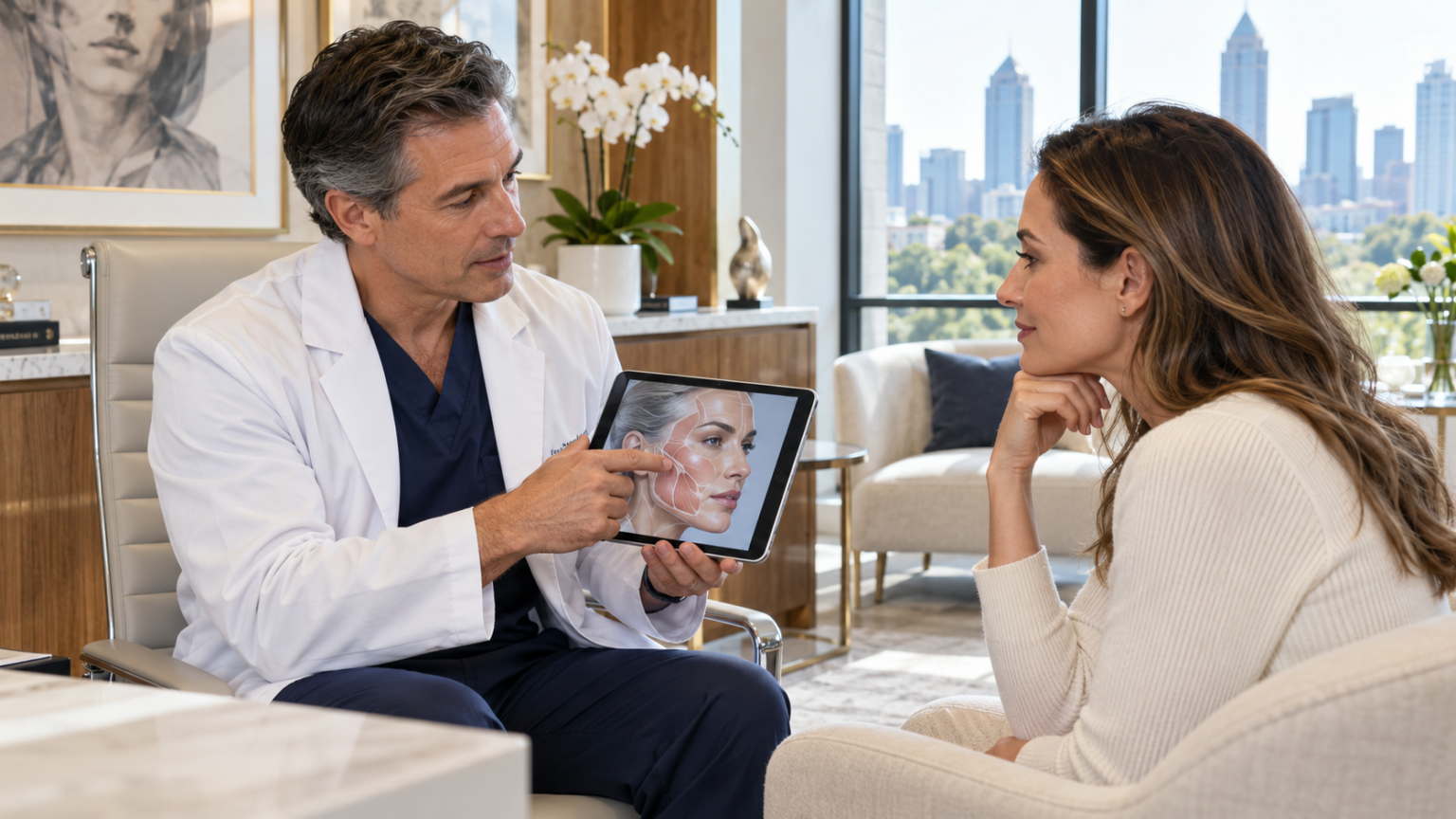
Facelift Surgery Atlanta: Best Guide to Procedures, Recovery, Costs & Safety
Facial aging is a natural process influenced by genetics, sun exposure, skin changes, and the gradual movement of underlying tissues. […]
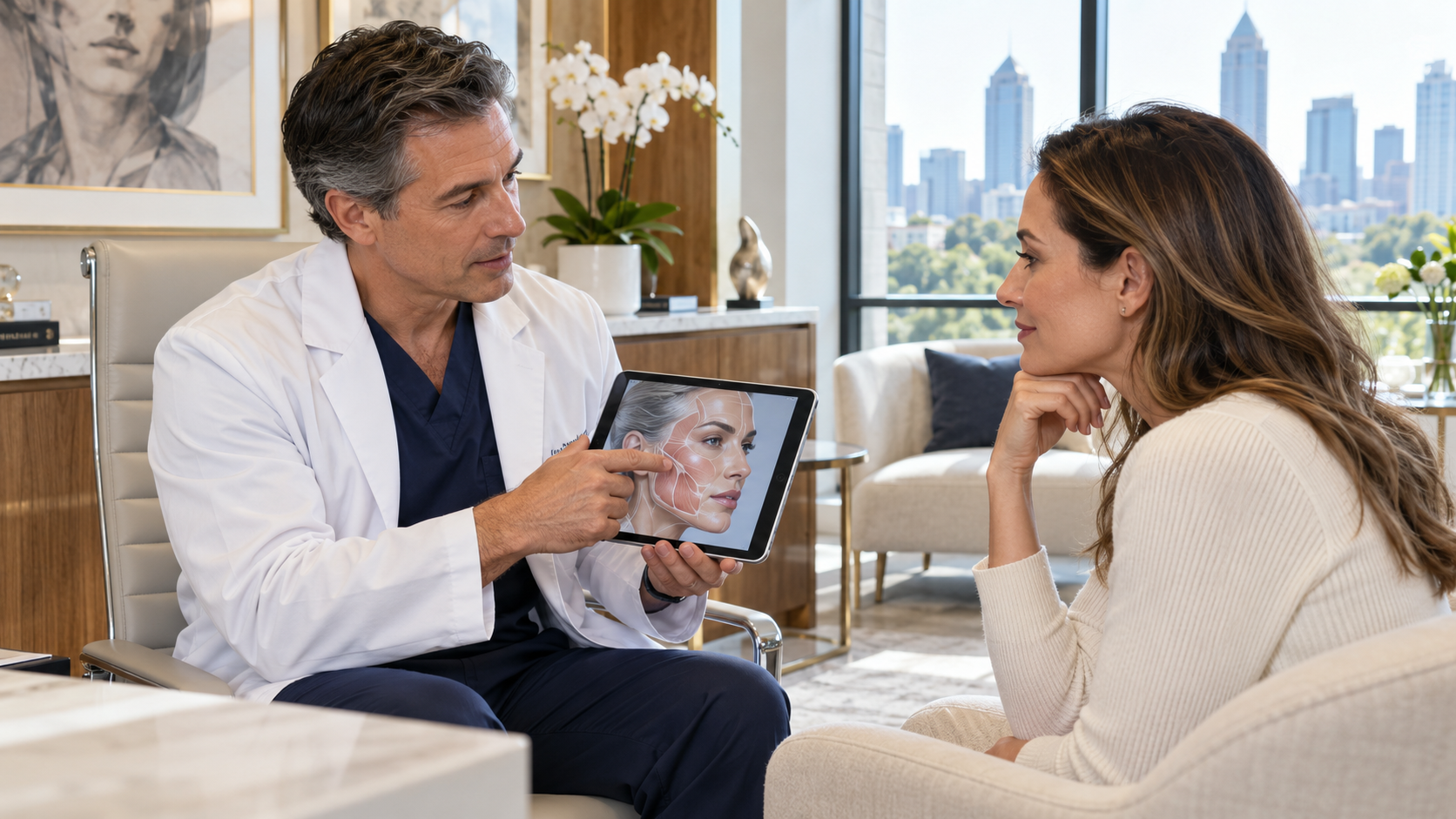
Facial aging is a natural process influenced by genetics, sun exposure, skin changes, and the gradual movement of underlying tissues. Over time, some people notice sagging cheeks, a less defined jawline, deeper facial folds, or loose skin around the lower face.
For individuals researching Facelift Surgery Atlanta, understanding the available procedures, expected recovery, potential risks, and surgeon qualifications is essential before deciding whether surgery is appropriate.
Atlanta offers facial plastic surgery practices providing traditional facelifts, mini facelifts, deep plane techniques, and procedures targeting the neck. Each approach addresses different concerns, and no single technique is ideal for everyone.
A facelift is a medical procedure involving surgical repositioning of facial tissues. It differs significantly from temporary cosmetic treatments such as injectable fillers.
Although surgery can improve certain visible signs of aging, it cannot stop aging or guarantee a particular appearance.
This guide explores facelift techniques, candidate considerations, recovery timelines, costs, and important questions to ask during a consultation. It also examines the published facial rejuvenation services offered by Aviva Plastic Surgery in Atlanta.
What Is Facelift Surgery?
Facelift surgery, medically known as rhytidectomy, is a cosmetic procedure designed to improve visible signs of aging in the face and sometimes the upper neck.
According to the American Society of Plastic Surgeons, a facelift can address sagging facial skin, jowls, descending facial fat, and deeper folds around the mouth.
American Society of Plastic Surgeons
Surgeons may reposition deeper tissues, remove selected excess skin, and adjust facial contours.
The specific surgical plan depends on anatomy, tissue quality, health, and the patient’s goals.
What Can a Facelift Improve?
Potential improvements include a more defined lower face, reduced jowling, and smoother contours around the cheeks and jawline.
Some patients also consider a neck lift when loose neck skin or visible neck muscle bands are major concerns.
What Cannot a Facelift Do?
A facelift does not permanently prevent wrinkles, reverse every change associated with aging, or necessarily improve skin texture.
Fine lines, pigmentation, and sun damage may require separate treatment strategies.
4 Common Types of Facelift Procedures
Different facelift techniques address different anatomical concerns. The names used by clinics can overlap, so patients should ask what each operation actually involves.

A full facelift generally addresses significant sagging around the cheeks and lower face. It may involve repositioning deeper tissues and removing excess skin through carefully placed incisions.

A mini facelift commonly uses shorter incisions and addresses selected areas of mild or moderate facial laxity. It may offer less extensive correction than a full facelift.

3. Deep Plane Facelift
Deep plane techniques reposition selected deeper facial tissues. Their suitability depends on anatomy and the surgeon’s training, judgment, and experience.

4. Facelift Combined With Neck Lift
A combined procedure may address both lower facial sagging and neck laxity. The surgical scope, incisions, and recovery depend on the individual treatment plan.
Who May Be a Suitable Candidate for Facelift Surgery?
Facelift candidates generally have concerns about facial sagging or changes in lower-face contour that they would like to discuss with a surgeon.
The procedure is not limited to a particular age group.
Overall health, skin condition, medical history, and treatment expectations are more important than age alone.
The American Society of Plastic Surgeons identifies generally healthy individuals, nonsmokers, and people with realistic expectations among typical facelift candidates.
American Society of Plastic Surgeons
Health Considerations
During consultation, patients should disclose medical conditions, allergies, previous surgeries, medications, supplements, tobacco use, and any history of anesthesia complications.
Certain conditions or medications may increase surgical risks.
Realistic Expectations
A facelift may improve facial contours, but it does not create perfect symmetry or guarantee satisfaction.
Patients should feel comfortable discussing the limits of the procedure and whether choosing no surgery is a reasonable option.
What Happens During a Facelift Consultation?
An initial consultation is an opportunity to understand your options without committing to surgery.
The surgeon examines facial structure, skin quality, underlying tissue laxity, and the relationship between the face and neck.
Medical history, potential risks, and recovery expectations should be discussed before selecting a procedure.

Personalized Surgical Consultation
Ask which procedure addresses your concerns, what changes are realistic, where scars may be located, and how your medical history could affect surgical safety.
A responsible consultation should allow time for questions and consideration. There is no need to decide immediately.
How the Facelift Surgery Process Works
Although techniques vary, the surgical process follows several general stages.
Step 1: Preoperative Evaluation
The surgeon evaluates your medical history and may recommend additional testing or clearance when appropriate.
Patients receive instructions about medications, smoking, nutrition, and preparations for recovery.
Step 2: Anesthesia and Incisions
Depending on the procedure and patient circumstances, surgeons may use general anesthesia or another appropriate anesthesia plan.
Incisions are commonly positioned near the ears and hairline, with placement varying by technique.
Step 3: Tissue Repositioning
The surgeon adjusts relevant facial tissues, addresses selected excess skin, and closes the incisions.
The purpose is to improve facial contours while respecting the patient’s anatomy.
Step 4: Postoperative Monitoring
After surgery, healthcare professionals monitor recovery and provide instructions for wound care, medications, activity, and follow-up appointments.
Some patients have dressings or temporary surgical drains, depending on the procedure.
Facelift Recovery Timeline: What to Expect
Recovery differs between patients and surgical techniques.
Swelling, bruising, tightness, temporary numbness, and discomfort may occur during the initial healing period.

First Several Days
Rest, follow prescribed instructions, and attend scheduled medical appointments. Arrange assistance at home as recommended by your surgical team.

Weeks One and Two
Swelling and bruising may gradually decrease. Some patients feel comfortable resuming selected routine activities, subject to medical approval.

Following Months
Residual swelling can continue to resolve, and scars gradually mature. Final appearance takes longer to assess than initial healing.
The American Society of Plastic Surgeons notes that many patients appear presentable after approximately 10–14 days, but improvements in sensation, tightness, and swelling may continue for two to three months or longer.
American Society of Plastic Surgeons
Patients should follow their own surgeon’s instructions instead of relying on an average recovery timeline.
Potential Risks and Complications of Facelift Surgery
Any surgery involves risks, including anesthesia complications, infection, bleeding, and healing problems.
Facelift-specific complications can include hematoma, nerve injury, changes in sensation, unfavorable scarring, skin loss, facial asymmetry, and prolonged swelling.
Rare but serious medical complications may also occur.
The American Society of Plastic Surgeons emphasizes that patients should understand these risks before providing informed consent.
American Society of Plastic Surgeons
When to Seek Medical Assistance
Contact your surgical team promptly for concerning or worsening symptoms, such as increasing swelling, fever, wound problems, or unexpected severe pain.
Seek emergency care for breathing difficulties, chest pain, stroke-like symptoms, or other life-threatening signs.
Detailed warning signs and emergency instructions should be provided before discharge.
How Much Does Facelift Surgery Cost in Atlanta?
Facelift prices vary by the surgeon, procedure, anesthesia, surgical facility, geographic location, and additional treatments.
An advertised price may not include every expense.

Understanding Facelift Costs
Request a written estimate identifying surgical fees, anesthesia, facility charges, aftercare, and possible additional expenses before scheduling a procedure.
Aviva Plastic Surgery’s published facelift page provides an approximate practice-specific cost of $14,000–$16,000, with pricing dependent on individual needs and other procedures performed together.
Natural, Lasting Results
| Cost consideration | Why it matters |
|---|---|
| Surgeon’s fee | Reflects the planned procedure and professional services |
| Anesthesia | Depends on anesthesia needs and provider arrangements |
| Surgical facility | Covers the operating environment and related services |
| Additional procedures | A neck lift or other treatment may change the total |
| Aftercare | Follow-up services and related expenses should be clarified |
These are not nationwide prices, and the published Aviva range is not a personalized quote.
Most purely cosmetic facelifts are not covered by health insurance. Confirm coverage directly when a procedure has a distinct reconstructive medical purpose.
Facelift Surgery vs. Non-Surgical Facial Rejuvenation
Not every facial concern requires surgery.
Injectable treatments and skin procedures may address certain cosmetic changes, but their effects differ from surgical lifting.
| Treatment | Primary purpose | General considerations |
|---|---|---|
| Facelift surgery | Reposition sagging facial tissues | Surgery, recovery, longer-lasting changes |
| Botulinum toxin injections | Reduce selected expression lines | Temporary effects; repeat treatment |
| Dermal fillers | Add or restore selected facial volume | Product-specific risks and duration |
| Skin resurfacing | Improve certain texture or pigmentation concerns | Results and downtime vary |
Non-surgical treatments cannot reproduce the same structural changes as a facelift.
American Society of Plastic Surgeons
A qualified clinician can explain whether surgery, nonsurgical treatment, or no intervention is appropriate for your goals.
Exploring Facelift Surgery at Aviva Plastic Surgery in Atlanta
People researching Facelift Surgery Atlanta at Aviva Plastic Surgery may encounter its facial rejuvenation services led by Dr. Inessa Fishman.
The practice describes a personalized approach to facial procedures, including deep plane face and neck lifting, eyelid surgery, fat transfer, and nonsurgical rejuvenation.
According to her published biography, Dr. Fishman completed medical training at Emory University School of Medicine, an ear, nose, and throat–head and neck surgery residency at the University of Kansas, and fellowship training in facial plastic and reconstructive surgery.
Dr. Inessa Fishman
The practice’s facelift page explains how its approach considers repositioning facial tissues and addressing neck concerns when appropriate.
Prospective patients should review the surgeon’s current professional credentials, the specific proposed technique, facility accreditation, and individualized risks rather than relying solely on marketing claims.
How to Choose a Qualified Facelift Surgeon in Atlanta
Choosing the right surgeon is one of the most important parts of considering facial plastic surgery.
Verify Credentials
Check the surgeon’s active Georgia medical license and relevant specialty certification.
The American Board of Plastic Surgery offers a public certification lookup for surgeons certified by that board.
Facial plastic surgeons may have different accredited training and certification pathways, so verify the actual qualifications claimed by the individual physician.
ASPS
+1
Discuss Experience and Results
Ask how frequently the surgeon performs your proposed procedure and how complications are managed.
Review genuine before-and-after photographs with realistic expectations. Photographs should not be treated as guarantees.
Review the Surgical Facility
Ask where surgery will take place and whether the facility has appropriate accreditation, emergency resources, and anesthesia arrangements.
Understand Follow-Up Care
Determine who will handle postoperative questions, urgent concerns, and routine appointments.
This is especially important for patients traveling to Atlanta from elsewhere in the United States.
Frequently Asked Questions About Facelift Surgery Atlanta
What is the best age for a facelift?
There is no universally ideal age. A surgeon evaluates facial anatomy, degree of sagging, overall health, and individual goals rather than relying on age alone.
How long does facelift surgery take?
The operating time varies according to the technique and whether additional procedures are performed. Your surgeon should provide an estimated duration during consultation.
Is facelift surgery painful?
Patients receive anesthesia during surgery. Some discomfort, swelling, tightness, and bruising may occur afterward, and the treatment team provides an individualized pain-management plan.
How long do facelift results last?
Results can remain visible for years, but longevity varies with anatomy, surgical technique, aging, sun exposure, and lifestyle. No surgeon can guarantee a specific duration.
Will facelift surgery leave scars?
Facelifts require incisions, so scars are unavoidable. Surgeons generally position them near natural creases or hairlines to reduce their visibility, but healing differs between individuals.
How much does facelift surgery cost in Atlanta?
Costs vary by procedure and surgeon. Aviva Plastic Surgery publishes an approximate range of $14,000–$16,000 for a facelift at its practice, subject to individual treatment requirements.
Can a facelift and neck lift be performed together?
Yes, selected patients may undergo combined procedures. A surgeon must assess the potential benefits, added surgical complexity, and recovery considerations.
How do I prepare for an Atlanta facelift consultation?
Prepare your medical history, medication list, previous procedure details, treatment goals, and questions about risks, surgeon credentials, costs, and recovery. Avoid concealing health information that may affect surgical safety.
Conclusion
Facelift Surgery Atlanta offers several surgical approaches for people considering improvements to sagging facial tissues, jowls, and lower-face contours.
Understanding the differences between traditional, mini, and deep plane facelifts can help patients ask informed questions and evaluate treatment recommendations.
However, the decision should depend on individual anatomy, medical suitability, realistic expectations, and a thorough understanding of potential complications.
Before choosing a surgeon, verify professional credentials, discuss the complete financial commitment, and obtain clear recovery instructions.
Practices such as Aviva Plastic Surgery provide information about personalized facial rejuvenation options, but the most appropriate decision is always an individual medical one.
Taking time to consider both surgical and non-surgical alternatives can help you decide whether facial rejuvenation treatment aligns with your personal goals.

Written by Twastia Editorial Team
Twastia Editorial Team shares practical insights about website design, SEO services, Google Ads, content marketing, social media, conversion rate optimization, and digital marketing strategy.
Last updated: Oct 25, 2026
Related posts from Twastia
Explore more useful articles from twastia.com about digital marketing, SEO, websites, ads, content, and growth strategy.