insecticides: The Best Guide to Pest Control Solutions
Every homeowner, passionate backyard gardener, and commercial farmer in the United States eventually faces the incredibly frustrating and financially costly […]
Every homeowner, passionate backyard gardener, and commercial farmer in the United States eventually faces the incredibly frustrating and financially costly challenge of pest infestations. From destructive aphids silently decimating a prized tomato crop overnight to invasive subterranean termite colonies quietly threatening the structural wooden integrity of a suburban home, multiplying bug populations can cause massive financial ruin and environmental damage if they are left unchecked.
To effectively combat these relentless, multiplying threats, understanding the proper use of insecticides is an absolute necessity. These incredibly powerful scientific formulations have completely revolutionized modern agricultural yields and residential property maintenance over the last century. They offer highly effective, meticulously engineered solutions for managing and eradicating destructive bugs before they can cause irreversible devastation to crops and residential structures.
However, successfully navigating the massive, ever-expanding variety of chemical formulas and natural botanical products available on the retail market today requires careful, highly educated research. When consumers are forced to evaluate which insecticides will solve their specific yard or household problems, they must consider a multitude of complex, overlapping factors.
These crucial factors include the specific active chemical ingredients, the manufacturer’s recommended application methods, and the potential long-term ecological impacts on the surrounding soil and water table. In this comprehensive, in-depth guide, we will explore the fascinating biological science behind modern pest management. We will meticulously break down the fundamental differences between rapid-action
contact sprays and deep-reaching systemic formulas, analyze the absolutely vital role these products play in both commercial farming and residential landscaping, explore the skyrocketing popularity of eco-friendly organic alternatives, and answer the most frequently asked questions about safe, responsible, and effective application techniques.
Understanding How Different Chemical Formulas Work

Pest eradication is absolutely not a simple, one-size-fits-all endeavor. Because the internal biological makeup of a leaf-eating caterpillar is vastly different from that of a hard-shelled crawling beetle, chemical engineers must design highly specialized treatments to combat entirely different species effectively. To achieve maximum lethal efficacy against pests while minimizing any unwanted collateral
damage to ornamental plants and local wildlife, scientists and agricultural experts meticulously categorize insecticides based on their specific modes of action and internal chemical structures. Understanding these distinct scientific categories is the very first critical step in designing an effective, long-lasting pest management protocol for your property.
Contact vs. Systemic Treatments
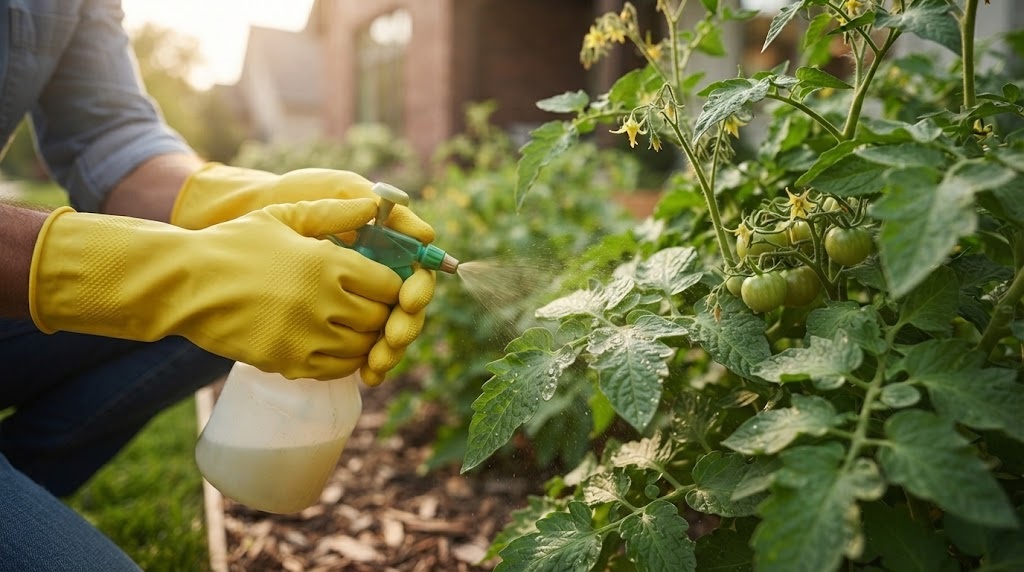
One of the most primary and fundamental distinctions in the realm of pest management is exactly how the active chemical ingredient physically reaches and ultimately affects the target bug. Contact insecticides kill insects immediately upon direct physical exposure to the chemical spray mist or the dried surface residue.
These rapid-action treatments are exceptionally highly sought after for achieving an instant knockdown effect on highly visible, aggressive, and potentially dangerous pests such as stinging wasps, swarming hornets, and marching ant trails invading a kitchen. Because they generally do not absorb deep into the plant tissue, they are ideal for establishing a fast exterior perimeter defense around a home’s foundation.
On the other end of the scientific spectrum, systemic options work entirely differently. Instead of relying on direct surface contact, systemic treatments are carefully applied directly to the soil base or the deep root zone of the plant. The plant’s internal vascular system subsequently absorbs the active ingredients, slowly pulling them up through the root network and distributing them evenly throughout the leaves, stems, and blooming flowers.
When a sap-sucking bug—such as a destructive aphid or a parasitic whitefly—attempts to feed on the treated plant foliage, it unknowingly ingests the lethal compound and perishes. This method provides incredibly long-lasting, internal protection that cannot be washed away by heavy seasonal rainstorms or daily sprinkler systems.
Broad-Spectrum vs. Selective Options
Another highly critical classification involves the specific biological range of targets a designated product is engineered to neutralize. Broad-spectrum insecticides are formulated to eliminate a wide, sweeping variety of bug species simultaneously upon application.
These robust formulations are incredibly useful when a property is suffering from a massive, multi-species infestation where identifying every single crawling or flying bug is practically impossible for the average homeowner. However, because these heavy-duty sprays are entirely non-discriminatory, they carry the inherent ecological risk of accidentally eliminating highly beneficial insects alongside the destructive ones.
Conversely, selective pest solutions are intricately engineered at a microscopic biological level to target only very specific biological orders or distinct developmental growth stages. For example, certain advanced formulas are designed to exclusively disrupt the molting process of specific crop-destroying caterpillars, effectively halting their reproductive life cycle while leaving predatory spiders, vital earthworms, and native beetles completely unharmed.
The Role of Chemical Control in Agriculture and Gardens
The rich, dynamic history of American commercial farming and immaculate suburban landscaping is deeply and permanently intertwined with continuous, groundbreaking advancements in pest management technology. Without these highly sophisticated scientific interventions, the nation’s fragile food supply chain and aesthetic real estate property values would be under constant, relentless siege from nature. The strategic deployment of insecticides has dramatically increased annual crop yields, stabilized volatile food prices at the grocery store, and preserved structural property values across the entire nation over the past century.
Protecting Vital American Commercial Crops
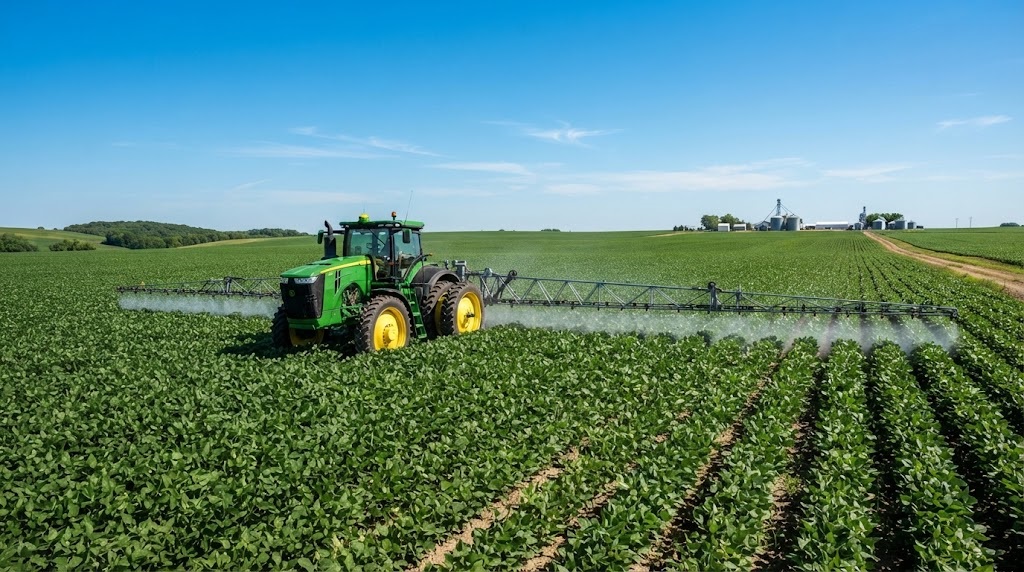
On a massive, industrial commercial scale, the United States agricultural sector relies heavily on advanced crop protection products to consistently feed a rapidly growing global population. Applying agricultural insecticides helps secure millions of tons of vital row crops—including heartland corn, Midwestern soybeans, golden wheat, and Southern cotton—from devastating, fast-moving seasonal pest pressures like ravenous locust swarms and highly destructive armyworms.
By aggressively preventing massive, catastrophic crop failures before they begin, these scientifically formulated agricultural treatments play an invisible but absolutely essential role in maintaining affordable grocery store pricing for everyday American families. Furthermore, they significantly reduce global food waste and ensure the absolute economic stability of rural farming communities stretching from the Great Plains to the California coastline.
Residential Landscaping and Public Health Applications
Beyond the vast, sweeping horizons of massive commercial farms, everyday American citizens enthusiastically utilize these exact same scientific principles to maintain beautiful, healthy outdoor residential living spaces. Suburban homeowners rely on insecticides to maintain pristine, barefoot-ready green lawns, cultivate vibrant, award-winning flower beds, and protect robust backyard vegetable gardens from ravenous Japanese beetles and invasive subterranean grubs.
Furthermore, localized residential pest management provides a highly critical, often overlooked public health benefit. By aggressively treating stagnant yard areas for disease-carrying mosquitoes and actively managing dangerous deer tick populations in wooded suburban perimeters, homeowners actively protect their children, neighbors, and beloved household pets from serious, life-altering vector-borne illnesses such as West Nile Virus, Zika, and Lyme Disease.
Embracing Organic and Natural Botanical Alternatives
As environmental awareness and ecological education steadily grow across the United States, modern consumer preferences and daily purchasing habits are evolving rapidly. Property owners are actively seeking highly sustainable solutions that perfectly balance effective pest eradication with deep, unwavering ecological responsibility.
Consequently, there is a massive, growing retail shift toward organic insecticides derived directly from natural, earth-based botanical sources rather than those synthesized in cold, industrial chemical laboratories. This blooming green revolution allows conscious gardeners to protect their seasonal harvests while adhering to strict, eco-friendly lifestyle principles.
The Power of Botanical Extracts and Neem Oil
One of the most immensely popular and highly effective natural solutions involves directly harnessing the inherent biological defense mechanisms of plants themselves. Many highly effective botanical insecticides like cold-pressed neem oil, potent pyrethrin (which is naturally extracted from the crushed petals of specific chrysanthemum flowers), and highly concentrated essential oil blends act as powerful natural repellents and hormonal growth disruptors.
For example, azadirachtin—the primary active, naturally occurring compound found inside premium neem oil—directly interferes with an insect’s natural biological ability to feed and molt. This effectively halts the reproductive life cycle of the pest dead in its tracks without leaving behind any toxic, synthetic chemical residues that could potentially harm small household mammals, local birds, or sensitive community groundwater supplies.
Integrating Biological Control Agents
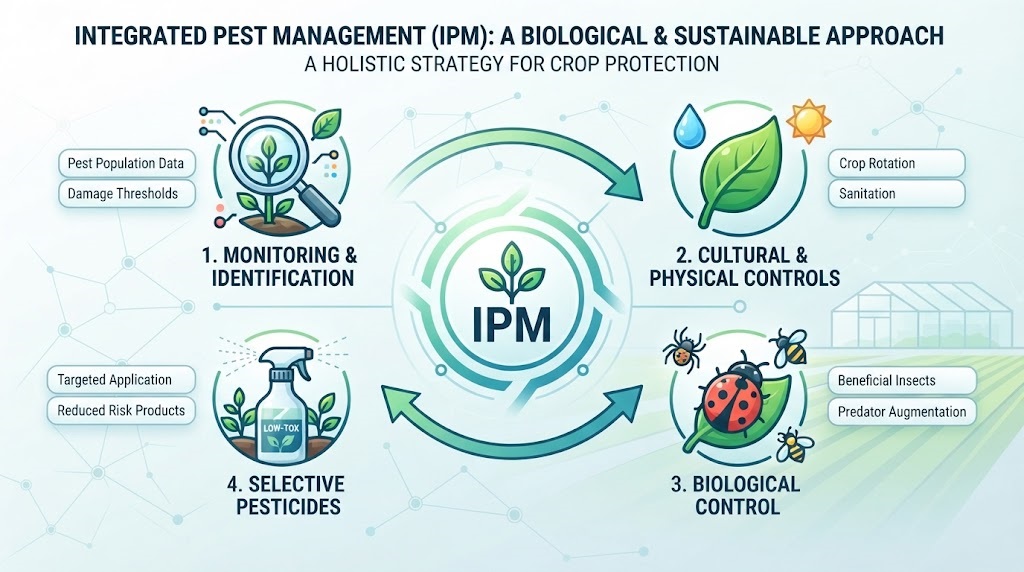
Another truly fascinating and rapidly expanding frontier in eco-friendly pest management involves utilizing living organisms or naturally occurring soil bacteria to do the heavy lifting in the garden. Property owners can significantly reduce their overall reliance on harsh synthetic chemical treatments by proactively integrating natural biological control agents into their backyard ecosystems. This holistic approach includes strategically applying naturally occurring bacteria like
Bacillus thuringiensis (commonly known as Bt), which selectively targets and eliminates destructive leaf-eating caterpillars upon ingestion. It also involves intentionally purchasing and releasing beneficial predatory insects—like aggressive ladybugs, delicate lacewings, and microscopic predatory mites—that naturally hunt, capture, and consume massive populations of destructive garden aphids without requiring a single drop of chemical spray.
Strict Safety Protocols and Environmental Stewardship
While modern chemical and natural interventions are undeniably incredibly effective at neutralizing backyard threats, they must always be utilized with profound, unwavering respect for the surrounding delicate ecosystem. Evaluating the overall, long-term environmental impact of any chemical yard protocol requires a steadfast commitment to responsible stewardship, careful seasonal application timing, and strict adherence to federal safety regulations established by the Environmental Protection Agency.
Protecting Delicate Pollinators and Local Wildlife
Undoubtedly, one of the most critically pressing ecological concerns in modern residential and commercial pest control is the aggressive preservation of highly beneficial pollinator populations. Preventing insecticides from accidentally harming honeybees, native bumblebees,
migrating monarch butterflies, and other essential pollinating insects requires highly strategic application timing and deep environmental awareness. Responsible applicators strictly avoid spraying any blooming, flower-heavy plants during the peak daytime daylight hours when bees are actively foraging for necessary pollen.
Instead, they choose to apply targeted liquid treatments late at dusk or very early at dawn when pollinators have safely retreated to their hives. They also heavily favor selective biological formulas that exclusively target destructive pests while leaving the vital local pollinator ecosystem completely undisturbed and free to thrive.
Safe Chemical Handling and Storage Guidelines
Human health and personal safety are equally paramount when mixing, deploying, and storing concentrated chemical treatments around a busy residential property. Proper handling procedures dictate that responsible homeowners must meticulously read and follow every single
safety instruction printed on the manufacturer’s back label. This critically includes wearing the appropriate Personal Protective Equipment (PPE)—such as heavy-duty chemical-resistant rubber gloves, protective wraparound safety goggles, and breathable respiratory masks—during the entire mixing and application process.
Furthermore, property owners must ensure that all leftover treatments are safely locked away in climate-controlled, secure garage cabinets, keeping them completely inaccessible to curious toddlers and household pets, thereby actively preventing tragic accidental poisonings and dangerous environmental spills.
Frequently Asked Questions
Are insecticides safe for indoor use?
Safety depends entirely on the specific product formulation you purchase. While heavily concentrated agricultural or exterior perimeter sprays are strictly forbidden indoors due to lingering toxic fumes, manufacturers produce specialized, low-toxicity indoor sprays and localized gel
bait stations designed explicitly for safe use in residential kitchens and basements. Always verify that the manufacturer label explicitly states the product is rated for interior residential application and ensure the room is well-ventilated during and after use.
How long do exterior bug barrier treatments typically last?
The effective longevity of an exterior perimeter treatment, formally known as its residual activity, varies wildly based on the chemical composition and local seasonal weather patterns. Fast-acting natural botanical sprays may break down under intense
UV sunlight in just a few short days, requiring frequent reapplication. Conversely, heavy-duty synthetic micro-encapsulated perimeter sprays can remain highly active and incredibly lethal to crawling insects for up to ninety days, provided they are not washed away by torrential flooding or aggressive power washing.
What is the fundamental difference between an insecticide and a pesticide?
Many consumers incorrectly confuse these two distinct scientific terms. “Pesticide” is a broad, overarching umbrella term that encompasses absolutely any substance used to control any type of biological pest—this includes herbicides (used exclusively for killing invasive weeds),
fungicides (used for killing damaging mold and yard fungus), and rodenticides (used for killing mice and rats). The term you are looking for is simply a highly specific subcategory of pesticide engineered exclusively to target and eliminate insects.
Can bugs eventually become resistant to chemical treatments?
Yes, absolutely. When the exact same chemical formulation is used repeatedly over multiple consecutive growing seasons, the surviving pests can genetically pass down their chemical immunity to their offspring, eventually creating a highly resistant super-population.
To actively prevent this, agricultural professionals and smart suburban homeowners practice strict chemical rotation, intentionally alternating between different products with entirely different biological modes of action to keep pest populations vulnerable.
How should I properly dispose of leftover chemical formulas?
You should absolutely never pour leftover liquid chemicals down a residential kitchen sink, flush them down a toilet, or dump them directly into a backyard storm drain. Doing so can cause catastrophic damage to local municipal water tables and aquatic wildlife. Instead, you must tightly seal the original container and take it directly to a certified municipal hazardous waste disposal facility in your local county.
Conclusion
Maintaining a healthy, thriving, and totally pest-free environment requires a careful, highly educated balance of scientific intervention and deep ecological respect. Whether you are managing a massive commercial agricultural operation spanning hundreds of acres, cultivating a modest backyard organic vegetable garden, or simply trying to keep invasive carpenter ants out of your suburban kitchen pantry, understanding the deep nuances of modern pest control is incredibly empowering.
By taking the time to carefully evaluate the fundamental differences between fast-acting contact sprays, deep-reaching systemic formulas, and eco-friendly organic botanical alternatives, you can confidently tailor a highly effective defense strategy that precisely meets your unique property needs.
Ultimately, investing in quality insecticides ensures that your agricultural investments, residential landscaping, and household comfort remain completely secure from devastating pest pressures, allowing you to enjoy your beautiful property with total, uninterrupted peace of mind all year round. insecticides insecticides insecticides insecticides insecticides insecticides

Written by Twastia Editorial Team
Twastia Editorial Team shares practical insights about website design, SEO services, Google Ads, content marketing, social media, conversion rate optimization, and digital marketing strategy.
Last updated: Oct 23, 2026
Related posts from Twastia
Explore more useful articles from twastia.com about digital marketing, SEO, websites, ads, content, and growth strategy.