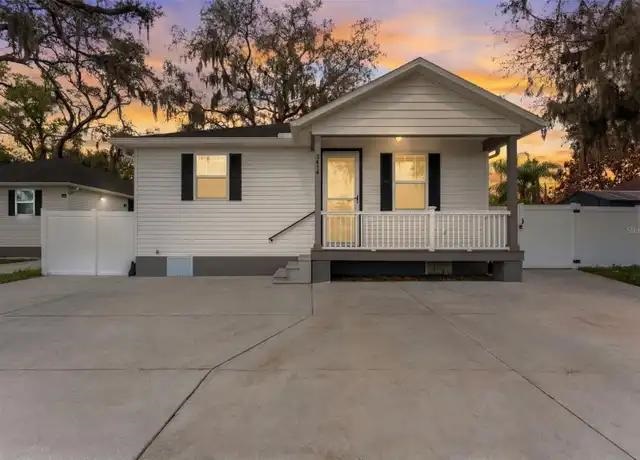
The Safest States in the US: A Comprehensive Guide to Secure Living
Safety is one of the most fundamental requirements for human well-being, influencing where we choose to live, work, purchase real […]

Safety is one of the most fundamental requirements for human well-being, influencing where we choose to live, work, purchase real estate, and raise our families. Across the nation, public safety conditions vary dramatically from state to state, county to county, and city to city. When planning a relocation or looking for a secure environment to establish long-term roots, finding the safest states in the US is often a top priority for homebuyers, retirees, and young professionals alike.
Evaluating the safest states in the US requires looking far beyond basic headlines or isolated crime reports. True safety is a multi-dimensional concept that encompasses low violent crime rates, minimal property crime, robust emergency medical services, high road safety standards, environmental disaster preparedness, and strong local economic security. In this in-depth guide, we will analyze the key metrics used by public policy experts, break down the top-ranked states, explore regional safety patterns, and help you determine which secure destination best aligns with your personal lifestyle and financial goals.
Defining Safety Metrics in Modern America
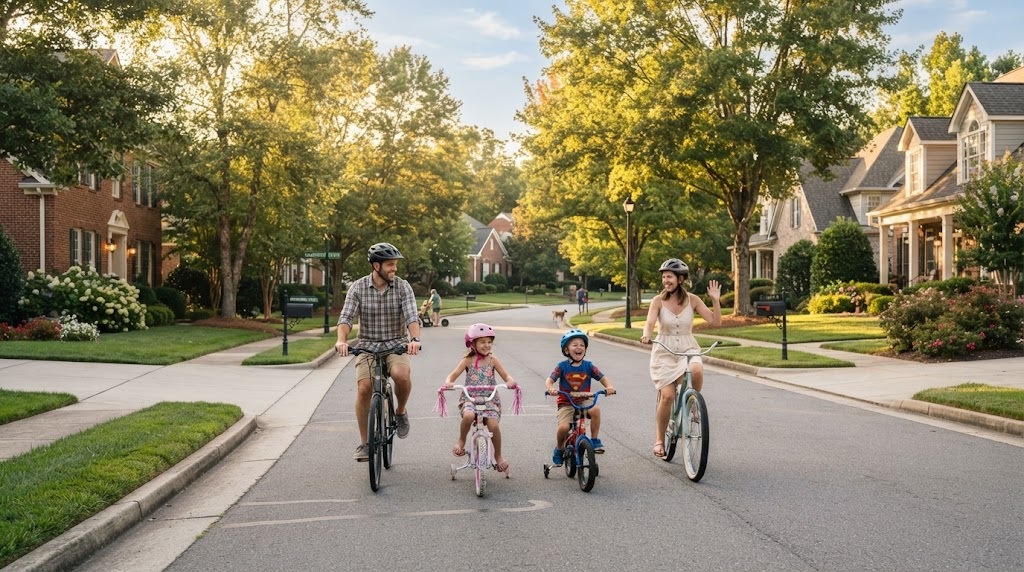
To determine which regions qualify as the safest states in the US, criminologists, urban planners, and data analysts examine diverse statistical datasets provided by government entities such as the Federal Bureau of Investigation (FBI), the Centers for Disease Control and Prevention (CDC), the Department of Transportation (DOT), and the Bureau of Labor Statistics (BLS).
Understanding how researchers analyze the safest states in the US involves examining multiple distinct categories of risk and security:
- Personal and Community Safety: This metric focuses primarily on violent crime rates per 100,000 residents, including homicide, aggravated assault, robbery, and sexual assault.
- Property Safety: This evaluates non-violent property crimes such as burglary, larceny-theft, motor vehicle theft, and arson.
- Road and Traffic Safety: Traffic fatalities per vehicle mile traveled, seatbelt usage rates, DUI enforcement, and overall highway infrastructure condition play a crucial role in daily physical safety.
- Financial and Economic Security: Job market stability, poverty rates, underemployment metrics, healthcare coverage, and household savings rates determine how well residents can weather financial shocks.
- Emergency Preparedness and Climate Risk: The frequency of severe weather disasters—such as hurricanes, tornadoes, wildfires, and flash floods—alongside state response capabilities influences overall physical vulnerability.
When analyzing the safest states in the US, law enforcement agencies rely heavily on the FBI’s National Incident-Based Reporting System (NIBRS). This detailed framework provides a nuanced picture of crime trends, allowing analysts to separate isolated urban hot spots from state-wide community safety levels.
Detailed Breakdown of the Safest States in the US

While safety statistics fluctuate subtly from year to year, a core group of states consistently earns top marks for overall public security, low crime frequency, and strong community health infrastructure.
1. Vermont
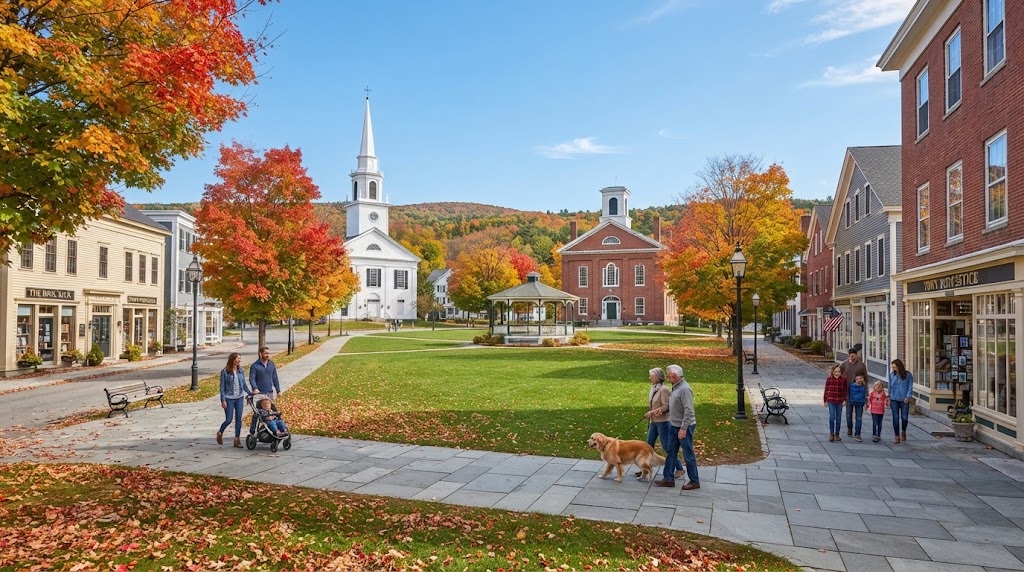
Vermont consistently ranks at the top among the safest states in the US, boasting some of the lowest violent crime rates in the entire nation. Nestled in northern New England, Vermont combines tight-knit rural communities, robust social support networks, and exceptional educational institutions. The state’s low population density, paired with high civic engagement and strong economic equity, contributes to a peaceful environment where property crime and violent offense metrics remain well below national averages.
2. Maine
Maine routinely claims a top spot when listing the safest states in the US. With picturesque coastal towns and vast wilderness areas, Maine offers residents an extraordinarily low rate of violent crime. Its small-town social structures foster high levels of trust among neighbors, while proactive local police departments focus heavily on community-oriented policing strategies. Additionally, Maine ranks favorably in traffic safety metrics and public health accessibility, making it an ideal haven for families and retirees seeking tranquility.
3. New Hampshire
New Hampshire stands out as one of the safest states in the US due to its powerful combination of low crime rates, high average household incomes, and low poverty levels. The Granite State consistently reports minimal instances of property theft and violent offenses. Beyond law enforcement metrics, New Hampshire benefits from excellent healthcare systems and low natural disaster risks, providing comprehensive security for its residents across multiple dimensions.
4. Utah
Utah earns its position among the safest states in the US thanks to high civic engagement, strong family support structures, and a thriving state economy. While Utah is situated in the West, its community-first culture and active neighborhood networks keep violent crime remarkably low. Furthermore, Utah ranks highly in economic mobility, employment stability, and financial safety, offsetting minor property crime challenges in growing metropolitan areas like Salt Lake City.
5. Massachusetts
Massachusetts reinforces its status among the safest states in the US through world-class healthcare infrastructure, strict gun safety regulations, and exceptional public education standards. Despite being a heavily populated coastal state with major urban centers like Boston, Massachusetts maintains low rates of both violent and property crime per capita. High average household incomes and superior emergency medical response times further enhance its reputation as a premier safe state.
6. Minnesota
Representing the Upper Midwest, Minnesota offers high levels of personal safety, outstanding public health services, and exceptional environmental quality. Minnesota boasts low violent crime rates across both suburban and rural counties, paired with robust social infrastructure and strong road safety enforcement. The state’s commitment to community development and workplace safety makes it a top choice for Midwestern families.
7. Hawaii
Hawaii presents a unique safety profile among American states. Due to its isolated geographic location, Hawaii experiences almost zero risk from continental winter storms or severe multi-state grid failures. Its tight-knit local communities maintain low rates of violent crime and high health longevity. While property crime rates can be slightly elevated in tourist districts, its overall personal security metrics remain highly attractive.
Regional Trends in Public Safety Across the Country
Looking at regional patterns reveals why the safest states in the US are concentrated heavily in specific geographic zones. Northern New England—comprising Vermont, Maine, and New Hampshire—consistently dominates national safety rankings year after year.
Several regional factors account for this cluster of safety:
- Economic Stability and Equality: Low poverty rates and balanced income distribution reduce the financial pressure that often drives property crime.
- Strong Community Ties: Smaller municipal populations encourage high civic involvement, where residents know their neighbors and actively participate in local government.
- Effective Law Enforcement: Police departments in these states emphasize community policing, mental health co-response, and crime prevention rather than purely reactive enforcement.
- Geographic and Demographic Factors: Lower population density naturally reduces the frequency of personal interactions that lead to opportunistic crime.
Similarly, parts of the Upper Midwest and Mountain West benefit from high social capital and strong economic foundations, helping them maintain competitive safety rankings compared to densely populated coastal corridors.
Key Factors Driving Low Crime Rates in Safe States
Community cohesion plays a vital role in keeping the safest states in the US secure. High levels of social trust, active neighborhood watch programs, and vibrant community centers create environments where crime struggles to take root. Furthermore, state-level investments in public education, mental health services, and substance abuse rehabilitation directly address the root socio-economic causes of criminal behavior.
In addition to social factors, legislative frameworks significantly influence public safety outcomes. States with strict traffic safety laws, rigorous firearm licensing standards, comprehensive workplace safety regulations, and strong environmental protection policies typically report lower rates of accidental deaths, workplace injuries, and violent altercations.
Balancing Cost of Living and Overall Safety
When families evaluate relocating to the safest states in the US, cost of living is frequently the most critical balancing factor. Many of the top-ranked safe states—particularly in New England and the coastal West—feature real estate prices, property taxes, and utility costs that exceed the national average.
For example, purchasing a single-family home in Massachusetts or Hawaii requires a substantial financial commitment compared to states in the Sunbelt or Great Plains. However, many residents view higher housing costs as a worthwhile trade-off for access to top-rated public schools, responsive emergency services, low crime rates, and well-maintained public infrastructure. For budget-conscious buyers seeking safety, states like Utah, Minnesota, and Iowa offer an appealing balance of affordability and public security.
Practical Considerations When Relocating to a Safe State
Preparing a long-term plan to move to one of the safest states in the US requires balancing multiple personal priorities beyond basic crime statistics.
Consider evaluating the following practical factors before choosing your destination:
- Employment Opportunities: Ensure the local job market supports your career path, particularly if moving to a smaller, rural state like Vermont or Maine.
- Healthcare Accessibility: Research local hospital quality, emergency room proximity, and specialist availability, especially if relocating for retirement.
- Climate and Weather Readiness: Prepare for harsh winter snowstorms in Northern states or tropical weather events in island regions.
- Local School Quality: Safe communities often correlate with well-funded public school districts, making family-friendly neighborhood research essential.
Frequently Asked Questions
How are the safest states in the US determined by safety analysts?
Safety analysts determine the rankings by synthesizing data from the FBI’s crime reports, CDC public health records, DOT traffic fatality statistics, and economic data. They weigh violent crime, property crime, traffic safety, natural disaster risk, and financial security to calculate a comprehensive safety score for each state.
Which region consistently holds the safest states in the US?
Northern New England—specifically Vermont, Maine, and New Hampshire—consistently ranks as the safest region in the country. These states feature remarkably low violent crime rates, strong community cohesion, and stable economic conditions.
Are the safest states in the US also the most expensive to live in?
Not always, but there is often a correlation between high safety rankings and higher cost of living. States like Massachusetts and Vermont have elevated housing costs, while states like Utah, Iowa, and Minnesota offer high safety levels alongside more moderate housing costs.
Does low violent crime always mean low property crime?
No. While violent crime and property crime often track together, some states with exceptionally low violent crime rates may experience moderate property crime, particularly in commercial or tourist-heavy areas.
What role does emergency medical care play in state safety rankings?
Emergency medical care is a critical component of public safety. States with rapid emergency response times, high numbers of hospital beds per capita, and advanced trauma centers experience lower preventable mortality rates from accidents, medical emergencies, and traffic collisions.
Conclusion
Selecting a place to call home among the safest states in the US offers invaluable peace of mind, physical protection, and long-term financial security for individuals and families alike. While no state is completely immune to crime or natural hazards, regions like Vermont, Maine, New Hampshire, Utah, and Massachusetts demonstrate how strong social infrastructure, sound public policy, and active community involvement create peaceful living environments. By thoroughly evaluating crime statistics, traffic safety metrics, economic stability, and cost of living trade-offs, you can confidently choose a location that safeguards both your family’s well-being and your long-term lifestyle aspirations.

Written by Twastia Editorial Team
Twastia Editorial Team shares practical insights about website design, SEO services, Google Ads, content marketing, social media, conversion rate optimization, and digital marketing strategy.
Last updated: Oct 18, 2026
Related posts from Twastia
Explore more useful articles from twastia.com about digital marketing, SEO, websites, ads, content, and growth strategy.