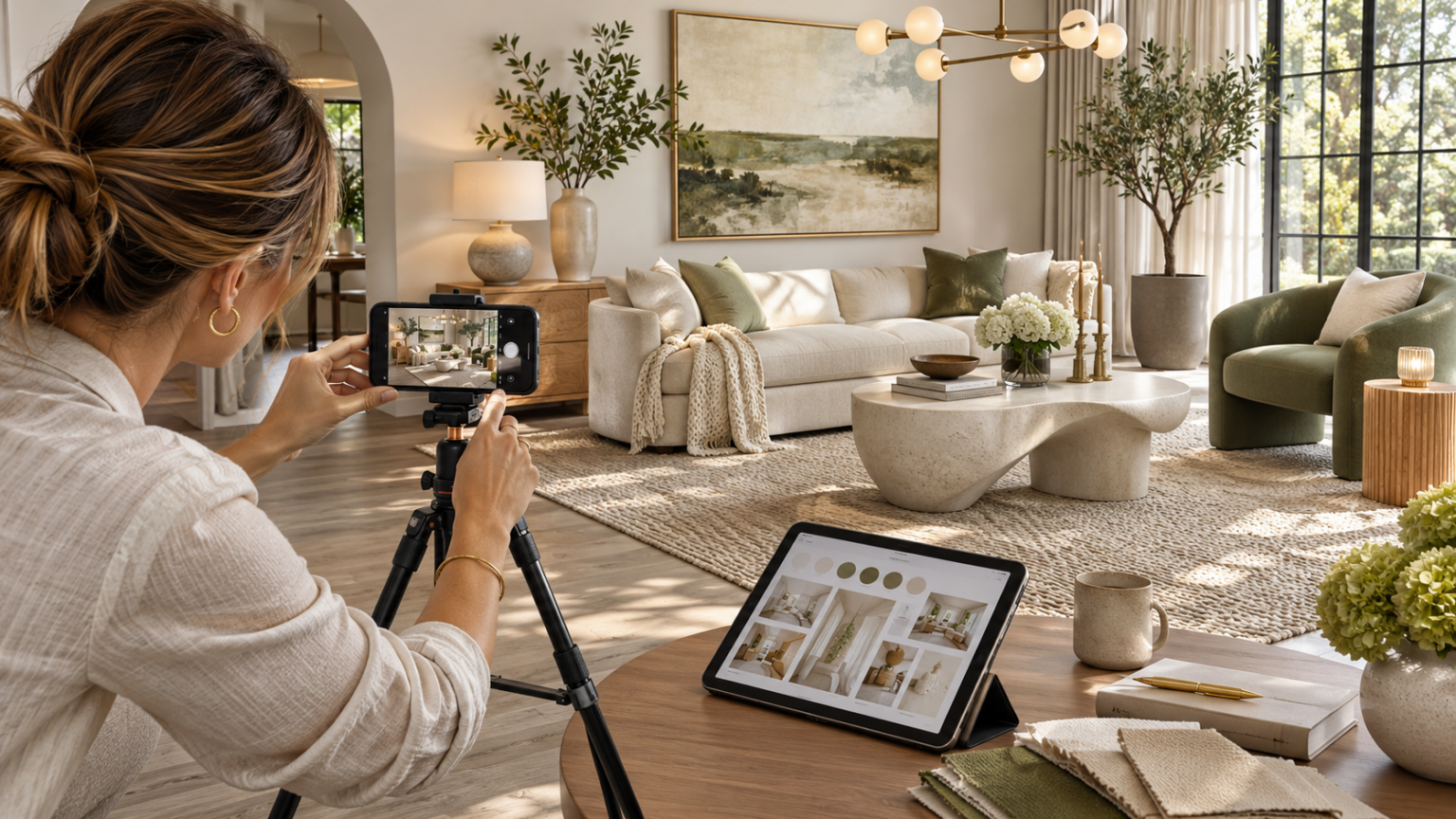
Social Media Marketing Tips for Interior Designers: Best Strategies to Attract Clients
A beautiful interior can inspire someone in seconds. A well-photographed kitchen renovation, an elegant bedroom transformation, or a thoughtful furniture […]
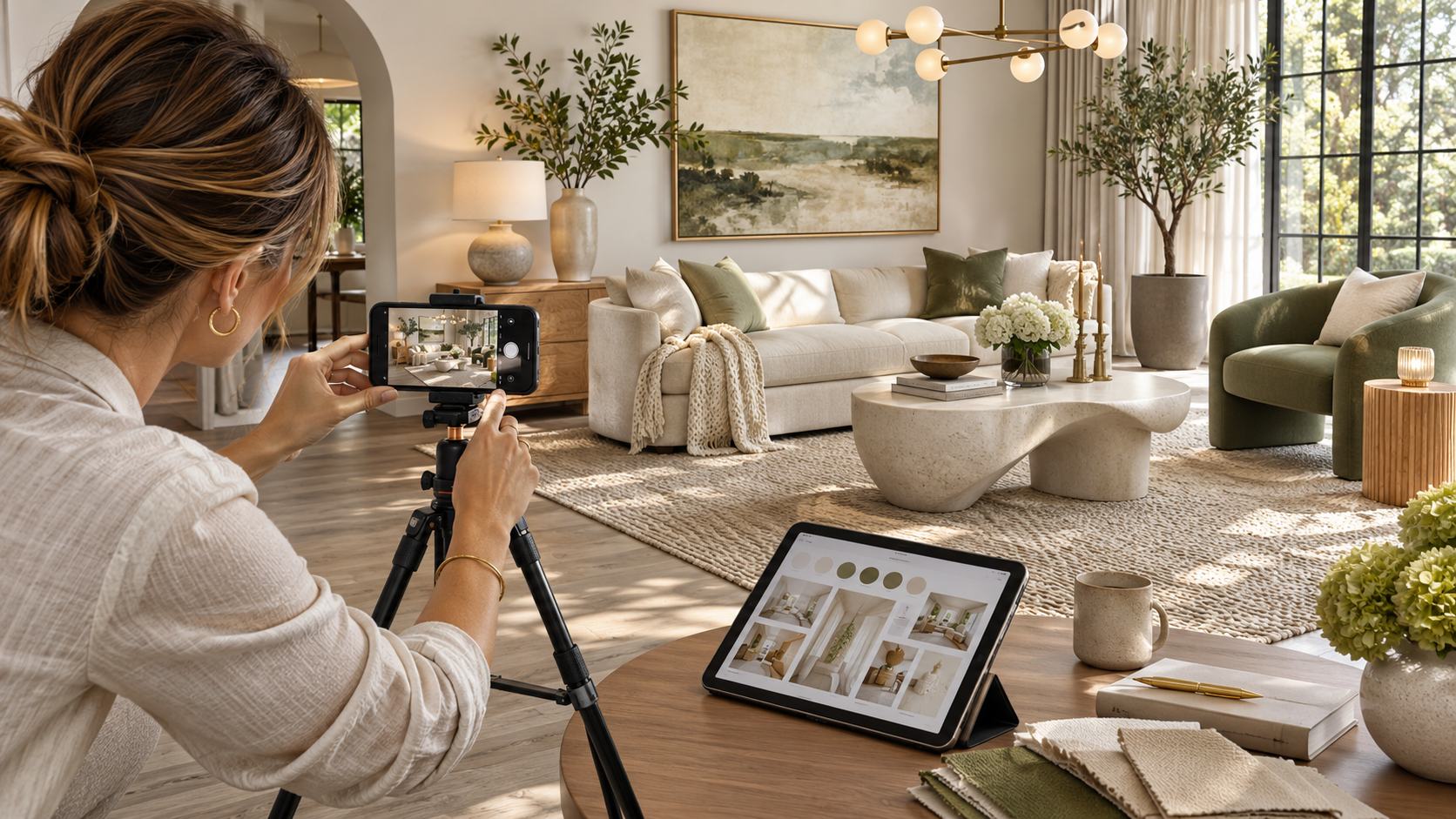
A beautiful interior can inspire someone in seconds. A well-photographed kitchen renovation, an elegant bedroom transformation, or a thoughtful furniture arrangement can make a potential client imagine what is possible in their own home. Yet posting attractive pictures alone rarely creates a dependable pipeline of design inquiries.
The most effective Social Media Marketing Tips for Interior Designers combine visual storytelling with clear positioning, consistent publishing, and a simple route from inspiration to consultation. The objective is not merely to collect followers. It is to attract homeowners and businesses who appreciate your approach, trust your expertise, and are ready to discuss a project.
Whether you operate an established design studio or are building your first professional portfolio, the following strategies can help turn social platforms into practical marketing channels.
1. Define Your Ideal Client Before Creating Content
A designer specializing in luxury kitchen renovations needs a different message from someone helping first-time homeowners furnish small apartments. Before producing new posts, identify your preferred project type, service area, typical budget, and distinctive design approach.
One of the most important Social Media Marketing Tips for Interior Designers is to stop treating every viewer as a potential customer. A smaller audience of qualified local prospects may be more valuable than a large audience with no intention of hiring you.
Establish a Recognizable Design Identity
Choose a visual direction that reflects your actual work. This might include warm minimalism, contemporary luxury, traditional interiors, sustainable materials, or practical family-friendly design.
Use consistent photography, typography, and written messaging without making every post look identical. Your visual identity should support the portfolio rather than overpower it.
Communicate Your Services Clearly
Explain whether you provide full-service residential design, virtual consultations, space planning, decorating, commercial interiors, or renovation support. State your geographic service area and provide an obvious way to inquire.
A visitor should understand what you offer before scrolling through dozens of posts.
2. Choose Platforms According to Their Strengths
Publishing the same message everywhere without adaptation can waste time. Each platform supports a different part of the client journey, and designers should prioritize channels they can maintain consistently.
Instagram: Build a Visual Portfolio
Instagram is useful for finished projects, short design videos, process updates, and interactions with prospective clients. Organize your profile so new visitors can quickly find completed work, your services, location, and inquiry instructions.
For designers applying Social Media Marketing Tips for Interior Designers, Instagram can function as a living portfolio rather than a collection of unrelated inspiration images.
Pinterest: Reach People Planning Future Projects
Pinterest works as a visual discovery platform where people search for decorating ideas, room layouts, color palettes, and renovation inspiration.
Pinterest’s official creator guidance recommends high-quality visuals, descriptive titles, relevant keywords, and clear links. It also emphasizes mobile-friendly presentation and purposeful content. Pinterest
Publish original project photographs and link them to relevant portfolio pages or helpful articles on your website.
Facebook: Connect With Local Communities
Facebook can support local visibility, homeowner conversations, business updates, and inquiries. Share completed projects, answer relevant community questions where permitted, and keep contact details accurate.
Use the platform to demonstrate professionalism rather than posting repetitive promotional messages.
3. Show Real Transformations, Not Just Beautiful Rooms
One of the strongest Social Media Marketing Tips for Interior Designers is to explain the problem behind each completed project. A stunning photograph attracts attention, but a well-told transformation helps prospective clients understand the value of hiring a professional.
Share Before-and-After Comparisons
Show how a room looked before work began and how it changed afterward. Keep camera angles comparable, identify the actual improvements, and avoid misleading edits.
Explain whether the project involved a new layout, improved lighting, storage, furniture selection, or a complete renovation.
Tell the Story Behind Your Choices
Instead of writing only that a living room turned out beautifully, explain why you selected a particular arrangement.
For example, a post might describe how replacing an oversized sectional with appropriately scaled furniture improved circulation while preserving comfortable family seating.
That explanation demonstrates expertise and gives viewers a reason to remember your studio.
Document the Design Process
Mood boards, material samples, site visits, and installation details can be engaging content. Obtain necessary permissions before showing clients, contractors, addresses, or private property details.
The process often reveals more about your professionalism than a single finished photograph.
4. Use Short Videos to Demonstrate Expertise
Video makes it possible to show how people move through a room, how lighting changes the atmosphere, and how materials appear from different perspectives.
An effective approach to Social Media Marketing Tips for Interior Designers is to create short videos around one useful idea rather than trying to explain an entire renovation at once.
Practical Video Concepts
Film a room reveal, explain three common furniture-layout mistakes, compare countertop finishes, or demonstrate why layered lighting works better than one central fixture.
Start with a clear visual or question, move directly to the insight, and use captions so the content remains understandable without audio.
Keep Production Authentic
Natural lighting, stable camera movement, clear sound, and accurate colors matter more than elaborate transitions.
Avoid exaggerating space dimensions with extreme camera effects. Clients should receive a realistic impression of your design work.
Turn One Project Into Multiple Stories
A completed dining room could provide a reveal video, a lighting explanation, a furniture-selection post, a materials close-up, and a client-approved testimonial.
This approach makes content creation more efficient without publishing identical posts repeatedly.
5. Create Educational Content That Solves Design Problems
Homeowners often recognize that a room feels uncomfortable without knowing why. Educational posts can turn that uncertainty into an opportunity to demonstrate your skills.
Among the most useful Social Media Marketing Tips for Interior Designers is sharing advice that helps potential clients make better decisions.
Address Questions Clients Actually Ask
Discuss topics such as choosing the right rug size, balancing warm and cool lighting, arranging furniture around a fireplace, or selecting practical upholstery for homes with children.
Keep explanations specific. Rather than telling readers to choose good lighting, describe how ambient, task, and accent lighting serve different purposes.
Explain the Value of Professional Design
Show why space planning, material specifications, and budget coordination require thoughtful work. A post explaining how you avoided an expensive furniture-sizing mistake may communicate more value than another inspirational photograph.
Offer useful knowledge without implying that a single social post can replace project-specific professional advice.
6. Optimize Posts for Visual Search and Local Discovery
Search visibility matters because potential clients may look for a specific style, room type, or designer in their city.
A strong application of Social Media Marketing Tips for Interior Designers involves writing descriptive content around genuine project details rather than repeating broad hashtags.
Use Descriptive Captions
Identify the room, style, project challenge, and relevant location when you have permission to share it.
For example, a caption about a compact kitchen renovation in Austin provides more context than a generic statement about loving modern interiors.
Use natural language and concise explanations. Avoid stuffing captions with unrelated locations or repetitive keywords.
Organize Pinterest Boards Intentionally
Build boards around useful themes such as contemporary kitchens, small bedroom storage, bathroom renovation inspiration, and neutral living room ideas.
Pinterest’s business guidance recommends relevant board organization, high-quality visuals, appropriate descriptions, and regular review of content performance. Pinterest Business help
Add links that take viewers directly to the corresponding project or article rather than an unrelated homepage.
7. Build Trust With Testimonials and Client Experiences
Interior design services often involve significant spending, personal preferences, and access to private living spaces. Prospective clients need confidence in both your creativity and professional conduct.
Using Social Media Marketing Tips for Interior Designers to build trust means documenting the client experience as carefully as the finished design.
Share Specific, Genuine Feedback
With permission, feature real testimonials describing your communication, design process, or ability to resolve a practical challenge.
Avoid inventing reviews or altering a client’s meaning. Where a testimonial involves compensation, incentives, or another material connection, follow applicable disclosure requirements.
The Federal Trade Commission states that endorsements must be truthful and that relevant material connections should be clearly disclosed. Federal Trade Commission
Show the People Behind the Studio
Introduce your team, discuss how consultations work, and explain the stages of a project.
This helps potential clients understand whom they will work with and what they can reasonably expect.
Protect client privacy when revealing project locations, budgets, or personal stories.
8. Turn Social Attention Into Qualified Inquiries
A popular design post has limited business value if interested homeowners cannot find your services or request a consultation.
One of the most practical Social Media Marketing Tips for Interior Designers is creating a simple path from viewing your work to discussing a project.
Make Your Profile Actionable
Use a concise description of your specialty, location, and services. Link to a website that contains your portfolio, service information, and contact options.
A clear call to action might invite visitors to inquire about residential design consultations or request an initial project discussion.
Ask Useful Qualification Questions
Your inquiry form can ask about project location, room type, desired timeline, approximate budget, and preferred contact method.
Do not overwhelm people with unnecessary personal questions. Explain how their information will be used.
Follow Up Professionally
Respond to inquiries within a realistic timeframe, acknowledge the project details, and explain the next step.
A simple, consistent follow-up process helps prevent promising opportunities from being overlooked.
9. Consider Paid Advertising After Your Portfolio Is Ready
Paid campaigns can help designers reach relevant audiences, but advertising should support an established offer rather than compensate for an incomplete portfolio.
For Social Media Marketing Tips for Interior Designers, begin with a specific goal: attracting consultations in your service area, promoting a clearly defined design package, or reaching homeowners considering renovations.
Choose the Right Campaign Objective
Meta provides lead-generation options using website forms, instant forms, calls, and messages. Its official training emphasizes matching the conversion method to business needs and following up with leads. facebookblueprint.com
Test creative built around real projects and clear services. Avoid making claims about guaranteed property-value increases or guaranteed design outcomes.
Measure Lead Quality, Not Just Cost
A low-cost inquiry is not necessarily a valuable one. Evaluate whether prospects live in your service area, have realistic budgets, and want services your studio provides.
Track consultations booked, proposals sent, and projects won alongside advertising expenditure.
10. Build a Sustainable Content Calendar
Posting several times daily is unnecessary if quality suffers or the workload distracts you from client projects.
Effective Social Media Marketing Tips for Interior Designers prioritize consistency that the business can realistically maintain.
Rotate Between Content Themes
A balanced calendar can cover portfolio reveals, educational advice, behind-the-scenes work, testimonials, and service information.
For example, one week could include a completed bedroom project, a lighting tip, and a short video explaining furniture selection.
Pinterest recommends creating fresh, relevant content regularly rather than focusing on an arbitrary number of weekly Pins. Pinterest Business
Capture Content During Projects
Plan photography and video needs before installation day. With proper permissions, record safe, uncluttered footage of approved project stages.
Organize files by project, room, and content type so you can reuse original material in different formats without repeatedly publishing the same asset.
11. Track the Results That Matter
Follower growth can be encouraging, but it does not necessarily indicate business growth.
A measurement-focused approach to Social Media Marketing Tips for Interior Designers considers what happens after someone views your work.
Track profile visits, website clicks, saves, direct inquiries, consultations, and new client projects. Use platform analytics and website tracking where appropriately configured and disclosed.
Review Performance Monthly
Identify which project styles attract qualified inquiries, which educational topics earn meaningful engagement, and where visitors abandon the contact process.
If a post generates many saves but few consultations, it may be useful for awareness rather than immediate lead generation.
Adjust your content based on those distinctions instead of chasing every short-lived trend.
Common Mistakes to Avoid
Designers sometimes copy trending aesthetics that do not represent their services, publish only polished images without context, or rely too heavily on follower counts.
Other mistakes include inconsistent branding, unclear service areas, slow responses to inquiries, and reposting images without permission.
The most reliable Social Media Marketing Tips for Interior Designers emphasize authenticity, specific audience needs, measurable objectives, and respect for intellectual property.
A consistent record of real projects builds a stronger foundation than exaggerated claims about viral success.
Frequently Asked Questions
Which social media platform is best for interior designers?
Instagram is useful for showcasing completed projects and building professional visibility. Pinterest can help people discover design ideas while planning future projects. Facebook may support local relationships and inquiries. The best platform depends on your intended clients and available resources.
How often should interior designers post?
There is no universally effective posting frequency. Start with a manageable schedule that allows you to publish original, useful content consistently, then adjust based on results.
What content attracts interior design clients?
Real project transformations, design explanations, process documentation, genuine testimonials, and clear service information can help prospective clients assess your work.
Do designers need professional photography?
Professional photography can improve portfolio presentation, particularly for major projects. However, well-lit smartphone photographs and carefully recorded videos can also be useful when they represent the space accurately.
Can Pinterest help generate interior design leads?
Yes, Pinterest can direct interested viewers to portfolio pages and relevant website content. Qualified inquiries depend on search relevance, landing-page quality, and how well your services match the visitor’s needs.
Should interior designers invest in social media ads?
Advertising may be worthwhile once you have a defined service, convincing project examples, an appropriate budget, and a reliable inquiry process. Test modestly and evaluate qualified leads rather than expecting guaranteed returns.
Conclusion
Social media can help interior designers demonstrate creativity, explain their expertise, and establish meaningful relationships with future clients. Its greatest value comes from showing how design decisions improve real spaces rather than simply publishing attractive inspiration.
By applying Social Media Marketing Tips for Interior Designers consistently, studios can build a recognizable portfolio, improve discoverability, communicate their services, and create more opportunities for consultation.
The goal is not to become the most followed design account. It is to become a trusted choice for the right clients.
Practical Action Plan for Your Design Studio
To put these strategies into practice, begin with a portfolio audit. Select five completed projects that represent the services you most want to sell. Prepare photographs, brief project descriptions, client-approved details, and clear consultation information. Applying Social Media Marketing Tips for Interior Designers starts with presenting a credible business, not increasing your posting volume.
Next, create a reusable content framework. For each project, prepare a transformation post, a short educational video, a design-decision explanation, and a Pinterest image linked to its portfolio page. This approach makes Social Media Marketing Tips for Interior Designers easier to maintain alongside paid design work.
Review your performance after a month of consistent publishing. Identify which posts led to meaningful conversations, qualified inquiries, or booked consultations. The value of Social Media Marketing Tips for Interior Designers becomes clearer when you can connect content activity with business results.
Finally, keep improving your portfolio and communication process. Social platforms change, but original work, accurate project information, useful expertise, and responsive client service remain valuable. Treat Social Media Marketing Tips for Interior Designers as an ongoing business practice rather than a one-time promotional campaign.

Written by Twastia Editorial Team
Twastia Editorial Team shares practical insights about website design, SEO services, Google Ads, content marketing, social media, conversion rate optimization, and digital marketing strategy.
Last updated: Nov 12, 2026
Related posts from Twastia
Explore more useful articles from twastia.com about digital marketing, SEO, websites, ads, content, and growth strategy.