10 Tips to Help Your Living Spaces Pop with Personality: Best Decorating Ideas
Your home should be more than a collection of furniture and decorations. It should reflect your interests, experiences, creativity, and […]
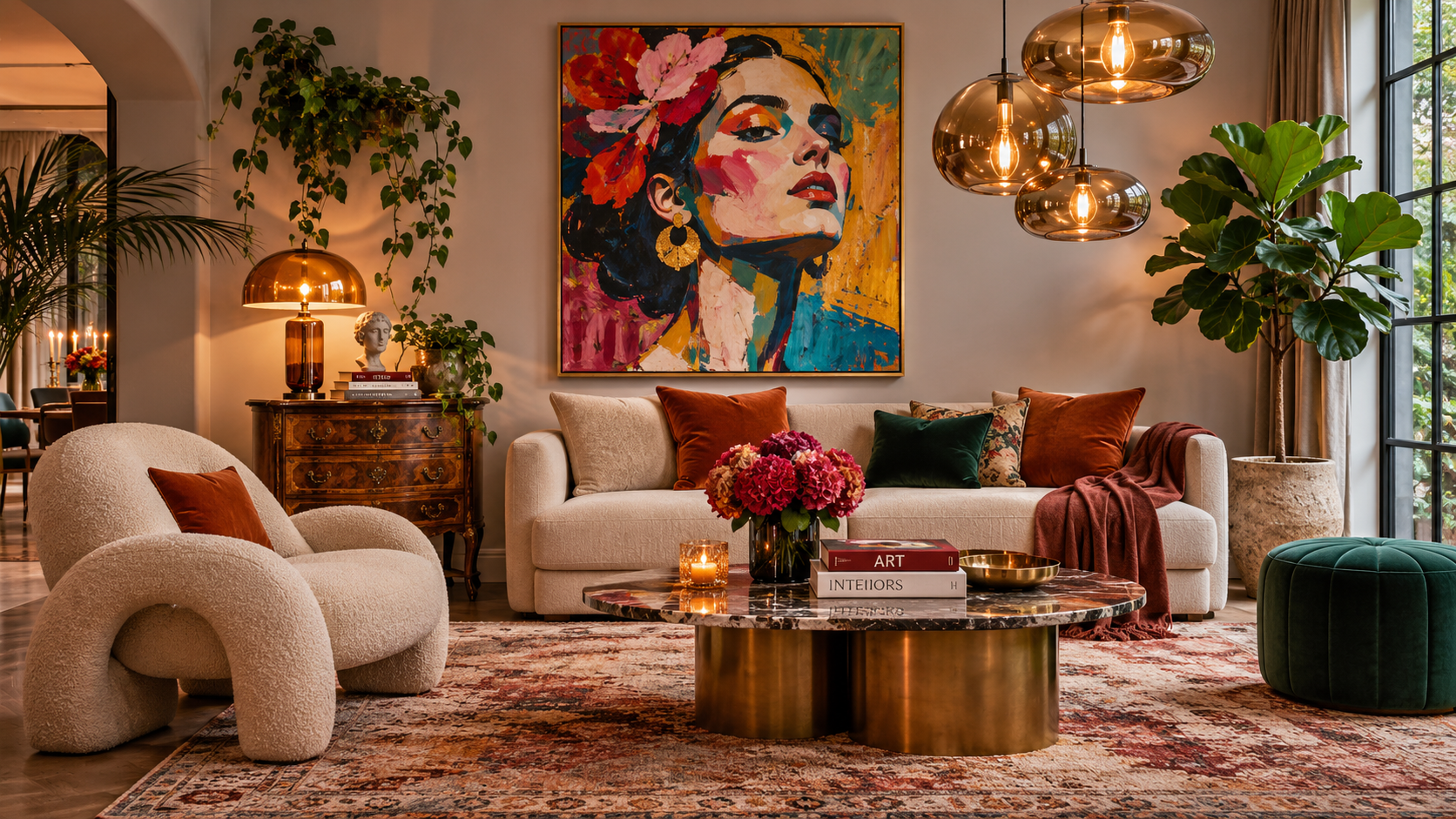
Your home should be more than a collection of furniture and decorations. It should reflect your interests, experiences, creativity, and everyday lifestyle. Whether you live in a spacious suburban house or a small city apartment, the way you decorate your living spaces can make your surroundings feel more welcoming and meaningful.
However, creating a personalized home is not always straightforward. Many homeowners follow popular decorating trends, purchase matching furniture sets, or choose neutral colors because they feel safe. While these choices can produce attractive interiors, they may also leave rooms feeling somewhat generic.
Exploring these 10 tips to help your living spaces pop with personality can inspire you to create interiors that feel distinctive without sacrificing comfort or functionality.
You do not need expensive designer furniture or a complete renovation to achieve meaningful changes. Sometimes, introducing colorful artwork, incorporating family photographs, or rearranging existing furniture can dramatically change a room’s atmosphere.
Architectural Digest’s 2026 interior design coverage highlights growing interest in personalized spaces featuring layered colors, expressive furnishings, collected objects, and meaningful decorative details. Architectural Digest+1
This guide explores ten practical ways to bring creativity, warmth, and individuality into your living spaces while maintaining a cohesive and functional design.
Why Personality Matters in Interior Design
A beautifully decorated room is not necessarily one that reflects the people living in it.
Interior personality comes from the choices that make a space feel individual, whether through color preferences, meaningful possessions, favorite artwork, or unexpected furniture combinations.
A living room filled with identical showroom furnishings may look polished but lack the personal details that create emotional connections.
By contrast, a carefully selected combination of old and new pieces can tell a story about your experiences and interests.
Benefits of Personalized Living Spaces
Thoughtful personalization can help you:
- Create a more welcoming atmosphere.
- Display meaningful memories and belongings.
- Express your preferred decorating style.
- Make existing furniture feel more distinctive.
- Introduce visual interest through colors and textures.
- Develop spaces that support your lifestyle.
- Avoid unnecessary spending on short-lived decorating trends.
The goal is not to make every corner visually dramatic. It is to create a balanced interior that feels authentic to you.
1. Experiment With Colors That Reflect Your Style
Color is one of the most effective ways to introduce personality into a living space.
The colors you choose can influence the room’s visual atmosphere and establish the foundation for furniture, artwork, and decorative accessories.
Start With a Personalized Color Palette
Instead of automatically choosing popular neutral shades, consider colors that genuinely appeal to you.
For example, deep green walls may create a rich background for wooden furniture, while warm terracotta accents can bring character to a beige living room.
If you enjoy brighter interiors, consider introducing cobalt blue, mustard yellow, or coral through cushions and accessories.
HGTV’s interior design guidance recommends establishing a dominant color, a supporting color, and an accent shade to create a coordinated scheme. HGTV
Introduce Bold Colors Gradually
You do not need to repaint an entire room immediately.
Start with smaller changes, such as colorful cushions, a painted side table, or an expressive rug.
Observe how the colors appear under natural and artificial lighting before making larger decisions.
This approach is especially useful for renters or homeowners who prefer flexible decorating options.
2. Create a Gallery Wall That Tells Your Story
A gallery wall offers an excellent opportunity to display artwork, photographs, and meaningful personal collections.
Instead of decorating with generic prints alone, incorporate pieces connected to your experiences and interests.
Combine Different Types of Artwork
A personalized gallery wall might include family photographs, travel memories, illustrations, paintings, and vintage prints.
You can combine different frame sizes and styles to create visual variety.
For example, black frames may provide structure, while wooden or metallic frames introduce warmth.
Try arranging the artwork on the floor before attaching anything to the wall.
This allows you to experiment with spacing and balance.
Choose a Meaningful Focal Point
Begin with one larger artwork or photograph, then arrange smaller pieces around it.
Maintain consistent spacing where appropriate, but do not feel obligated to create a perfectly symmetrical layout.
The collection should feel coordinated without losing its individual character.
Architectural Digest’s recent decorating advice emphasizes using meaningful collections and personal objects to create interiors that feel lived-in rather than staged. Architectural Digest
3. Mix Modern Furniture With Vintage Finds
One of the most creative tips to help your living spaces pop with personality is combining furnishings from different design periods.
A room does not need to follow one strict style to look cohesive.
Combine Old and New Pieces
Consider pairing a contemporary sofa with a vintage wooden coffee table.
A traditional armchair can complement modern lighting, while an antique decorative mirror may look striking above a minimalist console.
These combinations introduce contrast and make a room feel collected over time.
However, avoid adding vintage furniture simply because it is old.
Choose pieces that fit your room’s dimensions, provide appropriate function, and complement the overall design.
Look for Secondhand Treasures
Thrift stores, estate sales, antique markets, and local resale shops may offer interesting furniture and decorative objects.
Inspect used pieces for structural stability, damage, and maintenance requirements.
For older painted furniture, consider potential lead-related risks before sanding or refinishing.
Buying secondhand can provide decorative variety while reducing the need to purchase entirely new furniture sets.
4. Layer Different Textures for a Cozy Atmosphere
Texture gives a room visual depth and makes decorating schemes feel more complete.
A space containing only smooth, hard surfaces can appear flat, even when the furniture is attractive.
Combining materials helps create contrast and interest.
Mix Soft and Natural Materials
Consider pairing a linen sofa with a chunky knitted throw blanket and velvet cushions.
A wooden coffee table can complement a woven basket, while a ceramic vase may provide contrast against soft upholstery.
You can also introduce texture through curtains, rugs, lampshades, and wall decorations.
Balance Contrasting Finishes
Try combining polished and matte surfaces, smooth and rough textures, or lightweight and substantial materials.
For example, a glass side table can look attractive beside a textured fabric chair.
Designers often use layering to create warmth and dimension, but effective layering still requires thoughtful balance rather than adding accessories without purpose. Homes and Gardens
5. Introduce Statement Furniture Pieces
Statement furniture can become the centerpiece of a room.
Rather than purchasing several dramatic items, choose one or two pieces that reflect your taste.
Choose Furniture With Character
A sculptural accent chair, colorful sofa, unusual coffee table, or decorative bookshelf can establish a distinctive design direction.
For example, a curved velvet armchair may soften a room dominated by straight-lined furniture.
Alternatively, a reclaimed wood dining table may add rustic character to a modern interior.
Keep Functionality in Mind
Statement furniture should still be practical.
Consider how frequently the piece will be used, whether it fits the room, and how easily people can move around it.
Measure doorways and available floor space before purchasing large items.
An attractive chair that blocks circulation or provides uncomfortable seating may not improve the room’s everyday usefulness.
6. Decorate With Meaningful Personal Collections
Personal collections can transform ordinary shelves into interesting decorative displays.
Books, handmade ceramics, travel souvenirs, family heirlooms, and small sculptures can help communicate your interests.
Display Collections Creatively
Instead of spreading decorative objects randomly throughout the room, arrange related items together.
For example, a bookshelf might feature several favorite novels, a framed photograph, and a small handcrafted bowl.
A collection of ceramic vases can create a focal point on a mantel or console table.
Avoid Overcrowding
Leave open space around important objects so each piece remains visible.
You can rotate decorations seasonally or replace displayed items occasionally.
This keeps the room feeling fresh without requiring additional purchases.
Personalized interiors often become more interesting as collections develop naturally over time.
7. Use Lighting to Establish Atmosphere
Lighting can change the way colors, furniture, and artwork appear.
It also helps make living spaces more comfortable for different activities.
Combine Different Light Sources
A balanced room may include overhead lighting, floor lamps, table lamps, and accent lighting.
For example, a decorative pendant light can become a focal point, while a table lamp provides softer illumination for evening relaxation.
Wall sconces may highlight artwork or architectural details.
Choose Fixtures That Express Your Style
Lighting fixtures are decorative elements in their own right.
Consider sculptural lamps, vintage-inspired pendants, or simple contemporary designs.
Architectural Digest identifies statement lighting as a useful way to create visual interest in living rooms. Architectural Digest
When selecting lighting, consider brightness, placement, comfort, and energy efficiency alongside appearance.
8. Add Indoor Plants and Natural Elements
Plants can introduce color, organic shapes, and a refreshing visual contrast to furniture and decor.
They also work with many interior styles, including contemporary, traditional, rustic, and minimalist designs.
Select Plants for Your Space
Choose plants based on available light, temperature, and maintenance requirements.
A large indoor plant may complement an empty corner, while smaller plants can decorate shelves or side tables.
Decorative pots can add another layer of personality.
Incorporate Other Natural Materials
If caring for live plants is difficult, consider decorating with wooden accessories, stone objects, dried botanical arrangements, or natural-fiber baskets.
These materials can create a similar visual connection with nature.
If you have pets, confirm that any indoor plants are safe for the animals in your household.
9. Mix Patterns Without Overwhelming the Room
Patterns can make a room feel energetic and expressive.
Stripes, florals, geometric prints, and traditional textile patterns offer opportunities to create distinctive combinations.
Start With a Common Color
When combining patterns, choose designs that share at least one color.
For example, a striped cushion and floral rug may work well together when both include a similar blue accent.
Mix pattern sizes to prevent every item from competing for attention.
A large-scale pattern can pair effectively with smaller, more subtle designs.
Use Neutral Elements for Balance
If you enjoy bold patterned furniture, consider balancing it with simpler curtains or wall colors.
Alternatively, a neutral sofa can provide a flexible background for colorful patterned cushions.
There is no requirement to follow a single pattern formula, but repeating colors and varying scales can help establish cohesion.
10. Add DIY Decorations and Custom Details
The final idea among these ten tips to help your living spaces pop with personality is creating something yourself.
DIY decorating projects allow you to develop items that reflect your preferences while potentially reducing expenses.
Try Simple Home Decor Projects
You might paint a small side table, create a framed photo display, decorate a planter, or sew custom cushion covers.
A handmade wall hanging can also become a distinctive feature.
Start with manageable projects that fit your skills and available equipment.
Personalize Existing Furniture
Before replacing furniture, consider whether small updates could improve its appearance.
New cabinet hardware, removable decorative covers, or suitable refinishing projects may provide a fresh look.
However, use appropriate materials and follow safety instructions, especially when working with old finishes, electrical fixtures, or heavy wall-mounted objects.
The goal is to introduce character without creating unnecessary hazards or maintenance problems.
How to Decorate With Personality on a Budget
Creating an individual interior does not require expensive furniture or professional renovations.
Start by identifying the items you already enjoy.
Rearranging artwork, moving furniture, or combining accessories from different rooms can change the atmosphere without additional spending.
Consider shopping secondhand for decorative pieces and using simple DIY projects to refresh existing belongings.
Focus on one room or decorating area at a time.
A thoughtful approach often produces more cohesive results than purchasing numerous accessories during a single shopping trip.
Common Decorating Mistakes to Avoid
One common mistake is copying an interior design photograph without considering your own lifestyle.
A beautiful room may not function well if its furnishings are unsuitable for everyday activities.
Another mistake is purchasing too many decorative objects.
Even expressive interiors need enough open space for furniture, movement, and visual balance.
Avoid combining colors and patterns without considering how they relate to one another.
Also remember that a room does not need to follow every current design trend.
Personalized decorating works best when choices reflect your own interests rather than temporary popularity.
Frequently Asked Questions
How can I make my living room look more unique?
Introduce meaningful artwork, distinctive furniture, colorful accents, varied textures, and personal collections. Choose items that reflect your interests rather than copying a complete showroom design.
What colors add personality to living spaces?
Deep greens, warm terracotta, mustard yellow, navy blue, and other expressive shades can create character. However, the best colors are those that complement your furniture and personal preferences.
Can I mix different interior design styles?
Yes. Combining modern, traditional, vintage, or rustic elements can create a distinctive interior. Repeated colors, complementary materials, and balanced proportions help maintain cohesion.
How can I decorate my living room on a small budget?
Rearrange existing furniture, display personal photographs, purchase secondhand accessories, and try simple DIY projects. Prioritize meaningful improvements rather than buying numerous new items.
Are gallery walls suitable for small living rooms?
Yes. A carefully arranged gallery wall can add personality without occupying floor space. Use appropriately sized frames and avoid overcrowding smaller walls.
How do I make my home feel personal without creating clutter?
Choose a few meaningful focal pieces, group related objects, use practical storage, and leave open space between decorative arrangements. Rotate accessories rather than displaying everything simultaneously.
Conclusion
Your home should feel like a reflection of your personality, interests, and everyday life.
By following these 10 tips to help your living spaces pop with personality, you can create an environment that feels distinctive, welcoming, and comfortable.
Start by experimenting with colors that appeal to you, then introduce artwork, meaningful collections, vintage furniture, and varied textures.
Use statement pieces and decorative lighting to create focal points, while natural materials and indoor plants can add warmth.
Do not overlook the value of simple DIY projects or rearranging items you already own.
Most importantly, remember that personal decorating is not about filling every corner or following every trend.
It is about making thoughtful choices that feel meaningful to you.
With creativity, balance, and attention to practical needs, even modest decorating changes can transform an ordinary room into a living space filled with character.

Written by Twastia Editorial Team
Twastia Editorial Team shares practical insights about website design, SEO services, Google Ads, content marketing, social media, conversion rate optimization, and digital marketing strategy.
Last updated: Nov 5, 2026
Related posts from Twastia
Explore more useful articles from twastia.com about digital marketing, SEO, websites, ads, content, and growth strategy.