Bugbusters.com.au Guide to Professional Termite Treatment and Home Protection
Termites are among the most destructive pests that homeowners may encounter. These small insects can quietly damage wooden structures, weaken […]
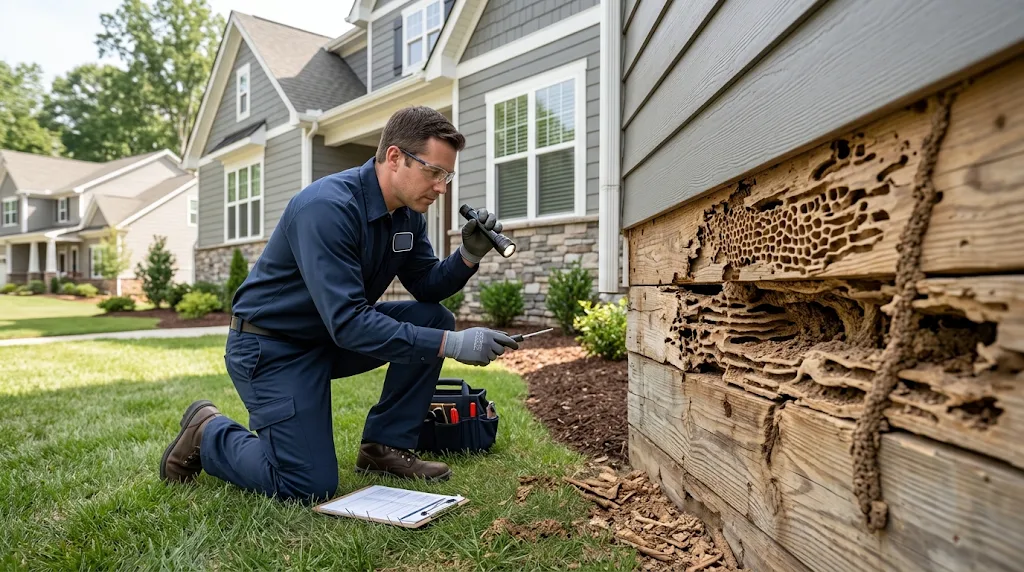
Termites are among the most destructive pests that homeowners may encounter. These small insects can quietly damage wooden structures, weaken important building materials, and create expensive repair problems before their presence becomes obvious.
Protecting a property requires more than occasional pest spraying. It involves understanding termite behavior, recognizing warning signs, arranging professional inspections, and selecting appropriate treatment methods.
Bugbusters.com.au provides termite treatment and pest management services in Perth, Western Australia. Its approach offers useful insights into professional termite protection that homeowners in the United States can also learn from.
Whether you own a family home, manage a rental property, or plan to purchase a new house, understanding termite prevention is an important part of responsible property maintenance.
Understanding the Importance of Professional Termite Control
Termites feed on cellulose, a natural substance found in wood, paper, and other plant-based materials. Unfortunately, many residential buildings contain materials that provide attractive food sources for termite colonies.
A colony can remain hidden inside walls, beneath flooring, or around building foundations for an extended period.
Bugbusters.com.au emphasizes professional inspection and targeted termite treatment as essential parts of protecting buildings against infestation.
For American homeowners, termite concerns are particularly relevant in warm and humid regions, including Florida, Texas, Georgia, Louisiana, and parts of California.
However, termite activity is not limited to these states. Different species occur across many areas of the country.
Early identification and appropriate treatment can help reduce damage and prevent a manageable infestation from becoming a serious structural problem.
What Is Bugbusters.com.au?
Bugbusters.com.au is the website of Bug Busters, an Australian pest control company serving Perth and surrounding areas of Western Australia.
The company offers services involving termite inspections, termite treatment, prevention systems, and general pest management.
According to its website, the business has more than 39 years of experience providing termite and pest control services.
Its termite management process includes property assessments, identification of infestation risks, and treatment recommendations based on individual property conditions.
Although Bugbusters.com.au operates in Australia rather than the United States, its service approach illustrates several principles that American homeowners should consider when evaluating licensed local pest control providers. Starts at $200+1
Common Signs of a Termite Infestation
Recognizing termite activity early can make a significant difference in protecting a property.
The warning signs discussed by Bugbusters.com.au are also relevant to many homes in the United States.
Mud Tubes Around Foundations
Subterranean termites frequently construct narrow mud tunnels along foundations, walls, and other surfaces.
These tunnels help termites travel between their underground colonies and food sources while maintaining suitable moisture conditions.
Visible mud tubes should prompt a professional inspection.
Hollow or Damaged Wood
Termites often consume wood internally, leaving the outer surface relatively intact.
Wooden floors, window frames, doors, and structural supports may sound hollow when tapped.
An inspection can determine whether the damage involves termites, moisture, or another problem.
Discarded Wings and Swarming Termites
Winged reproductive termites sometimes emerge from mature colonies.
Homeowners may notice discarded wings near windows, doors, or indoor lighting.
Such activity can indicate a nearby colony and should not be ignored.
Types of Termites That Threaten Homes
Different termite species require different management strategies.
Bugbusters.com.au highlights the importance of identifying the termite problem before selecting an appropriate treatment.
Subterranean Termites
Subterranean termites generally live in soil and travel into structures to find food.
They commonly enter through foundation openings, cracks, and locations where wood contacts the ground.
These termites are a major concern for American homeowners because colonies can damage concealed structural materials.
Drywood Termites
Drywood termites establish colonies directly inside relatively dry wood.
Unlike subterranean termites, they do not require continuous contact with soil.
They may infest furniture, framing, doors, and wooden decorative features.
Dampwood Termites
Dampwood termites typically prefer wood containing substantial moisture.
They are often associated with leaks, decaying timber, and persistently damp areas.
Effective management may involve both termite treatment and correction of the underlying moisture problem.
Professional Termite Inspection: The First Step
A successful termite control plan begins with a detailed property inspection.
Bugbusters.com.au describes termite assessments that help identify activity, assess risk conditions, and guide treatment recommendations.
Professional inspections typically focus on foundations, crawl spaces, accessible wooden structures, exterior landscaping, and areas vulnerable to moisture.
Technicians may also investigate suspected entry points and signs of earlier termite damage.
In American homes, a licensed inspector can evaluate the property according to regional termite risks and applicable state requirements.
Why Inspections Matter
Without identifying the type and extent of an infestation, homeowners may spend money on treatments that do not address the actual problem.
A thorough inspection helps determine whether treatment is necessary, which method is appropriate, and whether structural repairs require separate evaluation.
The University of Florida’s termite prevention guidance also recognizes inspection and ongoing maintenance as important parts of home protection. Ask IFAS
Effective Termite Treatment Methods
There is no single termite treatment that works equally well for every building or infestation.
Bugbusters.com.au discusses professional solutions, including termite barriers and termite baiting systems.
The correct method depends on the termite species, property construction, site accessibility, and severity of the infestation.
Liquid Termite Barriers
Liquid termite treatments are applied to designated soil areas around or beneath a building.
Depending on the registered product and installation design, the treated zone can help control termites attempting to enter the structure.
Application requires technical knowledge and careful compliance with product instructions.
Termite Baiting Systems
Termite baiting systems use strategically positioned monitoring or bait stations.
When suitable bait is consumed, the active ingredient can affect termite populations and potentially eliminate targeted colonies.
Baiting systems generally require continued monitoring and maintenance.
Direct Wood Treatments
Some termite problems may involve localized treatment of accessible wooden materials.
Professional technicians determine whether this approach is appropriate based on the species, infestation extent, and treatment product.
The United States Environmental Protection Agency regulates termite-control pesticides and provides guidance on choosing professional treatment options. US EPA
Why DIY Termite Treatment Can Be Risky
Homeowners sometimes attempt termite removal using household sprays or products purchased from retail stores.
However, visible termites may represent only a small portion of a larger concealed colony.
Bugbusters.com.au demonstrates the value of using a professional process that considers both existing termite activity and longer-term protection.
Improper treatment may fail to reach concealed infestations, delay effective control, or create unnecessary pesticide exposure.
For American homeowners, professional services should involve appropriately licensed operators using products registered for their intended applications.
A detailed treatment proposal is more useful than relying on vague promises of complete or permanent protection.
Termite Prevention Tips for Homeowners
Preventing conditions favorable to termites can reduce the risk of infestation.
Bugbusters.com.au recommends practical measures such as moisture control, regular inspections, and reducing wood-to-soil contact.
Control Moisture Around Your Property
Repair leaking pipes, damaged gutters, and drainage problems.
Make sure water flows away from foundations rather than collecting beside exterior walls.
Inspect crawl spaces and other damp areas for persistent moisture.
Keep Wood Away From Soil
Avoid storing firewood directly against your house.
Where practical, keep wooden landscaping materials and construction debris away from foundation areas.
Maintain Regular Inspections
Even properties with existing termite protection may require continued assessment.
The National Pesticide Information Center recommends removing favorable termite conditions and obtaining appropriate professional assistance when infestations are suspected. npic.orst.edu
Termite Treatment for New and Existing Homes
Termite protection is important during construction and throughout the useful life of a building.
Bugbusters.com.au offers insights into preventative treatment approaches that address properties at different stages.
For newly constructed American homes, builders may incorporate termite-resistant materials, properly designed physical barriers, or registered preconstruction soil treatments.
Existing homes may require inspection followed by baiting, soil treatment, or other targeted methods.
The most appropriate approach depends on the building design and local termite conditions.
Homeowners should also understand that treatment does not automatically repair damage that termites have already caused.
Structural deterioration may require evaluation by a qualified building professional.
How Much Does Termite Treatment Cost?
Termite treatment expenses vary considerably depending on property characteristics and the selected control method.
Bugbusters.com.au advertises termite treatment services in Australian dollars, but its advertised pricing should not be interpreted as an estimate for American properties.
In the United States, quotes generally depend on building size, infestation severity, termite species, accessibility, and treatment design.
Bait systems and liquid barriers may also involve different installation and ongoing maintenance expenses.
Before hiring a company, request a written estimate explaining the inspection findings, proposed treatment, coverage limitations, and follow-up requirements.
The lowest initial quote is not necessarily the best value if it excludes necessary monitoring or leaves important areas untreated.
Choosing a Reliable Termite Control Company
Selecting a qualified provider is an important part of successful termite management.
The service information published by Bugbusters.com.au highlights the importance of experience, property assessment, and treatment planning.
American homeowners should verify that a pest control business meets state licensing requirements.
They should also ask about technician qualifications, inspection procedures, treatment products, and warranty conditions.
Questions Worth Asking
Request clarification about the termite species identified and the evidence supporting the diagnosis.
Ask whether the treatment targets existing colonies, prevents future entry, or combines both objectives.
Review monitoring schedules, retreatment conditions, and any exclusions in the written warranty.
A reputable provider should explain realistic outcomes without promising that a property can never experience termites again.
Long-Term Termite Monitoring and Maintenance
Termite protection should be understood as an ongoing property management responsibility.
Bugbusters.com.au promotes regular termite inspections and treatment plans designed to support long-term protection.
Even after successful treatment, environmental conditions may change.
Landscaping alterations, plumbing leaks, renovations, and soil disturbances can influence a property’s vulnerability to termites.
Annual professional inspections are commonly recommended, although the appropriate schedule depends on local conditions, previous infestation history, and treatment requirements.
Maintaining inspection reports and treatment records can also help homeowners understand the property’s history when selling or purchasing real estate.
Frequently Asked Questions
Is Bugbusters.com.au available in the United States?
Bugbusters.com.au provides termite and pest control services in Perth and parts of Western Australia. Its website does not establish a U.S. service network. American homeowners should contact licensed pest control companies operating in their own state.
How often should a house receive a termite inspection?
Many professionals recommend yearly inspections, particularly in termite-prone locations. Properties with previous infestations or unusual risks may need more frequent attention.
Can termites return after professional treatment?
Yes. Successful treatment does not guarantee permanent protection. Follow-up inspections, proper maintenance, and monitoring help identify renewed activity or new infestations.
What is the difference between termite baiting and barriers?
Baiting systems target termites through strategically placed stations, while soil barriers use registered treatments to help protect structures from termite entry. Their suitability depends on the infestation and property.
Does homeowners insurance cover termite damage?
Standard U.S. homeowners insurance policies generally exclude damage caused by termites because it is typically treated as a preventable maintenance issue. Coverage depends on the specific policy wording.
Conclusion
Protecting a home from termites requires early detection, appropriate treatment, and consistent preventive maintenance.
Bugbusters.com.au provides an example of how professional termite management combines inspections, targeted treatment methods, and longer-term protection strategies.
For homeowners in the United States, the most important lesson is to act before a hidden infestation causes extensive structural damage.
Whether you are dealing with suspicious wood damage, preparing to purchase a property, or improving your home’s preventative maintenance plan, a qualified local termite specialist can help identify risks and recommend suitable solutions.
A thoughtful termite management strategy protects more than wooden structures. It helps preserve property value, reduce unexpected repair expenses, and support long-term peace of mind.
Reference context: The company operates in Western Australia. U.S. treatment guidance is supported by the EPA and university extension resources cited above. Treatment selection, legal requirements, and availability vary by location.
Is this conversation helpful so far?

Written by Twastia Editorial Team
Twastia Editorial Team shares practical insights about website design, SEO services, Google Ads, content marketing, social media, conversion rate optimization, and digital marketing strategy.
Last updated: Nov 18, 2026
Related posts from Twastia
Explore more useful articles from twastia.com about digital marketing, SEO, websites, ads, content, and growth strategy.