Climbing Mount Kilimanjaro – A Complete Guide for First-Time Climbers
Standing at 19,341 feet above sea level, Mount Kilimanjaro is one of the world’s most recognizable mountains and an unforgettable […]
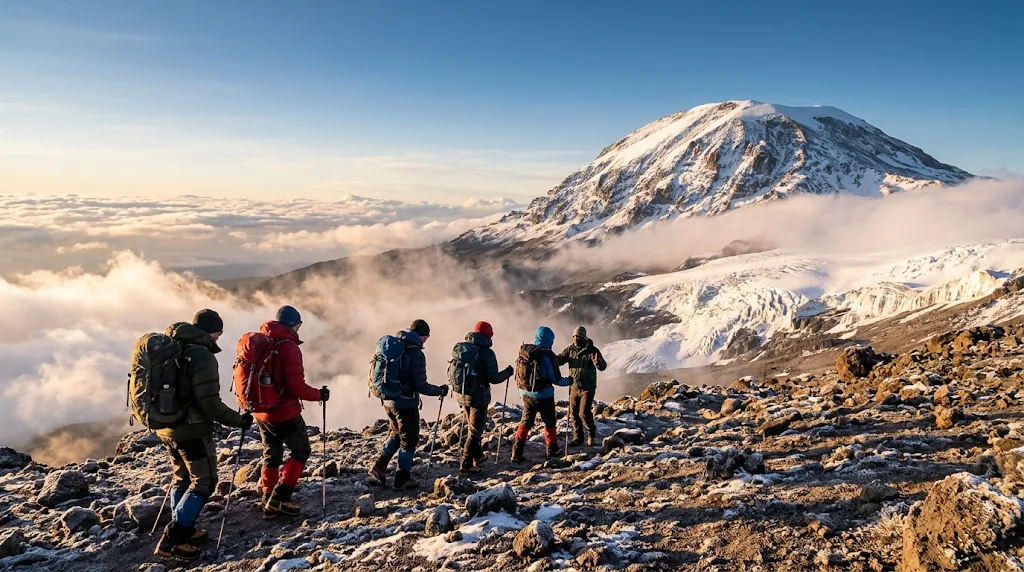
Standing at 19,341 feet above sea level, Mount Kilimanjaro is one of the world’s most recognizable mountains and an unforgettable destination for adventure travelers. Located in northern Tanzania, this impressive volcanic mountain attracts hikers from across the globe who dream of reaching Uhuru Peak, the highest point in Africa.
Unlike many other famous mountains, climbing Mount Kilimanjaro does not generally require technical mountaineering skills or advanced rock-climbing experience. However, reaching the summit is still a serious physical challenge. Climbers must prepare for changing weather conditions, demanding hiking days, and the effects of high altitude.
For travelers from the United States, a Kilimanjaro expedition offers an opportunity to experience a completely different environment, explore Tanzania’s remarkable landscapes, and accomplish a personal adventure that can remain memorable for a lifetime.
Whether you are an experienced hiker or preparing for your first major mountain expedition, understanding the routes, preparation requirements, costs, and potential challenges can help you plan a safer and more enjoyable journey.
This guide explains everything you should know before beginning your Kilimanjaro adventure.
Why Is Mount Kilimanjaro a Popular Climbing Destination?
Mount Kilimanjaro is the highest mountain in Africa and the world’s tallest free-standing mountain. Its dramatic elevation and distinctive landscape make it a popular destination for international hikers.
One of its most appealing features is the variety of environments encountered during the ascent.
Experience Five Distinct Ecological Zones
As climbers move higher, the surrounding environment changes significantly. The mountain includes several ecological zones, each offering different scenery and conditions.
These include:
- Cultivated farmland: The lower slopes feature agricultural communities and green landscapes.
- Rainforest: Dense vegetation, tall trees, and diverse wildlife characterize the lower mountain.
- Heath and moorland: Higher elevations feature unusual vegetation, open landscapes, and cooler temperatures.
- Alpine desert: The landscape becomes increasingly rocky, dry, and exposed.
- Arctic summit zone: Near the top, climbers encounter freezing temperatures, ice, and glaciers.
Experiencing these changing environments during a single expedition is one of the reasons Kilimanjaro is so special.
Reach the Highest Point in Africa
The ultimate objective for most climbers is Uhuru Peak, which stands at approximately 5,895 meters (19,341 feet).
Reaching the summit is a significant personal achievement. The final ascent often begins around midnight, allowing climbers to reach the top near sunrise.
Although the climb is demanding, the opportunity to watch the sun rise above the African landscape makes the experience particularly rewarding.
A Mountain That Does Not Require Technical Climbing
Most established Kilimanjaro routes are trekking routes rather than technical mountaineering routes.
Climbers generally do not need ropes, ice axes, or advanced rock-climbing experience. Nevertheless, the altitude, length of the expedition, and physical demands should never be underestimated.
Good preparation, suitable equipment, and a responsible guiding team are essential.
Best Routes for Climbing Mount Kilimanjaro
Choosing the right route is one of the most important decisions when organizing your expedition. Each route offers different scenery, duration, difficulty, and acclimatization opportunities.
The best option depends on your hiking experience, fitness, available time, and personal preferences.
1. Machame Route
The Machame Route is one of the most popular options for climbers who want a scenic and varied trekking experience.
Often called the Whiskey Route, it approaches Kilimanjaro from the southern side and passes through rainforest, moorland, and alpine desert landscapes.
Its climbing-high-and-sleeping-low approach provides useful opportunities for acclimatization.
Why consider it?
- Beautiful and varied scenery.
- Several opportunities to adjust to altitude.
- Suitable for hikers with reasonable fitness.
- Commonly completed in six or seven days, depending on the itinerary.
2. Lemosho Route
The Lemosho Route is known for its attractive scenery and relatively gradual approach to higher elevations.
It begins on the western side of the mountain and crosses the Shira Plateau before joining sections of the Machame Route.
The longer itineraries provide additional time for acclimatization, which can be beneficial for many climbers.
Why consider it?
- Excellent mountain scenery.
- A longer approach with gradual elevation gain.
- Opportunities to explore different landscapes.
- Often completed in seven or eight days.
3. Marangu Route
The Marangu Route is one of Kilimanjaro’s oldest established climbing routes.
It is sometimes called the Coca-Cola Route and is known for providing hut accommodation instead of traditional camping throughout the trek.
The route approaches the summit from the southeast and generally follows the same path for the ascent and descent.
Why consider it?
- Mountain hut accommodation.
- A relatively direct trekking itinerary.
- Established facilities along the route.
- Usually takes five or six days, although a longer itinerary offers more acclimatization time.
4. Rongai Route
The Rongai Route approaches the mountain from the northern side, close to the Kenyan border.
It offers a different perspective of Kilimanjaro and is generally quieter than some of the more frequently used routes.
Its northern approach can also experience different rainfall patterns from the southern slopes.
Why consider it?
- A quieter trekking experience.
- Distinctive northern mountain scenery.
- Gradual approach through different landscapes.
- Commonly takes six or seven days.
5. Northern Circuit Route
The Northern Circuit is one of the longest established routes on Kilimanjaro.
It circles much of the northern side of the mountain, providing extensive views and more time at different elevations.
Its longer duration can offer valuable acclimatization opportunities, making it an attractive choice for climbers who have enough time for a more gradual expedition.
Why consider it?
- Exceptional panoramic views.
- A longer and less crowded itinerary.
- More time for altitude adjustment.
- Typically takes eight or nine days.
Best Time of Year to Climb Mount Kilimanjaro
Choosing the right season can make your expedition more comfortable and enjoyable. Although Kilimanjaro can be climbed throughout the year, weather conditions vary considerably.
The two main climbing seasons are:
January to March
This period generally offers relatively clear conditions, particularly in the mornings. Temperatures are often warmer than during the middle of the year, although afternoon clouds and occasional rainfall are possible.
It can be a good choice for travelers who prefer slightly quieter trails and opportunities for mountain photography.
June to October
These months are generally considered the main climbing season because of drier weather and more favorable trekking conditions.
July and August can be particularly busy, so booking your expedition early is advisable.
April and May are associated with the long rainy season, while November can bring shorter periods of rainfall. These months may involve muddier trails, reduced visibility, and more challenging weather conditions. Visit Tanzania+1
How to Prepare for Climbing Mount Kilimanjaro
Physical preparation is essential, even if you regularly exercise or enjoy hiking.
You do not need to become an elite athlete, but you should develop enough endurance to walk for several hours across consecutive days.
Build Your Hiking Endurance
Begin training several months before your planned expedition.
Include activities such as:
- Long-distance walking.
- Hiking on hills and uneven terrain.
- Stair climbing.
- Cycling and swimming.
- Strength training for your legs and core.
Gradually increase the distance and difficulty of your training sessions. Practice walking with a backpack so your body becomes comfortable carrying additional weight.
Prepare the Right Equipment
Mountain weather changes significantly with elevation, making appropriate clothing essential.
Your packing list should include:
- Waterproof hiking boots.
- Thermal base layers.
- Insulated jackets.
- Waterproof trousers and outerwear.
- Warm gloves and a winter hat.
- Hiking socks.
- Trekking poles.
- Headlamp with spare batteries.
- Sleeping bag suitable for freezing temperatures.
- Sunscreen and sunglasses.
Break in your hiking boots before traveling to Tanzania. Wearing unfamiliar footwear during a long expedition can cause painful blisters.
Understand Altitude Acclimatization
Altitude is one of the biggest challenges when climbing Kilimanjaro. As you ascend, oxygen availability decreases, and your body needs time to adjust.
Altitude sickness can affect even physically fit climbers. Common symptoms include headaches, nausea, dizziness, fatigue, and difficulty sleeping.
Choose an itinerary that allows sufficient acclimatization time. Walk slowly, follow your guide’s instructions, and report any symptoms immediately.
Severe altitude illness requires prompt medical attention and descent. Never continue climbing when your guide or medical assessment indicates that descending is necessary.
The CDC recommends allowing additional days for acclimatization and discussing altitude illness prevention with a healthcare professional before travel. CDC Yellow Book™+1
How Much Does Climbing Mount Kilimanjaro Cost?
The cost of climbing Kilimanjaro depends on several factors, including your chosen route, expedition length, accommodation, group size, and tour operator.
For American travelers, it is important to consider the complete trip budget rather than looking only at the advertised climbing package.
Potential expenses include:
- International flights to Tanzania.
- Climbing package and park fees.
- Accommodation before and after the trek.
- Travel insurance.
- Personal hiking equipment.
- Guide and mountain crew tips.
- Meals and additional activities.
- Airport transfers.
Some tour operators include park fees, meals, camping equipment, professional guides, and transportation in their packages. Others may charge separately for certain services.
For example, Altezza Travel provides Kilimanjaro climbing packages and personal equipment rental options. Travelers can review available itineraries and pricing before selecting an expedition. Packages and Cost to Climb+1
Always request a detailed breakdown of included and excluded expenses before making a booking.
Choosing a Reliable Kilimanjaro Tour Operator
A professional tour operator plays an important role in organizing your expedition and supporting your safety throughout the climb.
Before booking, consider the following:
Experienced mountain guides: Check whether guides have appropriate training and experience managing high-altitude expeditions.
Safety procedures: Ask about altitude monitoring, emergency oxygen, evacuation arrangements, and medical response procedures.
Responsible crew treatment: Choose operators that demonstrate fair treatment of mountain guides, cooks, and porters.
Transparent pricing: Make sure the package clearly explains accommodation, meals, transportation, park fees, and additional expenses.
Customer feedback: Read independent reviews and look for consistent feedback about organization, communication, and safety.
A reputable operator should be willing to answer your questions and explain how the expedition is managed.
Frequently Asked Questions
1. How difficult is climbing Mount Kilimanjaro?
Kilimanjaro is physically demanding but does not generally require technical climbing skills. Good endurance, preparation, suitable equipment, and proper acclimatization are important.
2. How many days does it take to climb Mount Kilimanjaro?
Most expeditions take between five and nine days, depending on the chosen route and itinerary. Longer climbs generally provide more time for acclimatization.
3. Can beginners climb Mount Kilimanjaro?
Yes. Beginners with suitable fitness levels can attempt Kilimanjaro. However, they should train beforehand, choose an appropriately paced route, and climb with a reputable guiding team.
4. What is the best route for first-time climbers?
The Lemosho and Machame routes are popular choices because they offer attractive scenery and itineraries with useful acclimatization opportunities. The best option depends on your fitness, schedule, and preferences.
5. Is Mount Kilimanjaro covered in snow?
The summit area contains glaciers and ice despite the mountain’s location near the equator. Temperatures near Uhuru Peak can fall well below freezing, particularly during the night.
6. Do I need travel insurance for Kilimanjaro?
Yes, suitable travel insurance is strongly recommended. Check that your policy specifically covers high-altitude trekking up to 6,000 meters and emergency evacuation, including helicopter evacuation where available.
7. Can I climb Kilimanjaro without previous mountaineering experience?
Yes. The established trekking routes do not generally require technical mountaineering experience. However, physical preparation and understanding altitude-related risks remain essential.
Conclusion
Climbing Mount Kilimanjaro is an extraordinary adventure that combines physical challenge, natural beauty, and personal achievement. From the rainforest-covered lower slopes to the icy landscape surrounding Uhuru Peak, every stage offers a different experience.
For travelers from the United States, careful planning is the key to making this journey successful. Choose a suitable route, prepare physically, invest in appropriate equipment, and allow enough time for altitude acclimatization.
Working with an experienced tour operator such as Altezza Travel can also help simplify the planning process and provide professional support throughout your expedition.
With the right preparation, realistic expectations, and respect for the mountain, reaching the Roof of Africa can become one of the most rewarding travel experiences of your life.
Related Secondary Keywords:
- Mount Kilimanjaro hiking
- Kilimanjaro climbing tours
- Best time to climb Kilimanjaro
- Mount Kilimanjaro climbing routes
- Kilimanjaro trekking guide
- Kilimanjaro climbing cost
- Uhuru Peak Tanzania
- Kilimanjaro summit expedition
- Kilimanjaro hiking preparation
- Kilimanjaro altitude sickness
- Lemosho Route Kilimanjaro
- Machame Route Kilimanjaro
- Tanzania mountain climbing
- Kilimanjaro adventure travel

Written by Twastia Editorial Team
Twastia Editorial Team shares practical insights about website design, SEO services, Google Ads, content marketing, social media, conversion rate optimization, and digital marketing strategy.
Last updated: Nov 16, 2026
Related posts from Twastia
Explore more useful articles from twastia.com about digital marketing, SEO, websites, ads, content, and growth strategy.