7 Ways To Support Your Health When You Travel: Best Tips
Traveling is an exciting opportunity to explore new destinations, experience different cultures, enjoy unfamiliar foods, and create unforgettable memories. Whether […]
Traveling is an exciting opportunity to explore new destinations, experience different cultures, enjoy unfamiliar foods, and create unforgettable memories.
Whether you are planning an international vacation, a business trip, a family holiday, or a weekend getaway, travel can bring a welcome change from everyday life.
However, changing environments, unfamiliar routines, long transportation journeys, and busy sightseeing schedules can also affect your physical and mental well-being.
You may find yourself eating at irregular times, sleeping fewer hours, spending long periods sitting, or forgetting to drink enough water.
These seemingly small changes can make a trip more tiring than expected.
Understanding 7 Ways To Support Your Health When You Travel can help you maintain healthier habits and reduce avoidable health risks while enjoying new experiences.
Maintaining good health during a trip does not require following a strict fitness programme or avoiding every unfamiliar food. Instead, it involves sensible preparation, practical hygiene habits, appropriate nutrition, and enough time for rest.
The Centers for Disease Control and Prevention (CDC) recommends preparing for international travel with destination-specific health advice, appropriate vaccinations, and preventive measures based on the traveler’s circumstances. CDC Yellow Book™
A thoughtful approach to 7 Ways To Support Your Health When You Travel can make your journey more comfortable, whether you are exploring a busy city, relaxing at the beach, or travelling across several time zones.
This guide explains seven practical strategies for preparing your body, maintaining daily wellness, protecting yourself against common travel-related illnesses, and responding appropriately if health concerns arise.
1. Prepare Your Health Before Leaving Home
Healthy travel begins before departure.
Many travelers focus on flights, hotels, luggage, and sightseeing while leaving health preparation until the last minute.
However, certain destinations require additional planning, especially when travelers may encounter unfamiliar diseases, challenging climates, or limited healthcare access.
The first principle behind 7 Ways To Support Your Health When You Travel is to review your individual health needs before leaving home.
Schedule a Pre-Travel Health Consultation
For international travel, consider speaking with a healthcare professional or travel medicine clinic well before departure.
A consultation may cover your destination, planned activities, vaccination history, medical conditions, medications, and potential health risks.
The CDC’s Yellow Book 2026 explains that a pre-travel assessment helps healthcare professionals evaluate travel-related risks and recommend appropriate preventive care. CDC Yellow Book™
Ideally, arrange this consultation four to six weeks before departure when possible. Some vaccines require multiple doses or time to provide protection.
Even if your trip is approaching quickly, professional advice can still be useful.
Review Necessary Vaccinations
Routine vaccines should be up to date according to your personal circumstances and current recommendations.
Depending on the destination, additional vaccines or preventive medications may be recommended or required.
For example, some travelers may need protection against hepatitis A, typhoid, yellow fever, or other destination-specific diseases.
These recommendations are not universal.
Consult the official CDC Travelers’ Health destination directory and an appropriate clinician for personalized advice.
Prepare Prescription Medications
Carry an adequate supply of prescribed medication, allowing for potential travel delays when legally permitted.
Keep medicines in their original labeled containers whenever practical.
Certain medications that are commonly prescribed in one country may be restricted in another.
Check applicable import rules before departure.
Do not stop, change, or combine prescribed medications without appropriate medical advice.
Review Medical Coverage
Some domestic health insurance policies provide little or no coverage abroad.
Check whether your existing plan covers emergency treatment, hospitalization, and medical transportation.
The CDC recommends evaluating travel health insurance and medical evacuation coverage based on the destination and individual needs. CDC Yellow Book™
Prepare a Small Health Kit
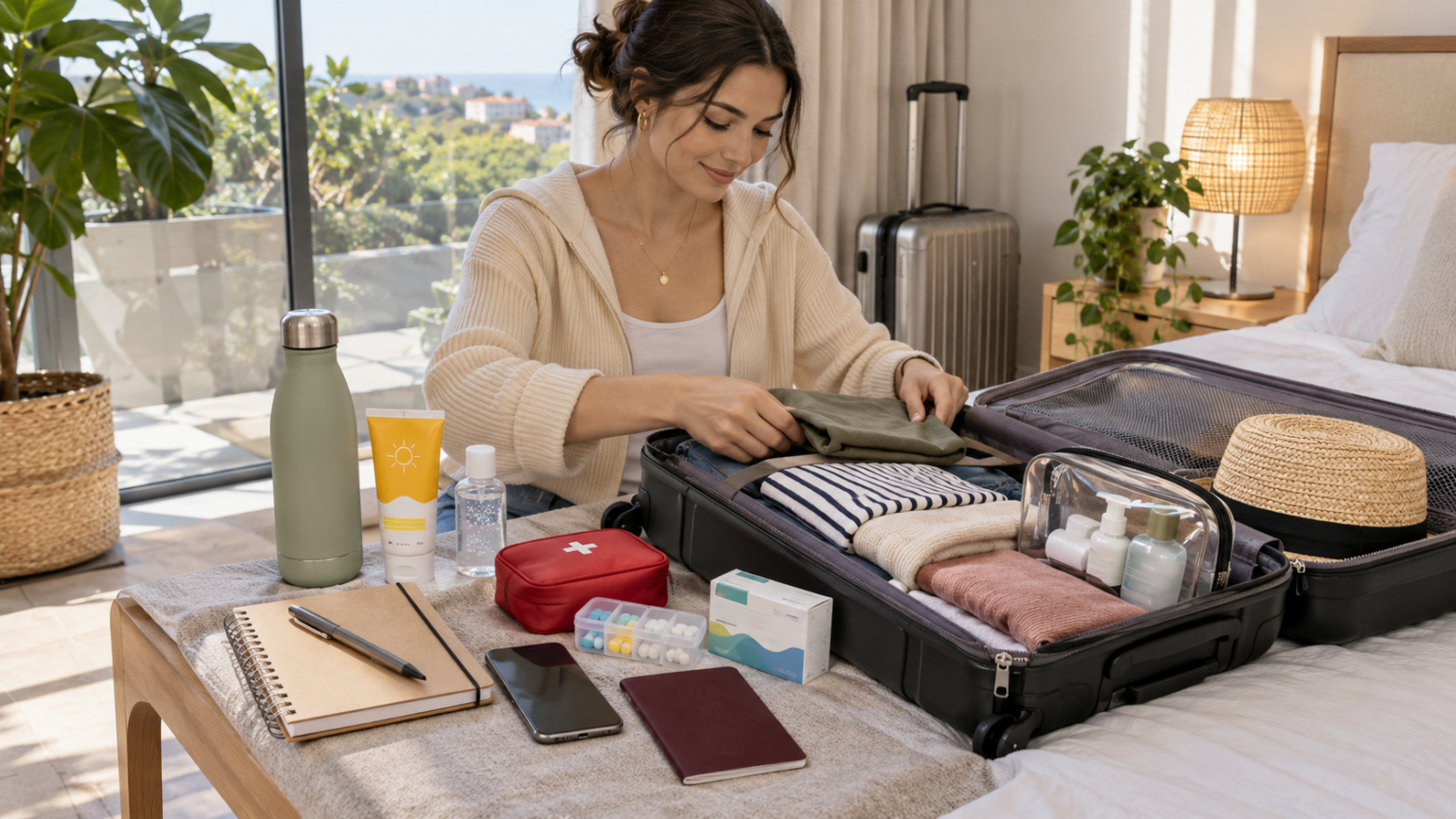
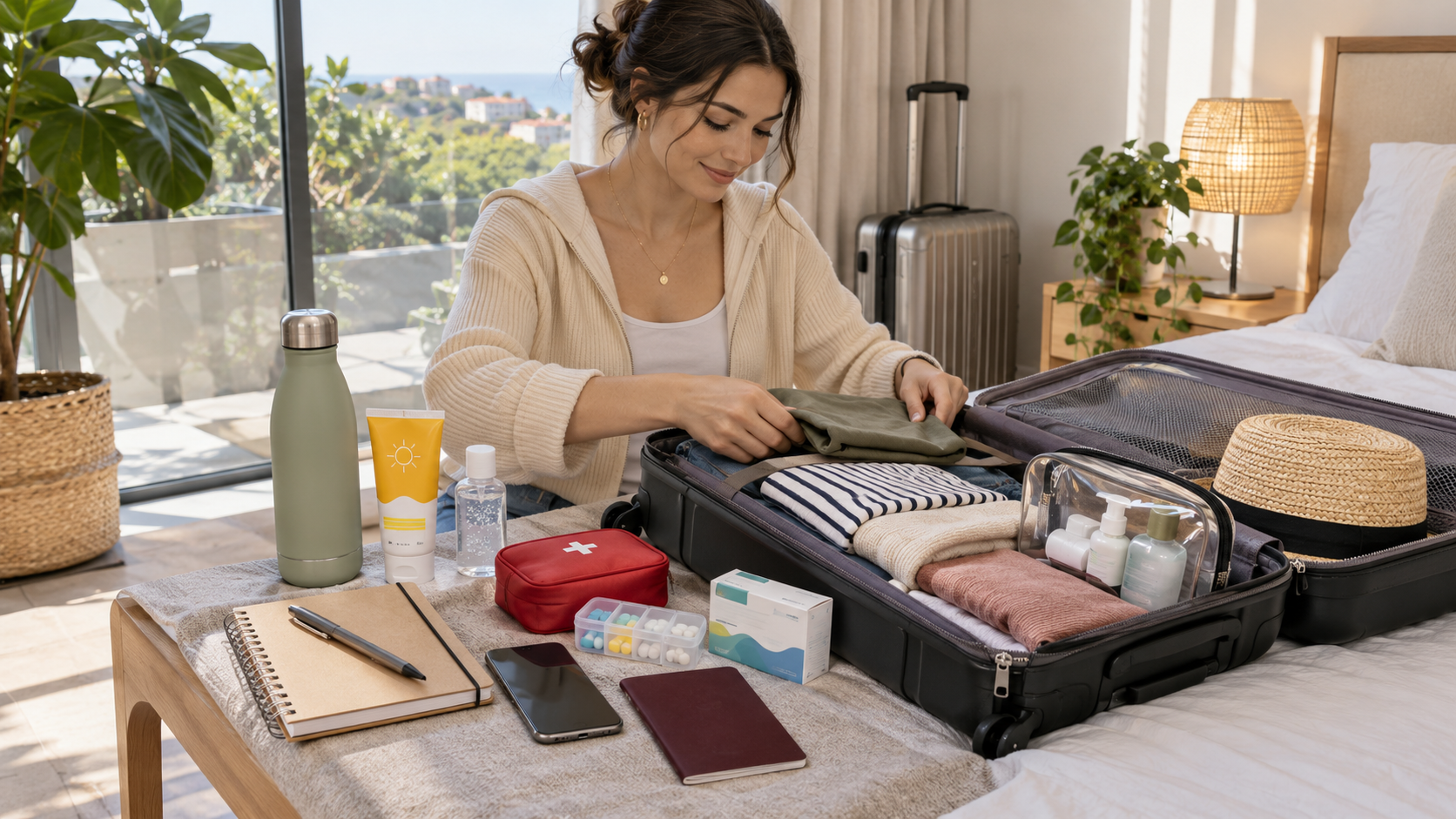
A simple travel health kit may contain appropriate first aid supplies, required medications, a thermometer, sunscreen, and other products relevant to your destination.
Choose medications based on medical advice and personal requirements rather than packing unnecessary treatments.
Key takeaway: The preparation aspect of 7 Ways To Support Your Health When You Travel is about preventing avoidable problems before they interfere with your journey.
2. Stay Hydrated and Choose Safe Drinking Water
Hydration is essential for normal body functions, including temperature regulation and physical performance.
Long travel days, hot weather, increased activity, and limited access to drinking water can make it more difficult to maintain normal hydration habits.
One of the simplest 7 Ways To Support Your Health When You Travel is to drink fluids regularly while considering the safety of the available water supply.
Carry Drinking Water
Bring a reusable water bottle where suitable, or purchase safe drinking water when needed.
Refill your bottle only from sources known to be safe.
The appropriate amount of fluid varies depending on body size, health conditions, activity, temperature, and other factors.
Rather than following a rigid quantity for every person, pay attention to thirst, physical activity, and relevant medical guidance.
Check Drinking Water Safety
Tap water is not equally safe in every destination.
Where drinking water safety is uncertain, choose commercially bottled water from a factory-sealed container or water that has been appropriately treated.
The CDC advises avoiding potentially contaminated water, including ice made from an unsafe supply. CDC Yellow Book™
Be Careful With Ice and Unsealed Beverages
A drink prepared using unsafe water may still present a risk even if it appears clean.
When water quality is uncertain, avoid ice unless you know it was prepared using safe water.
Commercially sealed beverages can be a practical alternative.
Adjust Your Habits in Hot Weather
Warm climates and physical activity may increase fluid requirements.
Take breaks, seek shade, and drink appropriately when walking or participating in outdoor activities.
Heavy sweating, vomiting, or diarrhea can increase the risk of dehydration.
Seek medical advice for persistent symptoms or signs of significant dehydration.
Limit Excessive Alcohol
Alcohol can affect judgment, sleep quality, and overall travel comfort.
If you drink alcohol, moderate your intake and avoid using it as a substitute for water.
The hydration-related lesson within 7 Ways To Support Your Health When You Travel is to maintain consistent fluid intake while being mindful of water quality.
3. Eat Balanced Meals and Follow Food Safety Practices
Trying new food is one of the most enjoyable parts of travelling.
Local markets, street food, regional restaurants, and traditional dishes can provide memorable cultural experiences.
However, unfamiliar food-handling practices and contaminated ingredients can sometimes lead to gastrointestinal illness.
A useful part of 7 Ways To Support Your Health When You Travel is balancing adventurous eating with sensible food safety precautions.
Start the Day With a Balanced Meal
A nourishing breakfast can help you feel ready for sightseeing and other activities.
Depending on your preferences and what is available, consider a meal containing protein, whole grains, fruit, and vegetables.
For example, eggs with whole-grain toast and safely prepared fruit may be a practical option.
There is no need to follow an elaborate diet while on holiday.
Choose Food That Is Properly Prepared
In destinations where food sanitation may be uncertain, fully cooked foods served hot are generally safer than foods that have been sitting at room temperature.
The CDC advises extra caution with raw or undercooked meat, seafood, eggs, unpasteurized dairy products, and produce that may have been washed with unsafe water. CDC Yellow Book™
Be Selective With Fresh Produce
Fresh fruit and vegetables can be part of a healthy diet.
However, where water safety is uncertain, choose produce that can be washed with safe water and peeled yourself.
Raw salads may carry greater risks in some settings.
Carry Suitable Snacks
A small supply of shelf-stable snacks can be useful during long travel days.
Options might include packaged crackers, nuts where appropriate, or other foods suitable for your dietary needs.
Check airline and customs restrictions before carrying food across borders.
Avoid Excessive Food Restrictions
You do not have to avoid local cuisine simply because it is unfamiliar.
Look for establishments with good hygiene practices, suitable food storage, and freshly prepared meals.
Enjoying traditional dishes responsibly can be an important part of the travel experience.
Consider Food Allergies and Dietary Needs
If you have allergies, intolerances, or other dietary restrictions, research common local ingredients.
A translated allergy card may help communicate important information.
Travelers with a history of severe allergic reactions should discuss emergency preparedness with their healthcare professional.
Key takeaway: The food-related advice in 7 Ways To Support Your Health When You Travel is to enjoy local cuisine while reducing unnecessary exposure to foodborne illness.
4. Prioritize Sleep and Manage Jet Lag
Travelling can disrupt normal sleeping patterns.
Early departures, overnight flights, unfamiliar hotel rooms, and changes in time zones may make it difficult to obtain adequate rest.
Poor sleep can contribute to fatigue, reduced concentration, irritability, and a less enjoyable travel experience.
Protecting your sleep routine is an essential part of 7 Ways To Support Your Health When You Travel.
Allow Enough Time for Sleep
Adults generally need sufficient regular sleep to support physical and mental functioning.
For many adults, this means approximately seven to nine hours per night, although individual needs vary.
Try not to schedule extremely early activities after a night of limited rest.
Prepare for Time Zone Changes
When travelling across several time zones, your internal body clock may not immediately match the local schedule.
This mismatch can cause jet lag.
The CDC’s Yellow Book 2026 explains that gradually adjusting sleep timing before departure may help some travelers adapt. CDC Yellow Book™
Use Daylight to Support Adjustment
Natural light plays an important role in regulating the sleep-wake cycle.
Spending suitable time outdoors after arrival may help your body adjust to a new schedule.
The best timing of light exposure depends on the direction and size of the time zone change.
For complicated trips or significant sleep difficulties, seek individualized advice.
Avoid Excessively Long Daytime Naps
Short naps may help when you are tired.
However, long naps late in the day can make it harder to sleep at the destination’s normal nighttime.
The CDC discusses short naps of approximately 20–30 minutes as one possible strategy for managing daytime fatigue during jet lag. CDC Yellow Book™
Create a Comfortable Sleeping Environment
Choose accommodation where you can manage noise, lighting, and temperature as effectively as possible.
Useful accessories may include an eye mask, earplugs where safe, and comfortable sleepwear.
Avoid unnecessary screen exposure and stimulating activities close to bedtime if they interfere with your ability to fall asleep.
Avoid Overscheduling
An overly ambitious itinerary can leave little room for recovery.
Allow enough time between late-night activities and early-morning departures.
Key takeaway: Understanding 7 Ways To Support Your Health When You Travel includes recognizing that adequate rest helps you enjoy your destination more comfortably.
5. Keep Moving During Flights, Road Trips, and Sightseeing
Long journeys frequently involve sitting for extended periods.
Whether you are flying internationally, travelling by bus, or spending several hours in a car, prolonged immobility can contribute to stiffness and discomfort.
For some travelers, extended sitting can also increase the risk of blood clots.
An important physical health principle in 7 Ways To Support Your Health When You Travel is incorporating suitable movement into long travel days.
Walk During Safe Travel Breaks
When possible, stand and walk periodically during long journeys.
On a road trip, plan stops where passengers can safely leave the vehicle and stretch.
On flights, move around only when cabin conditions and crew instructions permit.
Exercise Your Calf Muscles
Simple movements can help activate your leg muscles while seated.
For example, you can gently raise and lower your heels, move your ankles, or flex your feet.
The CDC recommends leg movement and occasional walking during long-distance travel, particularly for people concerned about travel-associated blood clots. CDC
Understand Individual Risk Factors
Most travelers do not develop blood clots during journeys.
However, risk may be higher for people with certain conditions or circumstances, including previous blood clots, recent surgery, pregnancy, or particular medical treatments.
People with increased risk should consult a clinician before travelling.
Do not begin aspirin or other medications solely to prevent travel-related clots unless specifically advised by a qualified healthcare professional.
Make Walking Part of Sightseeing
Exploring a destination on foot can be enjoyable and helps incorporate physical activity into your itinerary.
Choose appropriate walking routes and comfortable footwear.
Adjust the pace to your fitness level and local weather conditions.
Include Gentle Exercise
If you normally exercise regularly, consider maintaining a manageable routine.
Light stretching, walking, or other suitable activities may help you feel more comfortable.
Avoid suddenly attempting strenuous activities without appropriate preparation, especially at high altitude or in extreme heat.
Recognize Warning Signs
Unexplained swelling, pain, warmth, or redness in one leg may require prompt medical assessment.
Sudden shortness of breath, chest pain, fainting, or coughing blood may indicate a medical emergency. Seek emergency care immediately.
Key takeaway: The movement-related component of 7 Ways To Support Your Health When You Travel is to avoid unnecessary prolonged inactivity while adjusting exercise to your circumstances.
6. Protect Yourself Against Infections and Environmental Hazards
Travel exposes people to different environments, transportation systems, climates, and public spaces.
These changes may increase contact with unfamiliar infectious diseases or environmental hazards.
Although it is impossible to eliminate every health risk, straightforward preventive habits can provide meaningful protection.
Disease prevention is one of the most valuable 7 Ways To Support Your Health When You Travel because an avoidable illness can interrupt an otherwise enjoyable vacation.
Wash Your Hands Regularly
Handwashing is a simple way to reduce the spread of many germs.
Wash your hands with soap and water, especially before eating, after using the bathroom, and after contact with potentially contaminated surfaces.
The CDC recommends using an alcohol-based hand sanitizer containing at least 60% alcohol when soap and water are unavailable.
However, hand sanitizer is less effective than handwashing against certain organisms and when hands are visibly dirty. CDC Yellow Book™
Follow Respiratory Hygiene Practices
Cover coughs and sneezes with a tissue or your elbow rather than your hands.
Avoid touching your eyes, nose, and mouth with unwashed hands.
If you develop symptoms of a contagious illness, reduce contact with others and seek medical advice when appropriate.
In crowded indoor settings or during periods of elevated respiratory disease transmission, additional precautions may be helpful based on current public health guidance.
Protect Against Mosquitoes and Other Insects
Mosquitoes and ticks can transmit infections in certain destinations.
Use an appropriate insect repellent according to its label.
The CDC recommends EPA-registered repellents with approved active ingredients, such as DEET or picaridin, for relevant destinations. CDC
Wear suitable protective clothing and consider screened accommodation or insect nets where needed.
In destinations with malaria risk, travelers may require prescribed preventive medication in addition to bite protection.
Use Sunscreen and Seek Shade
Outdoor sightseeing can involve substantial sun exposure.
Apply suitable broad-spectrum sunscreen according to the product instructions, particularly when participating in activities near water, at altitude, or under strong sunlight.
Protective clothing, hats, and shade can provide additional benefits.
Reapply sunscreen as directed, particularly after swimming or sweating.
Consider Air Quality
Some destinations experience significant traffic pollution, wildfire smoke, dust, or other air quality concerns.
Travelers with respiratory conditions may need additional precautions.
Check local air quality information and reduce strenuous outdoor activity when conditions are hazardous.
Practice Animal Safety
Avoid approaching or feeding unfamiliar animals.
Animal bites and scratches may require urgent medical evaluation because of infection risks, including rabies in certain regions.
Key takeaway: The prevention-focused approach to 7 Ways To Support Your Health When You Travel combines hygiene, destination-specific precautions, and awareness of local conditions.
7. Manage Stress and Make Time for Mental Well-Being
Travel is often associated with relaxation and enjoyment, but it can also create stress.
Missed connections, unfamiliar surroundings, language differences, crowded attractions, and unexpected changes may feel overwhelming.
Even a carefully planned vacation can become exhausting when every day is filled with activities.
The final core principle in 7 Ways To Support Your Health When You Travel is protecting mental well-being alongside physical health.
Avoid Overloading Your Itinerary
A realistic schedule leaves time for meals, transportation, rest, and unexpected delays.
You do not need to visit every famous landmark to have a successful trip.
Choose a few meaningful activities and allow room for spontaneous experiences.
Maintain Familiar Healthy Routines
Simple habits from home can provide a sense of consistency.
For example, you may enjoy a morning walk, quiet reading, journaling, or a relaxing evening routine.
These activities can be adapted to your destination without interfering with sightseeing.
Take Breaks When Needed
Long days of walking, crowded transport, and unfamiliar environments can become tiring.
Plan opportunities to sit, rest, and recover.
A quiet afternoon at a café or hotel may be more valuable than another rushed attraction.
Stay Connected With People You Trust
For solo travelers, occasional contact with friends or family may provide reassurance.
Share appropriate travel information with a trusted contact, particularly when visiting remote locations.
Avoid publicly sharing sensitive details that could compromise your personal safety.
Practice Relaxation Techniques
Slow breathing, mindfulness, gentle stretching, or spending time in nature may help some people manage everyday travel stress.
These techniques are optional and should complement—not replace—professional treatment when mental health support is needed.
Recognize When Additional Support Is Necessary
People living with mental health conditions may benefit from discussing travel-related changes with their healthcare professional before departure.
Maintain prescribed treatment plans and verify medication availability and legality abroad.
If you experience severe distress or an immediate mental health crisis, seek appropriate local emergency or professional support.
Focus on the Experience, Not Perfection
Unexpected events are part of travel.
A rainy afternoon, delayed train, or changed reservation does not necessarily ruin a vacation.
Flexibility can help you enjoy the experiences that remain available.
Key takeaway: The emotional well-being side of 7 Ways To Support Your Health When You Travel is giving yourself enough flexibility to feel comfortable, rested, and present.
A Simple Daily Travel Wellness Routine
You do not need a strict schedule to maintain healthier habits while travelling.
The following example can be adjusted to your destination, activities, and personal needs.
| Time of day | Suggested habit | Practical benefit |
|---|---|---|
| Morning | Drink safe water and eat a suitable breakfast | Supports hydration and nourishment |
| Before sightseeing | Apply sunscreen and pack essentials | Helps prepare for outdoor activities |
| During activities | Take walking and rest breaks as needed | Supports physical comfort |
| Lunchtime | Choose safely prepared food and drinks | Helps reduce foodborne illness risk |
| Afternoon | Rehydrate and rest when necessary | Helps manage fatigue |
| Evening | Enjoy a balanced meal and reduce overscheduling | Supports comfort and relaxation |
| Before bedtime | Prepare for the next day and maintain a calm routine | Supports more consistent sleep |
The schedule is a general wellness example, not a personalized medical programme.
Essential Travel Health Packing Checklist
A small, well-organized kit can make daily travel more convenient.
Travel health preparation
0/10 readyPrescription medicines in appropriate original packagingMedication list and necessary medical documentationBasic first aid supplies and suitable personal medicationsAlcohol-based hand sanitizerSunscreen and suitable sun-protective accessoriesDestination-appropriate insect repellentReusable bottle or access to safe drinking waterComfortable walking shoesTravel health insurance and emergency contactsCopies of important health and travel documents
Reset checklist
A packing checklist is useful, but the contents should match your health requirements and the destination. Some products and medications may be restricted by airlines or immigration authorities.
Travel Health Precautions for Different Types of Trips
Not every journey involves the same risks.
A short domestic city break differs from a remote hiking expedition or an extended international business trip.
| Travel type | Main health considerations | Suggested preparation |
|---|---|---|
| Long-haul flight | Prolonged sitting, sleep disruption | Move when safe, plan rest, review individual clot risk |
| Beach holiday | Heat, sun exposure, water safety | Sunscreen, shade, safe hydration |
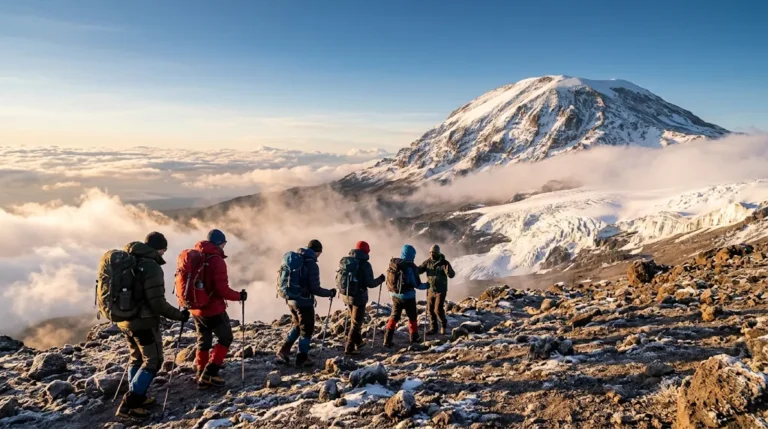
| Adventure travel | Physical exertion, terrain, weather | Appropriate fitness, equipment, first aid, local guidance |
| International city travel | Crowds, food safety, air quality | Hygiene practices, safe meals, local health advice |
| Remote travel | Limited medical services | Emergency planning, appropriate insurance |
| Business trip | Irregular meals, fatigue, tight schedules | Regular breaks, sleep planning, meal preparation |
| Family vacation | Different health needs and routines | Individual medications, child-appropriate supplies, flexibility |
Considering the nature of your trip makes 7 Ways To Support Your Health When You Travel more useful than following identical advice for every destination.
How to Prepare for Travel Health Emergencies
Even travelers who follow sensible precautions may become ill or injured.
Knowing how to respond can help reduce delays in getting appropriate care.
Identify Nearby Medical Facilities
Before departure, research how emergency medical services operate at your destination.
Keep relevant hospital or clinic contact information available.
For remote locations, determine whether advanced medical services can be reached quickly.
Understand Your Insurance Policy
Check what your insurance covers, including emergency treatment, hospital admission, specialist care, and evacuation.
Medical evacuation can be particularly important when travelling to remote areas with limited healthcare facilities.
The CDC notes that travel medical insurance and medical evacuation insurance serve different purposes and should be reviewed separately. CDC Yellow Book™
Carry Necessary Medical Information
People with significant health conditions may find it helpful to carry a medication list, allergy information, and appropriate emergency contact details.
Secure digital copies can provide backup access if paper documents are lost.
Seek Care When Symptoms Are Serious
High or persistent fever, severe dehydration, breathing difficulties, chest pain, major injuries, or unusual neurological symptoms may require urgent medical evaluation.
Do not delay necessary treatment simply to continue a planned activity.
Certain symptoms after returning home, particularly fever following travel to a malaria-risk region, also require prompt medical attention. Tell the healthcare professional where and when you travelled.
Common Mistakes Travelers Should Avoid
One of the most common travel health mistakes is waiting until the final days before departure to consider vaccinations, medical needs, or medication restrictions.
Another is assuming that food and water safety standards are identical everywhere.
Travellers may also underestimate the effects of sleep disruption, long periods of sitting, extreme weather, and demanding sightseeing schedules.
Excessive alcohol consumption, inadequate sun protection, and ignoring symptoms can create additional risks.
Some people pack large amounts of unnecessary medication but forget essential prescriptions or fail to investigate destination-specific import rules.
Others assume their existing health insurance will automatically cover treatment overseas.
A practical application of 7 Ways To Support Your Health When You Travel is preparing for realistic risks without allowing excessive worry to overshadow the trip.
By adopting manageable preventive habits and understanding when professional medical advice is appropriate, travelers can make better decisions throughout the journey.
Frequently Asked Questions
How can I stay healthy while traveling internationally?
Prepare before departure by reviewing destination-specific health risks, necessary vaccinations, and medical requirements. During the trip, practise good hygiene, choose safe food and drinking water, maintain adequate sleep, stay active, and take suitable environmental precautions.
What should I eat to stay healthy during a vacation?
Choose a variety of safely prepared foods that provide appropriate nourishment. Consider including protein, whole grains, fruit, and vegetables when available. In locations where food safety is uncertain, prioritize fully cooked meals served hot and produce prepared with safe water.
How can I avoid dehydration while traveling?
Drink safe fluids regularly, particularly in hot conditions or during strenuous activity. Carry suitable drinking water and take breaks when necessary. People with medical conditions affecting fluid intake should follow individualized clinical advice.
How do I protect my health during a long flight?
Move your legs while seated, walk periodically when safe, stay appropriately hydrated, and plan for adequate rest. Travelers with risk factors for blood clots should seek medical advice before departure.
What are the most important health items to pack for travel?
Common essentials include necessary prescription medications, basic first aid supplies, sunscreen, appropriate insect repellent, hand sanitizer, and relevant medical documentation. The exact contents depend on your destination and personal health circumstances.
Should I buy travel health insurance before an international trip?
It is wise to check your existing coverage and consider appropriate travel medical insurance. Depending on the destination and activities, medical evacuation coverage may also be relevant. Review exclusions, coverage limits, and emergency assistance arrangements.
Conclusion
Travel should provide opportunities for adventure, discovery, relaxation, and meaningful experiences.
However, maintaining good health can make those experiences more comfortable and enjoyable.
The most effective travel wellness practices are often straightforward: prepare before departure, maintain hydration, choose safe and balanced meals, protect your sleep, move regularly, follow appropriate hygiene precautions, and allow time for rest.
Understanding 7 Ways To Support Your Health When You Travel helps you make practical decisions without turning your vacation into a complicated health programme.
Different destinations and activities present different risks, so recommendations should be adapted to your personal circumstances.
Travelers with medical conditions, pregnancy-related concerns, medication requirements, or other specific needs may benefit from professional advice before departure.
Ultimately, 7 Ways To Support Your Health When You Travel is about creating a sensible balance between enjoying new experiences and protecting your physical and mental well-being.
With thoughtful preparation and a few manageable habits, you can focus more confidently on making lasting travel memories.

Written by Twastia Editorial Team
Twastia Editorial Team shares practical insights about website design, SEO services, Google Ads, content marketing, social media, conversion rate optimization, and digital marketing strategy.
Last updated: Nov 8, 2026
Related posts from Twastia
Explore more useful articles from twastia.com about digital marketing, SEO, websites, ads, content, and growth strategy.