4 Tips for Finding a Great Painting Company: Best Guide
A fresh coat of paint can completely change the appearance of your home. Whether you want to brighten your living […]
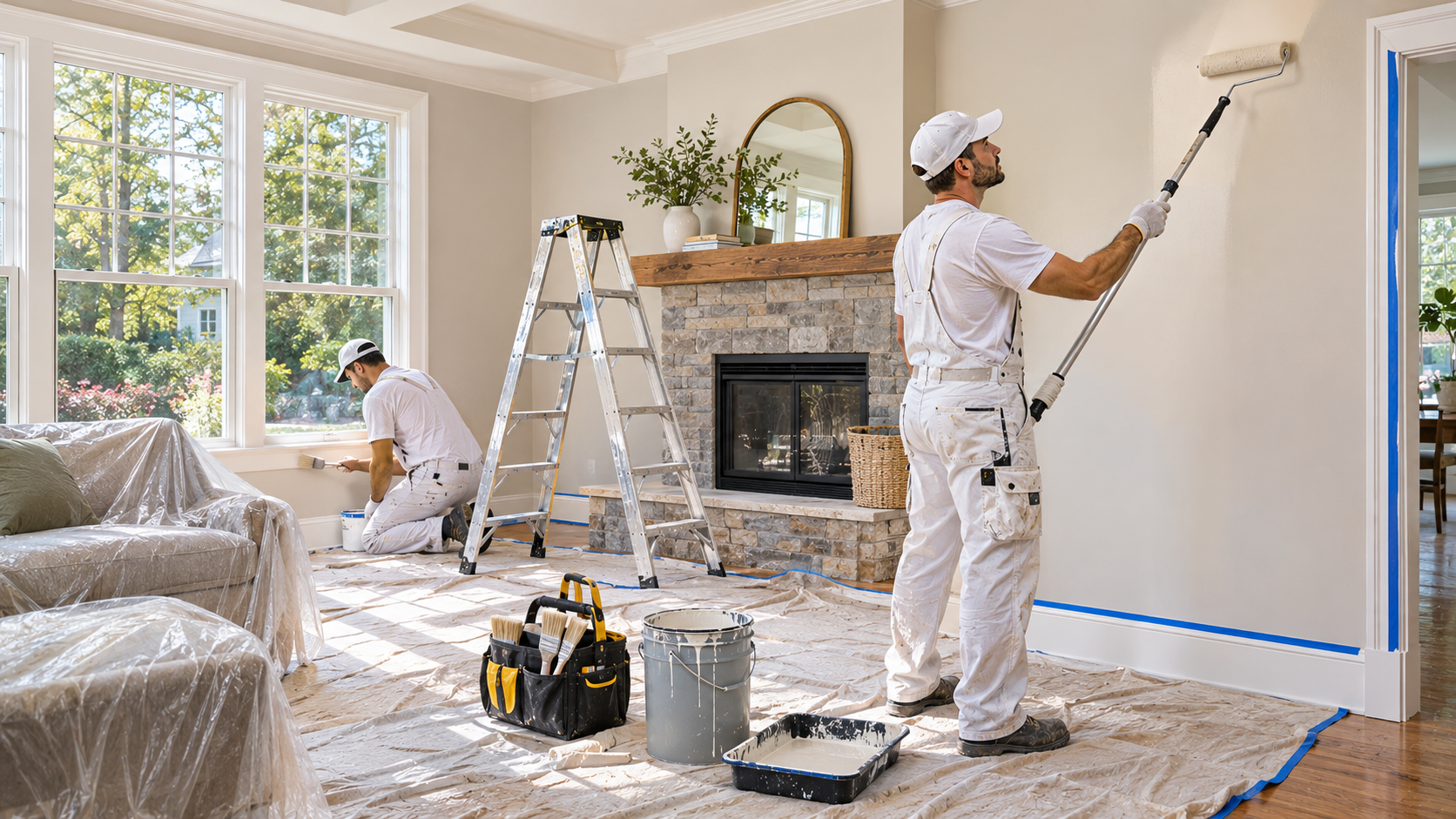
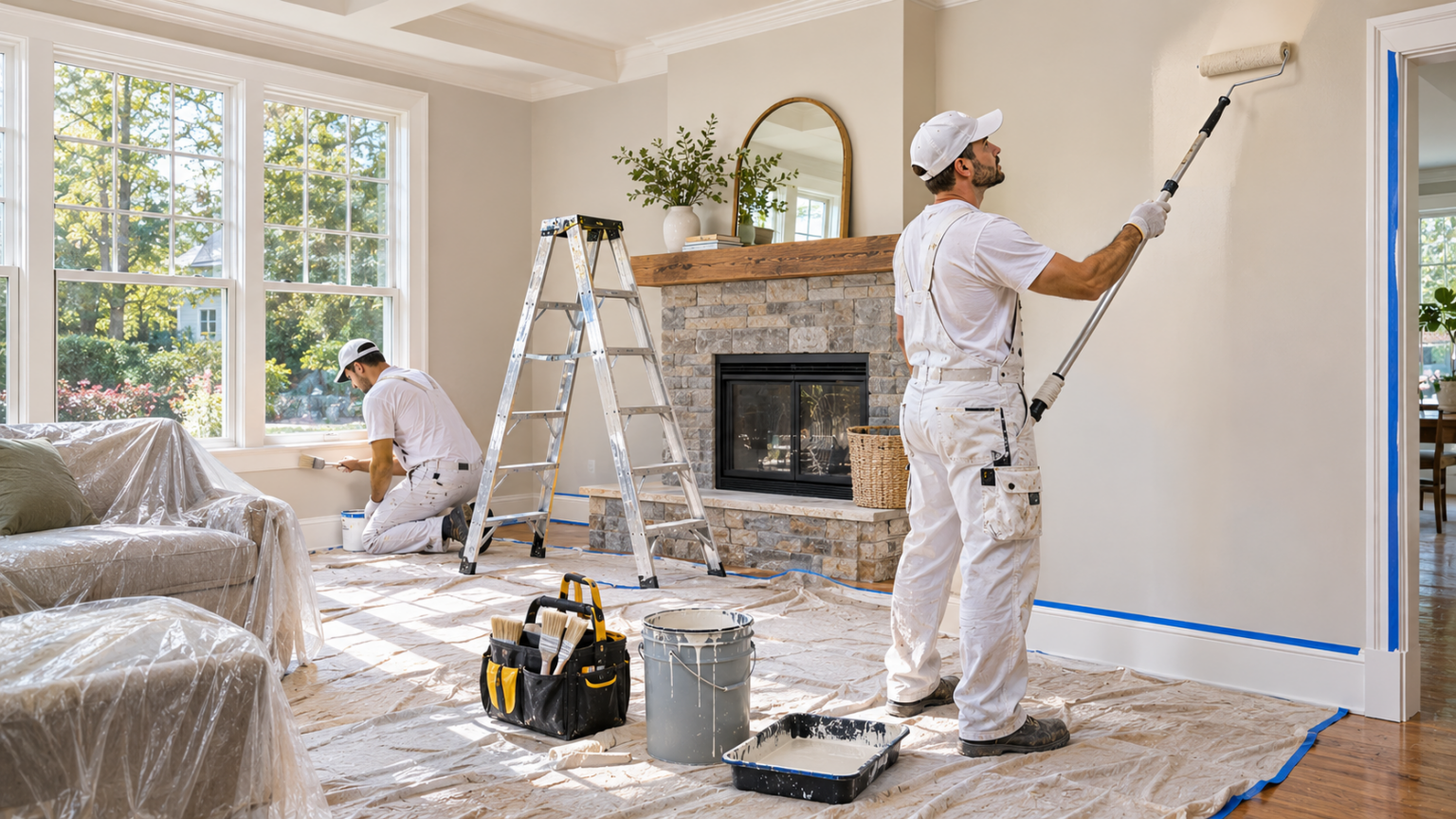
A fresh coat of paint can completely change the appearance of your home. Whether you want to brighten your living room, update an outdated bedroom, refresh your kitchen, or improve your property’s exterior, professional painting can create a cleaner and more attractive environment.
However, achieving beautiful results involves more than selecting a colour and purchasing a few gallons of paint.
Proper surface preparation, suitable materials, skilled application, attention to detail, and reliable project management all contribute to the final outcome.
Choosing the wrong painting contractor can result in uneven finishes, peeling paint, damaged furniture, unfinished work, unexpected charges, and unnecessary frustration.
That is why understanding 4 Tips for Finding a Great Painting Company is important for homeowners planning interior or exterior painting projects.
A reputable painting company should be able to explain its process, provide clear estimates, demonstrate relevant experience, and communicate professionally throughout the project.
The U.S. Federal Trade Commission (FTC) advises homeowners to check contractor credentials, seek recommendations, review customer feedback, obtain multiple written estimates, and carefully review agreements before hiring. Consumer Advice
Following 4 Tips for Finding a Great Painting Company can help you identify professionals who are suitable for your project rather than simply choosing the first contractor advertising the lowest price.
This comprehensive guide explains four essential steps for evaluating painting companies, along with practical questions, cost considerations, warning signs, and safety advice.
1. Research the Company’s Reputation, Experience, and Credentials
Finding a trustworthy painting contractor begins with research.
Many companies advertise professional results, competitive prices, and years of experience. However, marketing claims do not necessarily demonstrate that a company consistently delivers high-quality work.
Before inviting contractors to provide estimates, take time to understand their background and reputation.
The first essential principle in 4 Tips for Finding a Great Painting Company is verifying that a business is legitimate, experienced, and appropriately qualified.
Start With Recommendations From Trusted People
Ask friends, relatives, neighbours, and colleagues whether they have recently hired professional painters.
Personal recommendations can provide helpful information about a company’s communication, punctuality, cleanliness, and workmanship.
Instead of simply asking whether someone liked the contractor, ask more specific questions.
Did the painters arrive on schedule? Did they protect furniture and floors? Were there unexpected charges? Was the final result consistent with the agreed expectations?
These details can help you assess the experience beyond a general positive review.
Research Online Customer Reviews
Online reviews can provide additional information about a painting company’s reputation.
Look for consistent patterns across multiple reviews rather than relying only on the overall star rating.
For example, repeated comments about reliable scheduling, careful preparation, and professional cleanup may suggest that the company follows organized processes.
On the other hand, recurring complaints about unfinished projects, sudden price changes, or poor communication deserve closer examination.
The FTC advises consumers to read online reviews critically and research a contractor’s name alongside terms such as complaints or scams. Consumer Advice
Review Previous Painting Projects
Ask to see examples of completed work similar to your project.
A contractor experienced in painting standard drywall interiors may not necessarily have the skills required for historic exterior restoration, specialist coatings, or detailed cabinet refinishing.
Look for photographs showing surfaces, trim details, corners, and transitions between materials.
Photographs alone cannot verify long-term durability, but they can provide a starting point for discussing workmanship.
Check Relevant Experience
A company that has completed similar projects may be better prepared to estimate labour requirements, select appropriate materials, and anticipate common problems.
Ask about previous experience with your home’s exterior material, interior surfaces, or specific painting requirements.
The number of years a business has operated can be useful information, but it should not be the only factor in your decision.
Verify Licensing Requirements
Painting contractor licensing rules vary across U.S. states and local jurisdictions.
Some locations require specific licences or registrations, while others regulate painting services differently depending on the project’s scope.
Ask the company whether it holds any required credentials and independently verify them through the appropriate government authority.
The Virginia Department of Professional and Occupational Regulation advises homeowners to verify contractor licences and investigate disciplinary records where applicable. dpor.virginia.gov
Confirm Insurance Coverage
Ask about general liability insurance and workers’ compensation coverage where applicable.
General liability insurance may provide protection for certain covered property damage or injuries, subject to the policy.
Workers’ compensation coverage may be relevant when employees are injured during work.
Request current documentation and verify coverage directly with the insurer when necessary.
Do not assume a company is properly insured simply because its website includes the word insured.
Ask for Recent Customer References
A reputable contractor should generally be willing to provide relevant references, subject to former customers’ consent.
Ask recent clients about project quality, communication, adherence to the agreement, and how concerns were handled.
If possible, inquire whether the paint finish has remained satisfactory after some time.
The first stage of 4 Tips for Finding a Great Painting Company is complete when you have enough reliable information to shortlist contractors worth interviewing.
What to Look For in a Reputable Company
A suitable painting company will often demonstrate several positive characteristics:
- A verifiable business identity and appropriate credentials.
- Relevant experience with similar projects.
- Consistent and credible customer feedback.
- Clear communication and realistic scheduling.
- Appropriate insurance and safety procedures.
- A willingness to explain its work and provide written documentation.
No single characteristic guarantees a successful project. Consider the overall evidence before making a decision.
Why This Research Matters
Selecting a painting contractor involves allowing professionals to work inside or around your home.
A little additional research can reduce the likelihood of misunderstandings and help you identify businesses that take their responsibilities seriously.
The research-focused message of 4 Tips for Finding a Great Painting Company is to evaluate reputation and qualifications before comparing prices.
2. Compare Detailed Written Estimates Instead of Choosing the Lowest Price
After identifying several promising painting companies, the next step is requesting estimates.
A written estimate helps you understand the expected cost, the work included, and the materials the contractor plans to use.
However, not all painting estimates include the same services.
One company may quote only for basic paint application, while another includes extensive preparation, primer, minor surface repairs, and final cleanup.
The second important lesson in 4 Tips for Finding a Great Painting Company is to compare the complete scope of work rather than simply comparing total prices.
Request Estimates From Multiple Contractors
Contact at least three suitable companies where practical.
Explain the project requirements and arrange an appropriate inspection of the surfaces to be painted.
For more complex projects, an on-site assessment can help identify surface damage, accessibility challenges, and necessary preparation work.
Virginia’s consumer guidance recommends obtaining written estimates from at least three contractors and asking for explanations when prices vary substantially. dpor.virginia.gov
Ask for an Itemized Scope
A useful estimate should identify the areas being painted and describe the work required.
For example, an interior painting estimate might include wall preparation, small repairs, primer application, two finish coats where specified, trim painting, furniture protection, and cleanup.
Ask the contractor to identify which services are included and which would result in additional charges.
Understand Surface Preparation Costs
Surface preparation can significantly affect the quality and longevity of a paint finish.
Depending on the project’s condition, preparation may include cleaning, patching, caulking appropriate gaps, sanding where safe, priming, or removing loose coatings.
A contractor offering an unusually low price may have allowed less time for preparation.
However, a higher price does not automatically mean better work.
Compare Materials and Paint Specifications
Ask each contractor to identify the proposed paint manufacturer, product line, finish, and intended number of coats.
Different coatings are designed for different conditions.
For example, a bathroom ceiling may require a different coating approach from a dry living room wall or exposed exterior siding.
Avoid assuming that the most expensive paint is always the best choice. Compatibility and correct application are important.
Discuss the Project Timeline
Ask when work can begin and how long the contractor expects the project to take.
The schedule should account for preparation, application, drying or recoating times, inspections, and cleanup.
Exterior painting may be delayed by rain, temperatures outside product specifications, or excessive surface moisture.
A responsible company should explain these possibilities rather than guaranteeing unrealistic completion dates.
Clarify Additional Expenses
Ask how unexpected repairs or changes will be handled.
For instance, a contractor may discover damaged drywall or deteriorated wooden trim after beginning preparation.
The agreement should explain how additional work will be priced and approved.
The cost-comparison element of 4 Tips for Finding a Great Painting Company is about understanding exactly what your money covers.
Example Painting Estimate Comparison
The following table illustrates how three hypothetical contractors might structure estimates for the same residential interior project.
| Estimate detail | Company A | Company B | Company C |
|---|---|---|---|
| Quoted price | $2,200 | $2,850 | $3,100 |
| Minor drywall repairs | Extra charge | Included up to defined scope | Included up to defined scope |
| Primer | As needed, unspecified | Specified by surface | Specified by surface |
| Paint products | Not identified | Brand and product line stated | Brand and product line stated |
| Furniture protection | Basic covering | Detailed protection included | Detailed protection included |
| Cleanup | Not clearly defined | Included | Included |
| Workmanship warranty | Not specified | Written terms provided | Written terms provided |
| Schedule | Estimated verbally | Written schedule | Written schedule |
All figures and company details are hypothetical examples, not current painting market rates or real contractor quotations.
Company A is the least expensive, but the quote leaves several important questions unanswered.
Companies B and C provide more detailed information, making them easier to evaluate.
The best choice would depend on verified credentials, suitability for the project, actual workmanship, contract terms, and the final clarified scope.
Consider the Total Value
A quality painting project involves more than the cost of the coating.
Labour, preparation, protection, specialist equipment, cleanup, and appropriate business insurance all contribute to the price.
A more expensive quotation may provide additional services, but those services should be documented rather than assumed.
When following 4 Tips for Finding a Great Painting Company, ask yourself whether the proposal provides a clear and reasonable relationship between cost, quality, and responsibilities.
Avoid Paying Large Sums Without Protection
Payment requirements depend on state law, project size, and the contractor’s agreement.
Some jobs require a reasonable deposit, while others may use milestone payments.
Be cautious of contractors demanding full payment before substantial work is completed.
The FTC warns consumers about home improvement scams involving high-pressure sales tactics, suspicious payment requests, and contractors unwilling to provide adequate documentation. Consumer Advice
Use payment methods that provide an appropriate transaction record and follow applicable consumer protection rules.
The estimate-comparison principle in 4 Tips for Finding a Great Painting Company helps prevent the common mistake of selecting a contractor solely because the initial quote appears inexpensive.
3. Evaluate Workmanship, Surface Preparation, and Safety Standards
A successful painting project should look attractive when completed and remain appropriate for the surface and environment.
The final result depends heavily on what happens before the paint is applied.
Even premium paint may perform poorly when used on damaged, dirty, damp, or incompatible surfaces.
The third essential strategy in 4 Tips for Finding a Great Painting Company is learning how a contractor prepares surfaces, applies coatings, and protects your home.
Ask About the Surface Inspection
Before painting begins, a professional should assess the condition of the relevant surfaces.
Interior walls may have cracks, nail holes, water stains, peeling coatings, or damaged drywall.
Exterior surfaces may have loose paint, deteriorated caulking, moisture problems, or damaged wood.
Some issues are cosmetic, while others may require a qualified repair specialist.
Painting over an unresolved leak or significant moisture problem is not an appropriate long-term solution.
Understand the Preparation Process
Surface preparation may involve cleaning, making suitable repairs, smoothing imperfections, sealing appropriate gaps, and applying primer.
However, preparation methods must reflect the building’s age, surface material, existing coatings, and safety requirements.
In older homes, sanding or scraping painted surfaces can create lead hazards.
The quality-focused principle in 4 Tips for Finding a Great Painting Company is to ask what preparation will be performed rather than assuming all painting services include the same process.
Confirm the Primer and Coating System
Primer is used for specific purposes, including improving adhesion, promoting a more uniform finish, or addressing certain substrate conditions.
Not every painting project requires the same primer or number of coats.
Ask the company to explain its proposed coating system and why it is suitable for your walls, trim, cabinets, or exterior materials.
The finished paint should be applied according to the manufacturer’s instructions, including relevant temperature, humidity, and drying requirements.
Discuss Interior Painting Protection
Interior work should include a plan for protecting floors, furniture, fixtures, and belongings.
Ask how the company intends to move or cover furniture, control dust, prevent splashes, and manage access to rooms during the project.
Clarify whether furniture moving is included in the estimate.
Delicate artwork, electronics, and valuable belongings may need to be relocated before painting begins.
Evaluate Exterior Painting Practices
Exterior painting introduces additional concerns involving weather, ladders, access equipment, surface moisture, and surrounding landscaping.
A painting contractor should consider weather forecasts and the product’s minimum and maximum application temperatures.
Ask how windows, plants, patios, vehicles, and adjacent surfaces will be protected.
Some work may require specialized access arrangements rather than ordinary ladders.
Ask How Quality Is Checked
A professional painting company should have a process for inspecting completed work.
For example, the final inspection may consider:
- Coverage and consistency under normal lighting.
- Neat transitions between walls, ceilings, and trim.
- Appropriate repair of visible imperfections within the agreed scope.
- Clean floors, fixtures, and surrounding surfaces.
- Completion of documented touch-ups.
- Proper disposal or removal of project waste.
Paint appearance should be judged under reasonable conditions rather than expecting every painted surface to be flawless under extreme lighting or magnification.
Pay Particular Attention to Older Homes
If your home was built before 1978 in the United States, painting preparation may disturb lead-based paint.
The EPA’s Renovation, Repair and Painting (RRP) Rule generally requires firms performing covered paid renovation work that disturbs painted surfaces in pre-1978 housing or child-occupied facilities to hold appropriate certification and follow lead-safe work practices, subject to specified exceptions. US EPA
Homeowners can check requirements and look for certified firms through the EPA’s consumer guidance for lead-safe renovations.
Do not assume ordinary sanding or dust collection is sufficient for a covered lead-paint project.
Understand Safety Responsibilities
Painting can involve ladders, dust, chemical products, and equipment.
Contractors should follow applicable safety requirements and the relevant product instructions.
Ask how they manage ventilation, worker protection, electrical equipment, and public access to the work area.
For households with children, pets, or people with respiratory sensitivities, discuss appropriate precautions and reoccupancy conditions before work starts.
Ask About Environmental Claims
Some paint products are marketed as low-VOC, low-odor, or environmentally preferable.
These descriptions may be useful, but they are not universal guarantees that a product is harmless or requires no ventilation.
Review specific product information and safety instructions rather than relying on broad advertising claims.
Confirm Who Will Perform the Work
Ask whether the company’s own employees or subcontractors will complete the project.
If subcontractors are involved, clarify supervision, relevant credentials, insurance arrangements, and responsibility for any corrections.
A reliable company should be able to explain who will be working at your property.
The workmanship and safety considerations within 4 Tips for Finding a Great Painting Company help distinguish a professional painting process from one focused only on applying paint as quickly as possible.
4. Review the Written Contract, Communication, and Warranty
Even a painting company with strong references and an attractive estimate can create problems when expectations are not documented.
A written agreement protects both the homeowner and the contractor by clarifying what will be done, when work is expected to take place, and how payment will be handled.
The fourth and final principle in 4 Tips for Finding a Great Painting Company is to examine the business relationship before signing the contract.
Ask for a Detailed Written Contract
The contract should identify the company and customer, the property address, and the agreed scope of work.
It should describe the areas to be painted, preparation requirements, proposed materials, payment arrangements, and other relevant responsibilities.
The Montana Department of Justice recommends written contracts specifying the work involved, timeline, materials, warranties, subcontractor arrangements, and necessary permits or licences. Montana Department of Justice
Clarify the Project Schedule
The agreement should identify the expected start date, estimated duration, and any relevant completion conditions.
Weather-sensitive projects may require scheduling flexibility.
Ask how delays will be communicated and whether the contractor will notify you if workers need access at different times.
Understand the Payment Schedule
A payment agreement should explain when deposits, progress payments, and final payments become due.
Avoid relying on verbal promises about the price or timing of payments.
Keep receipts and records of completed transactions.
The Alaska Division of Corporations, Business and Professional Licensing emphasizes that detailed written contracts help establish the work, materials, total cost, and payment schedule. commerce.alaska.gov
Ask About Workmanship Warranties
A painting warranty may cover certain problems arising from workmanship, such as premature peeling caused by defective preparation or application.
However, warranties differ considerably.
Some exclude moisture damage, structural movement, existing coating failure, unusual wear, or defects caused by conditions outside the painter’s control.
Ask the company to provide written warranty terms describing:
- What is covered and excluded.
- How long coverage lasts.
- Whether materials and labour are included.
- What actions could invalidate the warranty.
- How to report a problem.
- How repairs or other remedies will be handled.
A longer warranty is not automatically better if its exclusions make coverage difficult to use.
Confirm How Complaints Will Be Resolved
Occasional disagreements can occur even on well-managed projects.
Ask who will be responsible for handling concerns and how the company documents corrective work.
A reasonable process might involve inspecting the disputed area, reviewing the agreed scope, and establishing an appropriate resolution.
Agree on Final Inspection Procedures
Before work begins, clarify when you will inspect the completed project.
A walk-through can help identify missed areas, incomplete touch-ups, or cleanup issues within the contract scope.
Where the contract provides a process for completion and final payment, follow it carefully.
Evaluate the Company’s Communication
Pay attention to how the contractor communicates before the project begins.
Do they answer questions clearly? Do they respond within a reasonable time? Are explanations consistent between the estimate and contract?
Poor communication during the quotation stage may become more difficult once work starts.
The communication-focused lesson from 4 Tips for Finding a Great Painting Company is to choose a contractor who is transparent and willing to explain decisions.
Be Alert to High-Pressure Sales Tactics
Be cautious if a contractor pressures you to sign immediately or claims that a special price will disappear unless you pay at once.
Other warning signs include refusal to provide written terms, reluctance to verify credentials, and requests for unusual payment arrangements.
The FTC identifies pressure tactics and requests for suspicious payment methods among warning signs of home improvement scams. Consumer Advice
Keep Project Records
Save signed contracts, estimates, change orders, product details, invoices, payment receipts, and warranty documents.
Taking photographs of the property before and after work may also help document its condition.
Good recordkeeping can be valuable if questions arise about workmanship or future maintenance.
The contract-related benefit of 4 Tips for Finding a Great Painting Company is greater clarity about expectations, responsibilities, and recourse if something goes wrong.
Four Essential Hiring Tips Compared
| Hiring priority | What to verify | Why it matters |
|---|---|---|
| 1. Reputation and credentials | References, reviews, experience, licensing, insurance | Helps establish legitimacy and suitability |
| 2. Written estimates | Scope, preparation, materials, costs, schedule | Supports fair comparisons and cost planning |
| 3. Workmanship and safety | Surface preparation, product compatibility, lead-safe practices | Helps protect finish quality and household safety |
| 4. Contracts and warranties | Payment terms, responsibilities, warranties, communication | Reduces uncertainty and helps resolve disputes |
Questions to Ask Before Hiring a Painting Contractor
A productive contractor interview should focus on the details most relevant to your project.
Use this checklist when comparing companies.
Painting contractor interview checklist
0/12Can you provide references from recent similar projects?Do you hold the licences or registrations required for this work?Can I verify your insurance coverage?Who will perform and supervise the painting?What repairs and preparation are included in the estimate?Which paint products and finishes will you use?How will you protect flooring, furniture, and landscaping?Do any lead-safe renovation requirements apply?What is the proposed start date and expected duration?How will additional work and costs be approved?What are the deposit and payment terms?What warranty or corrective-work policy is provided?
Reset checklist
Common Painting Company Red Flags
Not every disappointing contractor is dishonest, and an inexpensive quotation is not automatically suspicious.
However, certain warning signs should encourage further investigation.
Extremely Vague Estimates
A proposal listing only a total price without describing preparation, materials, or scope may make disagreements more likely.
Request clarification before proceeding.
Refusal to Verify Credentials
A company unwilling to provide basic business information or proof of required credentials may not be suitable.
Check official licensing or registration records where applicable.
Demands for Immediate Payment
Be cautious of contractors who insist on full upfront payment or attempt to pressure you into an immediate decision.
Compare the requested arrangement with applicable state rules and reasonable project milestones.
Unwillingness to Discuss Preparation
If a contractor cannot explain how peeling paint, surface damage, or moisture issues will be addressed, the proposed work may be inadequately defined.
No Written Agreement
Verbal agreements can create uncertainty about what was promised.
Important expectations should appear in a signed contract.
Unclear Warranty Promises
Statements such as guaranteed forever are not particularly useful without detailed written conditions.
Ask what the warranty actually covers.
Lack of Responsiveness
Consistently missed calls, unexplained delays, or conflicting answers may indicate problems with business organization.
One communication issue is not necessarily disqualifying, but repeated patterns deserve attention.
The warning signs considered in 4 Tips for Finding a Great Painting Company should help you decide when to request more information or consider another contractor.
Interior vs. Exterior Painting: What to Consider
Interior and exterior projects often require different materials, preparation methods, and safety precautions.
| Factor | Interior painting | Exterior painting |
|---|---|---|
| Main surfaces | Drywall, ceilings, trim, doors | Siding, masonry, trim, doors |
| Typical preparation | Cleaning, repairs, surface smoothing | Cleaning, repairs, removal of loose coatings |
| Environmental conditions | Indoor ventilation and room conditions | Weather, temperature, surface moisture |
| Protection needed | Furniture, floors, fixtures | Landscaping, windows, vehicles, nearby surfaces |
| Common challenges | Uneven finishes, occupied rooms | Weather delays, access, deteriorated substrates |
| Safety concerns | Dust, vapours, potential lead paint | Ladders, access equipment, potential lead paint |
| Scheduling | Depends on room access and product requirements | Often more weather-dependent |
A company experienced in one type of painting may also provide the other, but confirm relevant experience before hiring.
What Does a Professional Painting Project Usually Include?
Although every company structures its services differently, a typical residential painting project may follow several stages.
Initial Consultation
The homeowner explains the project goals, preferred finishes, expected timeline, and budget.
The contractor evaluates the relevant surfaces and discusses possible preparation requirements.
Written Proposal
The company provides a quotation describing the work and proposed materials.
The homeowner reviews the details and requests clarification where necessary.
Preparation and Protection
The painting team protects relevant areas and completes the agreed surface preparation.
Necessary repairs should be performed before final coating work.
Primer and Paint Application
The team applies the specified coating system in accordance with product instructions.
Drying times and environmental conditions should be considered.
Inspection and Touch-Ups
The contractor reviews the completed surfaces and addresses documented issues within the agreed scope.
Cleanup and Handover
Protective materials and equipment are removed as agreed.
The homeowner receives relevant product information, maintenance advice, and any applicable warranty documents.
Understanding this workflow is another practical application of 4 Tips for Finding a Great Painting Company because it helps homeowners recognize whether a proposed painting process has been properly planned.
Preparing Your Home Before the Painters Arrive
Homeowners can make the painting process easier by clarifying access and responsibilities beforehand.
Move small valuables, personal papers, fragile objects, and other sensitive belongings away from work areas.
Ask whether larger furniture will be moved by the contractor or whether you must arrange it.
If you have pets, establish a safe separate area so they cannot enter rooms containing equipment or wet coatings.
Discuss household schedules, parking arrangements, building access, and any restrictions that may affect the work.
Confirm how the team will manage dust, ventilation, and access during painting.
For older homes, ensure that any applicable lead-safe work requirements are addressed before disturbing painted surfaces.
Preparing thoughtfully can improve communication and reduce disruptions, reinforcing the value of 4 Tips for Finding a Great Painting Company throughout the project.
Frequently Asked Questions
How do I know if a painting company is reliable?
Check recent customer references, relevant experience, independent reviews, required licences, and appropriate insurance. A reliable company should provide a clear written estimate, communicate professionally, and explain its painting process.
How many painting estimates should I get?
Obtaining at least three written estimates is a practical approach for many residential projects. Compare preparation, materials, labour, schedules, cleanup, and warranty terms rather than focusing solely on the total cost.
Should I hire a licensed and insured painting contractor?
Where licensing or registration is required, verify that the contractor meets those requirements. Appropriate insurance is also important. Requirements differ by state and municipality, so check local rules before hiring.
What should be included in a house painting estimate?
A good estimate should describe the surfaces being painted, preparation and repairs, proposed products, number of coats where specified, protection measures, estimated project duration, price, and additional charges or exclusions.
Is the cheapest painting contractor always the best choice?
No. An inexpensive estimate may exclude important preparation, repairs, or cleanup. Compare the full scope, credentials, quality expectations, and contract terms before deciding.
What should I do if I am unhappy with the painting work?
Document the concerns, review your written agreement, and contact the contractor promptly. Request an inspection and discuss an appropriate correction within the contract or warranty terms. If the dispute remains unresolved, consider applicable state consumer protection resources or professional legal advice.
Conclusion
Hiring a professional painting company can be an important step toward improving your home’s appearance, comfort, and maintenance.
However, choosing the right contractor requires more than selecting an attractive paint colour or accepting the lowest estimate.
A trustworthy company should demonstrate relevant experience, appropriate credentials, transparent pricing, sound preparation methods, and professional communication.
Following 4 Tips for Finding a Great Painting Company provides a useful framework for evaluating contractors and making informed decisions.
Begin by researching the company’s reputation and qualifications. Next, compare detailed written estimates to understand what each proposal includes.
Pay particular attention to surface preparation, coating selection, safety practices, and the way the company protects your belongings.
Finally, review the written contract, payment schedule, and warranty conditions before work begins.
Remember that even a reputable painter cannot guarantee that every hidden surface problem will be discovered in advance. Clear communication and documented procedures are essential when unexpected issues arise.
Ultimately, 4 Tips for Finding a Great Painting Company is about selecting professionals who approach your property with care, provide realistic expectations, and take responsibility for delivering the work described in their agreement.
With proper research and planning, you can feel more confident about your painting project and enjoy the results of a professionally finished home.

Written by Twastia Editorial Team
Twastia Editorial Team shares practical insights about website design, SEO services, Google Ads, content marketing, social media, conversion rate optimization, and digital marketing strategy.
Last updated: Nov 9, 2026
Related posts from Twastia
Explore more useful articles from twastia.com about digital marketing, SEO, websites, ads, content, and growth strategy.