How Can You Market Your Mascara Product? Best Strategies
The beauty industry provides exciting opportunities for businesses that understand their customers, communicate product benefits clearly, and create memorable brand […]
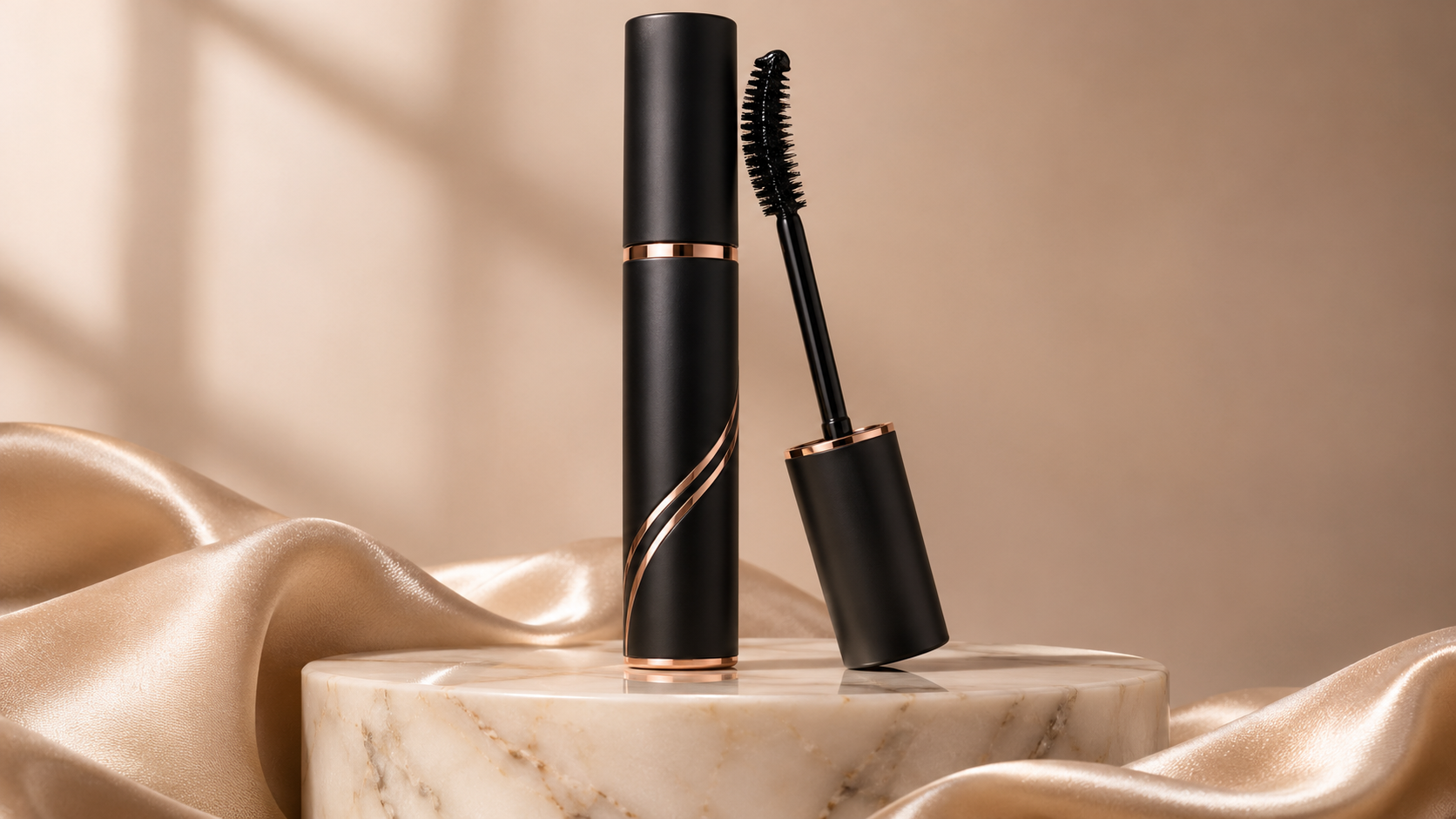
The beauty industry provides exciting opportunities for businesses that understand their customers, communicate product benefits clearly, and create memorable brand experiences.
Mascara is an especially interesting product to market because consumers can often see its cosmetic effects immediately after application. Depending on the formula and brush, a mascara may be designed to create the appearance of longer, fuller, darker, more separated, or more curled eyelashes.
However, launching a mascara product is not enough to guarantee sales.
Customers can choose from established luxury cosmetics brands, affordable drugstore products, independent beauty businesses, and online-only makeup companies.
To compete successfully, a brand needs more than attractive packaging. It must provide a clear reason to choose its product and present credible evidence supporting its advertised benefits.
So, How Can You Market Your Mascara Product? The answer begins with understanding your ideal customers, defining a distinctive selling proposition, creating authentic demonstrations, and selecting marketing channels that connect with potential buyers.
Social media has become an important discovery channel for cosmetics, particularly through application tutorials, product reviews, creator collaborations, and short-form videos.
TikTok’s beauty marketing guidance emphasizes authentic storytelling, creator partnerships, product demonstrations, and shopping experiences that connect product discovery with purchasing decisions. Complete guide for brands
However, visibility alone does not create a successful cosmetics business. Brands also need product quality, effective distribution, suitable pricing, trustworthy customer service, and responsible advertising.
Understanding How Can You Market Your Mascara Product? means coordinating these elements into a marketing strategy that attracts attention and converts interested shoppers into satisfied customers.
This guide explores ten practical strategies for positioning, promoting, and selling mascara, alongside launch planning, advertising budgets, compliance considerations, and performance measurement.
1. Identify Your Target Customers and Their Makeup Preferences
Every successful marketing strategy begins with understanding the people most likely to purchase the product.
Mascara shoppers have different priorities.
Some want subtle definition for everyday makeup. Others prefer dramatic volume, additional curl, or long-wearing formulas for special occasions.
Customers may also care about brush size, ease of removal, ingredients, application comfort, or the appearance of the finished lashes.
The first step in How Can You Market Your Mascara Product? is identifying which customer needs your product is designed to address.
Build a Clear Customer Profile
Start by considering lifestyle, shopping preferences, typical beauty routines, and purchasing behavior.
For example, someone looking for quick everyday makeup may prefer a simple, easy-to-apply formula.
A customer interested in dramatic evening looks may respond more strongly to demonstrations emphasizing a bold lash appearance.
Avoid assuming that all customers within an age group or demographic have identical preferences.
Research Common Shopping Questions
Examine the questions customers ask about mascara.
These may include:
- Does the mascara create volume or definition?
- Is the formula suitable for the intended occasion?
- Does it clump during application?
- How does the brush perform on different lash shapes?
- How is the product removed?
- What ingredients does it contain?
- Is the product tested for the claims being made?
Customer questions can guide product education, video content, and website descriptions.
Study Competing Products
Review how established mascara brands present similar products.
Compare their advertising messages, packaging formats, customer feedback, price positioning, and product demonstrations.
Look for gaps in communication rather than assuming you need to copy a competitor’s strategy.
Segment Your Audience by Product Needs
| Customer segment | Primary interest | Marketing approach |
|---|---|---|
| Everyday makeup users | Natural-looking definition | Quick daily application tutorials |
| Dramatic makeup enthusiasts | Bold volume and separation | Detailed close-up demonstrations |
| Busy professionals | Convenient routine | Short practical application videos |
| Makeup beginners | Easy application | Step-by-step tutorials |
| Value-conscious shoppers | Price and product performance | Transparent comparisons and value explanations |
| Beauty enthusiasts | Formula, brush, and finish | Ingredient information and detailed demonstrations |
These are illustrative segments, not claims about any individual’s preferences.
Test Your Assumptions
Use customer interviews, surveys, comments, and small marketing experiments to determine which messages resonate.
Pay attention to product-related questions, not only reactions to promotional images.
The audience research behind How Can You Market Your Mascara Product? helps ensure your brand speaks to genuine customer needs rather than generic beauty trends.
2. Develop a Distinctive Brand Identity and Product Positioning
A customer may discover dozens of mascara products while browsing an online store or social media platform.
If your packaging and advertising look interchangeable with competing products, shoppers may have little reason to remember your brand.
Brand positioning establishes what your product stands for and who it is intended to serve.
The branding element of How Can You Market Your Mascara Product? involves turning actual product characteristics into a clear, recognizable message.
Define Your Unique Selling Proposition
A unique selling proposition explains what makes your mascara meaningfully different.
Depending on independently substantiated product characteristics, this might involve a particular brush design, a defined cosmetic finish, a product format, or a suitable application experience.
Avoid making claims that the product cannot support.
For example, do not advertise a mascara as medically improving lash growth unless the product is legitimately authorized for the relevant claims and regulatory category.
Develop a Consistent Visual Identity
Choose packaging colours, typography, photography styles, and design elements that reflect the brand’s position.
A premium product might use restrained colours and elegant materials, while a playful beauty brand may prefer bold visual elements.
Consistency should extend across packaging, your website, social media, and advertising.
Create a Memorable Brand Story
Customers may want to know why the company developed the product.
A brand story can explain a genuine product development challenge, the founders’ goals, or the design decisions behind the formula and wand.
Keep the story truthful and specific.
Communicate Benefits Clearly
Marketing language should distinguish between cosmetic appearance and biological effects.
For example:
- “Creates the appearance of fuller lashes” describes a cosmetic result.
- “Stimulates natural eyelash growth” suggests a different type of effect and may trigger additional regulatory concerns.
The U.S. Food and Drug Administration classifies mascara as a cosmetic, while products making certain therapeutic or structure/function claims can be subject to drug requirements. FDA
Make Packaging Informative
Attractive packaging should not come at the expense of necessary product information.
Consumers need access to accurate ingredient declarations, required warnings, and other applicable labeling information.
An effective branding strategy strengthens trust by connecting the brand’s identity with the actual product experience.
The positioning principles within How Can You Market Your Mascara Product? help make your mascara recognizable without relying on exaggerated promises.
3. Create High-Quality Product Photography and Demonstration Videos
Mascara is a visually demonstrable beauty product.
Customers often want to see the brush, formula texture, application process, and finished appearance before deciding whether to purchase.
This makes photography and video essential parts of your marketing strategy.
A practical answer to How Can You Market Your Mascara Product? is to show the product clearly and demonstrate its genuine performance.
Photograph the Product Professionally
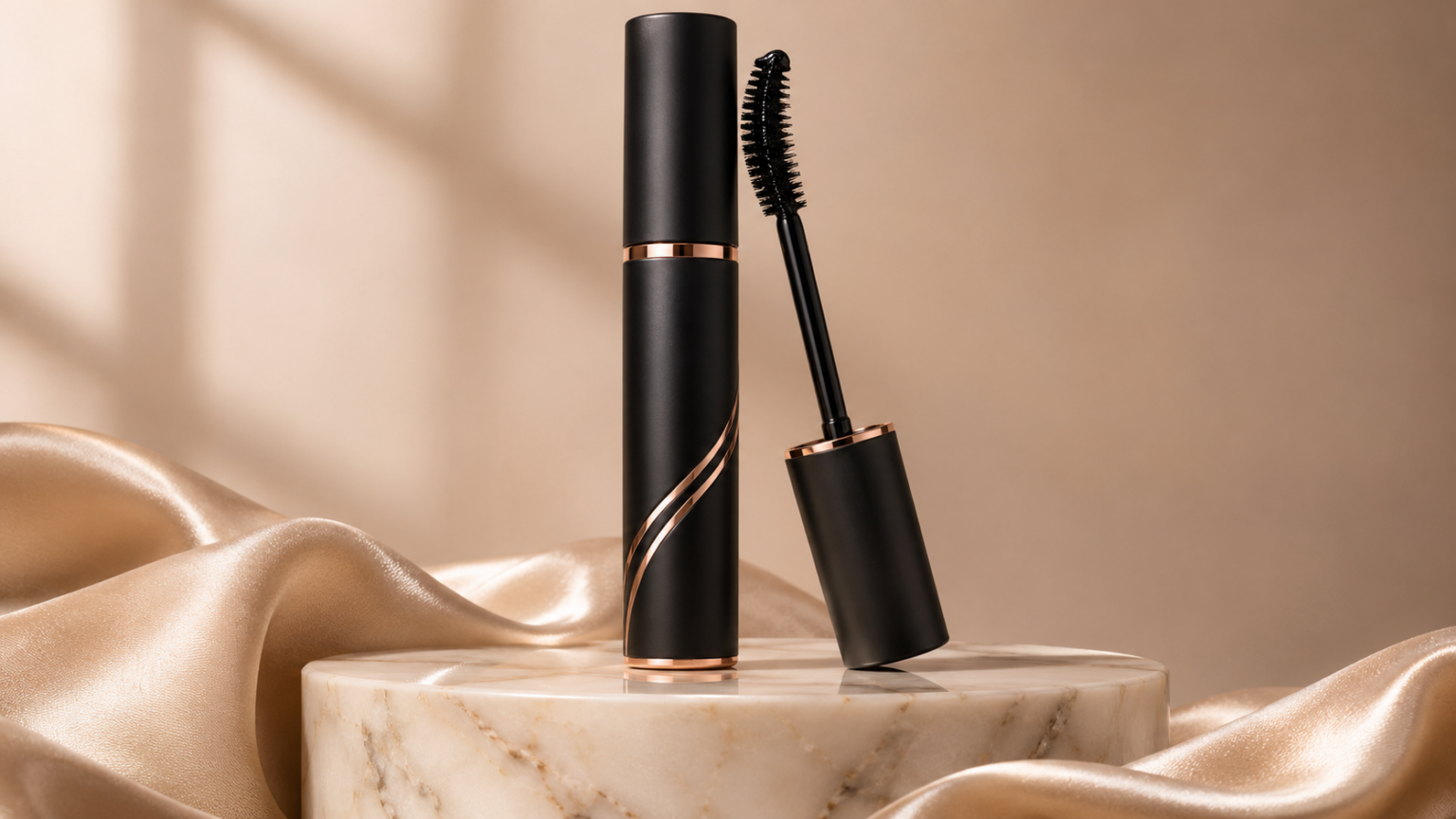
Create clean product photographs that show the mascara tube, cap, application wand, packaging, and brush design.
Use consistent lighting and backgrounds that match your brand identity.
For e-commerce listings, make sure customers can distinguish the actual product from decorative props.
Useful product photographs include a front-facing packaging image, a close-up of the wand, a brush detail, and an image showing the product’s scale.
Demonstrate Real Application
Record a close-up video showing how the mascara is applied to eyelashes.
Use realistic lighting and avoid video effects that artificially lengthen, thicken, or multiply lashes.
When showing a before-and-after comparison, keep lighting, camera angle, framing, and other relevant conditions consistent.
If false eyelashes, extensions, or additional products are used, the demonstration should not misleadingly attribute their results to the mascara.
Explain the Brush Design
The shape and structure of a mascara brush can be an important consideration for buyers.
A product video can show the brush from several angles and demonstrate how it distributes the formula.
Describe the design accurately without claiming performance that has not been tested.
Use Different Video Formats
A brand can create several types of educational and promotional videos:
- A short application demonstration.
- A detailed product tutorial.
- A makeup artist explaining brush technique.
- A realistic comparison of different application styles.
- A customer describing a genuine product experience.
- A behind-the-scenes look at packaging or product development.
Optimize Videos for Each Platform
Instagram Reels, TikTok, YouTube Shorts, and product pages may require different video formats.
TikTok’s advertising recommendations emphasize vertical 9:16 video, adequate resolution, prominent human subjects, and keeping important content away from interface overlays. ads-useast2a.tiktok.com
Prioritize Authenticity
Professional lighting is useful, but your content should still reflect the product’s real appearance.
Avoid relying on artificial eyelash enhancements, misleading filters, or fabricated comparisons.
The visual storytelling strategy behind How Can You Market Your Mascara Product? is to give shoppers a realistic understanding of what they are buying.
4. Build an Engaging Instagram and TikTok Marketing Strategy
Beauty brands can use social media to reach potential customers, explain product benefits, and build recognition.
However, successful social media marketing requires more than repeatedly publishing promotional photographs.
Customers also respond to useful tutorials, entertaining content, genuine experiences, and answers to common questions.
The social media approach to How Can You Market Your Mascara Product? should combine product education with engaging visual content.
Develop Content Pillars
Organize your social media strategy around a few recurring themes.
For example, one content category may focus on application tutorials, another on product features, and another on customer questions.
This approach helps maintain variety without changing your brand’s identity every week.
Create Short Tutorials
Short-form videos can demonstrate how to use the mascara, how the wand works, and how different application techniques affect the finished appearance.
Use strong opening visuals rather than lengthy introductions.
A close-up of the actual product and a clear explanation may be more useful than an elaborate promotional scene.
Publish Educational Beauty Content
Explain common mascara mistakes, proper application techniques, hygienic product use, and safe removal.
Educational content can attract audiences who are researching makeup rather than actively shopping.
Use Instagram Stories
Stories can feature polls, product questions, packaging details, behind-the-scenes activities, and genuine customer feedback.
Ask questions that help you understand customer concerns.
For example, you could ask whether followers prefer a subtle everyday look or a bolder evening finish.
Experiment With TikTok Content
TikTok’s beauty marketing resources recommend creator collaborations, makeup tutorials, get-ready-with-me videos, and authentic product storytelling. TikTok For Business Blog
Experiment with formats such as realistic mascara demonstrations, makeup routine videos, and answers to frequently asked customer questions.
Build a Publishing Calendar
A small beauty brand does not need to publish constantly.
A consistent schedule that can be maintained without sacrificing quality is more valuable than producing large quantities of repetitive content.
Example Weekly Social Media Calendar
| Day | Content idea | Marketing objective |
|---|---|---|
| Monday | Mascara application tutorial | Product education |
| Tuesday | Brush close-up and product features | Product awareness |
| Wednesday | Makeup routine video | Audience engagement |
| Thursday | Genuine customer review | Social proof |
| Friday | Professional makeup artist demonstration | Credibility |
| Saturday | Frequently asked questions | Reduce purchase uncertainty |
| Sunday | Behind-the-scenes brand content | Build familiarity |
Track Engagement and Sales
Views and likes can provide useful information, but they do not automatically translate into purchases.
Monitor website visits, product-page engagement, add-to-cart activity, and completed orders.
The content strategy within How Can You Market Your Mascara Product? should be refined using actual audience behavior rather than vanity metrics alone.
5. Collaborate With Beauty Influencers and Makeup Artists
Beauty creators can introduce your mascara to audiences who may not already know your brand.
A makeup artist might demonstrate the product during a professional routine, while a beauty creator may share an honest review or tutorial.
However, influencer marketing works best when partnerships are relevant and transparent.
An important growth opportunity in How Can You Market Your Mascara Product? is working with creators whose audiences align with your intended customers.
Look Beyond Follower Counts
A creator with a large audience is not necessarily the best partner for your product.
Consider the relevance of their content, audience location, engagement quality, communication style, and history of promoting beauty products.
Smaller creators may be valuable when they have a highly relevant audience and produce credible demonstrations.
Choose Creators Who Understand Cosmetics
A creator should be able to demonstrate mascara safely, describe its characteristics accurately, and communicate clearly.
Relevant professional experience may be valuable, although it does not eliminate the need for truthful claims.
Provide Clear Collaboration Guidelines
Explain the product’s verified features, intended use, approved claims, and safety considerations.
You can suggest content objectives while allowing the creator to express genuine opinions.
Do not require fabricated positive reviews or misleading application demonstrations.
Disclose Sponsored Relationships
In the United States, the Federal Trade Commission requires material connections between endorsers and brands to be disclosed clearly and conspicuously when relevant.
This includes paid partnerships and free or discounted products supplied in circumstances where they create a material connection.
The FTC advises that disclosures in videos should be visible within the video itself rather than hidden only in descriptions or hashtags. Federal Trade Commission
Measure Campaign Results
Provide suitable tracking links or promotional codes when appropriate.
Compare costs against relevant results such as qualified traffic, product purchases, and customer acquisition cost.
Avoid assuming every creator-generated sale can be captured perfectly through a single tracking method.
Build Long-Term Partnerships Carefully
Repeated collaborations may help an audience become familiar with the product.
However, brands should continue evaluating whether the partnership is authentic, commercially effective, and compliant with advertising requirements.
The influencer strategy behind How Can You Market Your Mascara Product? is to earn credibility through relevant creators and genuine demonstrations, not to manufacture the appearance of widespread approval.
6. Optimize Your Website and E-Commerce Product Listings
An attractive social media campaign can generate interest, but the product page must explain why a visitor should purchase the mascara.
Customers may abandon a page when they cannot find ingredients, application instructions, shipping information, clear photographs, or answers to their questions.
E-commerce optimization is therefore an essential part of How Can You Market Your Mascara Product?
Write a Clear Product Title
A product title should identify the brand, product type, and relevant defining characteristics.
For example, a hypothetical title might be:
Luna Beauty Volumizing Mascara – Black, Defined Lash Finish
Only use product descriptors that accurately reflect the actual formula and tested characteristics.
Explain Product Features and Benefits
A product description should answer practical questions.
Explain the desired cosmetic finish, wand design, available shades, how to apply the product, and how to remove it according to the manufacturer’s directions.
If the mascara is advertised as waterproof, smudge-resistant, suitable for sensitive eyes, or providing a specified duration of wear, ensure the claims are supported by appropriate evidence.
Include Multiple Product Views
Useful images might show the sealed product, tube, applicator, packaging, and realistic application results.
Do not substitute a digitally generated representation for an actual product photograph when doing so would misrepresent the item being sold.
Provide Ingredient Information
List ingredients as required by applicable rules.
The FDA explains that retail eye cosmetics must carry an ingredient declaration under the relevant labeling requirements, with specific provisions for certain small packaging formats. FDA
Add Application Instructions
Clear instructions may help customers use the product correctly.
Explain how the mascara is intended to be applied and removed.
Avoid encouraging unhygienic practices, such as sharing applicators or adding water to dried-out mascara.
Make Important Store Policies Visible
Customers should be able to review shipping conditions, applicable returns and refunds, and customer support information.
Because mascara is an eye-area cosmetic, ensure that return policies and product handling comply with relevant consumer laws and hygiene considerations.
Improve the Mobile Shopping Experience
Many visitors arrive from mobile social media apps.
A product page should display its essential details clearly on smaller screens.
Keep navigation straightforward, make purchasing options visible, and reduce unnecessary steps during checkout.
Use Search-Friendly Content
In addition to product listings, publish useful articles and FAQs on topics such as mascara application, brush styles, lash makeup routines, and product removal.
These pages should provide genuine value rather than repeating promotional claims.
The e-commerce strategy within How Can You Market Your Mascara Product? is to turn initial curiosity into an informed purchase decision.
7. Run Targeted Advertising Campaigns and Test Your Creative
Organic social media marketing can help build awareness, but paid advertising may support broader reach and more controlled campaign testing.
Potential advertising channels include Meta platforms, TikTok, Google, and other suitable networks.
The advertising approach to How Can You Market Your Mascara Product? begins with setting a clear objective and controlling spending.
Choose a Specific Campaign Goal
Different campaigns serve different purposes.
Brand awareness campaigns aim to introduce the product to relevant audiences.
Traffic campaigns encourage visits to your website.
Sales campaigns focus on completed transactions or other commercially meaningful actions.
Do not evaluate every campaign using the same success measure.
Build Different Advertising Concepts
Instead of repeating one advertisement, test distinct creative approaches.
For example:
- A clear product demonstration.
- A close-up of the mascara wand.
- A makeup artist tutorial.
- A creator explaining their genuine experience.
- A short educational video addressing an application question.
Target Relevant Audiences
Use permitted advertising controls to reach consumers interested in relevant beauty categories.
Avoid assumptions about sensitive personal characteristics, and comply with the platform’s targeting and advertising policies.
Test One Major Variable at a Time
You might compare two opening video scenes, two product headlines, or two calls to action.
Changing several elements simultaneously can make it harder to understand which adjustment influenced the result.
Allocate a Controlled Test Budget
A new brand should avoid committing its entire marketing budget before understanding basic conversion performance.
Begin with an amount the business can afford to test, then assess whether results justify additional investment.
TikTok’s 2026 brand advertising guidance highlights factors such as audience reach, frequency, creative variety, and campaign duration, while emphasizing that campaign results differ. ads.us.tiktok.com
Monitor Advertising Economics
Useful metrics include:
| Metric | Meaning | Why it matters |
|---|---|---|
| Click-through rate (CTR) | Percentage of impressions resulting in clicks | Indicates whether the ad attracts traffic |
| Cost per click (CPC) | Advertising spend divided by clicks | Measures traffic acquisition cost |
| Conversion rate | Percentage of relevant visitors who complete a purchase | Evaluates shopping performance |
| Customer acquisition cost (CAC) | Acquisition spending divided by new customers | Helps assess growth efficiency |
| Return on ad spend (ROAS) | Attributed revenue divided by advertising spend | Compares ad revenue with ad cost |
| Repeat purchase rate | Share of customers making another purchase | Helps evaluate retention |
A high ROAS does not necessarily mean a campaign is profitable.
Product costs, fulfillment, returns, transaction fees, and overhead also matter.
The advertising lesson from How Can You Market Your Mascara Product? is to use paid media as a measurable business investment rather than assuming that greater spending guarantees greater sales.
8. Create Promotional Offers That Encourage Trial
New beauty brands often face an important challenge: convincing customers to try a product they have never used.
Promotional offers can reduce hesitation, but heavy discounting may undermine profitability or create unrealistic price expectations.
The promotional aspect of How Can You Market Your Mascara Product? involves creating offers that make commercial sense and provide genuine customer value.
Consider a Limited-Time Launch Offer
A modest introductory discount may encourage interested shoppers to try a new mascara.
Be transparent about the promotion’s duration and conditions.
Do not invent a false regular price or imply scarcity that does not exist.
Develop Complementary Product Bundles
If your brand sells suitable related products, a mascara bundle could include a compatible makeup remover or other eye makeup products.
The combined offer should be priced clearly and explained accurately.
Offer Appropriate Gift Sets
Gift packaging may be especially relevant during holidays, birthdays, or seasonal beauty campaigns.
Focus on presentation and convenience without adding unnecessary packaging costs.
Consider Loyalty Incentives
A points programme or customer reward may encourage repeat business.
However, the offer should be straightforward and economically sustainable.
Use Email Marketing Responsibly
Customers who have agreed to receive marketing emails can be notified about new products, offers, and educational beauty content.
Follow applicable marketing consent and unsubscribe requirements.
The offer strategy within How Can You Market Your Mascara Product? should help customers discover the product without relying on deceptive discounts or constant promotions.
9. Build Customer Trust Through Reviews, Safety, and Transparency
Cosmetics are personal products, and trust is especially important for products applied near the eyes.
Customers want to know whether the mascara is accurately described, appropriately labeled, and suitable for its intended cosmetic use.
The trust-building dimension of How Can You Market Your Mascara Product? extends beyond marketing content into product safety and business compliance.
Encourage Genuine Customer Reviews
After a purchase, invite customers to share honest feedback.
Reviews may discuss application, brush design, colour, texture, wear experience, and ease of removal.
Do not write fabricated reviews or selectively manipulate feedback to create a misleading impression.
The FTC’s Endorsement Guides and consumer review guidance address deceptive practices involving false reviews, incentives, and misleading review presentation. Federal Trade Commission
Be Transparent About Product Claims
Terms such as hypoallergenic, ophthalmologist-tested, waterproof, all-day wear, or cruelty-free should not be used casually.
Ensure that any such claim is truthful, appropriately defined, and supported by relevant evidence.
Avoid making medical claims about preventing eye infections, treating lash disorders, or stimulating biological eyelash growth unless the product’s regulatory status and substantiation permit those claims.
Explain Eye Cosmetic Hygiene
The FDA advises consumers not to share eye makeup, not to add water or saliva to dried mascara, and to stop using products that cause irritation.
Its eye cosmetic safety guidance also notes that manufacturers commonly recommend replacing mascara after a relatively short period, often two to four months, rather than continuing to use old products indefinitely. FDA
Include appropriate handling and usage instructions based on your product’s actual requirements.
Understand Cosmetic Regulatory Obligations
In the United States, mascara is regulated as a cosmetic.
Under the Modernization of Cosmetics Regulation Act of 2022 (MoCRA), certain cosmetic businesses must register facilities and list products with the FDA, subject to applicable exemptions.
Importantly, some small-business exemptions do not apply to products that regularly contact the eye’s mucous membrane under customary or usual conditions of use. Whether a particular mascara business or product falls into a category requiring registration or listing depends on the applicable legal definitions and facts. FDA
FDA registration or product listing is not equivalent to FDA approval, and brands should never market it as such.
Use Appropriate Color Additives
Color additives are regulated separately, and not every pigment approved for general cosmetic use is permitted in the eye area.
Verify that the ingredients and color additives used in your formula are lawful for their intended use.
Respond Professionally to Complaints
If a customer reports irritation, damaged packaging, or product quality concerns, respond promptly and document the issue.
Do not dismiss potentially serious adverse reactions.
Maintain appropriate procedures for evaluating product complaints and fulfilling applicable regulatory obligations.
The safety and transparency principles of How Can You Market Your Mascara Product? are fundamental to protecting customers and building a sustainable brand.
10. Retain Customers and Build a Long-Term Beauty Community
Acquiring a new customer is only one part of building a successful mascara brand.
A sustainable business also needs customers who are satisfied with their purchases, trust the company, and consider returning when they need another product.
The retention strategy behind How Can You Market Your Mascara Product? focuses on the customer experience after the first sale.
Provide Helpful Post-Purchase Communication
After an order is placed, send accurate shipping updates and useful instructions.
A short product care guide can explain appropriate storage, hygienic application, and removal.
Avoid overwhelming customers with unnecessary promotional messages.
Collect Product Feedback
Ask customers what they liked and where the product could improve.
For example, you might learn that buyers appreciate the brush but want clearer removal instructions.
Use this information to refine product education and future development.
Create Educational Follow-Up Content
Makeup tutorials, beauty routines, and application guidance may help existing customers use the mascara effectively.
Provide practical advice rather than making every communication a sales pitch.
Introduce Related Products Carefully
Customers may eventually be interested in complementary eye makeup or makeup removal products.
Recommend products only when they are suitable for the customer’s needs and the recommendation is accurate.
Improve Customer Service
A responsive customer service process can help resolve shipping issues, damaged products, and other concerns.
Provide accessible support channels and clearly explain relevant store policies.
Build a Community Around Your Brand
Invite customers to participate in suitable beauty discussions, share tutorials, and provide suggestions.
Always obtain appropriate permission before reusing customer photographs or videos in advertising.
The customer retention opportunities within How Can You Market Your Mascara Product? come from consistently delivering a positive experience rather than relying only on repeated discounts.
A 30-Day Mascara Marketing Launch Plan
A new beauty business can organize its initial marketing activities into four manageable stages.
| Period | Main activities | Objective |
|---|---|---|
| Week 1 | Research customers, competitors, product positioning, claims, and compliance | Establish a reliable foundation |
| Week 2 | Prepare photography, tutorials, website content, and product listings | Create launch materials |
| Week 3 | Publish social media content, begin suitable creator collaborations, collect audience questions | Generate awareness |
| Week 4 | Test controlled advertising, review website analytics, evaluate customer feedback | Improve conversion and identify next steps |
This plan assumes that the product is already appropriately developed, tested, labeled, and legally ready for sale. Regulatory preparation may require substantially more time than four weeks.
The execution stage of How Can You Market Your Mascara Product? works best when each activity has a clear owner, budget, and success measure.
Example Marketing Budget for a Small Mascara Brand
A business does not necessarily need a large marketing budget to test its initial strategy.
However, spending should be planned carefully, particularly when product margins are limited.
Consider this hypothetical $1,500 promotional budget for one month.
| Marketing activity | Illustrative budget |
|---|---|
| Product photography and video supplies | $250 |
| Creator partnerships or content production | $350 |
| Paid social media advertising | $500 |
| Website and listing improvements | $150 |
| Promotional samples and fulfillment | $150 |
| Testing and contingency reserve | $100 |
| Total | $1,500 |
These are illustrative allocations, not verified prices or guaranteed sufficient spending levels. Product manufacturing, mandatory testing, regulatory compliance, inventory, and ordinary business overhead are excluded.
Calculate Your Contribution Margin
Before launching discounts or advertising, determine how much revenue remains after relevant variable costs.
For example, assume a hypothetical mascara sells for $18.
| Per-unit item | Illustrative amount |
|---|---|
| Selling price | $18.00 |
| Product and packaging cost | $4.50 |
| Fulfillment and shipping subsidy | $3.00 |
| Payment processing and other variable costs | $1.00 |
| Contribution before advertising | $9.50 |
In this example, spending $12 to acquire a first-time customer would exceed the $9.50 contribution from that customer’s first order.
The business would need to consider additional customer purchases, reduced costs, or a different acquisition strategy to make the economics sustainable.
The financial side of How Can You Market Your Mascara Product? requires understanding actual profitability instead of evaluating campaigns only by impressions or sales revenue.
Sample Marketing Messages for Different Customer Needs
Mascara advertising works best when the message reflects a genuine product feature.
The following examples are templates. They should be used only when supported by the product’s actual characteristics and appropriate evidence.
| Marketing angle | Example message | Recommended content |
|---|---|---|
| Everyday definition | “A simple finishing touch for your everyday makeup routine.” | Morning makeup tutorial |
| Volumizing appearance | “See how the brush creates a fuller-looking lash finish.” | Authentic close-up demonstration |
| Easy application | “Discover the brush design and how to apply it.” | Step-by-step video |
| Product transparency | “Explore our mascara ingredients and application guidance.” | Product education post |
| Bold makeup looks | “Build an eye makeup look with clearly defined lashes.” | Evening makeup demonstration |
| New product discovery | “Meet our latest mascara and see it in action.” | Launch video |
Never add unsupported numerical claims, such as percentage increases in lash volume, without appropriate testing and substantiation.
Common Mistakes to Avoid When Promoting Mascara
Beauty marketing mistakes can waste advertising budgets and damage customer trust.
One common mistake is using heavily edited application photographs that exaggerate product performance.
Another is launching paid campaigns before the product page clearly explains the product’s features, ingredients, and intended use.
Some brands work with influencers whose audiences are poorly matched to the target customer.
Others focus only on follower counts while ignoring profitability, customer feedback, or repeat purchases.
Additional mistakes include using unsupported cosmetic claims, failing to disclose paid influencer relationships, displaying fabricated customer testimonials, and promoting a product before meeting relevant safety and labeling obligations.
A successful approach to How Can You Market Your Mascara Product? requires balancing creative advertising with accurate product information and disciplined business management.
Six Key Performance Indicators for Your Mascara Brand
Once campaigns begin, review performance regularly.
| KPI | How to calculate or evaluate it | Business purpose |
|---|---|---|
| Product page conversion rate | Purchases ÷ relevant product page visits × 100 | Evaluate listing effectiveness |
| Customer acquisition cost | Customer acquisition spending ÷ new customers | Assess acquisition efficiency |
| Average order value | Revenue ÷ number of orders | Measure transaction value |
| Return on ad spend | Attributed revenue ÷ advertising spend | Review paid campaign revenue |
| Repeat purchase rate | Customers purchasing again ÷ eligible customers × 100 | Evaluate retention |
| Return and complaint rate | Returns or complaints ÷ relevant orders × 100 | Identify product or experience concerns |
Track these indicators over meaningful periods and consider order volumes when interpreting changes.
A small sample can produce misleadingly large percentage movements.
The analytical aspect of How Can You Market Your Mascara Product? is using customer and sales information to decide which marketing activities deserve continued investment.
Frequently Asked Questions
What is the best way to advertise a mascara product?
Short-form application videos, clear product photography, credible beauty creator partnerships, and informative product pages can be effective approaches. The best channel depends on the target audience, product positioning, budget, and measured campaign performance.
How can a new mascara brand attract customers?
A new brand can begin by identifying a specific customer need, presenting genuine product benefits, publishing application tutorials, working with relevant creators, and testing controlled advertising campaigns. Customer reviews and transparent product information can also help build trust.
Is Instagram or TikTok better for mascara marketing?
Both platforms can be useful. Instagram supports visual branding, Reels, creator content, and product discovery. TikTok can be particularly suitable for short tutorials and creator-led storytelling. Test both where practical and compare traffic quality, conversions, and acquisition costs.
How can I promote mascara without spending much money?
Start with authentic smartphone demonstrations, educational beauty posts, search-friendly product descriptions, and useful customer content. Focus on consistency, product quality, and organic community engagement before committing to large paid campaigns.
Should I work with beauty influencers to promote mascara?
Influencers may help introduce the product to relevant audiences, but choose partners based on content quality, credibility, and audience fit. Any material brand relationship must be appropriately disclosed, and product claims must remain truthful.
How can I increase mascara sales through an online store?
Improve product photographs, explain product characteristics clearly, provide accurate ingredient and application information, simplify mobile checkout, maintain transparent shipping policies, and measure conversion performance. Address customer questions and concerns that may discourage purchases.
Conclusion
Marketing mascara successfully requires a combination of product differentiation, compelling visual content, customer trust, and effective digital marketing.
A new cosmetics brand should begin by understanding its target customers and establishing a clear identity.
Professional product photography, realistic application videos, and informative tutorials can help customers understand the mascara’s appearance and intended benefits.
Instagram, TikTok, and other suitable platforms can support awareness, while credible influencers and makeup artists may help introduce the product to relevant audiences.
However, building a successful brand involves more than obtaining views or generating initial orders.
Understanding How Can You Market Your Mascara Product? also requires careful attention to product descriptions, safety, regulatory compliance, advertising costs, and customer satisfaction.
Businesses should test marketing messages, review performance data, and improve campaigns based on actual customer behavior.
Clear claims, authentic demonstrations, responsible influencer partnerships, and professional customer service can contribute to long-term credibility.
Ultimately, How Can You Market Your Mascara Product? is about creating a trustworthy beauty brand that communicates genuine value, delivers a satisfying customer experience, and grows through informed marketing decisions.

Written by Twastia Editorial Team
Twastia Editorial Team shares practical insights about website design, SEO services, Google Ads, content marketing, social media, conversion rate optimization, and digital marketing strategy.
Last updated: Nov 9, 2026
Related posts from Twastia
Explore more useful articles from twastia.com about digital marketing, SEO, websites, ads, content, and growth strategy.