Opal Jewelry: Best Styles, Gemstone Types, Buying Tips & Care Guide
Opal Jewelry is loved for its extraordinary colors, delicate beauty, and ability to complement different fashion styles. Unlike many gemstones […]
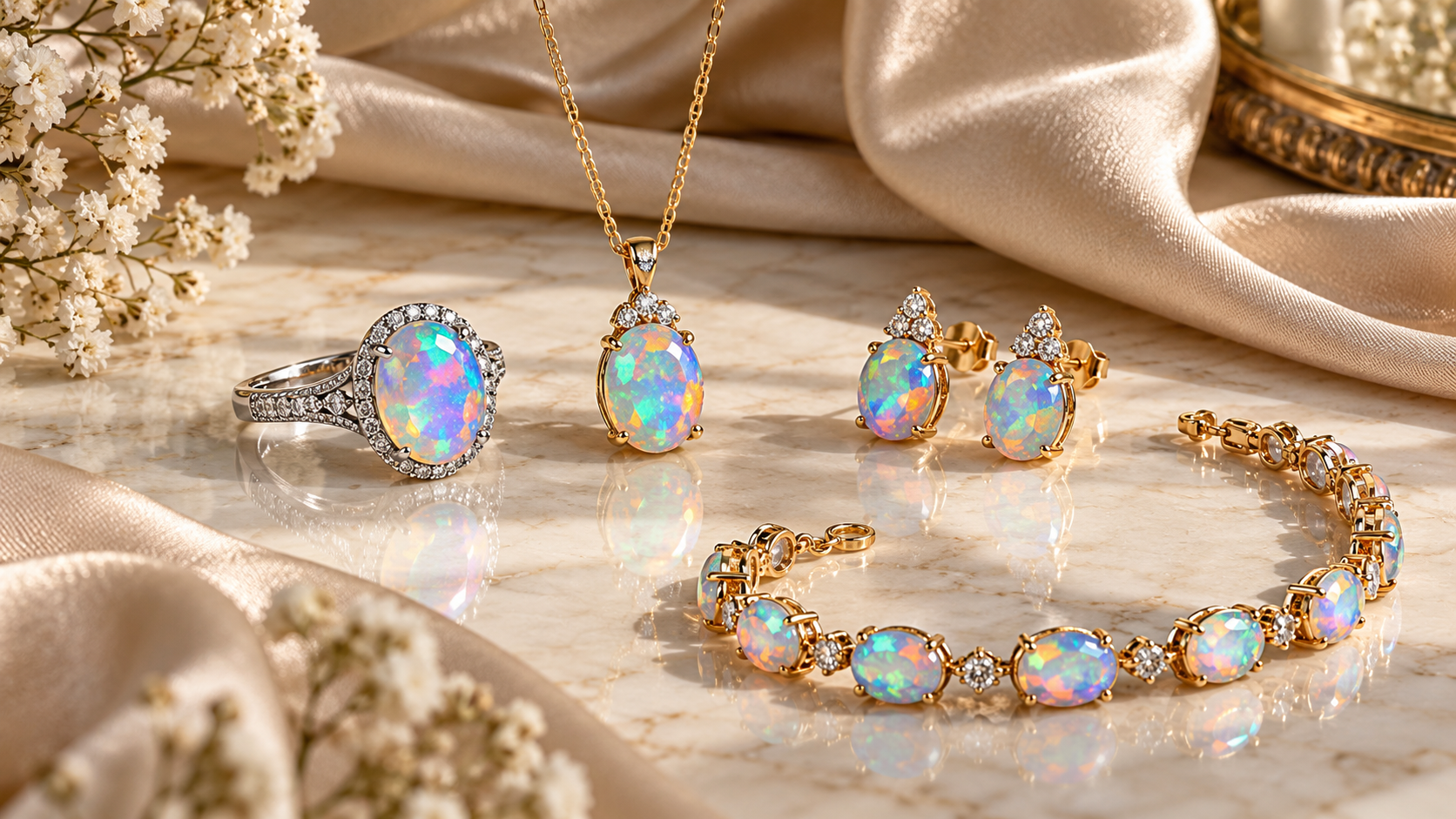
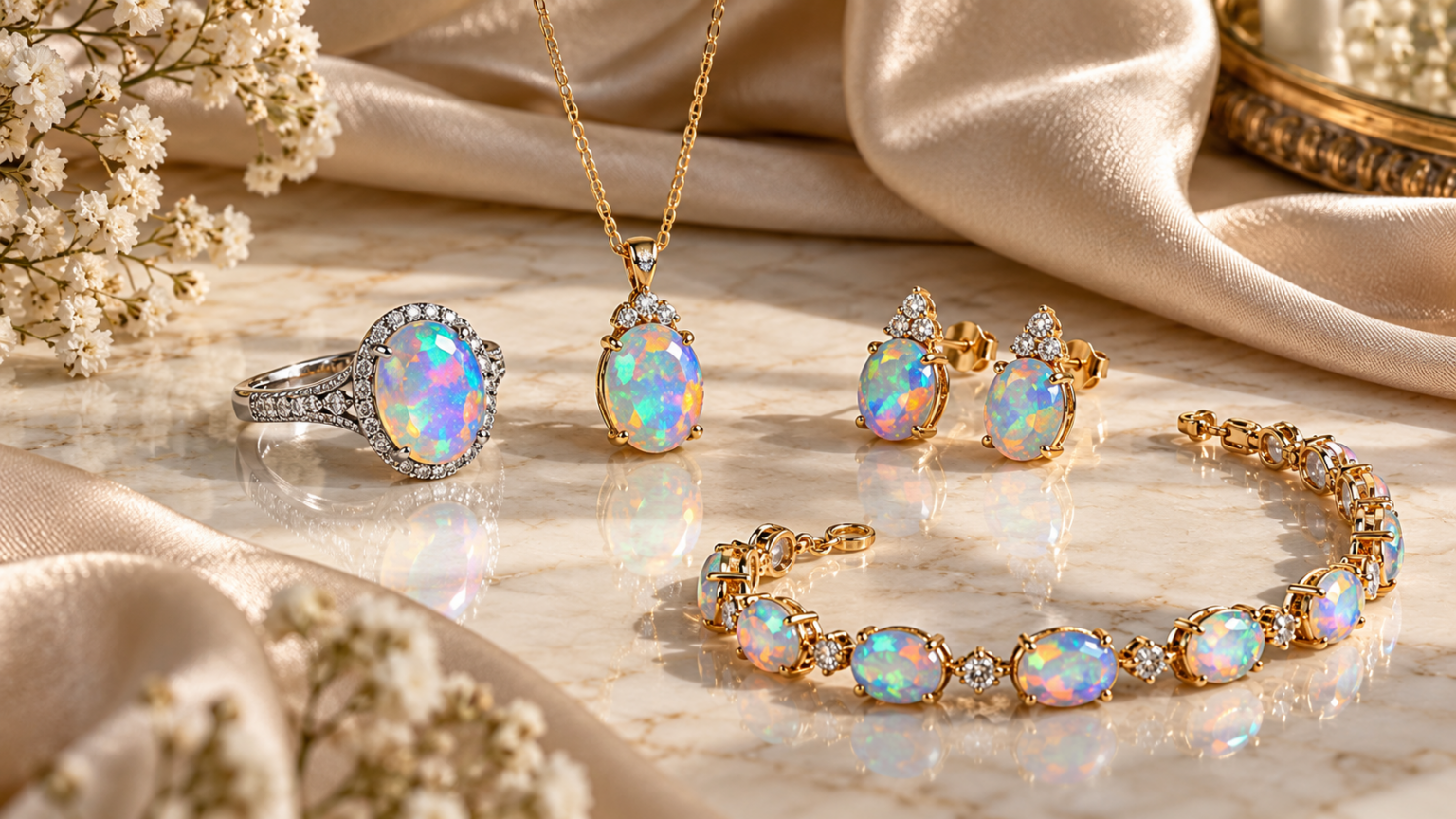
Opal Jewelry is loved for its extraordinary colors, delicate beauty, and ability to complement different fashion styles. Unlike many gemstones that display a single dominant color, precious opals can reveal shifting flashes of blue, green, red, yellow, and orange as light moves across their surface.
From elegant opal rings and everyday pendants to statement earrings and meaningful October birthstone gifts, these gemstones offer something distinctive for jewelry lovers.
However, choosing the right opal requires more than selecting an attractive design. Different opal varieties have unique appearances, durability considerations, and prices. Understanding gemstone quality, metal settings, authenticity, and proper care can help buyers make more confident decisions.
This guide explores popular opal jewelry styles, natural gemstone varieties, shopping tips, maintenance techniques, and common purchasing mistakes. Whether you prefer minimalist accessories or eye-catching statement pieces, you will discover how to choose opals that suit your personal style and lifestyle.
Why Opal Jewelry Is So Popular
Opal is a distinctive gemstone formed from hydrated silica. Precious opal is especially valued for its optical phenomenon called play-of-color, which produces changing spectral colors under different lighting conditions.
This effect makes individual opals visually unique. Even stones with similar body colors may display entirely different patterns.
Several characteristics contribute to their appeal:
- Unique appearance: Natural precious opals feature individual color combinations and patterns.
- Versatile styling: Opal complements sterling silver, yellow gold, rose gold, and white gold.
- Meaningful gifting: Opal is one of October’s traditional birthstones.
- Different design options: Rings, earrings, necklaces, bracelets, and personalized pieces offer flexibility.
- Distinctive gemstone varieties: White, black, crystal, boulder, and fire opals provide different visual effects.
Opal has also been associated with creativity, hope, and inspiration in various traditions. These associations are cultural beliefs rather than scientifically established properties.
Common Types of Opal Gemstones Used in Jewelry
Understanding different opal varieties is an important first step before purchasing gemstone jewelry.
1. White Opal
White opal typically features a white, cream, or pale body color. Precious white opals may display colorful flashes against this lighter background.
Their soft appearance works especially well with delicate necklaces, simple rings, and elegant earrings.
White opals are also popular for romantic and vintage-inspired jewelry designs.
2. Black Opal
Black opal has a dark body tone that can create striking contrast with its play-of-color.
Some black opals display vivid green, red, orange, or blue patterns. Fine examples with strong brightness and attractive color distribution may command substantial prices.
Black opal is often selected for high-end rings, pendants, and statement jewelry.
3. Ethiopian Opal
Ethiopian opals, particularly those from the Welo region, are known for their beautiful color effects.
Many are hydrophane opals, meaning they can absorb water. Moisture absorption may temporarily change their appearance, which makes appropriate care especially important.
Ethiopian opals are commonly fashioned into rings, pendants, and earrings.
4. Fire Opal
Fire opal is recognized primarily by its yellow, orange, or reddish body color.
Some fire opals show play-of-color, while others are valued mainly for their transparent or translucent warm coloring.
Fire opal jewelry can complement gold settings and colorful contemporary designs.
10 Practical Tips for Choosing the Best Opal Jewelry
1. Understand Natural, Synthetic, and Imitation Opals
Natural opals form through geological processes. Laboratory-grown or synthetic opals reproduce important characteristics of natural opal, while imitation materials merely resemble its appearance.
These categories should be identified accurately in product descriptions.
A seller may also offer assembled gemstones, such as opal doublets and triplets, which combine thin opal layers with supporting materials.
Ask whether the gemstone is natural, laboratory-grown, imitation, or assembled before purchasing.
2. Examine the Play-of-Color
Play-of-color is one of the most important visual characteristics of precious opal.
Look for attractive flashes that remain visible as the gemstone moves under different lighting conditions.
Color brightness, pattern, distribution, and contrast can influence appearance and value. Red flashes may be particularly desirable in certain opals, although overall quality matters more than any single color.
3. Choose the Right Gemstone Shape
Opal gemstones are commonly cut into oval, round, pear, teardrop, and freeform shapes.
The cabochon cut, with a smooth domed surface, is especially popular because it displays play-of-color effectively.
Oval cabochons work beautifully in rings, while pear-shaped opals create graceful pendant designs.
Choose a shape that complements the jewelry setting and allows the stone’s natural pattern to remain visible.
4. Select an Appropriate Metal
The metal setting influences both appearance and practicality.
Sterling silver opal jewelry offers a bright, versatile look, while yellow gold enhances the warmth of many opal colors.
Rose gold creates a softer, romantic appearance, particularly with pale or pastel gemstones.
When selecting jewelry for frequent wear, consider metal durability, possible skin sensitivities, and the quality of the setting.
5. Check Gemstone Durability
Opal generally measures approximately 5 to 6.5 on the Mohs hardness scale, making it more vulnerable to scratches than harder gemstones such as sapphire or diamond.
It may also be susceptible to chipping, cracking, and damage from sudden temperature changes.
gia
+1
Choose protective settings for rings and avoid wearing delicate opals during demanding physical activities.
6. Consider Your Everyday Lifestyle
Different jewelry pieces experience different levels of impact.
An opal ring may frequently contact desks, door handles, or other hard surfaces. Earrings and necklaces usually face fewer accidental impacts.
For everyday wear, consider smaller gemstones, secure mounting styles, and practical designs.
For special occasions, a larger opal statement piece may provide the visual impact you want.
7. Compare Opal Quality Carefully
Opal prices vary according to body tone, play-of-color, brightness, pattern, size, condition, treatments, and whether the gemstone is solid or assembled.
Origin may also influence the market, but a location name alone does not establish quality.
Compare stones with similar characteristics rather than relying exclusively on carat weight or advertised rarity.
8. Examine Craftsmanship and Settings
Inspect how the gemstone is secured.
A bezel setting surrounds more of the stone’s edge and may provide greater protection than an exposed prong setting, although neither makes opal damage-proof.
Check for smooth finishing, secure clasps, comfortable ring bands, and consistent metal workmanship.
Good craftsmanship contributes to both the appearance and usability of the finished jewelry.
9. Research Sellers and Product Descriptions
Before purchasing, read the gemstone specifications and seller policies.
Look for clear information about natural versus laboratory-grown materials, treatments, metal purity, dimensions, and return conditions.
For examples of different gemstone designs, buyers can explore this Opal Jewelry collection featuring rings and necklaces.
Compare the individual product’s specifications carefully rather than assuming every item in a collection has identical gemstone characteristics.
10. Choose Jewelry That Matches the Occasion
Simple opal studs or pendants can complement office outfits and everyday clothing.
More elaborate necklaces, gemstone cocktail rings, and coordinated jewelry sets may be appropriate for weddings, celebrations, or formal events.
If purchasing a gift, consider the recipient’s preferred metal color, personal style, and comfort with delicate gemstones.
An attractive piece should feel practical and enjoyable to wear, not merely impressive in photographs.
Best Opal Jewelry Styles for Women
Opal gemstones work beautifully in both minimalist and elaborate designs. The best style depends on personal taste, lifestyle, and intended use.

1. opal jewelry
Opal rings are popular for their shifting gemstone colors. Solitaire, halo, vintage-inspired, and bezel-set designs offer different looks. A protective setting is particularly useful for frequent wear.

2. Opal Necklaces
Delicate opal pendants add color without overwhelming an outfit. Oval and teardrop gemstones work well with both silver and gold chains, making necklaces versatile gifts.

Stud earrings provide a subtle finish for everyday outfits, while opal drop earrings create a more noticeable effect. Their position also helps reduce many of the impacts that rings experience.

4. Opal Bracelets
Opal bracelets combine colorful gemstones with decorative chain or link designs. Choose a secure clasp, comfortable fit, and a setting that helps protect the gemstones from everyday knocks.
How Much Does Opal Jewelry Cost?
Opal Jewelry prices can vary dramatically, from inexpensive fashion accessories to valuable fine jewelry.
The gemstone’s quality is only one factor. Metal purity, craftsmanship, design complexity, and additional gemstones also influence the final price.
A sterling silver pendant containing a small opal may cost considerably less than a custom gold ring featuring a fine natural black opal.
When comparing prices, consider whether the piece contains solid opal, a doublet, a triplet, laboratory-grown material, or an imitation. These products can have very different values despite similar appearances.
For expensive purchases, ask for appropriate documentation. Independent gemological identification can help clarify a gemstone’s characteristics and detectable treatments.
Avoid selecting jewelry solely because a seller advertises a large discount. Transparent descriptions, fair return policies, and verifiable materials are more useful indicators of a worthwhile purchase.
Step-by-Step Guide to Cleaning and Caring for Opal Jewelry
Step 1: Prepare Gentle Cleaning Materials
Use lukewarm water, a small amount of mild soap, and a soft cloth.
Avoid harsh household cleaners, bleach, abrasive brushes, and chemical polishing products.
For delicate or assembled opals, professional advice is preferable before cleaning.
Step 2: Clean the Gemstone Carefully
For solid opal, gently wipe the gemstone with a soft cloth dampened with mild soapy water.
Avoid aggressive scrubbing. Do not use ultrasonic or steam cleaning equipment.
GIA recommends gentle cleaning with warm, soapy water because opal can be vulnerable to damage.
gia
Step 3: Keep Jewelry Away From Extreme Conditions
Remove opal jewelry before swimming, cleaning, or activities involving harsh chemicals.
Protect the gemstone from sudden temperature changes and prolonged excessive heat.
Hydrophane and assembled opals require particular caution around water because moisture can affect their appearance or construction.
Step 4: Store Each Piece Separately
Keep opal jewelry in a soft-lined jewelry box or individual protective pouch.
Avoid storing it in direct contact with harder gemstones, which may scratch its surface.
Check clasps and settings periodically, especially for rings or bracelets worn frequently.
Common Opal Jewelry Mistakes to Avoid
One common mistake is assuming that every colorful opal is natural. Synthetic and imitation materials can look attractive but should be identified correctly.
Another mistake is confusing doublets and triplets with solid natural stones. Assembled opals can be beautiful and affordable, but buyers should understand what they are purchasing.
Wearing delicate opal rings during exercise, gardening, or household repairs can increase the risk of damage.
Improper cleaning is another concern. Steam cleaners, ultrasonic equipment, and aggressive chemicals may harm gemstones or settings.
Finally, avoid purchasing expensive jewelry without reviewing the seller’s disclosure, return policy, and available gemstone documentation.
Frequently Asked Questions About Opal Jewelry
1. Is Opal Jewelry suitable for everyday wear?
Yes, but it requires care. Earrings and necklaces generally face fewer impacts than rings. For everyday rings, choose protective settings and remove them during physically demanding activities.
2. How can you tell if opal jewelry is real?
Examine the gemstone’s appearance and product documentation, but do not rely on visual inspection alone. A qualified gemologist can help identify natural, synthetic, imitation, and assembled opals.
3. What is the best metal for opal jewelry?
Sterling silver, yellow gold, white gold, and rose gold are all suitable choices when properly crafted. The best option depends on your preferred appearance, budget, skin sensitivity, and intended use.
4. Is Australian opal better than Ethiopian opal?
Neither is automatically superior. Both sources produce attractive gemstones with different characteristics. Compare play-of-color, stability, treatments, construction, and overall quality rather than origin alone.
5. Can you wear an opal engagement ring?
Yes. Opal engagement rings offer a distinctive appearance, but they require more protection and maintenance than rings set with harder gemstones. A bezel setting and careful wearing habits may help reduce damage.
6. Is opal an October birthstone?
Yes. Opal is traditionally associated with October and is often selected for birthday jewelry. Tourmaline is also recognized as an October birthstone.
7. Can opal jewelry get wet?
Brief contact with water is not necessarily harmful to every solid opal. However, hydrophane opals can absorb moisture, and assembled stones may be affected by soaking. Avoid prolonged immersion and follow gemstone-specific care instructions.
8. What makes black opal expensive?
Fine black opals can command high prices because of their attractive dark body tone, strong color contrast, brightness, pattern, size, and rarity. Individual quality determines value more than the gemstone’s label alone.
Conclusion
Opal Jewelry combines natural beauty, distinctive color effects, and versatile design possibilities. Whether you prefer a delicate opal necklace, an elegant sterling silver ring, or colorful statement earrings, understanding the gemstone helps you choose jewelry more confidently.
Before purchasing, consider the opal’s type, play-of-color, setting, authenticity, craftsmanship, and maintenance requirements. Natural, laboratory-grown, and assembled gemstones can all have a place in jewelry collections when their characteristics are disclosed accurately.
Proper care is equally important. Gentle cleaning, protective storage, and thoughtful wearing habits can help preserve the gemstone’s appearance.
For American buyers, comparing reputable sellers and reviewing product specifications is a practical approach to finding jewelry that matches personal taste and budget.
Ultimately, the best opal piece is one that brings lasting enjoyment while fitting comfortably into your everyday life or special occasions.

Written by Twastia Editorial Team
Twastia Editorial Team shares practical insights about website design, SEO services, Google Ads, content marketing, social media, conversion rate optimization, and digital marketing strategy.
Last updated: Oct 26, 2026
Related posts from Twastia
Explore more useful articles from twastia.com about digital marketing, SEO, websites, ads, content, and growth strategy.