Iraqi Dinar Currency: Best Guide to Exchange Rates, Value, and Buying Safely
The Iraqi Dinar currency has attracted attention from American travelers, currency collectors, and people interested in international financial markets. Although […]
The Iraqi Dinar currency has attracted attention from American travelers, currency collectors, and people interested in international financial markets. Although it is Iraq’s official currency, many U.S. consumers are unfamiliar with its value, exchange process, and potential risks.
Unlike widely traded currencies such as the euro or British pound, the Iraqi dinar is less accessible through ordinary American banking services. Its value is influenced by government monetary policy, oil revenues, foreign exchange availability, and broader economic conditions.
Recent exchange rate changes also highlight why understanding the currency matters before buying or selling it.
This guide explains the history of the Iraqi dinar, its exchange rate against the U.S. dollar, available denominations, counterfeit protection, and practical ways to exchange banknotes in the United States. It also addresses common investment claims and provides useful advice for avoiding expensive mistakes.
Why Understanding Iraqi Dinar Currency Matters
The Iraqi dinar, identified by the international currency code IQD, is issued by the Central Bank of Iraq. It is used for everyday payments, business transactions, wages, and government spending within Iraq.
Understanding this currency helps U.S. consumers make informed decisions when purchasing, holding, or exchanging foreign banknotes.
Important reasons include:
- Comparing exchange rates and avoiding excessive conversion fees.
- Understanding how Iraq’s economy affects currency value.
- Recognizing genuine banknotes and counterfeit risks.
- Separating realistic financial information from speculative claims.
- Finding legitimate currency exchange services in the United States.
Iraq’s currency has experienced significant historical changes, making it particularly important to distinguish past exchange rates from present monetary conditions.
Common Things to Know About the Iraqi Dinar
1. History of the Iraqi Dinar
The Iraqi dinar was introduced in 1932, replacing the Indian rupee previously used in Iraq.
During subsequent decades, its purchasing power and international exchange value changed considerably. Conflicts, economic sanctions, inflation, and changes in government affected Iraq’s monetary system.
Following the 2003 invasion, Iraq introduced a new series of banknotes to replace older currency bearing Saddam Hussein’s image.
These developments form an important part of Iraqi monetary history, but historical currency values do not predict future returns.
2. Iraqi Dinar Exchange Rate in 2026
The Iraqi dinar’s official exchange rate changed significantly in October 2026.
On October 7, 2026, Iraq implemented a revised official exchange structure. The Central Bank’s dollar purchase rate from the Finance Ministry became 1,500 IQD per USD, while the public dollar selling rate became 1,520 IQD per USD.
ninanews.com
+2
For illustration, using the 1,520-IQD rate:
| U.S. Dollar | Iraqi Dinar |
|---|---|
| $1 | 1,520 IQD |
| $10 | 15,200 IQD |
| $50 | 76,000 IQD |
| $100 | 152,000 IQD |
| $500 | 760,000 IQD |
These are illustrative conversions based on an Iraqi official rate, not guaranteed U.S. retail exchange quotes. Actual cash-buying and selling rates can differ substantially.
3. Iraqi Dinar Denominations
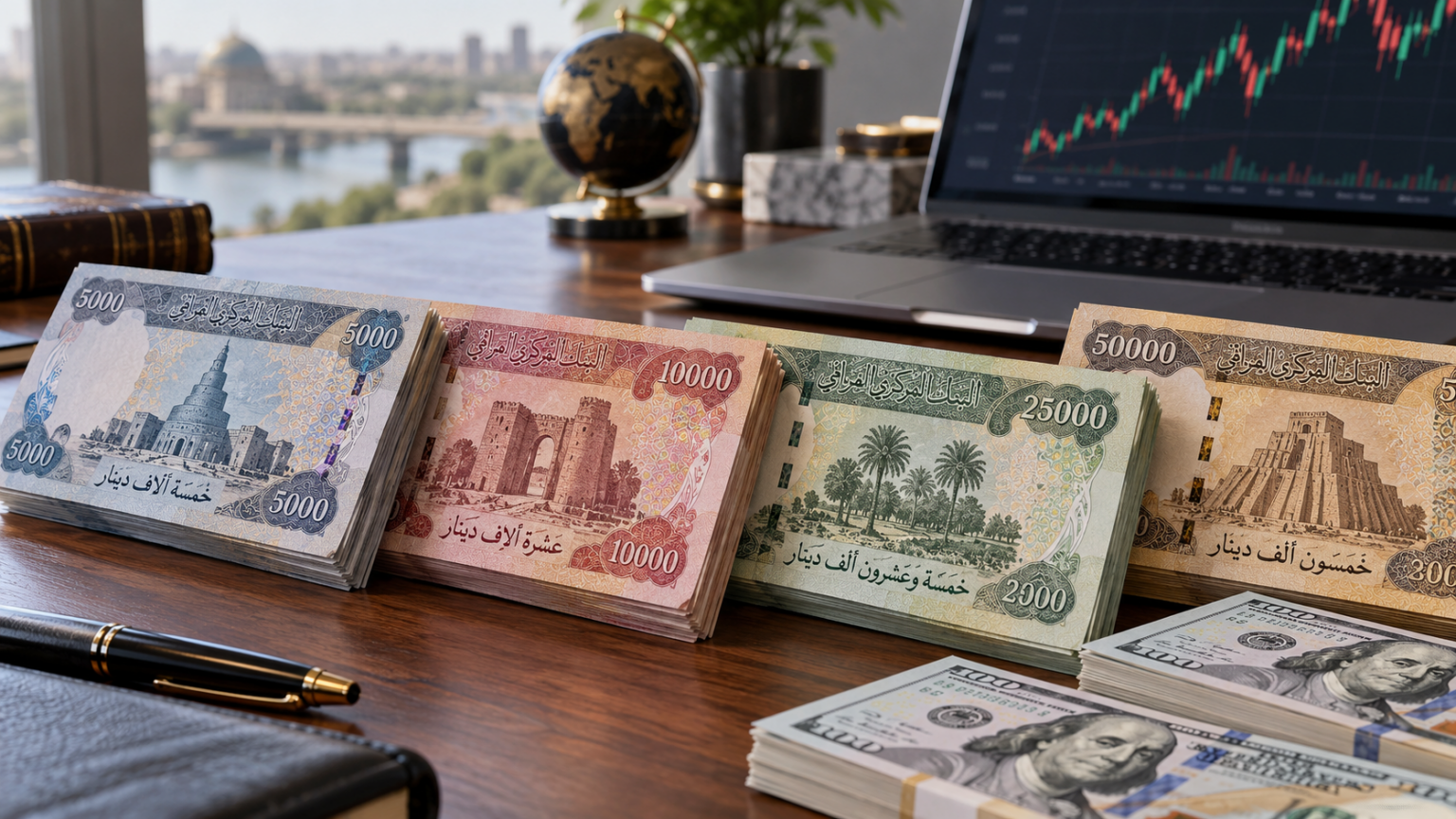
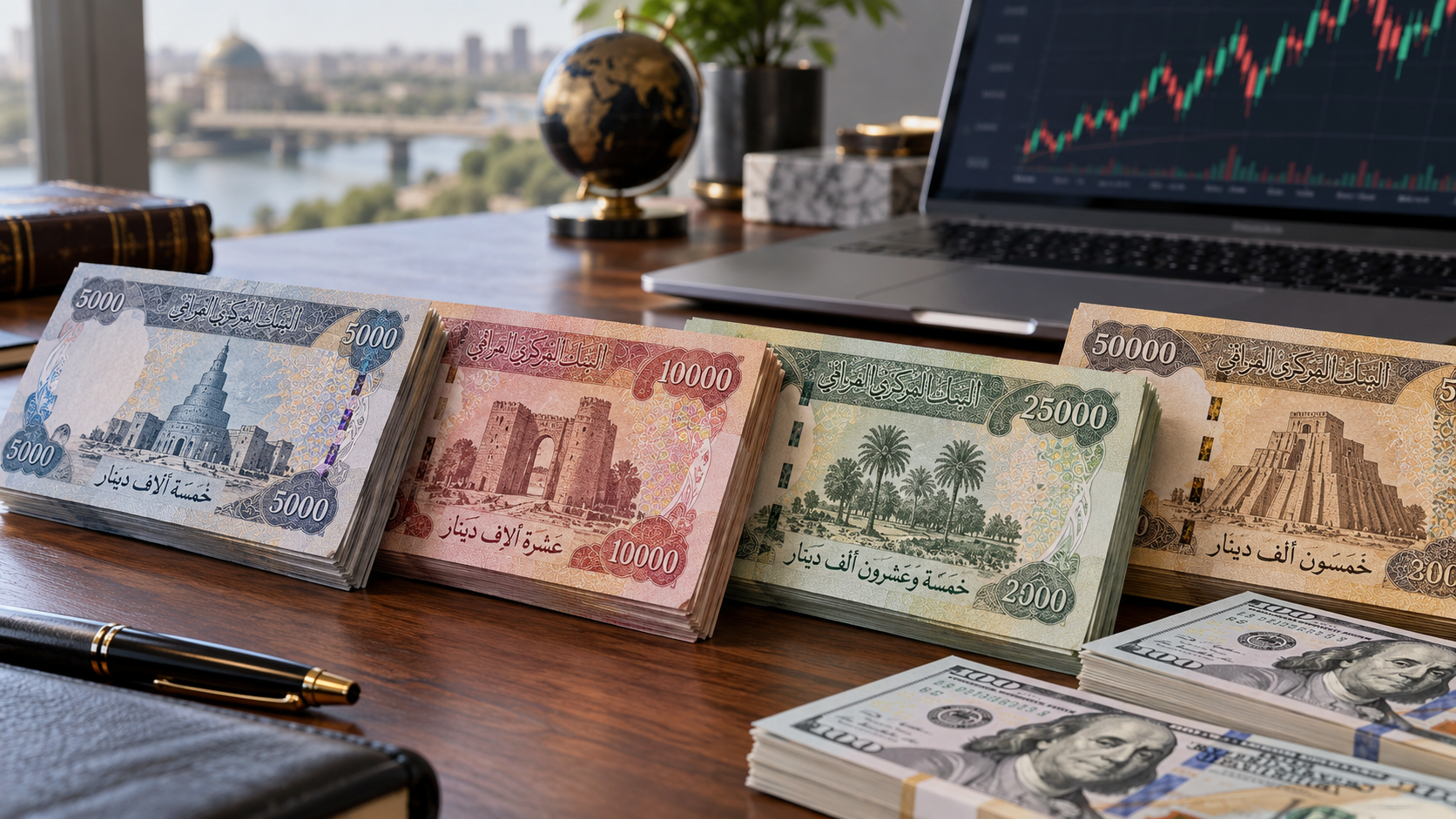
The Iraqi Dinar currency is available in several banknote denominations, including 250, 500, 1,000, 5,000, 10,000, 25,000, and 50,000 dinars, although availability and circulation vary.

Different Iraqi Dinar Banknotes
Iraqi banknotes feature architectural, historical, and cultural imagery. Their distinctive colors and designs help users distinguish denominations, while security elements support authentication.
4. Why Oil and Economic Conditions Matter
Iraq is a major oil-producing country, and petroleum exports are an important source of government revenue.
Changes in oil prices, export volumes, government spending, foreign currency reserves, and political conditions can influence exchange rate policies.
However, higher oil prices do not automatically mean the Iraqi dinar will appreciate. Monetary decisions depend on many economic and fiscal considerations.
10 Practical Ways to Understand and Exchange Iraqi Dinar Safely
1. Check the Official Exchange Rate
Begin with the Central Bank of Iraq or another reliable financial information source.
The official exchange rate provides an important reference for understanding the Iraqi dinar’s value.
However, distinguish the central bank’s transaction rates from the price a U.S. currency dealer offers customers. The dealer’s rate may reflect inventory costs, market conditions, and processing expenses.
Always verify the date of the rate before making financial decisions.
2. Understand Iraqi Dinar to USD Conversion
Currency conversion becomes easier when you understand which direction the exchange rate represents.
For example, if one U.S. dollar equals 1,520 dinars, dividing 152,000 IQD by 1,520 produces a reference value of $100.
This calculation does not account for retail transaction fees or exchange margins.

Using a Currency Calculator
A currency calculator helps estimate conversions before contacting a dealer. Compare the calculated reference value with the dealer’s actual purchase or resale quote.
3. Research Currency Exchange Providers
Not every U.S. bank or foreign exchange provider handles Iraqi dinars.
Before visiting a branch, contact the institution and confirm whether it accepts IQD banknotes, which denominations qualify, and whether special handling is necessary.
For additional background about the currency’s history and exchange process, readers can explore this Iraqi Dinar currency guide.
Treat exchange provider information as a starting point, and independently compare current rates and policies.
4. Inspect Banknotes for Authenticity
Counterfeit currency can create significant losses, particularly when purchasing banknotes from unknown sellers.
Authentic modern Iraqi dinar notes may include watermarks, security threads, raised printing, and other features that vary by denomination and series.

Banknote Security Inspection
Examine the currency under good lighting and compare its details with official references. When authenticity is uncertain, request professional verification rather than relying on a single security feature.
5. Compare Buying and Selling Rates
The price for purchasing Iraqi dinars is usually different from the amount a dealer pays when buying them back.
This difference is called the bid-ask spread.
A wide spread can create an immediate financial disadvantage, even when the official exchange rate remains unchanged.
Request written quotes for both directions whenever possible. This helps you understand the true cost of entering and exiting a currency position.
6. Consider Currency Exchange Fees
Exchange providers may charge additional fees for currency handling, payment processing, shipping, insurance, or bank transfers.
For example, an apparently attractive exchange rate may become less competitive after delivery charges.
Ask the dealer to disclose the total amount payable and the exact amount of foreign currency you will receive.
Comparing the complete transaction cost is more useful than comparing advertised exchange rates alone.
7. Avoid Unrealistic Revaluation Promises
Some online discussions promote the idea that the Iraqi dinar will suddenly increase dramatically in value.
Such predictions are speculative and should never be treated as guaranteed financial outcomes.
A currency revaluation involves changes in an official exchange rate, while redenomination generally changes the currency’s numerical units without automatically creating wealth.
There is no reliable basis for assuming that holding large quantities of Iraqi dinars guarantees exceptional profits.
8. Verify the Currency Dealer’s Legitimacy
Research a seller before sending money or banknotes.
Review its business details, customer service policies, transaction documentation, and applicable regulatory registrations.
Be cautious of sellers promising guaranteed returns, demanding unusual payment methods, or discouraging independent verification.
A registration alone does not establish that a currency dealer is trustworthy or that a proposed investment is safe.
9. Store Iraqi Dinar Banknotes Properly
Physical currency can be damaged by water, excessive heat, sunlight, and poor storage conditions.
Keep banknotes in a clean, dry location, preferably inside suitable protective sleeves or a secure document holder.
Avoid folding collectible notes unnecessarily or exposing them to adhesives and chemicals.

Protective Banknote Storage
Proper storage helps preserve the physical condition of Iraqi dinar banknotes. This is especially useful for collectors, although preservation does not guarantee future resale value.
10. Keep Accurate Transaction Records
Retain receipts, payment confirmations, dealer correspondence, and shipping documentation.
These records help establish how much you paid, the date of purchase, and the amount of currency involved.
They may also be useful when discussing a transaction with a bank, accountant, tax professional, or customer support representative.
For larger transactions, consider asking a qualified financial professional about reporting obligations and potential tax consequences.
Best Options for Buying and Selling Iraqi Dinar in the USA
American consumers have several possible ways to exchange Iraqi Dinar currency. Availability, pricing, and eligibility vary between providers.

1. Banks and Credit Unions
Some financial institutions offer foreign currency services, although Iraqi dinar support is limited. Confirm availability and acceptance policies directly before visiting.

2. Specialized Currency Exchange Dealers
Specialized dealers may handle currencies that ordinary banks do not. Compare their quoted rates, authenticity procedures, transaction fees, and customer protections.

3. Online Foreign Currency Services
Online providers can offer convenient ordering or selling arrangements. Check identity verification requirements, insured shipping options, delivery procedures, and refund policies.

4. Numismatic and Collectible Currency Dealers
Collectible currency dealers may be appropriate for older Iraqi notes or unusual issues. A collectible note’s market value can differ from its ordinary exchange value.
Is Iraqi Dinar Currency a Good Investment?
The Iraqi dinar is sometimes promoted as an investment based on expectations of economic growth or future currency appreciation.
However, purchasing physical dinars involves meaningful risks.
Unlike a conventional savings account, physical foreign currency generally produces no interest. Investors must also consider exchange spreads, uncertain resale options, changing government policies, and possible depreciation.
The October 2026 official exchange rate adjustment demonstrates that currency policy can move against holders of dinars, not just in their favor.
AP News
+1
Investors should distinguish between ordinary foreign currency ownership and claims of guaranteed wealth from a future revaluation.
For most people, the appropriate decision depends on their purpose, financial circumstances, and tolerance for potential losses.
Step-by-Step Guide to Buying Iraqi Dinar in the USA
Step 1: Decide Why You Need Iraqi Dinar
Determine whether you need dinars for travel, collecting, business purposes, or speculation. Your objective influences which denominations and provider are appropriate.
Step 2: Compare Exchange Quotes
Request quotes from more than one provider. Check exchange rates, minimum orders, payment methods, and additional charges.
Step 3: Verify the Provider and Banknotes
Check relevant state licensing requirements and applicable FinCEN registration. Government registration is not an endorsement of a business.
ic3.gov
+1
Confirm that the banknotes are genuine and acceptable for your intended use.
Step 4: Complete and Document the Transaction
Review the final price and shipping arrangements before payment. Retain your transaction records and inspect the delivered currency promptly.
Common Iraqi Dinar Currency Mistakes to Avoid
One frequent mistake is assuming that an official exchange rate represents the price available to individual customers. Retail dealers may offer significantly different rates.
Another mistake is purchasing dinars based entirely on social media predictions about imminent appreciation. Such claims should be supported by reliable economic information rather than promotional speculation.
Consumers should also avoid buying unidentified or damaged notes without confirming whether they can be exchanged.
Finally, never assume a currency dealer will repurchase banknotes at the original selling price. Always consider the likely resale cost before buying.
Frequently Asked Questions About Iraqi Dinar Currency
1. What is the Iraqi Dinar currency?
The Iraqi dinar is Iraq’s official national currency. Its international currency code is IQD, and it is issued by the Central Bank of Iraq.
2. How much is 1 Iraqi dinar worth in U.S. dollars?
Using Iraq’s October 7, 2026 public dollar selling rate of 1,520 IQD per USD, one dinar equals approximately $0.000658. This is an illustrative official-rate conversion, not a guaranteed retail quote.
3. Can I exchange Iraqi dinar at a U.S. bank?
Some banks may assist with foreign currency transactions, but many do not accept Iraqi dinars. Contact your financial institution to confirm its current policy.
4. Where can I buy Iraqi dinar in the USA?
Specialized foreign currency exchange dealers may sell Iraqi dinar banknotes. Compare providers carefully and confirm applicable registration, licensing, fees, and authenticity procedures.
5. Is the Iraqi dinar expected to revalue?
Future revaluation decisions cannot be predicted reliably. Currency value depends on monetary policy, economic conditions, and government decisions. Guaranteed revaluation promises should be treated skeptically.
6. Are Iraqi dinar banknotes still valid?
Modern Iraqi dinar banknotes remain in use, but acceptance depends on the denomination, series, condition, and applicable central bank rules. Older notes may no longer qualify for ordinary exchange.
7. What is the difference between revaluation and redenomination?
Revaluation changes a currency’s official exchange value. Redenomination changes the numerical units, often by removing zeros, and does not automatically increase a holder’s purchasing power.
8. Is buying Iraqi dinar currency legal in the United States?
Buying and owning genuine foreign currency is generally lawful in the United States. Currency dealers and particular transactions may be subject to financial regulations, identification requirements, and reporting obligations.
Conclusion
Understanding Iraqi Dinar currency requires more than checking its exchange rate against the U.S. dollar. Its history, monetary policy, banknote security, and accessibility all influence how Americans can purchase, hold, or sell it.
Before exchanging Iraqi dinars, verify current rates, compare reputable providers, and calculate the full transaction cost. Remember that official exchange rates and retail currency prices are not always the same.
It is equally important to recognize the difference between legitimate currency ownership and speculative investment promises.
Whether you are a traveler, collector, or someone researching international currencies, informed decisions can help reduce unnecessary expenses and financial risks.
For the most reliable information, prioritize official central bank announcements, carefully documented exchange quotes, and transparent currency dealers rather than predictions of guaranteed future profits.

Written by Twastia Editorial Team
Twastia Editorial Team shares practical insights about website design, SEO services, Google Ads, content marketing, social media, conversion rate optimization, and digital marketing strategy.
Last updated: Oct 26, 2026
Related posts from Twastia
Explore more useful articles from twastia.com about digital marketing, SEO, websites, ads, content, and growth strategy.