commercial cleaning in Essex: Best Services, Costs & Business Cleaning Tips
Maintaining a clean commercial property is essential for creating a welcoming environment for employees, customers, and visitors. Whether you operate […]
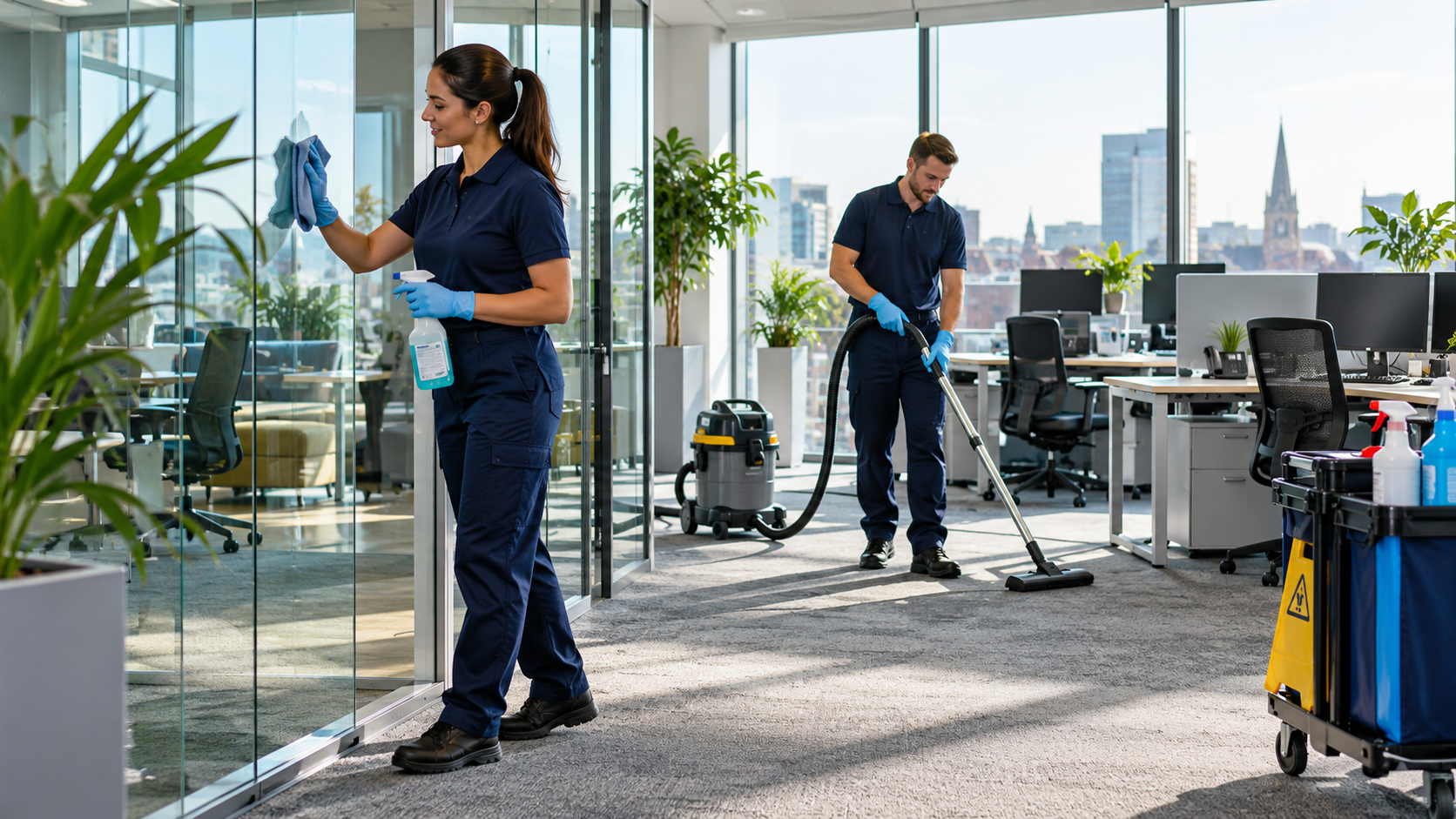
Maintaining a clean commercial property is essential for creating a welcoming environment for employees, customers, and visitors. Whether you operate a corporate office, retail store, restaurant, warehouse, or educational facility, professional cleaning helps protect your premises and supports daily business operations.
For businesses looking for commercial cleaning in Essex, choosing a dependable service provider involves more than finding someone to vacuum floors and empty bins. Different workplaces require specialized equipment, appropriate cleaning products, trained personnel, and schedules that minimize disruption.
Essex, a county in southeastern England, has a diverse commercial sector, including offices, industrial buildings, retail centres, hospitality businesses, and public facilities. Although this guide uses straightforward language suitable for American readers, its service and regulatory information applies to Essex in the United Kingdom.
This guide explains available cleaning services, common workplace hygiene problems, practical cleaning strategies, pricing considerations, and how to choose a suitable contractor.
Why Professional Commercial Cleaning in Essex Matters
A clean workplace creates a more comfortable, organized, and professional environment. However, commercial cleaning also supports facility maintenance, workplace safety, and long-term property care.
Regular cleaning removes accumulated dirt, dust, debris, and contamination from frequently used surfaces.
Important benefits include:
- Healthier workplace conditions: Appropriate cleaning reduces unwanted dirt and contamination on shared surfaces.
- Professional appearance: Clean entrances, offices, and customer areas create positive first impressions.
- Safer surroundings: Prompt spill removal and proper floor maintenance help reduce slip hazards.
- Better property maintenance: Routine cleaning can protect carpets, flooring, fixtures, and furniture.
- Operational convenience: Scheduled services allow employees to concentrate on their primary responsibilities.
Professional cleaning is especially valuable for facilities with heavy foot traffic, shared equipment, or specific hygiene requirements.
Common Commercial Cleaning Challenges for Essex Businesses
1. High-Traffic Floors and Entrances
Busy commercial buildings experience constant movement throughout the day.
Foot traffic brings dirt, moisture, and debris into reception areas, corridors, and shared spaces. During rainy weather, wet entrances can also create slipping hazards.
Regular floor cleaning, suitable entrance matting, and prompt spill management help maintain safer surfaces.
2. Shared Workspaces and Equipment
Offices often contain shared desks, meeting rooms, keyboards, door handles, and kitchen facilities.
These areas need appropriate cleaning because multiple employees and visitors use them.
Cleaning schedules should prioritize frequently touched surfaces while considering equipment safety and manufacturer instructions.
3. Industrial Dust and Warehouse Debris
Warehouses and manufacturing facilities may accumulate dust, packaging waste, grease, and other operational residues.
Cleaning these environments can require specialized machines, access arrangements, and additional safety precautions.
Industrial cleaning should be coordinated with site managers to avoid interference with machinery, vehicle routes, and normal operations.
4. Inconsistent Cleaning Standards
One of the biggest challenges is maintaining the same cleaning quality every day.
Without a clear checklist, essential tasks may be missed, particularly in restrooms, storage areas, and less visible corners.
Written specifications, inspections, and regular communication help businesses maintain consistent standards.
10 Practical Ways to Improve Commercial Cleaning in Essex
1. Create a Workplace Cleaning Plan
Every commercial property should have a cleaning plan based on its size, layout, business activities, and daily visitor numbers.
Identify high-priority areas, cleaning frequency, required equipment, and responsible personnel.
For example, a busy reception area may need daily attention, while certain storage spaces may require less frequent routine cleaning.
A written plan helps establish realistic expectations and makes service quality easier to evaluate.
2. Schedule Regular Office Cleaning
Offices benefit from consistent attention to floors, desks, meeting rooms, kitchens, and shared facilities.
Routine tasks may include vacuuming, dusting, bin emptying, surface cleaning, and restroom maintenance.

Structured office cleaning helps maintain workstations and common areas. Arrange services before opening, after closing, or during quieter periods to reduce interruptions.
3. Prioritize Restroom and Kitchen Hygiene
Commercial restrooms and shared kitchens need frequent cleaning because employees and visitors use them throughout the day.
Clean sinks, counters, taps, handles, dispensers, and other frequently touched surfaces using suitable products.
Maintain soap, paper supplies, and waste containers.
Where disinfection is necessary, follow the product’s specified contact time and safety instructions rather than assuming that spraying a surface provides immediate protection.
4. Maintain Commercial Carpets
Commercial carpets collect dirt, dust, moisture, and residues from footwear.
Routine vacuuming helps remove loose debris, while periodic deep cleaning addresses embedded contamination and staining.

Commercial Carpet Maintenance
Professional carpet extraction can improve carpet appearance and remove accumulated soil. Cleaning methods should suit the carpet material, and drying time must be considered before reopening an area.
5. Use Appropriate Hard Floor Cleaning Methods
Commercial properties may contain vinyl, tile, stone, laminate, or sealed concrete flooring.
Each surface requires compatible cleaning products and equipment.
Incorrect chemicals, excessive moisture, or unsuitable mechanical treatment can damage protective finishes.
Where necessary, specialist floor maintenance can include polishing, protective coating, stripping, or restoration.
6. Arrange Periodic Deep Cleaning
Daily cleaning cannot always address dirt in inaccessible or heavily used areas.
Deep cleaning may involve moving accessible furniture, cleaning behind fixtures, treating stubborn stains, and addressing neglected surfaces.
Businesses can arrange deep cleaning quarterly, seasonally, or according to the condition of their premises.
High-use hospitality and industrial facilities may require more frequent specialist work.
7. Maintain Warehouse and Industrial Spaces
Industrial premises need cleaning procedures that account for machinery, vehicle movements, stored materials, and workplace hazards.

Industrial Floor Cleaning
Suitable floor-cleaning machines can remove dirt from large commercial surfaces efficiently. Work should be planned around site traffic, safety rules, and the floor manufacturer’s recommendations.
Ensure that specialist cleaning personnel receive relevant site instructions before entering restricted or hazardous areas.
8. Include High-Level Cleaning
High ceilings, ventilation grilles, exposed beams, and overhead fixtures may accumulate dust over time.
Specialist high-level cleaning equipment can access certain areas without requiring extensive disruption.
However, ground-based systems are not appropriate for every situation. Any work at height requires suitable planning, equipment, and risk controls.
9. Choose Cleaning Products Responsibly
Businesses increasingly consider environmental impact when purchasing cleaning products.
Concentrated solutions, refillable containers, microfiber cloths, and appropriate product dosing can help reduce unnecessary material use.
However, environmentally marketed products still need correct handling and safety assessments.
The UK’s Health and Safety Executive explains that employers must assess and control risks from hazardous substances under COSHH regulations.
HSE
10. Monitor Cleaning Quality Regularly
Cleaning quality should be evaluated against agreed standards rather than appearance alone.
Use inspection checklists, review customer or employee feedback, and document repeated problems.
Set clear procedures for reporting missed tasks, equipment damage, and urgent hygiene issues.
Consistent communication between the business and cleaning contractor makes it easier to adjust services when workplace requirements change.
Best Commercial Cleaning Services for Different Essex Businesses
Different industries require cleaning methods suited to their facilities, operating schedules, and hygiene expectations.

1. Office and Corporate Cleaning
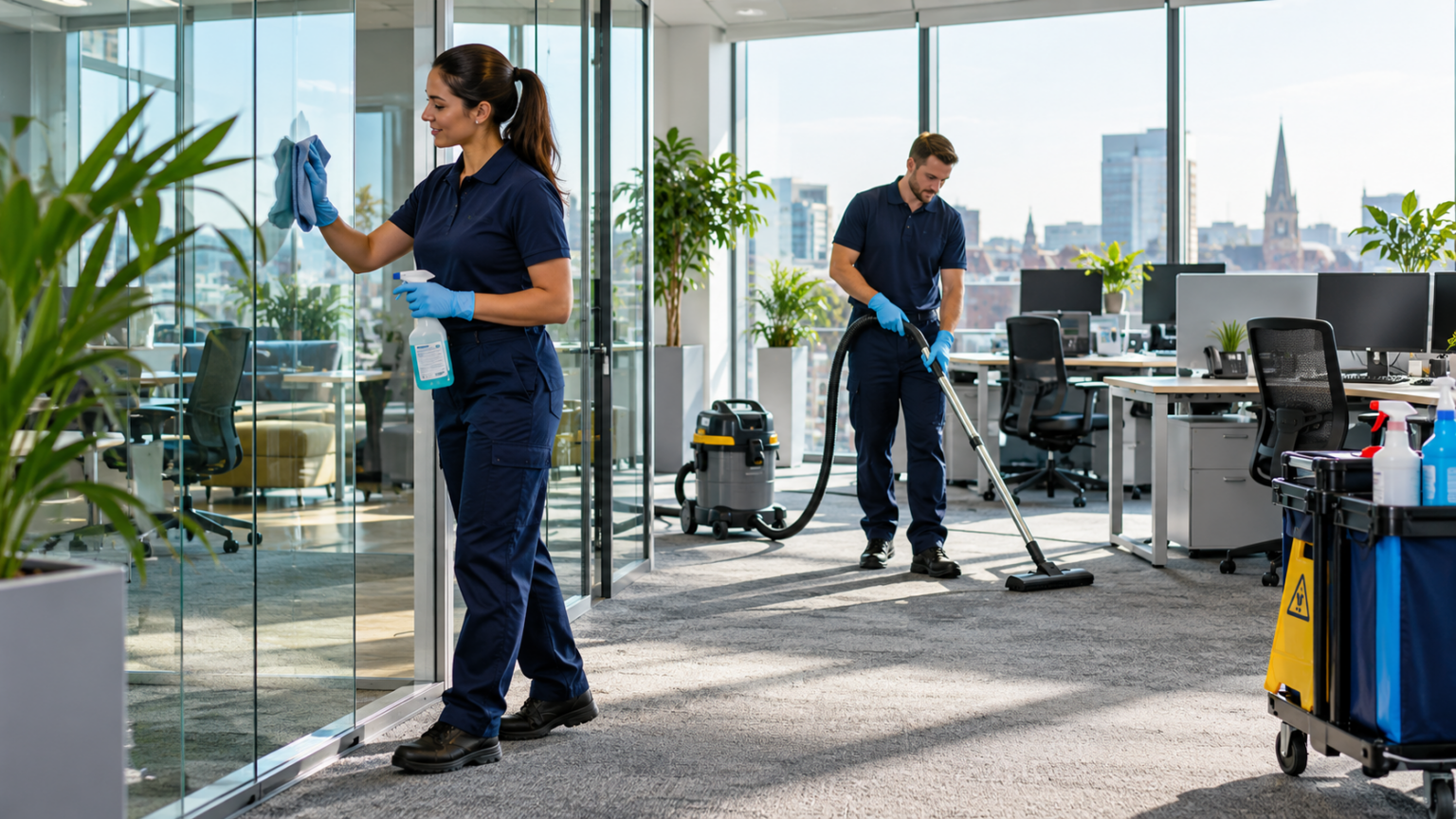
Office cleaning typically includes workstations, meeting rooms, communal kitchens, restrooms, and floors. Daily or weekly contracts can be adapted to occupancy and building size.

2. Retail and Shopping Centre Cleaning
Retail cleaners focus on entrances, shopping floors, display areas, counters, and customer facilities. Cleaning outside trading hours can help avoid disrupting shoppers.

3. Educational and Public Building Cleaning
Schools, colleges, libraries, and public buildings require structured cleaning of shared spaces. Schedules should reflect occupancy, safeguarding arrangements, and relevant facility policies.

4. Healthcare and Clinical Cleaning
Medical environments require specific infection prevention procedures and documented cleaning standards. Contractors should demonstrate suitable training and compliance with the facility’s applicable requirements.
How Much Does Commercial Cleaning in Essex Cost?
Commercial cleaning prices vary depending on property size, service frequency, site accessibility, staff requirements, and the type of cleaning involved.
A small office requiring routine vacuuming and restroom cleaning will usually have different needs from a large industrial building requiring specialist equipment.
Factors that influence quotations include the number of rooms, floor materials, frequency of visits, working hours, required consumables, and any specialist risk controls.
Businesses should request an itemized quotation following a site assessment. Ask whether the price includes equipment, products, supervision, travel, VAT where applicable, and additional deep-cleaning services.
The cheapest quotation is not necessarily the best value. A more complete service specification can help prevent hidden costs and disagreements.
Step-by-Step Guide to Hiring Commercial Cleaners in Essex
Step 1: Identify Your Cleaning Requirements
Create a list of areas requiring cleaning, preferred service times, and tasks needing specialist attention.
Include approximate floor area, number of occupants, and access restrictions.
Step 2: Research Experienced Providers
Look for companies with experience in comparable commercial environments.
For example, Champion Services Group describes services covering offices, public buildings, retail properties, industrial facilities, carpet cleaning, and hard floor maintenance across Essex and surrounding areas.
Champion Services Group
Review each company’s stated capabilities against your actual requirements.
Step 3: Confirm Safety and Insurance Arrangements
Request evidence of appropriate insurance, staff training, risk assessments, and procedures for handling chemicals or equipment.
For specialized tasks, confirm that the contractor has the necessary competence and arrangements for safe working.
Step 4: Agree on Service Standards
Before signing a contract, document the cleaning schedule, included tasks, inspection process, reporting arrangements, and procedures for resolving complaints.
Review performance periodically and update the agreement when your facility changes.
Common Commercial Cleaning Mistakes to Avoid
One common mistake is selecting a contractor based entirely on price without checking the proposed work specification.
Another is using the same cleaning method across every surface. Carpet, natural stone, commercial vinyl, and delicate fixtures may require different products and techniques.
Businesses should also avoid leaving responsibilities unclear. If consumables, waste disposal, specialist cleaning, or emergency attendance are not included in the agreement, unexpected additional charges may arise.
Finally, failing to review cleaning standards can allow recurring problems to remain unresolved.
Frequently Asked Questions About Commercial Cleaning in Essex
1. What does commercial cleaning in Essex include?
It can include office cleaning, restroom sanitation, floor maintenance, carpet cleaning, retail cleaning, industrial cleaning, and specialist deep cleaning. Services depend on the building and contract.
2. How often should a commercial property be cleaned?
Busy offices, retail stores, and shared restrooms may require daily cleaning. Lower-traffic spaces may need weekly attention, while specialist deep cleaning can be scheduled periodically.
3. How much do commercial cleaners charge in Essex?
Prices depend on labor, site size, cleaning frequency, equipment, and specialist requirements. Request a detailed quotation rather than relying on a general hourly estimate.
4. Can cleaning companies work outside business hours?
Many commercial cleaning providers offer flexible schedules. Evening, early-morning, or weekend availability should be confirmed with the individual contractor.
5. What is the difference between regular cleaning and deep cleaning?
Regular cleaning handles recurring tasks such as vacuuming, mopping, and surface wiping. Deep cleaning targets accumulated dirt and areas that receive less frequent attention.
6. Are commercial cleaning products safe for employees?
Products must be selected, stored, diluted, and used correctly. Relevant risk assessments, training, ventilation, and COSHH controls help manage chemical exposure.
7. Do commercial cleaners provide their own equipment?
Many contractors supply equipment and cleaning materials, but arrangements vary. Confirm what is included before agreeing to the service.
8. How do I choose a reliable commercial cleaning company?
Compare relevant experience, service specifications, insurance, safety procedures, customer references, communication, and transparent quotations. A trial period may help evaluate performance.
Conclusion
Professional commercial cleaning in Essex helps businesses maintain attractive, hygienic, and well-organized premises while supporting day-to-day facility management.
From offices and retail shops to warehouses and educational buildings, every commercial environment has different cleaning requirements. Developing a suitable schedule, using appropriate equipment, and prioritizing high-traffic areas can make routine maintenance more effective.
When choosing a cleaning provider, focus on relevant experience, clearly defined services, safety procedures, and dependable communication rather than cost alone.
Regular inspections and a well-documented cleaning contract can also help maintain consistent results over time.
By investing in practical cleaning routines and appropriate professional support, Essex businesses can create more welcoming workplaces, reduce avoidable maintenance problems, and keep their facilities ready for employees, customers, and visitors.

Written by Twastia Editorial Team
Twastia Editorial Team shares practical insights about website design, SEO services, Google Ads, content marketing, social media, conversion rate optimization, and digital marketing strategy.
Last updated: Oct 26, 2026
Related posts from Twastia
Explore more useful articles from twastia.com about digital marketing, SEO, websites, ads, content, and growth strategy.