Carpet Wholesale: Smart Buying Guide for Quality Flooring
Choosing the right carpet can completely change how a home or commercial space looks and feels. Soft flooring adds warmth, […]
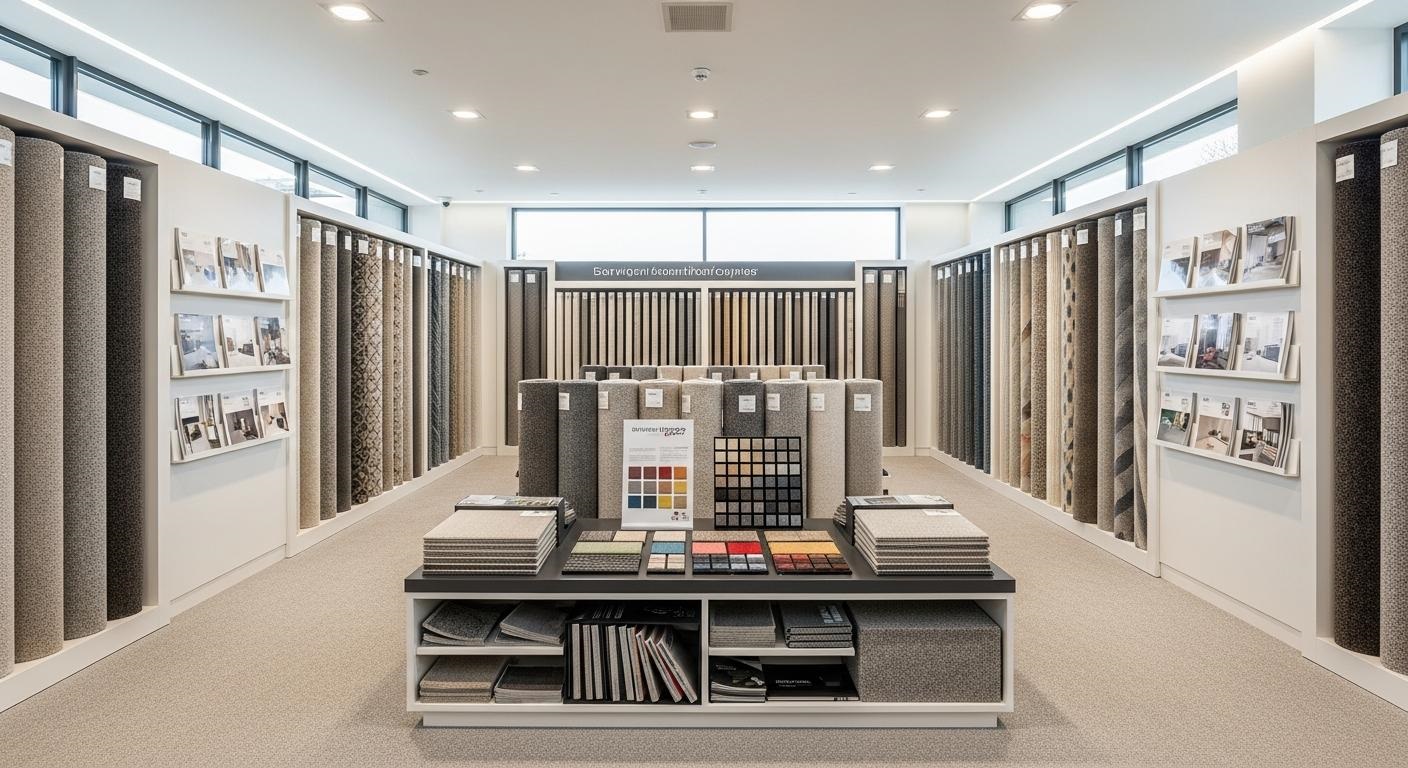
Choosing the right carpet can completely change how a home or commercial space looks and feels. Soft flooring adds warmth, improves comfort, and helps create a welcoming environment. However, purchasing quality carpeting can become expensive, especially when covering several rooms or large commercial areas.
This is where carpet wholesale becomes an attractive option. Wholesale flooring suppliers offer access to different carpet materials, styles, colors, and construction types, often at competitive prices. Whether you are renovating your living room, upgrading rental properties, or furnishing an office, understanding wholesale carpet purchasing can help you make better decisions.
However, buying carpet at a lower price does not automatically mean getting better value. Fiber quality, durability, installation requirements, and maintenance all affect how well your flooring performs.
This guide explains everything you need to know about wholesale carpet flooring, including popular materials, buying considerations, potential savings, and practical tips for choosing carpeting that suits your space.
What Is Carpet Wholesale?
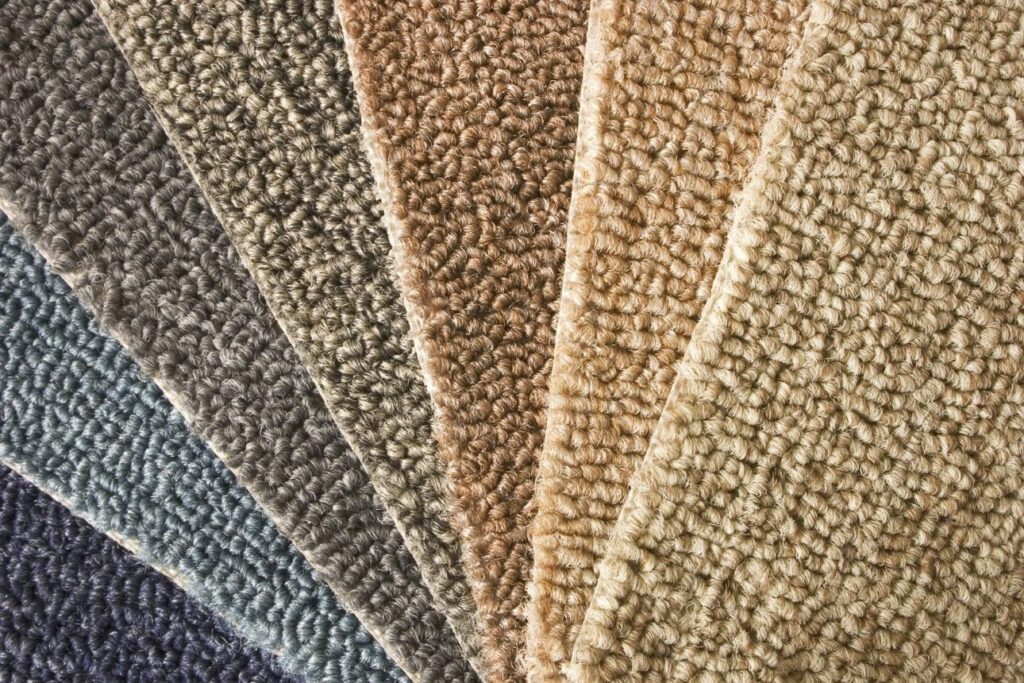
Carpet wholesale refers to purchasing carpeting through suppliers that use wholesale-oriented pricing or distribution models. These businesses may purchase flooring directly from manufacturers, maintain substantial inventories, or offer discounted products through specialized sales channels.
Unlike traditional flooring showrooms that may focus primarily on individual residential projects, wholesale suppliers often serve multiple customer groups, including homeowners, flooring contractors, property managers, and commercial buyers.
Some suppliers offer bulk purchasing arrangements, while others allow customers to purchase smaller quantities at advertised discount prices.
How Does Wholesale Carpet Purchasing Work?
The purchasing process generally involves selecting a carpet style, confirming its specifications, calculating the required quantity, and arranging delivery.
Wholesale suppliers may offer:
- Broadloom carpet sold by the square foot or square yard
- Residential and commercial carpeting
- Carpet tiles for offices and professional environments
- Clearance products and discontinued collections
- Carpet padding and installation accessories
- Multiple flooring brands and fiber options
For example, homeowners exploring carpet wholesale through Georgia Carpet can browse residential carpeting, commercial products, carpet tiles, padding, and other flooring categories.
Comparing available products before purchasing helps buyers identify suitable options without focusing on price alone.
Why Buy Carpet at Wholesale Prices?
Wholesale carpet shopping appeals to buyers who want to balance affordability with material quality.
1. Potential Savings on Flooring Materials
One of the main advantages is the opportunity to find competitively priced carpeting.
Suppliers that purchase directly from manufacturers or handle high sales volumes may be able to offer attractive pricing on selected products.
These savings can become especially meaningful when renovating an entire house, carpeting apartment units, or completing larger commercial projects.
However, shipping charges, installation costs, minimum-order requirements, and product availability should always be considered.
2. Access to More Carpet Styles
Wholesale flooring catalogs can provide a wide range of colors, pile heights, textures, and construction methods.
Instead of choosing from only a few showroom samples, buyers can compare different materials based on how each space will be used.
Neutral carpets may suit professional offices, while textured styles can create a comfortable atmosphere in family living spaces.
3. Convenient Shopping for Larger Projects
Buying from one supplier can simplify flooring purchases when several rooms or properties need carpeting.
Using the same carpet collection across multiple areas can create a consistent appearance and make future maintenance easier.
For contractors and property managers, centralized purchasing may also simplify product selection and project planning.
4. Opportunities to Find Discounted Products
Some wholesale suppliers carry clearance carpet, overstock merchandise, or discontinued styles.
These products may provide excellent value when the available quantity and specifications match your needs.
Always confirm that enough matching material is available before placing an order, particularly if future repairs might require additional carpeting.
Types of Wholesale Carpet Flooring
Different rooms require different flooring characteristics. Understanding common carpet categories helps buyers choose suitable materials.
Residential Carpet
Residential carpeting focuses on comfort, appearance, and everyday practicality.
It is commonly installed in bedrooms, living rooms, hallways, and family spaces.
Plush carpets create a soft, inviting surface, while textured carpeting may be more forgiving of footprints and everyday wear.
Households with children or pets often benefit from products designed for regular cleaning and active use.
Commercial Carpet
Commercial carpet is designed for spaces where flooring must tolerate frequent movement.
Common applications include offices, hotels, educational facilities, and reception areas.
These carpets typically emphasize durability, practical maintenance, and a professional appearance.
Before purchasing, check the manufacturer’s recommended use and performance specifications rather than assuming every commercial carpet works in every environment.
Carpet Tiles
Carpet tiles are individual carpet sections installed together to create a continuous floor.
They are popular in offices, meeting rooms, and certain residential applications.
An important advantage is that damaged sections can sometimes be replaced without removing the entire carpeted area.
However, tile backing, installation method, and adhesive requirements vary between products.
Indoor and Outdoor Carpet
Indoor-outdoor carpet is developed for suitable areas such as enclosed porches, patios, and certain recreational spaces.
It typically uses materials chosen to withstand environmental exposure better than ordinary indoor carpeting.
Buyers should still verify whether the specific product is approved for uncovered outdoor use, moisture exposure, and direct sunlight.
Popular Carpet Materials Explained
The carpet fiber influences comfort, appearance, cleaning requirements, and long-term performance.
Nylon Carpet
Nylon is widely used in residential and commercial carpeting because of its strength and resilience.
It is often a practical option for stairs, hallways, and busy rooms where the carpet receives regular foot traffic.
Nylon carpeting comes in numerous textures and colors, although its performance also depends on construction and product quality.
Polyester Carpet
Polyester is popular for its softness and broad range of colors.
Certain polyester carpets offer good stain resistance, making them appealing for bedrooms and other residential spaces.
However, not all polyester carpets perform equally under heavy traffic. Buyers should compare product warranties and intended applications.
Wool Carpet
Wool provides a naturally soft feel and a distinctive appearance.
It is commonly associated with premium residential interiors and decorative carpeting.
Although wool can provide lasting performance when properly maintained, it generally requires careful cleaning and may carry a higher initial price.
Triexta Carpet
Triexta is a synthetic fiber used in selected residential carpet collections.
It is known for combining softness with stain-resistance characteristics.
When evaluating triexta products, compare construction details, warranty coverage, and cleaning instructions with other available fibers.
How to Choose the Best Wholesale Carpet for Your Space
The best carpet is not necessarily the thickest, softest, or cheapest option.
Instead, it should match the way the room is used.
Consider Foot Traffic
Bedrooms generally experience less traffic than entryways, staircases, and family rooms.
A plush carpet may be comfortable in a guest bedroom but less practical for a busy hallway.
For heavily used areas, look for carpeting with suitable density, construction, and manufacturer performance recommendations.
Choose the Right Carpet Texture
Carpet texture affects both appearance and maintenance.
Common options include:
- Plush: Smooth, soft appearance suitable for quieter rooms.
- Textured cut pile: Helps reduce the visibility of footprints and vacuum marks.
- Loop pile: Often selected for durability and a structured appearance.
- Frieze: Twisted fibers create a more casual, textured surface.
- Patterned carpet: Adds visual interest to contemporary and traditional interiors.
Consider whether your preferred texture complements the surrounding furniture and lighting.
Compare Colors Under Different Lighting
Carpet colors can appear different under natural sunlight, warm indoor lighting, and cool artificial lighting.
Before placing a large order, examine a physical sample in the intended room.
Neutral shades remain versatile, but darker colors and patterned products may help conceal certain types of everyday soil.
Check the Carpet Backing and Padding
Carpet padding supports comfort and helps the flooring system perform as intended.
However, thicker padding is not always better.
Manufacturers may require specific cushion density and thickness to maintain performance and warranty coverage.
Always match the padding to the selected carpet and installation method.
Understanding Carpet Wholesale Prices
Wholesale carpet prices vary considerably depending on material, manufacturer, product construction, and availability.
Higher-quality fibers, specialized backing systems, detailed patterns, and premium collections can influence the final price.
Factors That Affect Carpet Pricing
Several elements determine the cost of a carpeting project:
- Carpet material: Nylon, polyester, wool, and other fibers have different pricing structures.
- Construction quality: Density, pile height, backing, and manufacturing methods affect product costs.
- Quantity: Larger orders may qualify for supplier-specific pricing arrangements.
- Shipping: Delivery costs depend on order size, destination, and product dimensions.
- Installation: Labor, removal, subfloor preparation, and other services add to the total budget.
For this reason, comparing only the advertised carpet price can be misleading.
Calculate the Total Project Cost
Start by measuring the length and width of each room.
Multiply these measurements to determine the approximate square footage.
For example, a room measuring 15 feet by 20 feet contains 300 square feet.
Additional material may be needed for cutting, seams, pattern matching, and installation waste.
Ask a professional installer to confirm the final order quantity before purchasing. Carpet roll width and room layout can significantly affect the amount required.
Where to Buy Wholesale Carpet in the USA
American buyers can explore several purchasing channels, including local flooring distributors, online carpet suppliers, manufacturer-authorized retailers, and wholesale flooring outlets.
Online Wholesale Carpet Suppliers
Online suppliers allow customers to compare carpet collections without visiting multiple physical stores.
Product pages may provide information about fiber composition, available colors, dimensions, and recommended applications.
Georgia Carpet, based in Dalton, Georgia, offers an online selection of residential and commercial carpeting, along with carpet tiles and related products.
Its catalog includes collections from manufacturers such as Mohawk and Shaw.
Buyers should confirm current inventory, delivery eligibility, and shipping restrictions before ordering. Georgia Carpet’s published policy currently excludes carpet and carpet tile shipments, including samples, to California addresses.
Local Flooring Distributors
Local flooring businesses may provide opportunities to inspect carpet samples and discuss installation requirements in person.
They can also be helpful when precise measurements, delivery coordination, or local contractor recommendations are important.
Compare written estimates from multiple suppliers to understand the total cost.
Common Mistakes to Avoid When Buying Wholesale Carpet
Even experienced buyers can overlook important details when focusing on attractive prices.
Choosing Price Over Suitability
An inexpensive carpet may become costly if it wears prematurely or requires replacement sooner than expected.
Always select flooring based on the intended space and expected level of use.
Ignoring Shipping and Additional Costs
Heavy carpet rolls can involve substantial transportation expenses.
Request a complete quote that clearly identifies material costs, shipping, padding, taxes, and installation responsibilities.
Ordering Without Samples
Digital product images cannot perfectly reproduce carpet texture or color.
Whenever possible, examine physical samples before ordering a large quantity.
Forgetting Moisture Conditions
Carpet should not be installed over persistent moisture problems.
The U.S. Environmental Protection Agency recommends addressing moisture concerns before installing carpeting, particularly over concrete slabs and in basements.
Professional assessment may be needed where dampness or water intrusion is suspected.
Carpet Installation and Maintenance Tips
Proper installation and regular maintenance help protect your flooring investment.
Work With Qualified Installers
Professional installation can improve seam placement, stretching, fitting, and overall appearance.
Before hiring an installer, ask about experience with your selected carpet type, installation requirements, and workmanship coverage.
Prepare the subfloor properly and address uneven areas or moisture problems before installation begins.
Keep Carpeting Clean
Routine care helps preserve appearance and reduces accumulated dirt.
The Carpet and Rug Institute recommends regular vacuuming, prompt stain treatment, and periodic professional deep cleaning.
Use cleaning products that are compatible with the carpet fiber and manufacturer instructions.
Consider entrance mats in busy areas to reduce the amount of outdoor dirt reaching the carpeting.
Improve Ventilation During Installation
New carpets and installation materials may release odors or chemical emissions.
The EPA recommends appropriate ventilation during and after installation and suggests discussing low-emission products and adhesives with suppliers.
Following these practices supports a more comfortable indoor environment.
Frequently Asked Questions About Carpet Wholesale
1. Is wholesale carpet cheaper than retail carpet?
Wholesale-oriented suppliers may offer lower prices on selected products, particularly when purchasing larger quantities. However, actual savings depend on the product, shipping costs, installation requirements, and available discounts.
2. Can homeowners buy wholesale carpet?
Yes. Many wholesale flooring businesses sell directly to homeowners, although some distributors work exclusively with trade professionals or require minimum order quantities.
3. What is the best carpet material for high-traffic areas?
Nylon is often a strong choice because of its resilience. Certain commercial-grade carpets and dense loop constructions may also work well, depending on their intended application.
4. Is buying carpet online a good idea?
Buying online can provide convenient product comparisons and access to broader selections. Request samples, review specifications, and understand return policies before ordering.
5. How much extra carpet should I purchase?
The amount depends on room dimensions, carpet width, installation layout, and pattern matching. A flooring professional can calculate the required quantity more accurately than using a fixed waste percentage.
6. What is the difference between carpet tiles and carpet rolls?
Carpet rolls provide broadloom flooring that can cover large areas with relatively few seams. Carpet tiles consist of individual sections that can offer design flexibility and easier localized replacement.
7. How often should carpet be professionally cleaned?
The Carpet and Rug Institute generally recommends professional deep cleaning every 12–18 months, although heavily used areas and manufacturer requirements may call for a different schedule.
8. Can wholesale carpet be used in commercial buildings?
Yes. Many suppliers offer carpeting specifically intended for offices, hotels, and other commercial spaces. Select products that meet the relevant building requirements and manufacturer’s intended-use specifications.
Conclusion
Finding attractive, comfortable, and durable flooring does not have to mean spending beyond your budget.
Exploring carpet wholesale options can help homeowners, contractors, and commercial buyers compare materials, styles, and competitive pricing across a broader selection of products.
The most important step is to look beyond the initial price. Carpet fiber, room usage, construction quality, installation requirements, and ongoing maintenance all influence long-term value.
Whether you prefer soft residential carpeting, durable commercial flooring, or versatile carpet tiles, careful planning can help you select a product that delivers the right combination of appearance, comfort, and performance.
By comparing reputable suppliers, reviewing product specifications, and planning your complete flooring budget, you can make a more confident purchase and create spaces that remain comfortable and welcoming for years to come.

Written by Twastia Editorial Team
Twastia Editorial Team shares practical insights about website design, SEO services, Google Ads, content marketing, social media, conversion rate optimization, and digital marketing strategy.
Last updated: Oct 26, 2026
Related posts from Twastia
Explore more useful articles from twastia.com about digital marketing, SEO, websites, ads, content, and growth strategy.