7 Percent: How Better Curb Appeal Can Increase Your Home’s Selling Price
First impressions matter when selling a house. Before potential buyers explore the kitchen, bedrooms, or living spaces, they notice the […]
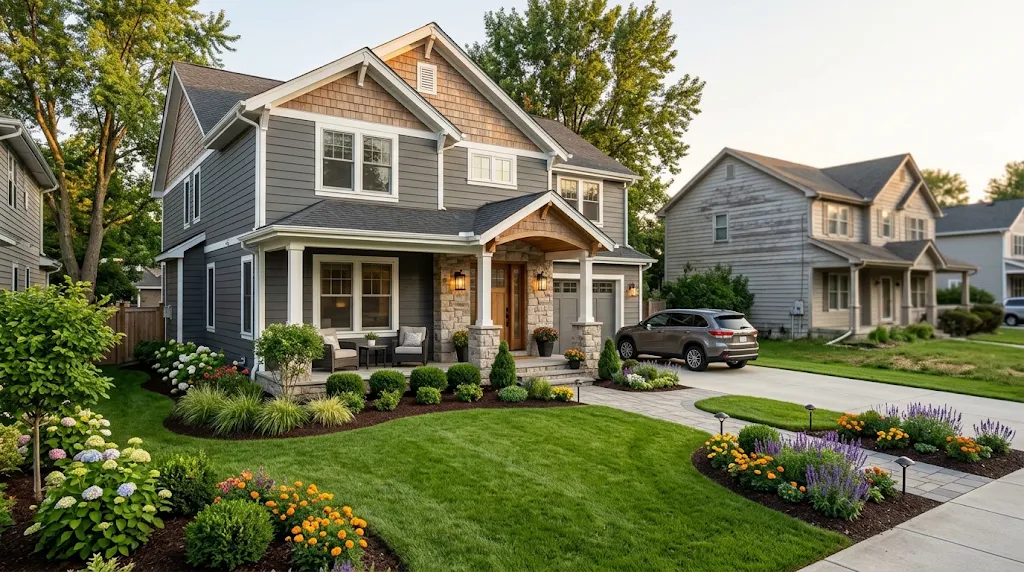
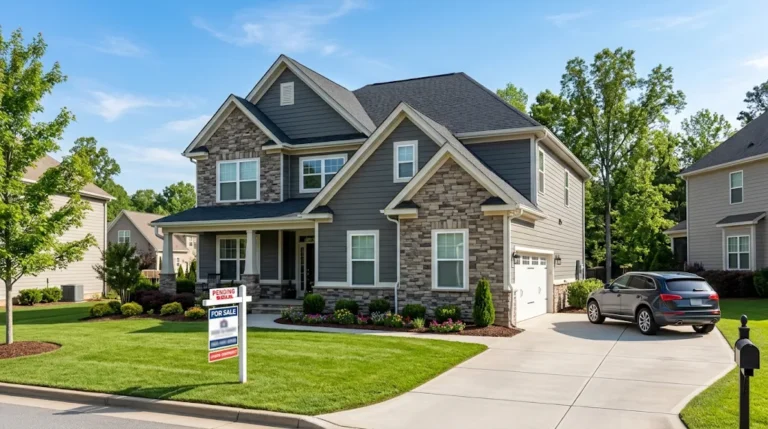
First impressions matter when selling a house. Before potential buyers explore the kitchen, bedrooms, or living spaces, they notice the property’s exterior. A neatly maintained lawn, attractive landscaping, clean driveway, and welcoming entrance can influence how buyers perceive the entire home.
Research suggests that curb appeal may account for as much as 7 percent of a property’s sale price when the appearance of both the house and neighboring properties is considered.
For American homeowners, this finding highlights the financial importance of exterior maintenance. Improving a property’s appearance is not simply about creating a beautiful neighborhood. It can influence buyer expectations, market competitiveness, and perceived property value.
Understanding the research behind 7 percent can help homeowners make better decisions about landscaping, renovations, and preparing their properties for sale.
What Does 7 Percent Mean in Real Estate?
In real estate, 7 percent refers to a potential price difference associated with curb appeal, based on research examining residential property sales.
The study, titled Valuing Curb Appeal, was written by Erik B. Johnson, Alan Tidwell, and Sriram V. Villupuram. Published online in 2019 and appearing in The Journal of Real Estate Finance and Economics in 2020, it investigated how a property’s visual appearance relates to its selling price.
Researchers used Google Street View images, deep learning technology, and statistical valuation methods to assess exterior attractiveness.
Their findings suggested that the combined curb appeal of a home and nearby properties could account for up to 7 percent of its sale price.
Importantly, this figure represents a research-based association, not a guaranteed return from making improvements. ResearchGate+1
Understanding the Research Behind 7 Percent
The researchers examined residential properties in the Denver, Colorado, housing market.
Rather than relying entirely on personal opinions about attractiveness, they developed a systematic method of evaluating property appearances.
How Researchers Measured Curb Appeal
The study used street-level photographs and machine learning classification to assess how homes looked from public spaces.
Researchers then considered those visual assessments alongside property characteristics and other factors influencing sale prices.
This approach helped separate curb appeal from features such as location, housing characteristics, and neighborhood conditions.
What the Results Revealed
The study found that attractive properties generally performed better in valuation comparisons than similar properties with weaker curb appeal.
The potential 7 percent contribution involved both the individual home and the appearance of neighboring homes.
Researchers also found that a home’s own curb appeal carried approximately twice the value associated with the appearance of a neighbor across the street.
This distinction matters because homeowners can improve their properties, but neighborhood conditions also influence market perceptions.
How Much Is 7 Percent of Your Home’s Value?
A relatively small percentage can represent a substantial amount of money when applied to residential real estate.
For example, 7 percent of a $300,000 house equals $21,000.
The following table illustrates the equivalent amounts for different property values.
| Home Value | 7 Percent Equivalent |
|---|---|
| $200,000 | $14,000 |
| $250,000 | $17,500 |
| $300,000 | $21,000 |
| $400,000 | $28,000 |
| $500,000 | $35,000 |
| $600,000 | $42,000 |
| $750,000 | $52,500 |
These calculations are illustrative, not predictions of additional resale proceeds.
A homeowner cannot assume that spending money on landscaping or painting will automatically increase the selling price by 7 percent.
Actual outcomes depend on local housing demand, property condition, neighborhood standards, and the cost and quality of improvements.
Why Curb Appeal Matters to American Homebuyers
Curb appeal affects more than the physical appearance of a building. It shapes the initial impression buyers form about how a property has been maintained.
A home with attractive landscaping and a clean exterior may appear more welcoming and better cared for.
Conversely, peeling paint, overgrown shrubs, damaged walkways, or an untidy yard can raise questions about maintenance.
The 7 percent research finding highlights how these visual impressions may be reflected in real estate values.
First Impressions Begin Before Showings
Many buyers encounter homes through online listings before scheduling physical visits.
Exterior photographs often appear prominently in property advertisements.
A well-presented exterior can encourage buyers to explore the listing further and consider visiting the property.
Appearance Influences Perceived Quality
Buyers cannot immediately inspect every structural component of a house.
Visible maintenance provides clues about the owner’s attention to the property.
However, exterior beauty should never replace a professional home inspection or evaluation of actual building conditions.
Landscaping Improvements That Enhance Curb Appeal
Landscaping is one of the most visible ways to improve a home’s exterior.
A maintained lawn, trimmed shrubs, healthy plants, and clean flower beds can create a positive impression without requiring major construction.
The 7 percent finding makes landscaping worth considering, especially when preparing a home for sale.
Maintain a Healthy Lawn
Grass should be cut regularly and maintained according to regional growing conditions.
Address bare patches, remove weeds, and repair damaged lawn edges.
In drought-prone American regions, water-efficient landscaping may be more practical than maintaining extensive turf.
Choose Attractive Plants
Use plants suited to the local climate and available maintenance time.
Native plants can provide attractive landscaping while supporting local ecosystems.
Avoid oversized shrubs that obscure windows, entrances, or architectural features.
Keep Outdoor Spaces Organized
Clear fallen leaves, remove unnecessary objects, and maintain visible pathways.
Simple organization can make a property’s exterior appear more spacious and carefully maintained.
Exterior Home Improvements Worth Considering
Improving curb appeal does not always require expensive remodeling.
Homeowners can often make noticeable changes through small repairs and thoughtful updates.
The potential 7 percent valuation effect should encourage sensible investment rather than unnecessary spending.
Refresh Exterior Paint
Faded or peeling paint can make an otherwise attractive home appear neglected.
Fresh paint in colors suited to the property’s architectural style can improve its appearance.
Where full repainting is unnecessary, touching up damaged areas may provide a practical alternative.
Upgrade the Front Entrance
The entrance is a natural focal point.
Cleaning or repainting the front door, replacing worn hardware, and maintaining porch fixtures can create a more inviting appearance.
Improve Lighting and Walkways
Functional exterior lighting improves visibility and helps visitors navigate the property.
Repairing cracked steps, damaged walkways, and loose paving also addresses potential safety concerns.
These improvements should prioritize durability and function alongside appearance.
Does Neighborhood Appearance Affect Property Value?
A particularly interesting conclusion from the research concerns neighboring houses.
The potential 7 percent effect was not attributed exclusively to the home being sold.
Researchers found that neighboring properties also contributed to perceptions of curb appeal and related property values.
For example, a beautifully maintained home may be less appealing when surrounding properties show extensive neglect.
Likewise, a street with consistent landscaping, clean sidewalks, and maintained exteriors can create a favorable overall impression.
This suggests that community appearance matters when evaluating residential real estate.
However, homeowners should not interpret the research as proof that individual neighborhood improvements will produce a specific financial return.
Curb Appeal During a Slower Housing Market
The research also identified differences in how curb appeal relates to market conditions.
Its findings suggested that curb appeal premiums become more pronounced during periods of housing market weakness.
This makes the 7 percent finding particularly interesting for homeowners selling when buyer demand is limited.
When buyers have multiple comparable properties to consider, exterior presentation may help distinguish one listing from another.
A maintained property can appear more attractive than homes requiring immediate visible repairs.
Still, curb appeal cannot compensate for every pricing problem.
An overpriced house may struggle to sell regardless of landscaping quality, attractive photographs, or fresh exterior paint.
Budget-Friendly Ways to Improve Curb Appeal
Homeowners do not need unlimited renovation budgets to improve their properties.
The 7 percent research provides a reason to examine exterior presentation, but spending decisions should remain realistic.
Start With Cleaning
Pressure-washing suitable exterior surfaces, removing debris, cleaning windows, and clearing gutters can improve appearance.
Always choose cleaning methods appropriate for the materials involved.
Focus on Visible Maintenance
Repair broken fixtures, straighten mailbox posts, replace damaged house numbers, and remove weeds.
These details may be inexpensive individually but collectively influence the property’s presentation.
Avoid Overimproving
A costly landscaping redesign may not be financially appropriate for every neighborhood.
Compare the expected resale value with renovation expenses before beginning major projects.
A local real estate professional can help identify which improvements buyers in the area are likely to appreciate.
How Sellers Can Use the 7 Percent Finding
The most practical way to use the research is as a reminder that exterior appearance deserves attention during sale preparation.
Rather than expecting an automatic 7 percent increase, sellers should evaluate their property against comparable local listings.
Start by viewing the home from the sidewalk or street.
Notice whether the entrance is visible, landscaping looks balanced, and exterior surfaces appear clean and maintained.
Next, prioritize repairs that address obvious defects before considering decorative upgrades.
Finally, arrange professional listing photographs that accurately represent the property’s condition.
These steps can support effective presentation without relying on unsupported promises of higher resale returns.
Frequently Asked Questions
What does 7 percent mean for home values?
The 7 percent figure comes from academic research suggesting that the combined curb appeal of a home and neighboring properties may account for up to that share of a property’s sale price.
Can landscaping increase my home’s selling price?
Well-maintained landscaping can improve curb appeal and buyer perceptions. However, the financial effect depends on local market conditions, property characteristics, and improvement costs.
Is a 7 percent home value increase guaranteed?
No. The 7 percent finding is a statistical research result, not a guaranteed return for every homeowner. Individual selling prices depend on many factors beyond exterior appearance.
What is the easiest way to improve curb appeal?
Cleaning walkways, trimming overgrown plants, maintaining the lawn, and refreshing the front entrance are practical starting points that often require limited spending.
Does curb appeal matter in a slow housing market?
Yes. The referenced study found that curb appeal’s relationship with sale prices was stronger during weaker market conditions, although this does not guarantee a higher sale price for an individual property.
Conclusion
Curb appeal plays an important role in how residential properties are perceived and valued.
Research suggests that exterior attractiveness, including the condition of neighboring properties, can contribute up to 7 percent of a home’s sale price.
For American homeowners, the lesson is not to expect guaranteed financial gains from every landscaping or renovation project.
Instead, the findings demonstrate why regular exterior maintenance, thoughtful improvements, and neighborhood presentation deserve attention.
Whether you plan to sell your home soon or maintain it for years, investing carefully in curb appeal can improve everyday enjoyment while supporting its competitive position in the real estate market.
Research reference: Johnson, E. B., Tidwell, A., and Villupuram, S. V. (2020). Valuing Curb Appeal. The Journal of Real Estate Finance and Economics, 60, 111–133. View the published research.

Written by Twastia Editorial Team
Twastia Editorial Team shares practical insights about website design, SEO services, Google Ads, content marketing, social media, conversion rate optimization, and digital marketing strategy.
Last updated: Nov 18, 2026
Related posts from Twastia
Explore more useful articles from twastia.com about digital marketing, SEO, websites, ads, content, and growth strategy.