3 Tips for Choosing the Best Spot for Your Hot Tub
Adding a hot tub to your backyard can turn an ordinary outdoor area into a comfortable place to relax, spend […]
Adding a hot tub to your backyard can turn an ordinary outdoor area into a comfortable place to relax, spend time with family, and enjoy quiet evenings. Whether you want to create a private spa retreat or improve your outdoor entertainment space, choosing the right location is an important first step.
However, installing a hot tub involves more than finding an empty corner of your yard. The surface must support considerable weight, electrical connections must meet safety requirements, and the location should make everyday use and maintenance convenient.
Understanding 3 tips for choosing the best spot for your hot tub can help you avoid installation mistakes, unexpected expenses, and problems that may affect your spa over time.
The ideal location balances three essential considerations: a safe and stable foundation, comfortable placement with appropriate privacy, and convenient access to utilities and maintenance areas.
This guide explains how to evaluate each factor and provides practical advice for American homeowners planning an indoor or outdoor hot tub installation.
Why Hot Tub Placement Matters
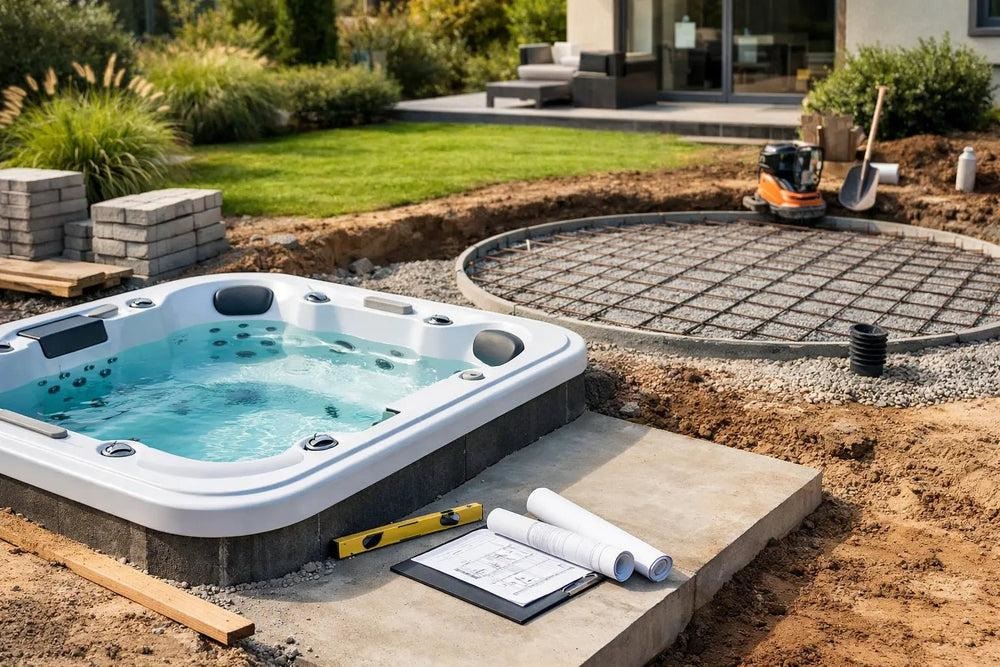
The location of a hot tub influences how often you use it and how easily you can maintain it.
Safety and Structural Support
A filled hot tub can weigh several thousand pounds. Its foundation must support the spa, water, and occupants without unacceptable movement or settlement.
Comfort and Convenience
A location that is difficult to reach may discourage regular use, especially during cold or rainy weather.
Long-Term Maintenance
Hot tubs need periodic cleaning, equipment servicing, water replacement, and access to electrical components.
Poor placement can turn simple maintenance tasks into expensive complications.
Installation Expenses
Site preparation, electrical wiring, foundation construction, and delivery access can significantly affect your total installation budget.
Planning early helps you understand these costs before purchasing equipment.
Tip 1: Choose a Strong, Level, and Well-Drained Foundation
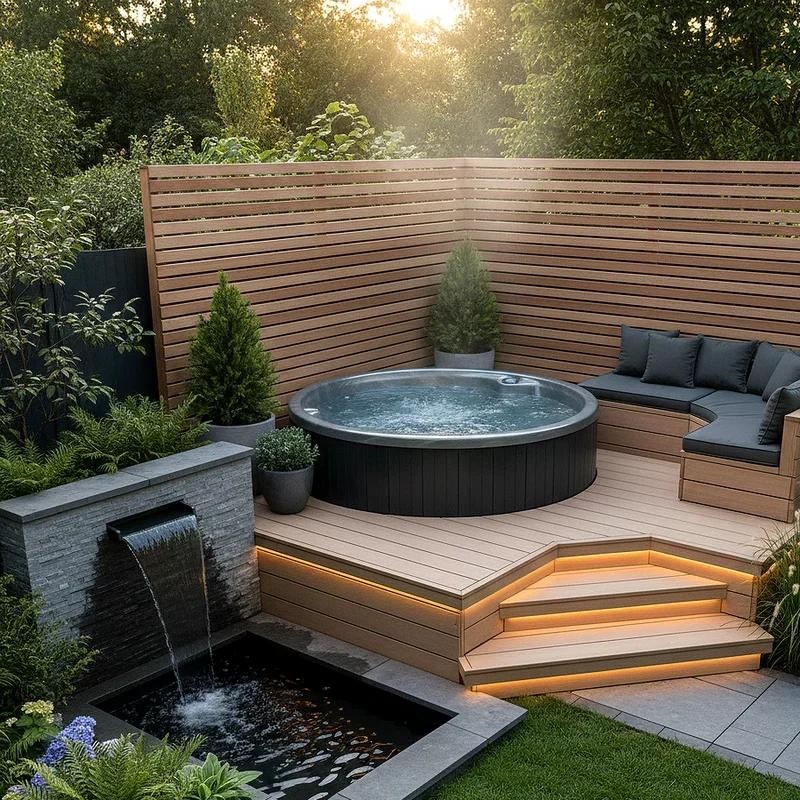
The first consideration is whether the location can safely support your hot tub.
A suitable foundation is essential for long-term structural performance.
Understand the Weight of a Filled Hot Tub
When evaluating a location, consider the combined weight of the empty spa, its water, and the maximum intended number of occupants.
For illustration, a hot tub holding 400 gallons of water contains approximately 3,336 pounds of water alone.
The shell, equipment, and occupants add considerably more weight.
Always use the manufacturer’s specifications for the exact model instead of relying on a general estimate.
Consider a Concrete Foundation
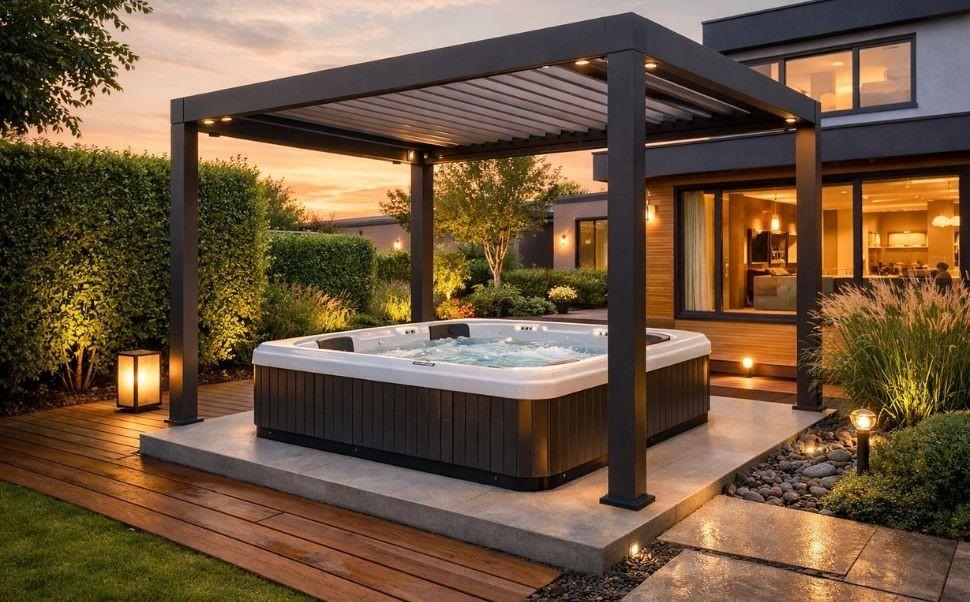
A properly designed reinforced concrete pad is a common choice for permanent outdoor hot tub installations.
Concrete can provide a stable and level surface when constructed on suitable ground.
Hot Spring Spas recommends a reinforced concrete pad at least four inches thick for certain models, but requirements differ by product and site.
Consult the model’s installation instructions and an appropriate professional before construction.
Can You Put a Hot Tub on Pavers?
Some manufacturers permit appropriately prepared paver or other engineered base systems.
However, pavers must remain level and provide adequate continuous support.
Loose materials or poorly compacted ground may settle unevenly, potentially damaging the spa.
Installing a Hot Tub on a Deck
A deck can create an attractive connection between your home and hot tub.
However, you should never assume an existing residential deck can support the additional weight.
Have a qualified structural professional assess the foundation, framing, supports, and proposed loading.
Plan for Proper Drainage
Water from rain, splashing, and draining should move away from the spa’s electrical components and your home’s foundation.
Avoid locations where standing water collects.
Also confirm where drained spa water may legally be discharged under local requirements.
Tip 2: Prioritize Privacy, Comfort, and Everyday Accessibility
The second major consideration is how comfortable the location will feel during regular use.
Even a structurally suitable space may be inconvenient if it lacks privacy or requires walking across an exposed yard.
Consider Distance From Your Home
Many homeowners prefer placing their hot tub reasonably close to an exterior door.
A shorter route can make using the spa more convenient during winter or after dark.
However, the placement must still satisfy electrical, structural, drainage, and property-clearance requirements.
Choose a Private Location
A relaxing hot tub experience may be difficult if neighbors or nearby pedestrians have a direct view of the water.
Privacy screens, suitable fencing, or carefully placed plants can help create a more secluded space.
Consider sightlines from neighboring upper-story windows as well as ground-level views.
Use Landscaping Thoughtfully
Evergreen shrubs, decorative planters, and natural screening can make a hot tub area attractive.
Avoid planting large trees directly overhead when possible.
Leaves, branches, pollen, and other debris can increase cleaning requirements.
Consider Sunlight and Shade
A sunny location may feel pleasant during cooler weather but uncomfortable in intense summer heat.
Partial shade can help create a more versatile outdoor space.
A pergola may provide architectural interest and some sun protection, but any overhead structure must meet applicable requirements.
Think About Wind Exposure
A protected location can feel more comfortable in colder climates.
Fences, landscaping, and appropriate wind barriers may reduce exposure to strong breezes.
Do not enclose equipment ventilation areas or block access panels.
Plan Safe Walking Routes
Choose an accessible route from the house to the spa.
Outdoor surfaces should be stable, slip-resistant, and adequately illuminated.
Include suitable steps and handrails where needed.
Avoid placing the hot tub where users must cross poorly lit lawns, steep slopes, or slippery surfaces.
Tip 3: Plan Electrical Connections, Delivery, and Maintenance Access
The third tip is to evaluate practical installation requirements before committing to a location.
A beautiful backyard corner may not be suitable if it cannot be reached by delivery equipment or safely connected to electricity.
Understand Electrical Requirements
Different hot tub models have different power requirements.
Some use a compatible 120-volt connection, while others require a dedicated 240-volt circuit.
Never assume the electrical needs of one model apply to another.
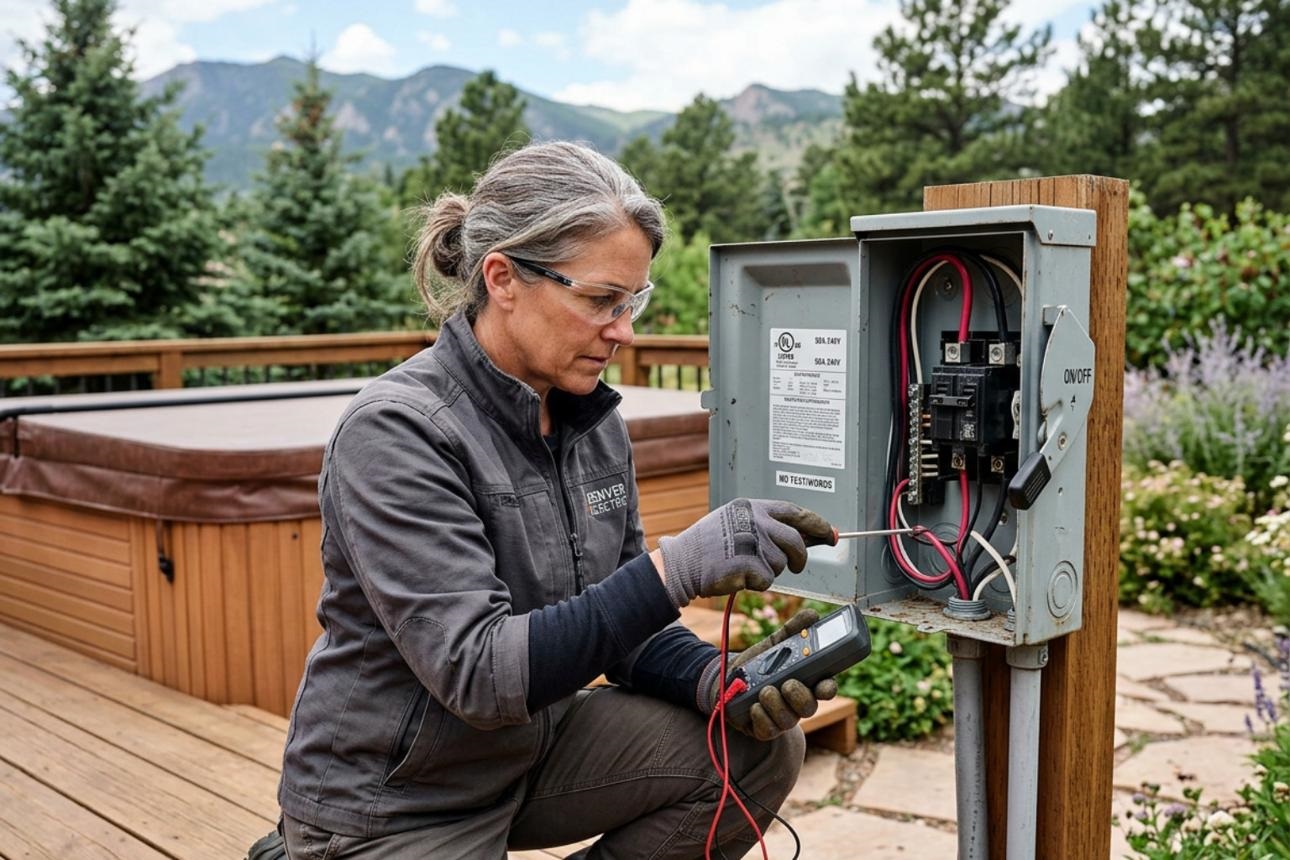
Hire a Qualified Electrician
Electrical installation should comply with the adopted National Electrical Code and local regulations.
The Electrical Safety Foundation International emphasizes appropriate grounding, GFCI protection, and professional assessment for pools and spas.
Have a qualified electrician review the proposed location before site work begins.
Avoid Overhead Electrical Hazards
Check for overhead power lines and nearby electrical equipment.
Required clearances depend on applicable codes and utility requirements.
Do not place a hot tub beneath or dangerously close to electrical lines.
Plan a Safe Disconnect Location
Hardwired hot tubs may require a service disconnect in a specified position.
The electrician should determine required placement and accessibility under the applicable code.
Check the Delivery Route
Hot tubs are large and may be transported on their sides.
Measure gates, passageways, corners, overhead obstructions, and changes in elevation.
A delivery crew may require additional equipment or a crane if normal access is unavailable.
Preserve Service Access
Hot tub pumps, heaters, controls, filters, and other components may require periodic maintenance.
Manufacturers specify necessary access around their equipment compartments.
Leave enough space to remove panels and perform service without dismantling surrounding structures.
Best Places to Install a Hot Tub at Home
Different locations offer different advantages.
Backyard Patio
A patio is often a practical option when it has an appropriate foundation and sufficient access.
It can connect the hot tub with existing outdoor seating and landscaping.
Beside an Existing Deck
Positioning the spa near a deck may provide convenient access without placing its full weight on the deck structure.
The spa foundation and adjacent deck still require appropriate design.
Private Garden Area
A landscaped garden can provide a peaceful setting.
Make sure the surface is stable and that drainage and delivery access remain practical.
Covered Outdoor Area
A properly designed pergola or covered area may provide shade and improve comfort.
Consider moisture, ventilation, electrical safety, and applicable permitting requirements.
Indoor Spa Room
Indoor hot tubs require additional planning for humidity, ventilation, waterproofing, drainage, and structural support.
Consult suitable building professionals before proceeding.
How to Prepare Your Backyard for Hot Tub Installation
Preparing the site before delivery reduces the risk of delays.
Measure the Selected Area
Check the actual dimensions of the hot tub, required foundation, access steps, and service clearances.
Review Local Regulations
Municipalities may have requirements for permits, electrical work, barriers, setbacks, and drainage.
Check with the local building department.
Arrange Site Preparation
Have any required grading, excavation, or foundation work completed by qualified professionals.
Confirm Electrical Readiness
Coordinate the electrical installation with the dealer and electrician.
Arrange Water Access
Plan how the spa will be filled without creating a tripping hazard or blocking walkways.
Inspect the Finished Site
Confirm that the foundation, utility preparation, and delivery route satisfy the manufacturer’s requirements before installation.
How Much Does Hot Tub Site Preparation Cost?
The cost depends on your property, equipment, and local construction conditions.
Foundation Construction
A new concrete pad or engineered support system may require excavation, grading, reinforcing, and labor.
Electrical Work
Costs depend on circuit requirements, distance from the electrical panel, existing service capacity, and permit fees.
Delivery Arrangements
Restricted access may require specialized handling equipment.
Landscaping Changes
Removing obstacles, modifying fencing, or creating a walkway can add expenses.
Drainage Improvements
Some sites require grading or drainage adjustments to prevent water accumulation.
Request itemized quotations rather than assuming installation is included in the hot tub’s purchase price.
Common Hot Tub Placement Mistakes to Avoid
A few preventable mistakes can create major inconvenience.
Installing Directly on Uneven Ground
An unstable base may settle and place stress on the spa structure.
Ignoring Structural Weight
Existing decks and elevated surfaces must be evaluated for the actual filled load.
Blocking Equipment Panels
Decorative walls and planters should not prevent maintenance.
Choosing an Inconvenient Location
Long, unlit routes may make the hot tub less enjoyable during colder months.
Overlooking Drainage
Water accumulating around equipment or foundations can cause damage.
Failing to Check Electrical Requirements
Improper wiring or inadequate protection can present serious hazards.
Additional Hot Tub Safety and Maintenance Tips
Location planning should support safe operation after installation.
Keep Water Temperature Within Safe Limits
The CDC advises that hot tub water should not exceed 104°F.
Maintain Proper Water Chemistry
Residential hot tub owners should regularly monitor disinfectant levels and pH.
The CDC recommends a pH range of 7.0–7.8 and at least 3 ppm free chlorine in hot tubs, or an appropriate bromine-based alternative.
Follow the manufacturer’s product-specific instructions.
Use a Secure Cover
A suitable locking cover can reduce unauthorized access and help keep debris out.
Supervise Children
Never leave children unsupervised around a hot tub. CDC guidance advises keeping children younger than five out of hot tubs.
Schedule Routine Inspections
Check accessible components, the cover, drainage, and surrounding surfaces for signs of damage.
Frequently Asked Questions About Hot Tub Placement
1. What is the best location for a hot tub?
A level, structurally suitable area with adequate privacy, safe electrical access, proper drainage, and convenient maintenance space.
2. How close should a hot tub be to the house?
It may be convenient near an exterior door, but the actual distance must meet local electrical, structural, drainage, and building requirements.
3. Can you put a hot tub directly on grass?
Generally, grass and uncompacted soil are unsuitable permanent foundations because they can settle and become uneven.
4. Is a concrete pad necessary for a hot tub?
Not always. Some manufacturers allow other approved foundations, but the selected surface must satisfy the specific model’s requirements.
5. Can I install a hot tub on my deck?
Potentially, but a qualified professional must verify that the deck can safely support the spa, water, occupants, and required loads.
6. Should a hot tub be in the sun or shade?
Either can work. Consider seasonal comfort, climate, privacy, and maintenance when making your choice.
7. Do hot tubs need special electrical wiring?
Many do. Electrical requirements vary by model and must comply with applicable codes. Consult a qualified electrician.
8. How much space should I leave around a hot tub?
Allow space for safe entry, cover operation, and manufacturer-required equipment servicing. Specific clearances vary by model.
Conclusion
Following these 3 tips for choosing the best spot for your hot tub can help you create a safe, comfortable, and practical backyard spa area.
Start with a level foundation capable of supporting the fully loaded hot tub. Then evaluate privacy, access from your home, sunlight, wind exposure, and surrounding landscaping.
Finally, confirm electrical requirements, delivery access, drainage, and maintenance clearance before installation begins.
A carefully selected location can make everyday use more convenient while reducing the likelihood of costly site modifications.
By consulting the hot tub manufacturer, qualified installation professionals, and your local building authority, you can prepare a space that supports dependable operation and enjoyable outdoor relaxation for years to come.

Written by Twastia Editorial Team
Twastia Editorial Team shares practical insights about website design, SEO services, Google Ads, content marketing, social media, conversion rate optimization, and digital marketing strategy.
Last updated: Oct 29, 2026
Related posts from Twastia
Explore more useful articles from twastia.com about digital marketing, SEO, websites, ads, content, and growth strategy.