7 Ways to Design a Hotel-Inspired Bedroom at Home
Have you ever walked into a beautiful hotel room and immediately noticed how comfortable, organized, and elegant everything feels? From […]
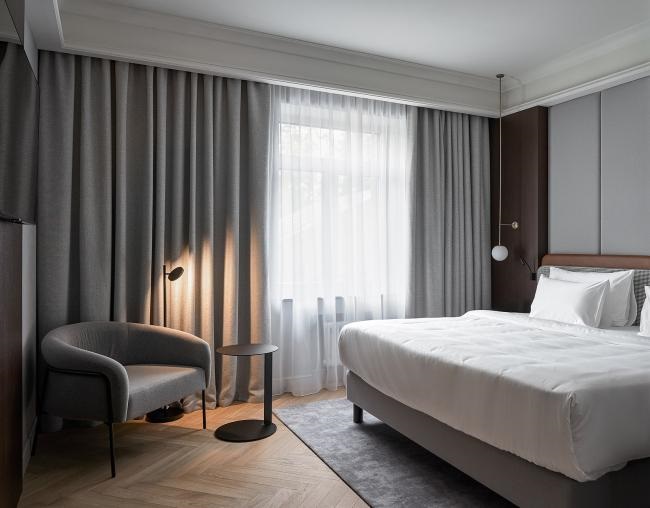
Have you ever walked into a beautiful hotel room and immediately noticed how comfortable, organized, and elegant everything feels? From the perfectly made bed to the soft lighting and carefully selected furniture, luxury hotels know how to create bedrooms that feel welcoming and relaxing.
The good news is that you don’t need to stay at an expensive resort to enjoy that atmosphere. With thoughtful decorating choices, you can bring many of the same design principles into your own home.
Creating a hotel-inspired bedroom isn’t about buying the most expensive furniture or copying a particular hotel room exactly. It’s about combining quality bedding, coordinated colors, functional furniture, and attractive details to create a space that feels special every day.
If you’re searching for 7 ways to design a hotel-inspired bedroom, this guide explores practical ideas for transforming your sleeping space into a comfortable personal retreat.
Whether you’re decorating a spacious primary bedroom or refreshing a small apartment, these suggestions can help you achieve a stylish result without unnecessary spending.
What Makes a Hotel-Inspired Bedroom Special?
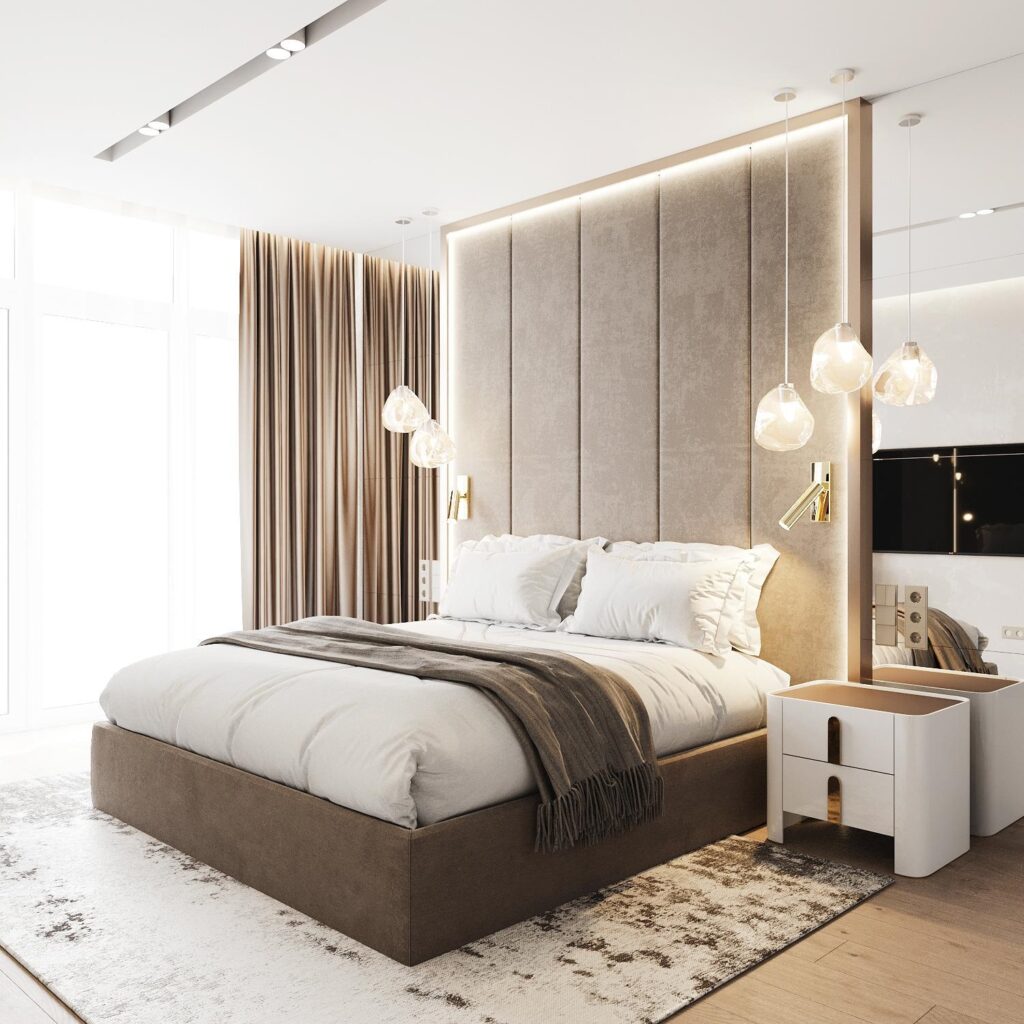
Luxury hotel bedrooms often share several recognizable characteristics.
They feature comfortable beds, thoughtfully arranged furniture, coordinated materials, attractive lighting, and relatively clutter-free surfaces.
However, the appearance of luxury is only one consideration.
Comfort Comes First
A beautiful room won’t feel relaxing if the mattress is uncomfortable or the lighting is unpleasant.
Every Detail Has a Purpose
Hotel bedrooms are designed around everyday activities, including sleeping, reading, changing clothes, and storing personal belongings.
A Coordinated Appearance
Furniture, bedding, curtains, and decorative accessories usually share a consistent design direction.
Practical Organization
Clear walkways, useful bedside storage, and convenient lighting help make the space easier to use.
You can recreate these qualities by focusing on seven important design elements.
1. Invest in Comfortable, Hotel-Style Bedding
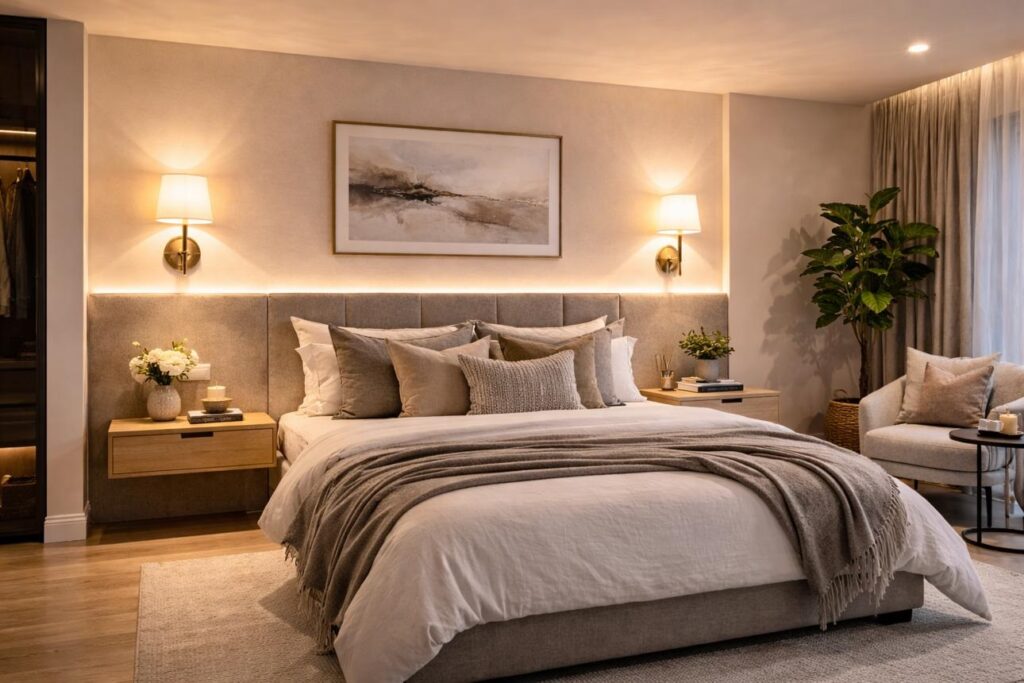
The bed is the most important feature of almost every hotel bedroom.
An attractive bed makes the room feel more inviting, while comfortable bedding supports a pleasant sleeping experience.
Start With the Right Mattress
A luxurious bedroom begins with a mattress that suits your body, preferred sleeping position, and comfort needs.
Some people prefer firm support, while others enjoy a softer surface.
A more expensive mattress is not automatically better for everyone.
Choose Quality Bedsheets
Crisp white cotton sheets are a classic hotel design choice.
Cotton percale has a breathable, relatively crisp feel, while sateen often feels smoother.
Linen is another option for homeowners who enjoy a relaxed, textured appearance.
Add a Comfortable Duvet or Comforter
Choose bedding appropriate for your climate and sleeping temperature.
A fluffy duvet can create a welcoming hotel appearance, but lighter bedding may be more comfortable in warm bedrooms.
Layer Pillows Thoughtfully
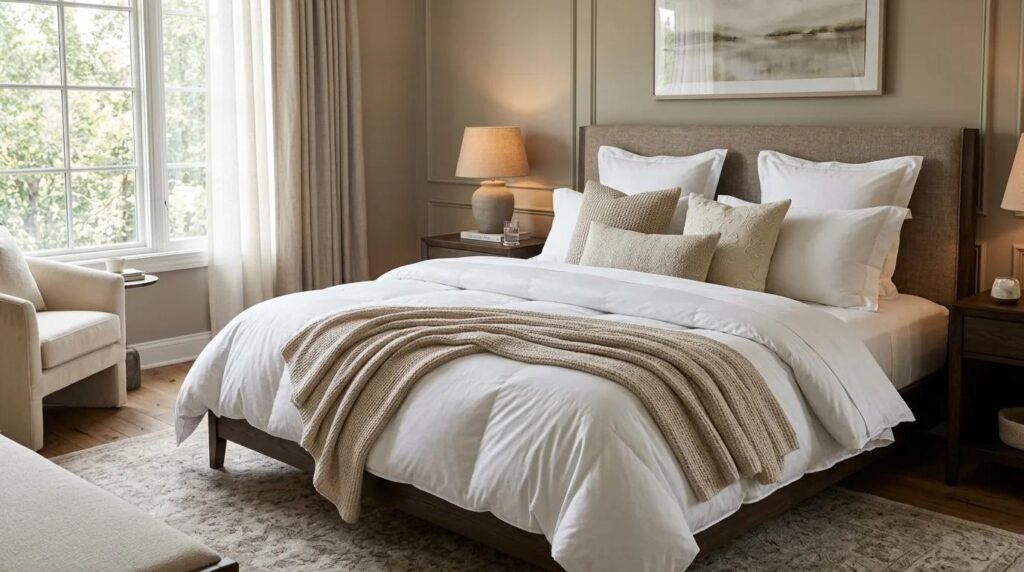
Start with supportive sleeping pillows.
Add a small number of decorative cushions to create a polished arrangement without making the bed difficult to use.
Finish With a Throw Blanket
A folded throw at the foot of the bed adds texture and introduces a secondary color.
Design tip: Combine white sheets with a cream duvet cover and a soft taupe throw for a timeless hotel-inspired look.
2. Choose an Elegant and Relaxing Color Palette
A coordinated color scheme helps make a bedroom feel intentional rather than randomly decorated.
Many hotel bedrooms use restrained colors, natural materials, and subtle contrasts to establish a comfortable atmosphere.
Start With Neutral Walls
Warm white, beige, greige, and soft taupe provide versatile backgrounds.
These shades pair well with wood, fabric, metal, and decorative lighting.
Introduce Soft Accent Colors
Muted blue, sage green, dusty rose, or charcoal can add personality without overwhelming the room.
Choose shades that coordinate with your furniture and flooring.
Consider Dark, Sophisticated Colors
Deep navy, forest green, and chocolate brown can create a boutique hotel atmosphere.
Dark colors work particularly well when balanced with suitable lighting and lighter bedding.
Coordinate the Materials
Choose furniture and accessories that share compatible undertones.
For example, warm oak furniture, cream fabrics, and brushed brass lighting can create a cohesive palette.
Test Paint Colors Before Committing
Natural daylight and artificial lighting can change how a color appears.
Test samples in your bedroom at different times before painting.
Design tip: Select one main neutral, one supporting shade, and one accent color to avoid a visually cluttered result.
3. Create Layers of Warm and Adjustable Lighting
Lighting is one of the most noticeable differences between an ordinary bedroom and a carefully designed hotel suite.
A single ceiling fixture may provide general brightness, but it rarely creates the same inviting atmosphere as multiple coordinated light sources.
Include General Lighting
A ceiling fixture, recessed lights, or an appropriate pendant can illuminate the entire room when needed.
Add Bedside Lighting
Table lamps or wall-mounted sconces make reading and relaxing more convenient.
They also create a decorative element beside the bed.
Consider Accent Lighting
Subtle lighting near a headboard, artwork, or architectural feature can add depth.
Choose fixtures designed for their intended location and use qualified professionals for electrical installation.
Use Dimmers Where Appropriate
Dimmable lighting makes it easier to adjust brightness for different activities.
Check bulb and fixture compatibility before installation.
Choose Comfortable Light Colors
Warm-toned lighting often creates a welcoming evening atmosphere.
Avoid relying on harsh, overly bright lighting when preparing for sleep.
Design tip: Use matching bedside lamps for a traditional luxury hotel look, or choose complementary fixtures for a more contemporary style.
4. Add a Beautiful Headboard and Coordinated Furniture
Hotel bedrooms frequently use the bed as a strong visual focal point.
An attractive headboard can help achieve this effect without requiring extensive decoration.
Choose an Upholstered Headboard
Fabric headboards introduce softness and texture.
Cream, beige, gray, and muted jewel tones are versatile options.
Consider a Statement Design
An oversized headboard can create architectural interest behind the bed.
For smaller bedrooms, choose a size that doesn’t overwhelm the wall.
Select Practical Bedside Tables
Nightstands should provide space for essentials such as a lamp, book, phone, and glass of water.
Drawers or shelves can help keep the surface organized.
Coordinate Rather Than Match Everything
Furniture does not need to come from one collection.
Similar materials, proportions, and finishes can create a cohesive appearance even when pieces differ.
Keep the Layout Comfortable
Avoid placing furniture where it obstructs doors, drawers, or walking routes.
A beautiful bedroom should still be easy to navigate.
Design tip: A padded headboard, two modest nightstands, and well-positioned lighting can make a stronger impression than several oversized furniture pieces.
5. Introduce Luxurious Textures Through Curtains and Rugs
Luxury interiors often feel comfortable because they combine several different materials.
Smooth bedding, soft upholstery, textured rugs, and tailored curtains can add depth without relying on bright colors.
Choose Full-Length Curtains
Curtains that extend close to the floor can create a more finished appearance.
Make sure the fabric and installation suit the window dimensions.
Add Light Control
Blackout curtains or shades can reduce unwanted outdoor light.
Consider combining them with lighter curtains when you want privacy during the day.
Place a Rug Near the Bed
A large area rug can introduce softness and visually connect the bed with surrounding furniture.
For smaller rooms, bedside runners may be more practical.
Combine Different Textures
Try mixing smooth cotton bedding with a woven throw and upholstered furniture.
Subtle contrasts often create more visual interest than using identical fabrics everywhere.
Keep Materials Practical
Choose washable or easily maintained fabrics when possible.
Avoid placing loose rugs where they may create a slipping or tripping hazard.
Design tip: Use a neutral rug extending beyond the sides of the bed so the room feels visually connected and your feet land on a comfortable surface.
6. Keep Your Bedroom Organized and Clutter-Free
One reason hotel rooms often feel peaceful is that surfaces are carefully organized.
At home, everyday belongings can gradually accumulate on dressers, chairs, and nightstands.
A hotel-inspired bedroom benefits from thoughtful storage that supports daily routines.
Clear the Bedside Tables
Keep only the items you regularly use.
A lamp, small tray, and book may be enough.
Use Closed Storage
Drawers, cabinets, and wardrobes can conceal visual clutter while keeping belongings accessible.
Organize Your Closet
Group clothing logically so it’s easier to find what you need.
Storage dividers, hangers, and suitable containers can help.
Keep Cables Out of Sight
Use cable-management accessories designed for the installation.
Avoid overloading electrical outlets or covering equipment that requires ventilation.
Create a Simple Morning Routine
Making the bed and returning items to their proper places can preserve the room’s organized appearance.
Design tip: Leave some surfaces intentionally empty. A little breathing room can make furniture and decorative objects stand out.
7. Finish With Personalized, Boutique Hotel Details
The final step is adding carefully chosen features that make the room feel attractive and personal.
Luxury hotels often include thoughtful touches that enhance the guest experience without filling every available space.
Add Meaningful Artwork
Choose one large artwork or a small coordinated collection.
Position it where it complements the bed and furniture.
Create a Reading Corner
If space allows, place a comfortable chair beside a small table and reading lamp.
This can make the bedroom feel like a private suite.
Include Decorative Accessories
A ceramic vase, attractive clock, or simple tray can add character.
Avoid adding so many objects that everyday cleaning becomes difficult.
Consider a Bench
An upholstered bench at the foot of the bed can provide a convenient place to sit or set down clothing.
Make sure it leaves adequate walking space.
Introduce Greenery
A suitable indoor plant can bring natural color and texture into the room.
Consider maintenance needs, available light, and household pet safety.
Choose Subtle Fragrance Carefully
A gentle room fragrance may contribute to a pleasant atmosphere for some people.
Avoid strong scents if you or other occupants are sensitive to them.
Design tip: A beautiful room should feel like your home, not an impersonal hotel display. Include a few objects with personal meaning.
How to Create a Hotel-Inspired Bedroom on a Budget
A full renovation is not necessary to achieve an attractive bedroom makeover.
Start With Bedding
Refreshing sheets, pillowcases, or a duvet cover can noticeably change the appearance of the bed.
Change the Lighting
Replacing an outdated bedside lamp with a coordinated fixture is often simpler than altering the entire room.
Rearrange Existing Furniture
Moving furniture can improve circulation and create a better focal point.
Refresh the Walls
A new paint color may make the existing furniture look different without replacing it.
Update Small Accessories
Cushion covers, throws, artwork, and curtains can help establish a new color palette.
Shop Secondhand
Pre-owned nightstands, mirrors, and other suitable furniture may offer savings.
Check their condition before purchasing.
Focus on the changes that will make the biggest difference to your room rather than buying everything at once.
Hotel-Inspired Bedroom Ideas for Small Rooms
A limited floor area doesn’t prevent you from creating a stylish bedroom.
Choose Appropriately Sized Furniture
Avoid oversized nightstands and chairs that restrict walking space.
Use Wall-Mounted Lighting
Suitable sconces can free up bedside surfaces.
Incorporate Under-Bed Storage
Storage drawers and containers can reduce clutter elsewhere in the room.
Keep the Palette Cohesive
Using related colors on walls, bedding, and furniture can create visual continuity.
Use Mirrors Thoughtfully
A well-positioned mirror may reflect daylight and make the room feel brighter.
The goal is not to copy the size of a luxury hotel suite but to borrow its attention to detail.
How to Make Your Bedroom More Comfortable for Sleep
A hotel-inspired design should work well beyond its appearance.
Manage Bedroom Temperature
A comfortably cool environment can help support sleep.
The appropriate temperature varies according to individual needs, climate, and bedding.
Reduce Unwanted Noise
Curtains, rugs, and suitable sound-reducing measures may help lessen disturbances.
Control Exterior Light
Blackout shades or curtains can be useful if streetlights or early morning sunlight enter the room.
Choose Supportive Bedding
Mattresses and pillows should suit your sleeping position and personal comfort.
Keep the Room Clean
Regularly clean surfaces and wash bedding according to product instructions.
A room that is stylish, comfortable, and easy to maintain is more useful than one designed only for photographs.
Common Hotel-Style Bedroom Design Mistakes
Adding Too Many Pillows
Decorative cushions should enhance the bed without becoming inconvenient.
Choosing Appearance Over Comfort
A beautiful headboard or mattress is not useful if it doesn’t suit everyday needs.
Ignoring Lighting
Even expensive furniture can look uninviting under poorly planned lighting.
Using Too Many Colors
A scattered palette may reduce the calm, coordinated feeling you’re trying to create.
Overcrowding the Room
Keep enough space around the bed and other furniture for comfortable movement.
Forgetting Storage
Organization is easier when belongings have convenient places to go.
Frequently Asked Questions About Hotel-Inspired Bedrooms
1. How can I make my bedroom look like a luxury hotel?
Use coordinated bedding, an attractive headboard, layered lighting, suitable curtains, comfortable furniture, and a clutter-free layout.
2. What bedding do luxury hotels usually use?
Many hotels use white sheets, supportive pillows, and layered duvets or comforters, although materials and arrangements vary by property.
3. What colors are best for a hotel-inspired bedroom?
Warm white, cream, beige, taupe, muted gray, soft green, and deep accent colors are popular options.
4. How can I make my bedroom look expensive on a budget?
Focus on better bedding presentation, coordinated lighting, decluttering, paint, and carefully selected accessories.
5. Are upholstered headboards good for hotel-style bedrooms?
Yes. They can add softness, visual interest, and a comfortable backdrop for sitting in bed.
6. What type of lighting works best in a luxury bedroom?
Layered lighting combining general illumination, bedside lamps, and suitable accent lighting creates versatility.
7. Can a small bedroom have a hotel-inspired design?
Yes. Use proportionate furniture, organized storage, coordinated colors, and a few attractive design features.
8. Do I need expensive furniture for a hotel-inspired bedroom?
No. Thoughtful coordination, practical comfort, clean surfaces, and well-chosen details often matter more than the purchase price.
Conclusion
Creating a luxurious bedroom doesn’t mean turning your home into an expensive hotel. It means using the design ideas that make hotel rooms feel comfortable, welcoming, and visually coordinated.
These 7 ways to design a hotel-inspired bedroom begin with comfortable bedding and continue through elegant colors, layered lighting, stylish furniture, soft textiles, organized storage, and personalized finishing details.
You can introduce these improvements gradually according to your available space and budget.
Start with the bed, establish a consistent color palette, and select furniture and accessories that support your everyday routines.
Most importantly, remember that a successful hotel-inspired bedroom should feel personal. It should combine the elegance of a beautifully designed suite with the comfort and familiarity of your own home.
With a few thoughtful changes, your bedroom can become a relaxing retreat that you enjoy returning to every evening.

Written by Twastia Editorial Team
Twastia Editorial Team shares practical insights about website design, SEO services, Google Ads, content marketing, social media, conversion rate optimization, and digital marketing strategy.
Last updated: Oct 29, 2026
Related posts from Twastia
Explore more useful articles from twastia.com about digital marketing, SEO, websites, ads, content, and growth strategy.