8 Tips for Improving Recycling & Waste Management
Every day, households, offices, restaurants, and businesses produce waste. From food packaging and paper to old electronics and unwanted furniture, […]
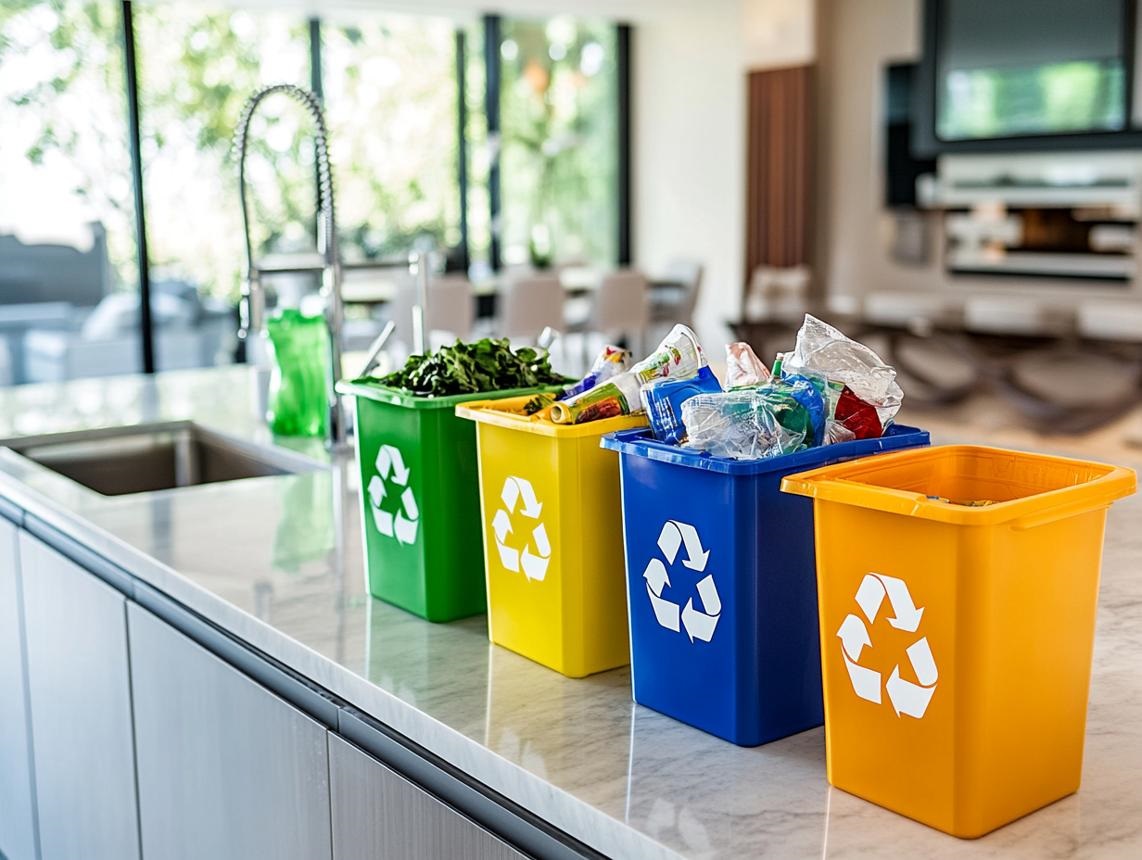
Every day, households, offices, restaurants, and businesses produce waste. From food packaging and paper to old electronics and unwanted furniture, the materials we discard can place pressure on natural resources and waste management systems.
While recycling helps recover valuable materials, effective waste management involves much more than placing empty containers in a recycling bin. It also means buying thoughtfully, reducing unnecessary packaging, reusing useful items, managing food waste, and disposing of hazardous materials safely.
Making these improvements doesn’t always require expensive equipment or major lifestyle changes. Small, consistent habits can make a meaningful difference.
These 8 tips for improving recycling & waste management explain practical steps you can take at home, in the workplace, or within your community.
Whether you’re trying to reduce household trash, improve your office recycling program, or adopt more environmentally responsible habits, the following strategies can help you get started.
Why Is Recycling and Waste Management Important?
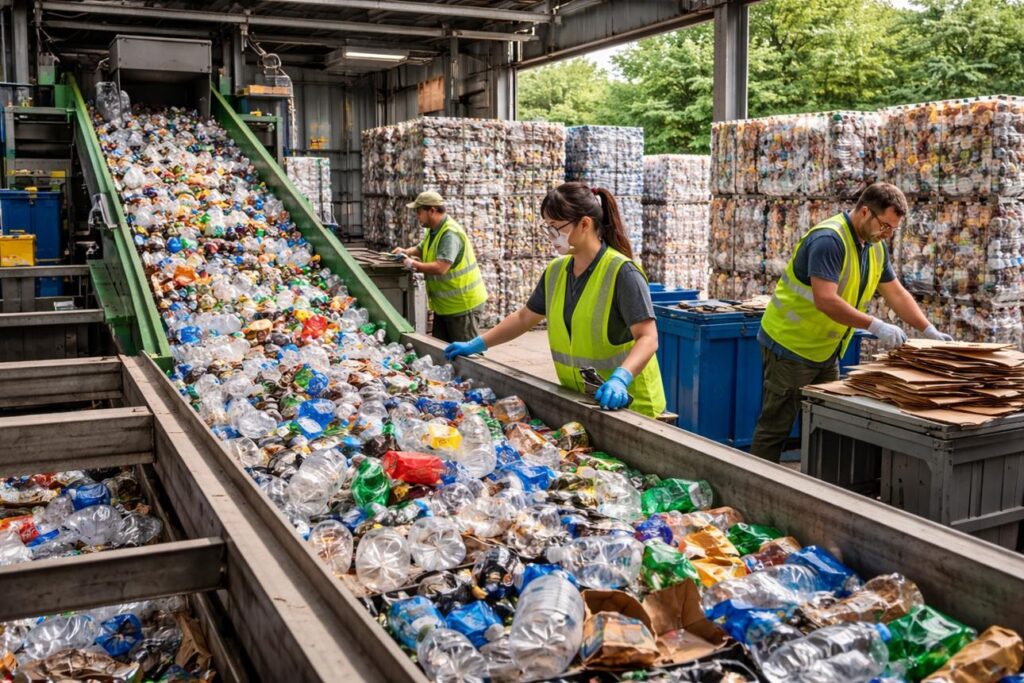
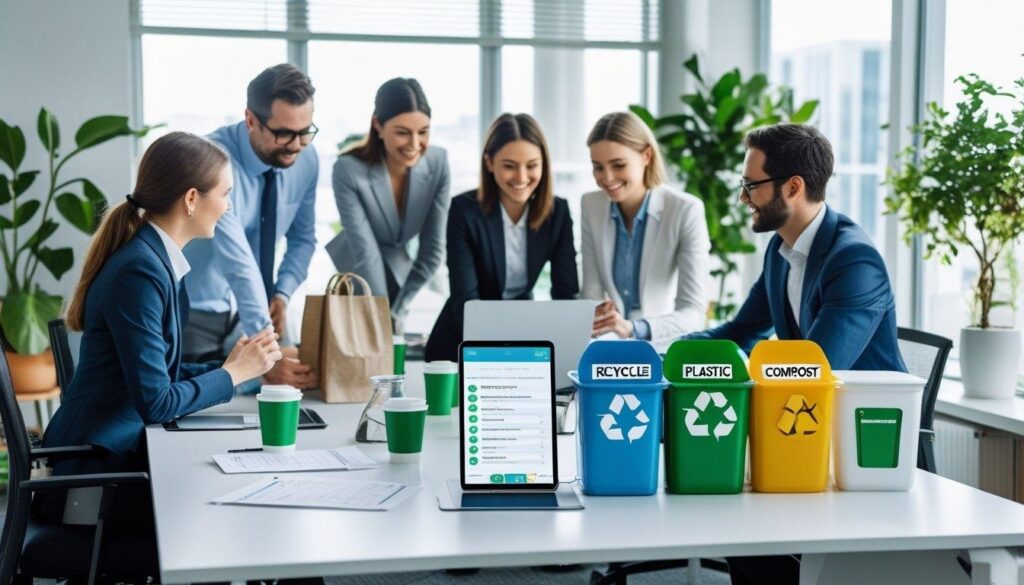
Waste management describes how materials are collected, handled, processed, recovered, and disposed of after use.
Recycling is one part of this broader system. It involves collecting suitable materials and processing them into raw materials used to manufacture new products.
Conserving Natural Resources
Recycling suitable paper, metals, glass, and plastics can reduce the demand for some newly extracted resources.
Reducing Waste Sent to Landfills

Preventing waste, reusing products, and recycling accepted materials can reduce the quantity requiring disposal.
Supporting Environmental Protection
Responsible waste management can reduce pollution associated with manufacturing, resource extraction, and improper disposal.
Encouraging Responsible Consumption
Learning what happens to unwanted materials can help consumers make better decisions before purchasing new products.
The U.S. Environmental Protection Agency recommends a waste management hierarchy that prioritizes preventing waste and reusing materials before recycling, energy recovery, and disposal.
Tip 1: Reduce Waste Before It Is Created
The most effective way to manage unnecessary waste is to avoid producing it.
Recycling is useful, but preventing waste can eliminate the need for collection, processing, and disposal altogether.
Buy Only What You Need
Before purchasing an item, consider whether you’ll use it regularly.
Planning grocery shopping, office supplies, and household purchases can reduce unwanted products and packaging.
Choose Products With Less Packaging
Where practical, compare similar products and select options that avoid unnecessary wrapping or disposable accessories.
Use Refillable Products
Refillable water bottles, suitable cleaning-product containers, and reusable shopping bags can replace some disposable alternatives.
Repair Instead of Replacing
Simple repairs may extend the useful life of clothing, furniture, appliances, and other household goods.
Practical example: Instead of purchasing individually packaged snacks for the office every day, consider suitable larger packages and reusable portion containers.
The goal is not to eliminate every disposable item, but to prevent avoidable waste wherever feasible.
Tip 2: Separate Waste Into the Correct Categories
Proper waste separation is one of the simplest ways to improve recycling.
When recyclable items are mixed with food scraps or unsuitable materials, they may become difficult or impossible to process.
Establish a Convenient Recycling Station
Place appropriately labeled containers for trash, accepted recyclables, and separately collected organic waste.
Keep containers near the areas where waste is generated.
Learn Your Local Recycling Rules
Recycling requirements differ across U.S. cities and service providers.
One community may accept certain plastic tubs, while another may collect only selected bottles and jugs.
Avoid Recycling Contamination
Keep food, liquids, and loose waste out of recycling containers.
Containers should be emptied and prepared according to the collection provider’s instructions.
Keep Plastic Bags Separate
Plastic bags and flexible wraps generally should not go into standard curbside recycling.
Some communities provide specialized collection options, but acceptance must be confirmed.
Practical example: Place a small recycling guide near household or office bins showing the exact materials accepted by your local service.
Tip 3: Reuse, Repair, and Donate Items
Many unwanted items still have useful life remaining.
Before throwing something away, consider whether it can be repaired, reused, donated, or shared.
Donate Usable Furniture
Furniture in suitable condition may benefit charitable organizations, community groups, or people furnishing their homes.
Give Clothing Another Life
Clean, wearable clothing can be donated or passed to someone who needs it.
Damaged textiles may require specialized collection programs.
Reuse Containers
Suitable jars, boxes, and storage containers can be reused for organizing household supplies.
Always consider material suitability and food safety before repurposing containers for food.
Explore Secondhand Shopping
Purchasing pre-owned furniture, books, clothing, and household goods can extend product life.
Organize Community Exchanges
Schools, neighborhoods, and offices can arrange exchanges for books, toys, equipment, and other reusable items.
Reusing products helps reduce the need to manufacture replacements.
Tip 4: Reduce Food Waste and Start Composting
Food waste is an important part of household and commercial waste management.
Producing food requires land, water, energy, transportation, and other resources.
When edible food is discarded, these resources are also wasted.
Plan Meals in Advance
Check your refrigerator and pantry before shopping.
Build a shopping list around ingredients you already own and meals you realistically expect to prepare.
Store Food Properly
Use suitable refrigeration, freezing, and storage methods to maintain freshness.
Organize your refrigerator so foods approaching their usable date are easy to find.
Use Leftovers Creatively
Prepare new meals using safe leftovers, such as cooked vegetables, rice, or other suitable ingredients.
Follow appropriate food storage and reheating practices.
Compost Suitable Organic Materials
Fruit and vegetable scraps, coffee grounds, dry leaves, and other appropriate materials can be processed through a properly managed compost system.
Check Local Composting Options
Some communities offer curbside organics collection or designated drop-off points.
Home composting is another option when local conditions and property arrangements allow it.
Practical example: Keep a covered container for suitable kitchen scraps and empty it into an approved compost bin or local collection service.
Tip 5: Recycle Paper, Plastic, Glass, and Metal Correctly
Different materials require different collection and processing methods.
Understanding basic recycling practices can help prevent contamination.
Paper and Cardboard
Keep accepted paper and cardboard reasonably clean and dry.
Flatten cardboard boxes to save space where instructed by your recycling provider.
Plastic Containers
Check which plastic products your local program accepts.
The recycling symbol or resin identification number does not guarantee curbside acceptance.
Glass Containers
Glass bottle and jar recycling rules vary.
Some communities collect glass curbside, while others require drop-off collection or exclude it from their programs.
Aluminum and Steel Cans
Empty accepted metal cans and follow your provider’s preparation requirements.
Avoid Wishcycling
Wishcycling means placing questionable items into recycling bins simply because you hope they can be recycled.
This can create contamination and sorting problems.
When unsure, consult your local recycling provider instead of guessing.
Tip 6: Dispose of Electronics, Batteries, and Hazardous Waste Safely
Not all unwanted products belong in regular trash or recycling containers.
Some materials require specialized handling because they contain hazardous substances or create fire risks.
Recycle Electronics Responsibly
Old laptops, phones, televisions, and other electronic devices may contain recoverable metals and other valuable components.
Find an appropriate electronics recycler or retailer take-back program.
Handle Lithium-Ion Batteries Carefully
Lithium-ion batteries can cause fires if damaged during collection or waste processing.
The EPA advises keeping them out of household trash and curbside recycling.
Use specialized battery collection facilities and follow safe terminal-protection instructions.
Separate Household Hazardous Waste
Products such as certain paints, chemicals, pesticides, and solvents may require designated collection services.
Check Local Disposal Programs
Municipal governments and waste management providers often publish information about special collection events or drop-off locations.
Protect Personal Data
Before recycling electronic devices, back up important information and follow the manufacturer’s recommended data-erasure procedures.
Correct disposal protects workers, households, and recycling facilities.
Tip 7: Improve Recycling Habits at Home and Work
A recycling system is only effective when people understand how to use it.
Creating convenient routines can reduce mistakes and encourage participation.
Place Bins Where People Need Them
In offices, recycling containers should be easy to find near printers, break rooms, and common areas.
At home, consider placing a small collection bin near the kitchen or another convenient location.
Provide Clear Instructions
Use simple labels and pictures that reflect your actual recycling program.
Avoid generic labels that suggest materials are accepted when they are not.
Encourage Employee Participation
Businesses can explain recycling procedures during orientation and provide occasional reminders.
Reduce Disposable Office Supplies
Encourage reusable cups, refillable bottles, and efficient purchasing practices.
Review Waste Collection Arrangements
Workplaces should confirm how their waste contractor collects and processes different materials.
Practical example: A small office can position its trash and recycling bins together and display an approved sorting guide above them.
Tip 8: Track Your Waste and Set Realistic Improvement Goals
Improving waste management is easier when you understand what you’re throwing away.
A simple review can highlight opportunities to reduce unnecessary consumption.
Conduct a Basic Waste Audit
Observe the types of waste your household or organization generates over a typical week.
Use safe, non-invasive methods and avoid handling hazardous, sharp, or contaminated materials.
Identify Frequent Waste Sources
Common examples include disposable food packaging, unwanted paper, excess supplies, and spoiled groceries.
Set Measurable Goals
You might aim to reduce single-use purchases, improve correct recycling participation, or prevent avoidable food waste.
Measure Progress
Compare the amount or frequency of waste generated over time.
For businesses, collection records and purchasing reports may provide useful information.
Adjust Your Strategy
If a recycling bin frequently contains contamination, improve signage or provide clearer guidance.
If food waste remains high, review purchasing and meal-planning habits.
Small improvements maintained consistently are often more practical than unrealistic zero-waste targets.
Recycling and Waste Management: Quick Comparison
| Waste category | Recommended approach |
|---|---|
| Clean paper and cardboard | Recycle if accepted locally |
| Plastic packaging | Check local acceptance rules |
| Glass bottles and jars | Use accepted curbside or drop-off programs |
| Aluminum and steel cans | Empty and recycle when accepted |
| Food scraps | Prevent waste first; compost suitable leftovers |
| Usable clothing and furniture | Repair, reuse, sell, or donate |
| Electronics and lithium batteries | Use specialized recycling facilities |
| Hazardous household products | Follow local special-disposal requirements |
How Can Businesses Improve Waste Management?
Businesses often generate a wider range of materials than individual households.
Review Purchasing Decisions
Choose supplies that reduce unnecessary waste while meeting operational needs.
Work With Suitable Recycling Providers
Verify which materials the collection company accepts and how they should be prepared.
Train Employees
Provide straightforward information about recycling procedures and waste prevention.
Reduce Packaging Waste
When possible, discuss reusable or reduced packaging options with suppliers.
Monitor Performance
Track waste collection costs, contamination issues, and progress toward practical reduction goals.
Businesses with hazardous or regulated waste should also follow applicable federal, state, and local requirements.
What Are the Biggest Recycling Mistakes?
Even people who want to recycle responsibly can make errors.
Assuming All Plastics Are Recyclable
Plastic acceptance depends on the local collection and processing system.
Recycling Dirty Containers
Food residue and liquid can contaminate otherwise recyclable materials.
Putting Batteries in Recycling Bins
Lithium-ion batteries require specialized collection because of potential fire hazards.
Throwing Away Reusable Products
Repairing or donating usable products may be preferable to sending them directly for disposal.
Ignoring Local Rules
Recycling guidelines vary between municipalities and waste service providers.
The most important habit is checking what your own collection program accepts.
Frequently Asked Questions About Recycling and Waste Management
1. What are the best ways to improve recycling?
Learn local recycling rules, use clearly labeled bins, keep materials clean and dry, and prevent unsuitable items from entering recycling collections.
2. What are the three Rs of waste management?
The three Rs are reduce, reuse, and recycle. Reducing waste and reusing products generally come before recycling.
3. Why is proper waste segregation important?
Separating waste helps keep recyclable materials usable and reduces contamination during collection and processing.
4. Can all plastic products be recycled?
No. Recycling acceptance depends on plastic type, product design, and local processing capabilities.
5. How can households reduce food waste?
Plan meals, check existing supplies before shopping, store food correctly, and use suitable leftovers.
6. Should batteries go in household recycling bins?
Lithium-ion batteries should not go into regular trash or curbside recycling. Use an approved battery collection or household hazardous waste facility.
7. How can offices improve their recycling programs?
Provide convenient recycling stations, clear signage, employee education, and suitable waste collection arrangements.
8. Is recycling better than reducing waste?
Preventing waste and reusing materials are generally preferred because they can avoid the environmental impacts associated with manufacturing and waste processing.
Conclusion
Effective recycling and waste management begin with everyday choices.
These 8 tips for improving recycling & waste management show how reducing unnecessary purchases, reusing useful products, sorting materials correctly, composting suitable food scraps, and disposing of hazardous items responsibly can contribute to a more sustainable lifestyle.
The most successful approach isn’t simply to recycle more. It’s to prevent avoidable waste before it is created and make better decisions about the materials that remain.
For households, small improvements such as meal planning, reusable containers, and organized recycling bins can make waste reduction easier.
For businesses, employee education, purchasing reviews, and better collection practices can support long-term progress.
Start with a few manageable changes, follow your local waste management requirements, and review your results regularly.
By developing consistent habits, you can reduce unnecessary waste, conserve valuable resources, and help support healthier communities.

Written by Twastia Editorial Team
Twastia Editorial Team shares practical insights about website design, SEO services, Google Ads, content marketing, social media, conversion rate optimization, and digital marketing strategy.
Last updated: Oct 29, 2026
Related posts from Twastia
Explore more useful articles from twastia.com about digital marketing, SEO, websites, ads, content, and growth strategy.