Electronic Water Level Sensor Fountains for Your Home
A beautiful water fountain can transform an ordinary living space into a peaceful, attractive environment. The gentle movement of water, […]
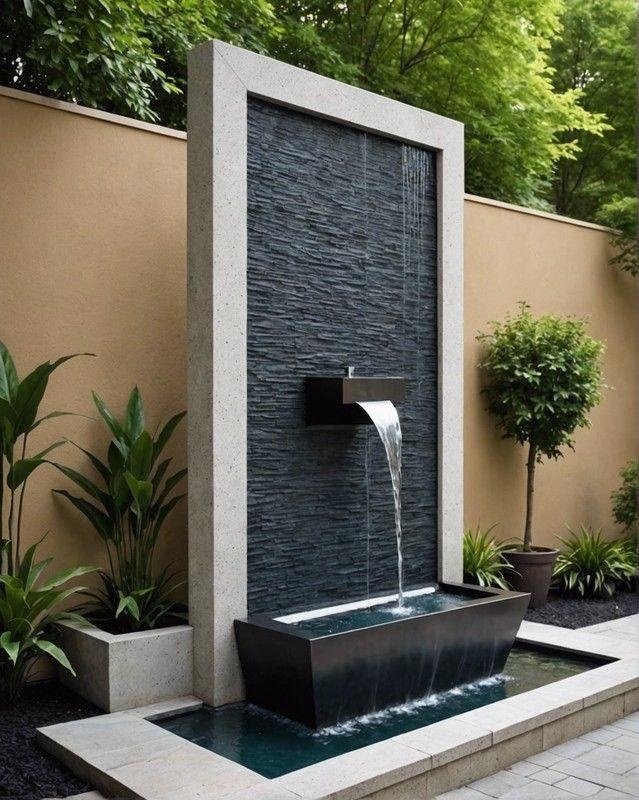
A beautiful water fountain can transform an ordinary living space into a peaceful, attractive environment. The gentle movement of water, natural reflections, and soothing sounds can make a garden, patio, or living room feel more welcoming.
However, maintaining a decorative fountain involves more than keeping it clean. One of the most common concerns is maintaining a suitable water level, particularly when a fountain operates for long periods.
Outdoor fountains naturally lose water through evaporation, wind, and splashing. Indoor fountains can also experience gradual water loss. If the reservoir becomes too low, the pump may run without enough water for proper operation and cooling.
This is where electronic water level sensor fountains for your home become useful.
An electronic water-level sensor can monitor the water inside a fountain reservoir and, when connected to an appropriate control system, trigger a warning or automatically stop the pump.
Some systems also support automatic refilling, depending on their equipment and installation.
This guide explains how electronic fountain sensors work, their advantages, different sensor types, installation considerations, maintenance requirements, and how to choose a suitable water feature for your home.
What Is an Electronic Water Level Sensor Fountain?
An electronic water-level sensor fountain is a decorative water feature equipped with technology that detects the amount of water in its reservoir.
Traditional fountains often require homeowners to check the water level manually.
A sensor-equipped fountain can help automate part of that process.
Main Components
A typical sensor-controlled fountain may contain a water reservoir, a circulation pump, connecting tubing, a level sensor, and an electrical controller.
The actual components depend on the fountain’s design.
How the System Works

The pump circulates water from the reservoir to the fountain’s outlet.
Water then flows back into the basin, creating a recirculating system.
A sensor monitors the water level. When water falls below a predetermined point, the sensor signals the controller to take an action.
Automatic Pump Protection
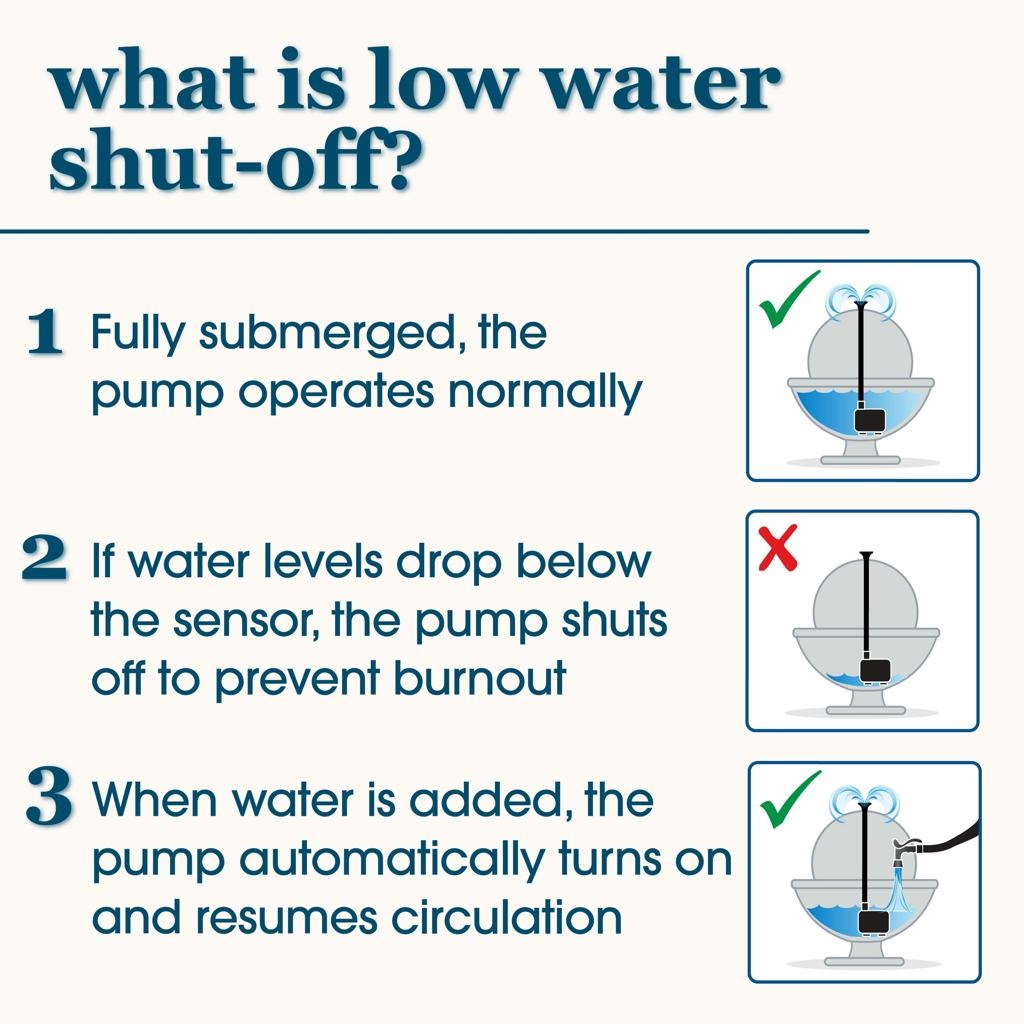
For a low-water shutoff system, the controller stops the pump when the reservoir becomes too low.
This helps reduce the risk of pump damage caused by insufficient water.
Automatic Water Refilling
Some advanced systems use a refill valve to add water when the reservoir level drops.
A basic low-water sensor does not automatically provide this function.
Why Water Level Monitoring Matters

A water fountain may look simple, but its pump depends on suitable operating conditions.
Protects the Pump
Many submersible pumps use surrounding water for cooling and normal operation.
Running without enough water can cause overheating or damage.
Reduces Manual Monitoring
A level sensor can provide an additional safeguard when homeowners forget to check the basin.
Supports Consistent Operation
Maintaining adequate water allows the fountain to circulate water as intended.
Helps Identify Water Loss
Unexpectedly frequent low-water alerts may indicate excessive splashing, evaporation, or a possible leak.
Makes Maintenance Easier
Sensors can reduce some monitoring tasks, although regular cleaning and inspection remain necessary.
How Do Electronic Water Level Sensors Work?
Different sensors detect water levels using different technologies.
Low-Level Detection
A simple sensor identifies whether water is present at a particular height.
When the level falls below this point, the system may send a signal to stop the pump.
Continuous Level Measurement
More advanced sensors measure changes across a range and can report the approximate water depth.
Control System Response
The sensor communicates with a compatible controller or integrated pump electronics.
Depending on the system, the controller may shut off power, activate an alarm, or operate a refill valve.
Restarting the Fountain
Some systems automatically restart once the water rises above a safe threshold.
Others require manual resetting.
Always check the manufacturer’s instructions because these functions are not universal.
Types of Electronic Water Level Sensors
Understanding the available technologies helps homeowners choose suitable equipment.
Float Switch Sensors
A float switch rises and falls with the water.
When it reaches a specified position, it changes an electrical switching state.
Float switches can be simple and economical but require enough room to move freely.
Conductive Water-Level Sensors
These sensors detect water by measuring electrical conductivity between appropriate electrodes.
They are used in some low-water shutoff pumps.
Mineral deposits and contamination can affect exposed sensing surfaces, making cleaning important.
Capacitive Sensors
Capacitive technology detects changes in electrical properties associated with the presence or level of liquid.
Certain designs have no moving parts, although suitability depends on container materials and water conditions.
Optical Sensors
Some compact sensors use optical principles to detect whether liquid is contacting a sensing tip.
These can be useful for specific point-level applications.
Ultrasonic Sensors
Ultrasonic sensors measure the distance to the water surface using reflected sound.
They can provide non-contact monitoring but may be less practical in small fountains where splashing and limited mounting space interfere with measurement.
Benefits of Electronic Water Level Sensor Fountains
Sensor-equipped water features offer several practical advantages.
1. Reduced Risk of Dry Running
A properly functioning low-water shutoff can stop an incompatible operating condition before the pump runs completely dry.
2. Greater Convenience
Homeowners don’t need to rely exclusively on remembering water-level inspections.
3. Useful for Outdoor Fountains
Garden fountains exposed to sunlight, wind, and seasonal weather may lose water faster than expected.
4. Better Equipment Monitoring
Alerts and shutdown behavior can help owners recognize when refilling is necessary.
5. Potentially Longer Pump Service Life
Avoiding preventable dry-running events may reduce unnecessary wear or damage.
However, no sensor can guarantee a particular pump lifespan.
6. Compatibility With Smart Controls
Some systems support monitoring and control integration, although this depends on the electronics and software provided.
Popular Fountain Styles for Your Home
Electronic monitoring can be incorporated into several decorative fountain designs.
Indoor Tabletop Fountains
Small tabletop fountains work in home offices, living rooms, and other suitable interior spaces.
A compact sensor may help protect the circulation pump when the reservoir becomes low.
Outdoor Garden Fountains
Freestanding garden fountains create attractive focal points near patios, walkways, and landscaped areas.
A suitable low-water shutoff can be especially helpful during warm weather.
Wall-Mounted Fountains
Wall fountains provide a decorative feature without occupying much floor space.
Because their reservoirs may be relatively narrow, sensor dimensions and installation clearance matter.
Tiered Stone Fountains
Multi-level fountains circulate water through different bowls.
The sensor should normally monitor the reservoir feeding the pump, rather than an upper decorative tier.
Pond and Landscape Features
Larger water features may use additional filtration, pumping, and monitoring equipment.
These systems should be designed according to their specific water volume and operational needs.
Choosing the Best Electronic Fountain Sensor
Not every sensor works with every pump or fountain design.
Consider Reservoir Size
A compact basin may need a small sensor that does not obstruct water circulation.
Check Water Compatibility
Verify whether the sensor is intended for fresh water and whether mineral deposits could affect operation.
Review Electrical Ratings
Sensor voltage and current ratings must match the controller or interface they operate.
Do not connect a low-voltage sensor directly to an incompatible mains-powered pump.
Look for Reliable Shutoff Behavior
An appropriate design should stop the pump before the water falls below the manufacturer’s minimum safe level.
Consider the Operating Environment
Outdoor equipment should be rated for relevant moisture and weather exposure.
Review Maintenance Needs
Choose equipment that can be inspected and cleaned without dismantling the entire fountain.
How to Install an Electronic Water Level Sensor Fountain
Installation varies according to the product and whether the sensor is built into the pump.
Step 1: Choose the Fountain Location
Select a stable, level surface that can support the weight of the water-filled fountain.
Keep electrical equipment away from standing water.
Step 2: Review the Instructions
Read the fountain, pump, sensor, and controller manuals before assembly.
Step 3: Position the Pump
Install the pump according to its specified minimum submersion depth and tubing arrangement.
Step 4: Position the Sensor
Place the sensor at the recommended level within the reservoir.
A float sensor must be free to move, while other sensors may require specific mounting orientations.
Step 5: Arrange Electrical Connections
Use the manufacturer’s approved connections and power supplies.
A qualified electrician should perform any required fixed electrical work.
Step 6: Fill and Test
Fill the fountain to its normal operating level.
Test the low-water protection using the manufacturer’s prescribed procedure before leaving the system in normal operation.
Step 7: Check for Leaks and Splashing
Observe the fountain during operation to ensure water returns to the reservoir as designed.
Electrical Safety for Indoor and Outdoor Fountains
Water and electrical equipment require particular caution.
Use GFCI Protection
Ground-fault circuit interrupters help reduce the risk of electric shock.
Use protection appropriate to the installation and applicable U.S. electrical codes.
Choose Properly Rated Equipment
Outdoor pumps and electrical components must be approved for their intended environment.
Protect Connections
Do not leave incompatible connectors exposed to rain or standing water.
Disconnect Before Servicing
Turn off and disconnect power as instructed before cleaning or handling pump equipment.
Avoid Improvised Wiring
Never bypass protective devices or modify electrical components without appropriate qualifications.
Electronic water-level sensing is pump protection, not a substitute for electrical shock protection.
Maintaining Your Smart Water Fountain
Electronic sensors reduce some routine tasks but do not eliminate maintenance.
Check the Water Level
Inspect the reservoir periodically, even if an automatic shutoff is installed.
Clean the Pump
Remove debris and mineral deposits according to the manufacturer’s instructions.
Inspect the Sensor
Check for dirt, scale, algae, or restrictions that could affect sensing.
Replace Water as Needed
Follow the fountain manufacturer’s recommended cleaning and refill schedule.
Prevent Biological Buildup
Standing water and contaminated fountain surfaces can create health concerns.
The CDC identifies decorative fountains as potential sources of aerosolized water containing Legionella and emphasizes regular cleaning and appropriate water treatment.
Prepare for Winter
In freezing climates, outdoor fountains may need draining and winterization.
Follow the pump manufacturer’s temperature and storage requirements.
Can You Upgrade an Existing Fountain?
Some existing fountains can be retrofitted with a compatible low-water control.
Check the Pump First
Determine whether the installed pump already includes integrated protection.
Evaluate Available Space
The reservoir needs enough room for the sensor to function correctly.
Select a Compatible Control System
The sensor and controller must support the pump’s electrical requirements.
Consider Replacing the Pump
For smaller fountains, purchasing a pump with built-in low-water protection may be simpler than modifying the existing installation.
Consult a Professional
If the project involves mains wiring, automatic plumbing connections, or custom controls, seek qualified assistance.
Electronic Sensor vs. Traditional Fountain
| Feature | Basic fountain | Sensor-controlled fountain |
|---|---|---|
| Water-level monitoring | Usually manual | Electronic detection |
| Low-water shutoff | Not necessarily included | Available on compatible systems |
| Automatic refill | Usually absent | Optional with extra components |
| Maintenance | Regular cleaning required | Regular cleaning still required |
| Initial complexity | Generally simpler | Additional electronics |
| Pump protection | Depends on pump | May reduce dry-running risk |
A sensor-equipped system offers convenience, but a simpler fountain may still be a suitable choice for someone who prefers manual monitoring.
Common Problems and Troubleshooting
Fountain Stops Unexpectedly
Check whether the low-water sensor has activated.
Confirm the reservoir level and inspect the sensor for deposits.
Pump Does Not Restart
Some pumps require a minimum water level or manual reset before restarting.
Consult the product instructions.
Sensor Gives Incorrect Readings
Mineral buildup, foam, splashing, or unsuitable mounting can affect some sensor technologies.
Water Level Drops Quickly
Examine the basin, tubing, and fountain surfaces for leaks or excessive splashing.
Pump Makes Unusual Noise
Insufficient water, trapped air, or debris may affect pump operation.
Disconnect power before inspection.
If an electrical fault is suspected, stop using the fountain until it is professionally assessed.
Frequently Asked Questions
1. What is an electronic water level sensor fountain?
It is a decorative water fountain with a sensor that detects reservoir water levels and can support automatic controls.
2. How does a fountain water-level sensor work?
It detects whether water is above or below a set point or measures the water level continuously, depending on its technology.
3. Can a water-level sensor prevent pump damage?
A compatible low-water shutoff can reduce the risk of damage caused by dry running, but cannot prevent every possible pump failure.
4. Do electronic fountain sensors automatically refill water?
Not always. Automatic refilling requires a suitable controller, valve, water supply, and safety provisions.
5. Can I install a sensor in my existing fountain?
Sometimes. Compatibility depends on the reservoir, pump, sensor, and electrical control design.
6. Are electronic water-level sensors suitable for outdoor fountains?
Yes, provided the products and installation are rated for outdoor operating conditions.
7. Do sensor-equipped fountains still need maintenance?
Yes. The reservoir, pump, sensor, and fountain surfaces require regular inspection and cleaning.
8. Are electronic water-level fountains expensive?
Cost depends on the fountain size, sensor technology, pump design, controller features, and installation requirements.
Conclusion
Electronic water level sensor fountains for your home combine decorative appeal with useful monitoring technology.
Whether installed indoors, on a patio, or within a landscaped garden, an electronic sensor can help detect when the reservoir becomes too low.
When connected to a suitable control system, it can automatically stop the pump and reduce the risk of damage from insufficient water.
However, choosing the correct equipment is essential. Consider reservoir dimensions, sensor compatibility, electrical safety, maintenance access, and the fountain’s operating environment.
A well-designed water feature still requires routine cleaning, safe water management, and periodic equipment checks.
By selecting a suitable fountain and following manufacturer instructions, homeowners can enjoy the appearance and sound of flowing water with greater convenience and confidence.

Written by Twastia Editorial Team
Twastia Editorial Team shares practical insights about website design, SEO services, Google Ads, content marketing, social media, conversion rate optimization, and digital marketing strategy.
Last updated: Oct 29, 2026
Related posts from Twastia
Explore more useful articles from twastia.com about digital marketing, SEO, websites, ads, content, and growth strategy.