Signs of Opioid Overdose: Warning Symptoms & What to Do
An opioid overdose can happen suddenly, and recognizing the warning signs may mean the difference between life and death. Whether […]
An opioid overdose can happen suddenly, and recognizing the warning signs may mean the difference between life and death. Whether someone has taken prescription pain medication, heroin, fentanyl, or another opioid, an overdose can interfere with the body’s ability to breathe.
The most dangerous symptoms are not always dramatic. A person may simply appear to be sleeping deeply, breathing unusually slowly, or making unfamiliar snoring sounds.
Unfortunately, waiting to see whether they recover naturally can have devastating consequences.
Understanding the signs of opioid overdose is essential for families, caregivers, healthcare workers, and anyone who may encounter an opioid-related emergency.
According to the Centers for Disease Control and Prevention (CDC), a suspected overdose should be treated immediately, even when the exact substance involved is unknown.
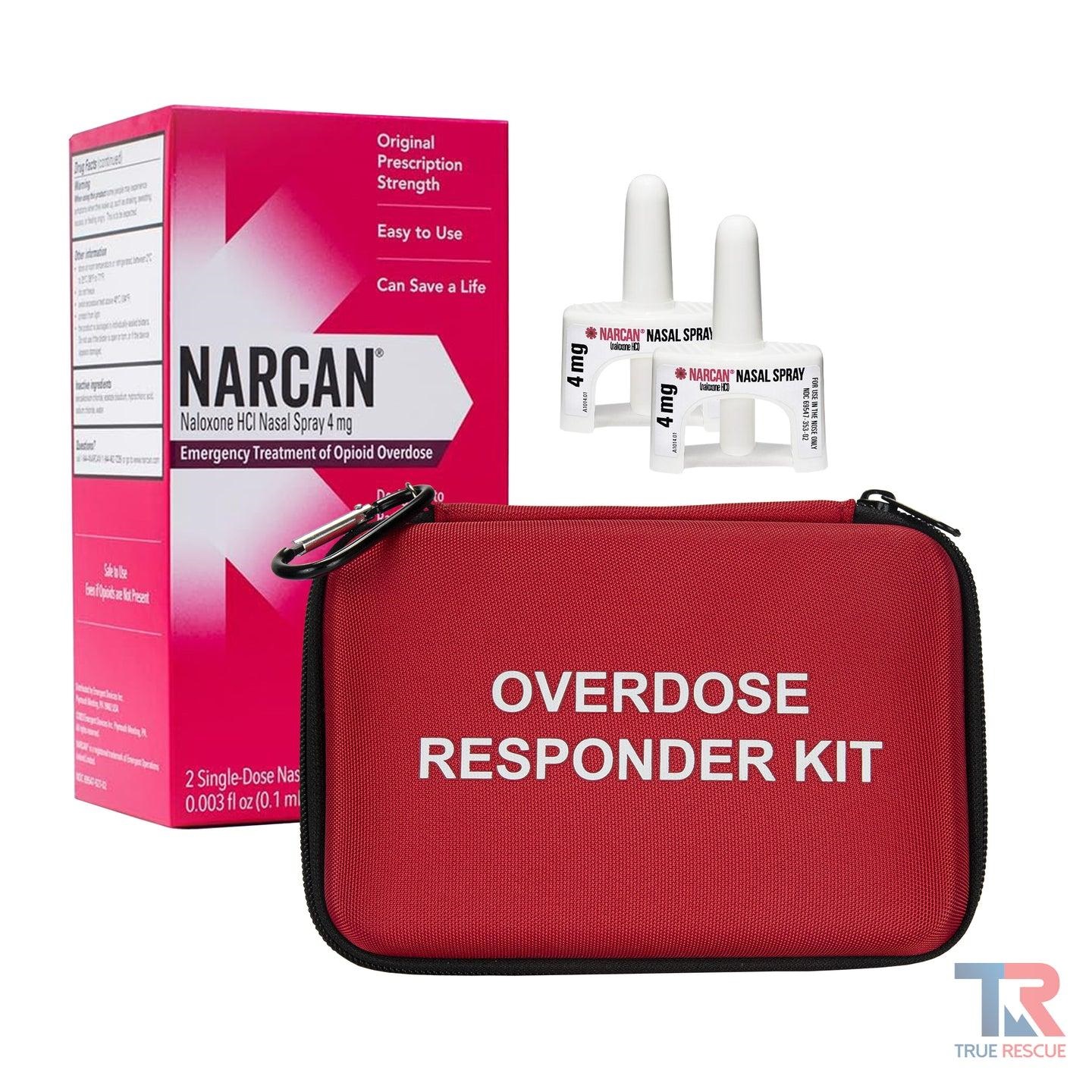
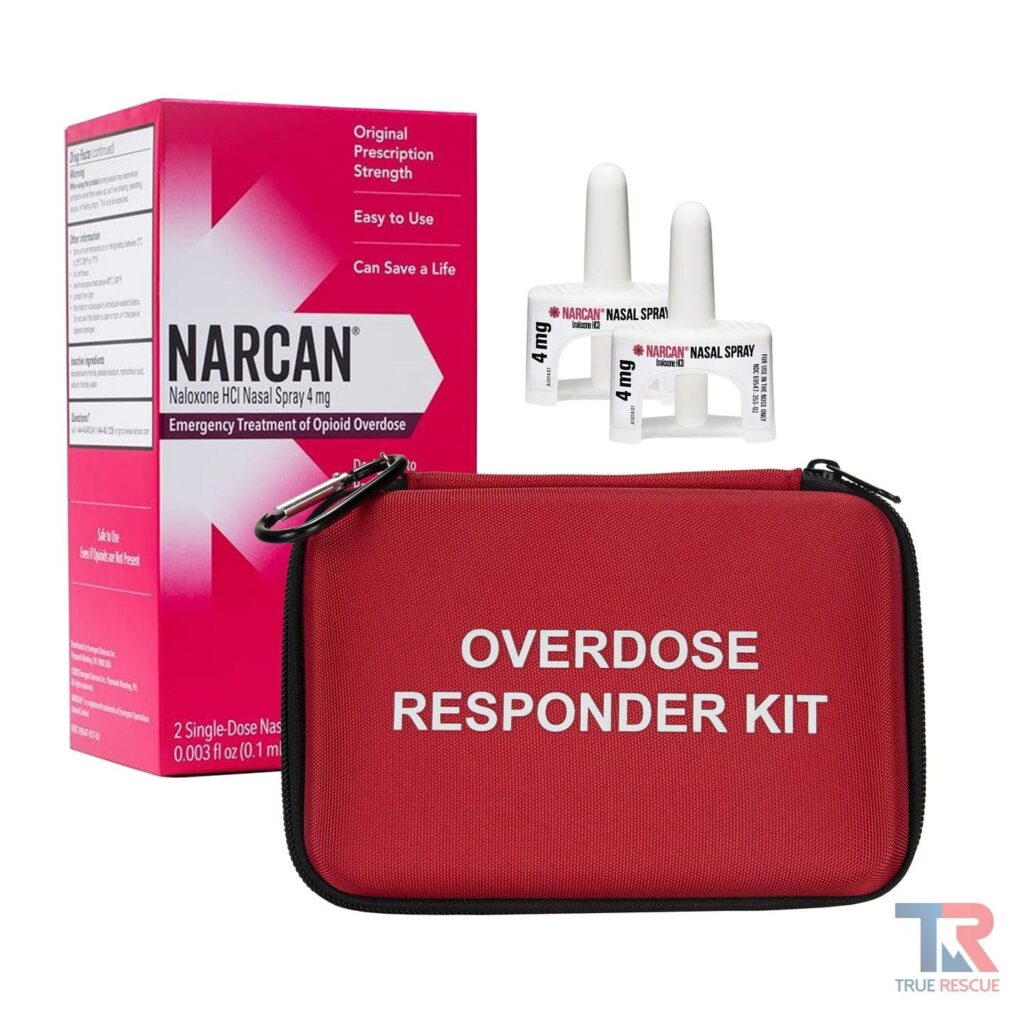
Naloxone, commonly recognized by the brand name Narcan, can rapidly reverse the effects of opioid overdose and restore breathing. However, emergency medical assistance remains necessary.
This guide explains the most important symptoms, how opioids affect breathing, what to do during an emergency, and practical ways to reduce future overdose risks.
What Is an Opioid Overdose?
An opioid overdose occurs when opioid drugs overwhelm the body’s ability to maintain essential functions, particularly normal breathing.
Opioids attach to receptors in the brain and nervous system. These substances may reduce pain, produce sedation, and slow respiratory activity.
Examples include prescription medications such as oxycodone, hydrocodone, morphine, and fentanyl, as well as illicitly manufactured opioids and heroin.
When opioid effects become excessive, breathing can become dangerously slow or stop completely.
Without sufficient oxygen, the brain and other organs can suffer serious damage.
An untreated overdose can be fatal.
Can Prescription Opioids Cause an Overdose?
Yes. Overdoses can occur with prescription medications, particularly when doses are taken incorrectly or combined with other substances that cause sedation.
Risk can increase when opioids are mixed with alcohol, benzodiazepines, or other central nervous system depressants.
An overdose does not automatically mean someone has an opioid use disorder.
Accidental medication errors and unexpected exposure to powerful opioids can also cause medical emergencies.
7 Critical Signs of Opioid Overdose
Overdose symptoms vary depending on the substance, amount taken, and individual health factors.
Some people display several warning signs, while others develop life-threatening breathing problems without every classic symptom.
1. Slow, Shallow, or Stopped Breathing
Abnormal breathing is one of the most important overdose warning signs.
A person may take unusually slow breaths, struggle to breathe, or stop breathing altogether.
Breathing might also become irregular, with long pauses between breaths.
Opioids can suppress the brain signals responsible for maintaining normal respiration.
If breathing is abnormal and an opioid overdose is possible, seek emergency assistance immediately.
2. Unconsciousness or Inability to Wake Up
Someone experiencing an overdose may become extremely drowsy or lose consciousness.
They might not respond when spoken to loudly or gently stimulated.
This is particularly concerning when accompanied by slow breathing.
Never assume that an unresponsive person is simply sleeping off the effects of a substance.
If they cannot be awakened, treat the situation as a medical emergency.
3. Pinpoint Pupils
Very small, constricted pupils are a commonly recognized sign of opioid effects.
During an overdose, the pupils may remain unusually small even when lighting conditions change.
However, pupil appearance alone cannot confirm or exclude an overdose.
Some people may not display pinpoint pupils, particularly when multiple substances are involved.
Do not delay emergency care while examining someone’s eyes.
4. Blue, Gray, or Discolored Lips and Fingernails
Insufficient oxygen may cause visible skin discoloration.
Lips or fingernails can appear bluish, gray, or unusually pale.
The appearance may differ depending on skin tone.
In people with darker skin, changes may be easier to notice around the lips, gums, or nail beds.
Skin discoloration is a serious warning sign, but it may not appear immediately.
Never wait for a color change before responding to abnormal breathing.
5. Gurgling, Choking, or Unusual Snoring Sounds
A person experiencing an opioid overdose may make gurgling or choking noises.
These sounds can indicate that breathing is obstructed or severely impaired.
Unusual snoring from someone who cannot be awakened should not be dismissed as normal sleep.
Pay particular attention when these sounds occur alongside extreme drowsiness or an inability to respond.
6. Limp Body and Severe Weakness
During an overdose, the person may lose normal muscle tone.
Their body may appear limp, and they may be unable to sit upright, maintain their posture, or respond normally.
This can occur as consciousness and breathing deteriorate.
Severe weakness combined with other symptoms requires urgent evaluation.
7. Cold or Clammy Skin
Some people experiencing an overdose develop cold, pale, or clammy skin.
They may also experience vomiting or other signs of distress.
However, these symptoms are not specific to opioid poisoning.
Their absence does not mean a person is safe.
The most urgent concerns remain unresponsiveness and abnormal breathing.
Opioid Overdose vs. Normal Sleep: How to Tell the Difference
One of the most dangerous mistakes is assuming that a heavily sedated person is simply sleeping.
Someone who is asleep normally continues breathing and can usually be awakened.
A person experiencing an overdose may be impossible to wake, breathe irregularly, or make concerning choking sounds.
Check Responsiveness and Breathing
Call out to the person and check whether they respond.
Observe whether their breathing appears normal.
If they cannot be awakened or are not breathing normally, call 911 immediately.
If an opioid overdose is suspected, administer naloxone if available.
You do not need to identify the exact drug before taking these actions.
What to Do if Someone Shows Signs of Opioid Overdose
An overdose is a time-sensitive medical emergency.
Taking prompt, appropriate action can help preserve breathing until emergency professionals arrive.
Step 1: Call 911 Immediately
Contact emergency services as soon as you suspect an overdose.
Tell the dispatcher the person’s location, responsiveness, and breathing condition.
Follow the instructions provided.
If another person is present, ask them to contact emergency services while you obtain naloxone.
Do not delay the call while attempting to determine exactly which substance was taken.
Step 2: Administer Naloxone if Available
Naloxone is a medication that reverses the effects of opioids.
It can be provided through a nasal spray or injection, depending on the product.
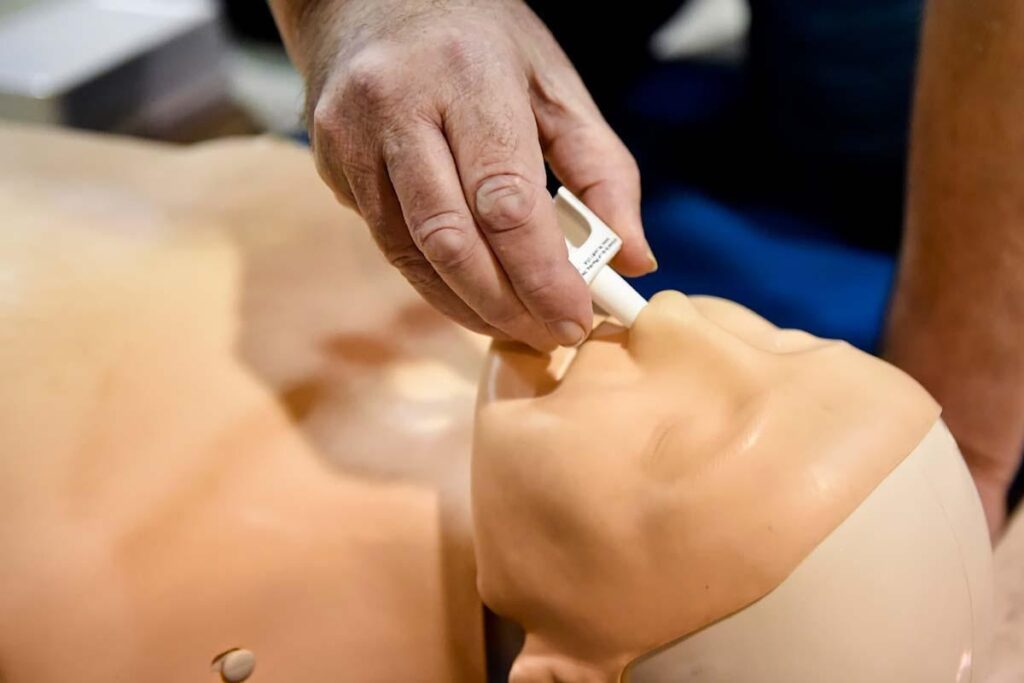
For a common single-use nasal spray, place the device into a nostril and press the plunger as directed by the manufacturer’s instructions.
Naloxone is considered safe to administer when an opioid overdose is suspected, even if another condition is ultimately responsible.
If breathing does not improve after approximately two to three minutes, give another dose using a new device, following product instructions and emergency guidance.
Additional doses may be necessary.
Step 3: Support Breathing and Follow CPR Instructions
If the person is not breathing normally, follow the emergency dispatcher’s instructions for CPR and rescue breathing.
Trained responders should provide appropriate resuscitation according to current guidance.
Breathing support is particularly important because opioid overdose primarily threatens oxygen delivery.
Do not delay resuscitation while waiting for naloxone to work.
Step 4: Place a Breathing Person on Their Side
If the person is breathing normally but remains unconscious, place them in the recovery position on their side when safe to do so.
This can help reduce the risk of choking if vomiting occurs.
Continue monitoring breathing and responsiveness.
If breathing stops or becomes abnormal, follow emergency instructions immediately.
Step 5: Stay Until Emergency Help Arrives
Never leave someone alone following a suspected overdose.
Even if naloxone restores breathing and the person appears alert, opioid effects may return after the medication wears off.
Emergency medical professionals need to evaluate the person and determine whether further treatment or monitoring is necessary.
What Should You Never Do During an Overdose?
Certain responses can waste valuable time or increase the risk of harm.
Do not try to make the person vomit.
Avoid giving them food, drinks, alcohol, or additional drugs.
Do not place the person in a cold shower or attempt to make them walk around.
Never assume that shaking someone, making loud noises, or allowing them to sleep will reverse an overdose.
Naloxone, emergency medical assistance, and appropriate breathing support are the priorities.
Why Fentanyl Increases Opioid Overdose Risks
Fentanyl is a powerful synthetic opioid used medically for certain types of pain management and anesthesia.
Illicitly manufactured fentanyl also appears in the unregulated drug supply.
Because fentanyl is highly potent, exposure can result in rapid, dangerous respiratory suppression.
Counterfeit Pills and Unexpected Exposure
Illicitly manufactured pills may resemble legitimate prescription medications while containing fentanyl or other unexpected substances.
Appearance cannot reliably establish what’s inside a pill.
People may therefore experience opioid poisoning without knowing they have taken an opioid.
Can Naloxone Reverse a Fentanyl Overdose?
Yes. Naloxone can reverse respiratory depression caused by fentanyl.
However, additional doses may be needed in some cases.
Immediate administration, emergency medical care, and breathing support remain critical.
Who Is at Greater Risk of Opioid Overdose?
Anyone exposed to opioids can experience an overdose, although certain circumstances increase the risk.
Combining Opioids With Other Sedatives
Alcohol, benzodiazepines, and other sedating medications can intensify breathing suppression.
Combining these substances is especially dangerous without appropriate medical supervision.
Reduced Opioid Tolerance
Tolerance can decline after a period without opioid use.
Someone returning to a previously tolerated amount after hospitalization, incarceration, detoxification, or abstinence may face substantially increased overdose risk.
Previous Overdose History
A previous overdose is an important warning sign for future overdose risk.
Individuals who have survived an overdose should be offered appropriate medical assessment, prevention resources, and access to treatment when indicated.
Unpredictable Drug Potency
Unregulated substances may contain unexpected opioids or widely varying concentrations.
This unpredictability makes it difficult for someone to know what they are taking.
How to Prevent Opioid Overdose
Prevention requires practical measures tailored to the individual’s circumstances.
Keep Naloxone Accessible
People at increased risk of overdose, and those who spend time with them, can benefit from having naloxone readily available.
FDA-approved naloxone nasal spray products are available over the counter in the United States.
Pharmacies, health departments, and community programs may provide additional access.
Use Prescription Opioids as Directed
Take opioid medications only according to the prescribing clinician’s instructions.
Never share prescription opioids or combine them with alcohol or sedatives without professional guidance.
Keep medications secured and away from children or others for whom they were not prescribed.
Seek Evidence-Based Treatment
Opioid use disorder is a treatable medical condition.
Medications such as buprenorphine and methadone are evidence-based treatments that can reduce overdose risk.
Behavioral support, appropriate medical care, and continuing treatment can help people manage recovery.
Treatment should be individualized rather than based on shame or punishment.
Getting Help After an Opioid Overdose
Surviving an overdose can be an important opportunity to connect someone with continuing healthcare.
Emergency stabilization comes first.
Afterward, clinicians may discuss treatment options, access to naloxone, and strategies to reduce future overdose risk.
People looking for additional educational information can explore The Hope House’s resource on the signs of opioid overdose.
The resource discusses overdose symptoms, naloxone, risk factors, and addiction treatment.
However, addiction treatment services should not be substituted for emergency medical care during an active overdose.
For support locating treatment in the United States, visit FindTreatment.gov, a federal resource for finding substance use and mental health services.
Frequently Asked Questions About Opioid Overdose
What are the first signs of opioid overdose?
Common warning signs include unusual drowsiness, slowed breathing, difficulty waking up, and abnormal snoring or gurgling sounds. Symptoms may progress rapidly, so seek emergency help when overdose is suspected.
What are the three most recognizable opioid overdose symptoms?
The classic signs are severely reduced consciousness, slow or stopped breathing, and pinpoint pupils. However, not everyone experiences all three symptoms.
Can someone survive an opioid overdose without naloxone?
Survival is possible, but an untreated overdose can quickly cause severe brain injury or death. Never wait for spontaneous recovery. Call 911 and provide appropriate emergency assistance.
How quickly does naloxone work?
Naloxone often begins reversing opioid effects within minutes. Additional doses may be necessary if breathing does not improve. Continue following emergency instructions.
Can an overdose happen from prescription painkillers?
Yes. Prescription opioids can cause overdose, especially when taken incorrectly or combined with other sedatives. Even people taking prescribed medication should understand potential risks.
What should I do after giving naloxone?
Remain with the person, monitor their breathing, follow dispatcher instructions, and wait for emergency medical responders. Further treatment is necessary because overdose symptoms may return.
Is opioid addiction treatment effective?
Yes. Evidence-based treatments, including medications for opioid use disorder, can reduce overdose risk and improve outcomes. Individual treatment plans should be developed with qualified healthcare professionals.
Conclusion: Recognizing Opioid Overdose Can Save a Life
An opioid overdose is a serious medical emergency, but prompt intervention can prevent otherwise avoidable deaths.
Understanding the signs of opioid overdose helps families, friends, and communities recognize when someone needs immediate assistance.
The most urgent symptoms include abnormal breathing, unconsciousness, unusual choking sounds, and changes in skin color.
If an overdose is suspected, call 911, administer naloxone when available, follow emergency resuscitation instructions, and remain with the person until help arrives.
Prevention is equally important.
Improving access to naloxone, using prescription medications safely, recognizing high-risk situations, and supporting evidence-based addiction treatment can all help reduce harm.
Most importantly, responding with urgency and compassion can give someone a better chance of surviving an overdose and receiving the continued care they need.

Written by Twastia Editorial Team
Twastia Editorial Team shares practical insights about website design, SEO services, Google Ads, content marketing, social media, conversion rate optimization, and digital marketing strategy.
Last updated: Oct 9, 2026
Related posts from Twastia
Explore more useful articles from twastia.com about digital marketing, SEO, websites, ads, content, and growth strategy.