Purchasing a Multifamily Home: Complete Investment Guide for 2026
Investing in real estate can create opportunities for rental income, long-term equity growth, and portfolio diversification. However, buying an investment […]
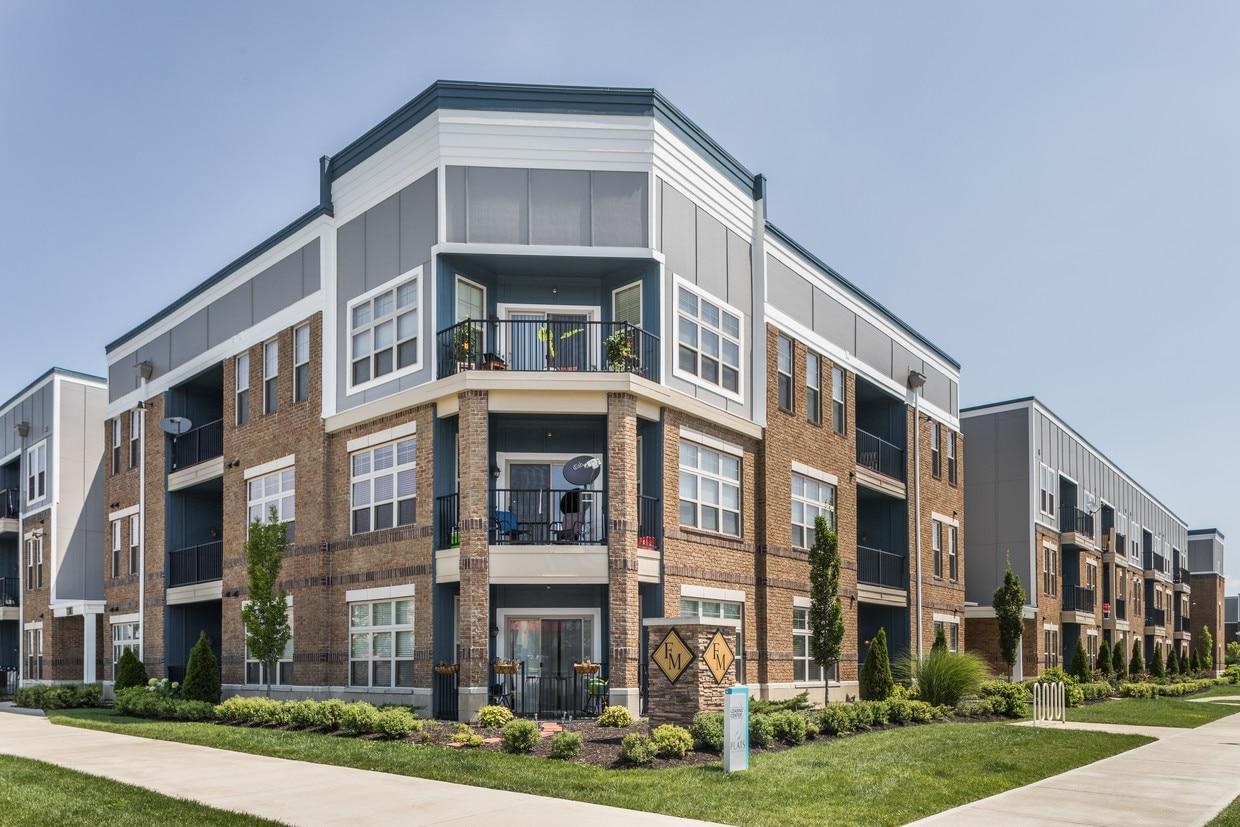
Investing in real estate can create opportunities for rental income, long-term equity growth, and portfolio diversification. However, buying an investment property requires more preparation than simply finding an attractive house and securing a mortgage.
For many American investors, purchasing a multifamily home offers an interesting alternative to traditional single-family ownership. Instead of relying on one household for rental income, multifamily properties contain multiple residential units within a single building or development.
These properties range from modest duplexes to large apartment communities.
Whether you’re considering your first duplex or exploring professionally managed apartment investments, understanding financing, property performance, and ownership responsibilities is essential.
This guide explains how multifamily investments work, how to evaluate potential purchases, what financing options may be available, and which risks deserve careful attention in 2026.
What Is a Multifamily Home?

A multifamily property is a residential building or development containing more than one separate dwelling unit.
Each unit generally provides independent living accommodations, although the property’s layout and legal classification can vary.
Duplex, Triplex, and Fourplex Properties

A duplex contains two residential units, while a triplex has three and a fourplex has four.
These smaller properties are often attractive to first-time investors because they may qualify for residential mortgage programs.
Larger Apartment Buildings
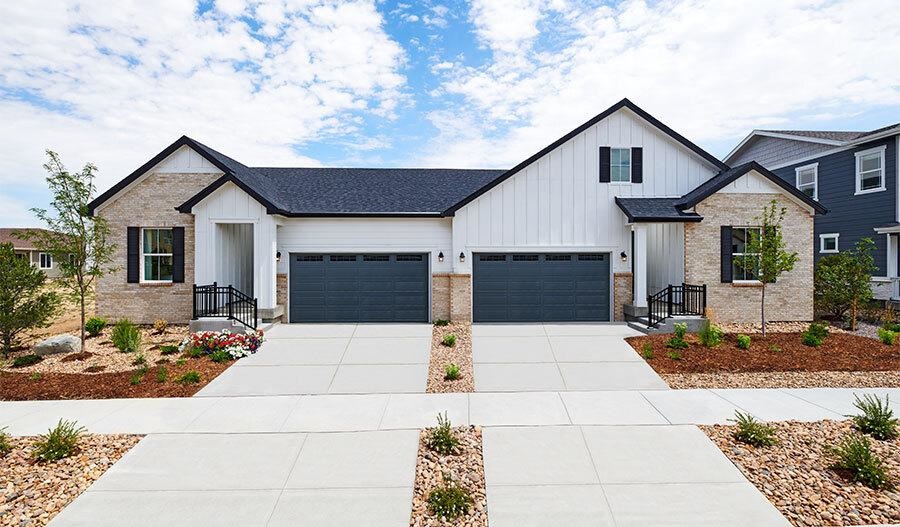
Properties containing five or more residential units typically fall within commercial multifamily financing categories.
They may require specialized underwriting, larger reserves, and more extensive property management.
The correct financing classification depends on the lender and property’s characteristics.
Why Invest in Multifamily Real Estate?
Multiple Sources of Rental Income
A multifamily property can generate rent from several households.
If one unit becomes vacant, other occupied units may continue generating revenue.
However, multiple units do not eliminate vacancies or guarantee positive cash flow.
Potential Long-Term Equity Growth
Owners may build equity by reducing mortgage principal and benefiting from favorable property value changes.
Property values can also decline, so appreciation should never be treated as certain.
Shared Building Expenses
Several rental units may share a roof, foundation, landscaping, and utility infrastructure.
This can create operational efficiencies compared with owning multiple detached properties, although repairs to shared systems may be expensive.
Opportunities to Improve Performance
Well-planned improvements, effective leasing, and responsible expense management may increase a property’s net operating income.
Success depends on acquisition price, local demand, operating costs, and execution.
Choosing the Right Multifamily Property
The ideal investment depends on your financial resources, experience, and willingness to manage tenants.
Duplexes for Beginning Investors
A duplex can provide a manageable introduction to rental property ownership.
Some buyers occupy one unit and rent the other, an approach commonly called house hacking.
Triplexes and Fourplexes
Three- and four-unit buildings can offer additional rental revenue and greater operating complexity.
Buyers should examine the condition and income potential of every unit separately.
Large Multifamily Communities
Larger apartment communities may benefit from professional management and more sophisticated operations.
However, acquisitions often involve commercial lending, detailed financial analysis, and experienced operating teams.
Financing a Multifamily Home in 2026
Financing depends heavily on whether you intend to live in the property or operate it exclusively as an investment.
FHA Loans for Owner-Occupants
The Federal Housing Administration insures eligible mortgages for properties containing one to four units.
Qualified borrowers may obtain financing with a down payment as low as 3.5%.
The borrower must meet the program’s occupancy requirements and other eligibility conditions.
For three- and four-unit properties, FHA underwriting includes an additional rental-income self-sufficiency test.
Conventional Mortgage Options
Certain eligible owner-occupied two- to four-unit purchases may qualify for conventional financing with a 5% down payment under applicable Fannie Mae programs.
Actual qualification depends on credit, income, underwriting, reserves, property characteristics, and lender requirements.
Investment-only purchases usually have different financing conditions.
Commercial Multifamily Financing
Buildings with five or more units often require commercial mortgages.
Lenders may examine net operating income, debt-service coverage, property condition, and borrower experience.
Loan terms and down payment requirements vary substantially.
Calculate the True Cost Before Buying
The purchase price is only one part of your investment budget.
Initial Acquisition Expenses
Buyers may need funds for a down payment, inspections, appraisal, legal services, loan fees, title work, and closing costs.
The Consumer Financial Protection Bureau estimates typical residential mortgage closing costs at approximately 2% to 5% of the purchase price, excluding the down payment.
Commercial transactions can have different cost structures.
Ongoing Ownership Expenses
Include property taxes, insurance, maintenance, utilities paid by the owner, landscaping, management, and vacancy-related expenses.
Budget separately for major capital replacements such as roofs and heating systems.
Maintaining cash reserves can help avoid financial stress when repairs or vacancies occur.
How to Calculate Multifamily Rental Income
A profitable-looking property may produce disappointing returns if the numbers are unrealistic.
Start with the potential rental income from every unit.
Gross Potential Rental Income
Multiply the expected monthly rent by the number of units and 12 months.
Then account for vacancy, nonpayment, and realistic collection losses.
Net Operating Income
Net operating income, or NOI, generally equals effective property income minus ordinary operating expenses.
Debt payments, income taxes, and many capital expenditures are excluded from NOI.
Capitalization Rate
The capitalization rate, commonly called the cap rate, compares annual NOI with the property’s purchase price or market value.
The formula is:
Cap Rate = Annual NOI ÷ Property Value × 100
This measure can help compare property pricing, but it doesn’t account for mortgage financing or an investor’s individual tax situation.
Multifamily Investment Calculation Example
Consider a hypothetical fourplex purchased for $600,000.
Each unit rents for $1,500 per month.
The property generates potential annual rental income of $72,000.
Assume a 5% vacancy and collection allowance, reducing expected income to $68,400.
If annual operating expenses total $26,000, the projected NOI would be $42,400.
Dividing $42,400 by the purchase price produces a cap rate of approximately 7.1%.
Now assume annual loan payments total $36,000.
That leaves approximately $6,400 before additional capital expenditures, financing-related costs not already included, and investor-level taxes.
This hypothetical example demonstrates why a positive cap rate doesn’t necessarily mean substantial cash flow.
Real transactions require more detailed financial modeling and verification.
Research the Local Rental Market
Location influences tenant demand, rent levels, vacancy rates, and operating expenses.
Employment and Economic Conditions
Investigate major employers, local job stability, population trends, and housing construction.
A market dependent on one employer may carry additional concentration risk.
Comparable Rental Properties
Compare similar units within the same neighborhood.
Consider square footage, amenities, building condition, parking, and rental concessions.
Don’t rely exclusively on the seller’s projected market rents.
Neighborhood and Property Conditions
Evaluate transportation access, nearby services, local zoning, and environmental concerns.
Consider flood risk, insurance costs, and potential changes in property taxation.
Essential Due Diligence Before Purchasing
Careful due diligence can uncover issues that significantly change a property’s value.
Review Financial Records
Request rent rolls, existing leases, operating statements, security deposit records, and historical maintenance expenses.
Compare the seller’s statements with supporting documentation.
Inspect Building Systems
Have qualified professionals examine roofing, foundations, plumbing, electrical installations, heating systems, and structural conditions.
Older properties may need substantial repairs.
Verify Legal Compliance
Confirm legal unit counts, zoning, permits, and applicable rental licensing requirements.
Review local safety standards and landlord obligations.
Check Tenancy Conditions
Examine lease terms, rent-payment histories, outstanding disputes, and relevant tenant protections.
Existing leases can affect a buyer’s plans after closing.
Step-by-Step Guide to Purchasing a Multifamily Home
Step 1: Define Your Investment Goals
Decide whether your priority is rental cash flow, future appreciation, owner-occupied housing, or a combination.
Step 2: Establish Financing
Speak with lenders experienced in the relevant property type.
Obtain realistic estimates for borrowing capacity, closing expenses, and reserves.
Step 3: Identify Suitable Properties
Work with a knowledgeable real estate professional and evaluate listings against your investment criteria.
Step 4: Analyze Financial Performance
Calculate expected income, operating expenses, debt payments, and capital improvement needs.
Stress-test the numbers against lower occupancy and unexpected repairs.
Step 5: Complete Inspections and Due Diligence
Confirm financial records, building conditions, tenant information, and legal compliance.
Step 6: Review the Purchase Agreement
Have appropriate professionals examine contingencies, deadlines, title matters, and closing arrangements.
Step 7: Plan Property Operations
Prepare leasing procedures, maintenance systems, reserve accounts, and tenant communication processes before taking ownership.
Exploring Multifamily Investing With Carbon
Investors researching purchasing a multifamily home may also encounter Carbon, a U.S.-based multifamily investment operator.
Unlike a traditional residential brokerage selling individual duplexes, Carbon focuses on acquiring, renovating, and managing larger apartment communities.
Carbon’s Investment Strategy
The company describes itself as a vertically integrated owner-operator specializing in Class B and C workforce housing across the Sun Belt.
Its strategy combines acquisition, construction management, leasing, property management, and asset management.
Carbon states that it uses in-house teams and proprietary technology to coordinate these activities.
Current Portfolio
As of its published third-quarter 2026 portfolio update, Carbon reports 14 apartment communities with approximately 2,500 units across Alabama, Arkansas, Florida, Georgia, and Texas.
Its website reports approximately $400 million in assets under management.
These figures are company-reported and should not be interpreted as independently verified investment performance.
Investing Alongside Carbon
The company’s website directs prospective participants toward opportunities available to verified accredited investors.
This involves a different ownership structure from purchasing a duplex directly.
Prospective investors should review offering documents, fees, projected returns, liquidity restrictions, and relevant risks before committing capital.
Direct Ownership vs. Passive Multifamily Investing
Direct ownership gives investors greater responsibility for property decisions, financing, tenants, and maintenance.
It may offer more control but also requires substantial time and financial involvement.
Passive multifamily investing typically involves providing capital to a professionally managed real estate investment.
The sponsor manages the underlying business, while investors hold an interest under the applicable offering structure.
However, passive investments may involve substantial fees, limited control, uncertain distributions, and restrictions on selling an ownership interest.
Neither approach guarantees investment returns.
Understanding Multifamily Property Risks
Vacancy and Nonpayment
Rental revenue can decline when units are vacant or tenants fail to pay.
Unexpected Repairs
Major building systems may require expensive replacements.
Interest Rate and Refinancing Risk
Changing rates can increase financing costs, particularly for loans requiring refinancing.
Market Value Changes
Lower rents, higher expenses, or unfavorable market conditions may reduce property values.
Private Investment Liquidity
Syndicated or privately offered investments can be difficult to sell before the intended holding period ends.
The SEC warns that private placements may expose investors to significant losses, limited disclosure, and substantial illiquidity.
Property Management and Landlord Responsibilities
Managing multifamily housing requires consistent tenant communication, rent collection, maintenance coordination, and accurate financial records.
Owners must also comply with applicable federal, state, and local housing laws.
The federal Fair Housing Act prohibits certain forms of discrimination in rental housing.
Professional property management may reduce daily administrative demands, but owners should still monitor expenses, performance, and legal compliance.
Tax Considerations for Multifamily Property Owners
Rental property ownership may create deductible expenses and depreciation benefits, subject to applicable tax rules.
The IRS generally provides a 27.5-year depreciation recovery period for qualifying residential rental buildings under the standard General Depreciation System.
Land itself is not depreciable.
Tax treatment may differ for partnerships, passive investments, improvements, and individual ownership arrangements.
Consult a qualified tax professional before relying on expected deductions or projected tax savings.
Frequently Asked Questions About Multifamily Home Purchases
Is Purchasing a Multifamily Home a Good Investment?
It can be, but success depends on acquisition price, rental demand, financing, operating expenses, and management quality. Returns aren’t guaranteed.
Can I Buy a Duplex With an FHA Loan?
Eligible borrowers may purchase a qualifying owner-occupied duplex using FHA financing. Occupancy and underwriting requirements apply.
How Much Down Payment Do I Need?
Requirements vary. Eligible FHA owner-occupants may qualify with 3.5% down, while certain conventional programs permit 5% down on qualifying two- to four-unit purchases.
What Is the Difference Between a Duplex and an Apartment Building?
A duplex has two residential units. Larger apartment buildings contain multiple units and may require commercial financing.
What Is a Good Cap Rate for Multifamily Property?
There is no universally good cap rate. Appropriate returns depend on location, asset quality, financing conditions, growth assumptions, and investment risks.
Can I Live in One Unit and Rent the Others?
Yes, when allowed by the property and applicable financing arrangements. This strategy is commonly known as house hacking.
Does Carbon Sell Individual Multifamily Homes?
Carbon primarily describes itself as an owner-operator of larger workforce-housing apartment communities and offers investment opportunities to verified accredited investors.
Is Passive Multifamily Investing Risk-Free?
No. Investors may face market losses, illiquidity, sponsor-related risks, and uncertain distributions.
Conclusion: Make Smarter Multifamily Investment Decisions
Purchasing a multifamily home can provide opportunities for rental income, equity growth, and long-term real estate ownership.
However, careful financial analysis is essential.
The strongest investment decisions begin with realistic rental assumptions, complete due diligence, appropriate financing, and sufficient financial reserves.
Whether you choose direct ownership of a duplex or explore professionally operated apartment investments, understand both the potential benefits and the responsibilities involved.
By focusing on property fundamentals rather than optimistic projections, you can approach multifamily real estate investing with greater confidence and a clearer long-term strategy.

Written by Twastia Editorial Team
Twastia Editorial Team shares practical insights about website design, SEO services, Google Ads, content marketing, social media, conversion rate optimization, and digital marketing strategy.
Last updated: Oct 15, 2026
Related posts from Twastia
Explore more useful articles from twastia.com about digital marketing, SEO, websites, ads, content, and growth strategy.