Gulvkanonen.dk: Best Guide to Hardwood Floor Sanding and Refinishing
Hardwood floors bring warmth, natural beauty, and timeless character to a home. However, everyday foot traffic, furniture movement, moisture, and […]
Hardwood floors bring warmth, natural beauty, and timeless character to a home. However, everyday foot traffic, furniture movement, moisture, and years of use can leave wooden surfaces scratched, faded, or uneven. Fortunately, professional floor restoration can often renew worn floors without requiring complete replacement.
Gulvkanonen.dk is the website of a Danish flooring company specializing in hardwood floor sanding, refinishing, and restoration. The business serves residential and commercial customers in Denmark, including Copenhagen and Amager.
For American homeowners interested in European flooring techniques, the company’s approach offers a useful example of how professional sanding and carefully selected finishes can improve the appearance and functionality of existing wooden floors.
Rather than replacing every damaged floor, professional restoration involves evaluating the wood, removing worn surface layers when appropriate, and applying a suitable protective treatment.
This guide explores Gulvkanonen.dk, its flooring services, the sanding process, finishing options, restoration costs, and practical maintenance advice. It also explains what U.S. homeowners can learn from Scandinavian approaches to hardwood flooring.
What Is Gulvkanonen.dk?
Gulvkanonen.dk is the official website of Gulvkanonen, a Danish company specializing in wooden floor sanding and surface treatments.
According to its company information, Gulvkanonen has more than ten years of industry experience and works with both private homeowners and business customers.
The company identifies Herlev, near Copenhagen, as its headquarters and also serves customers in other parts of Denmark.
Gulvkanonen
Its services include floor sanding, floor planing, refinishing, staircase restoration, and selected additional wood-surface treatments.
The company also offers options involving lacquer, oil, lye, and soap-based finishes.
Although Gulvkanonen operates in Denmark rather than the United States, its restoration methods are relevant to homeowners evaluating professional hardwood floor care.
Understanding Professional Hardwood Floor Sanding
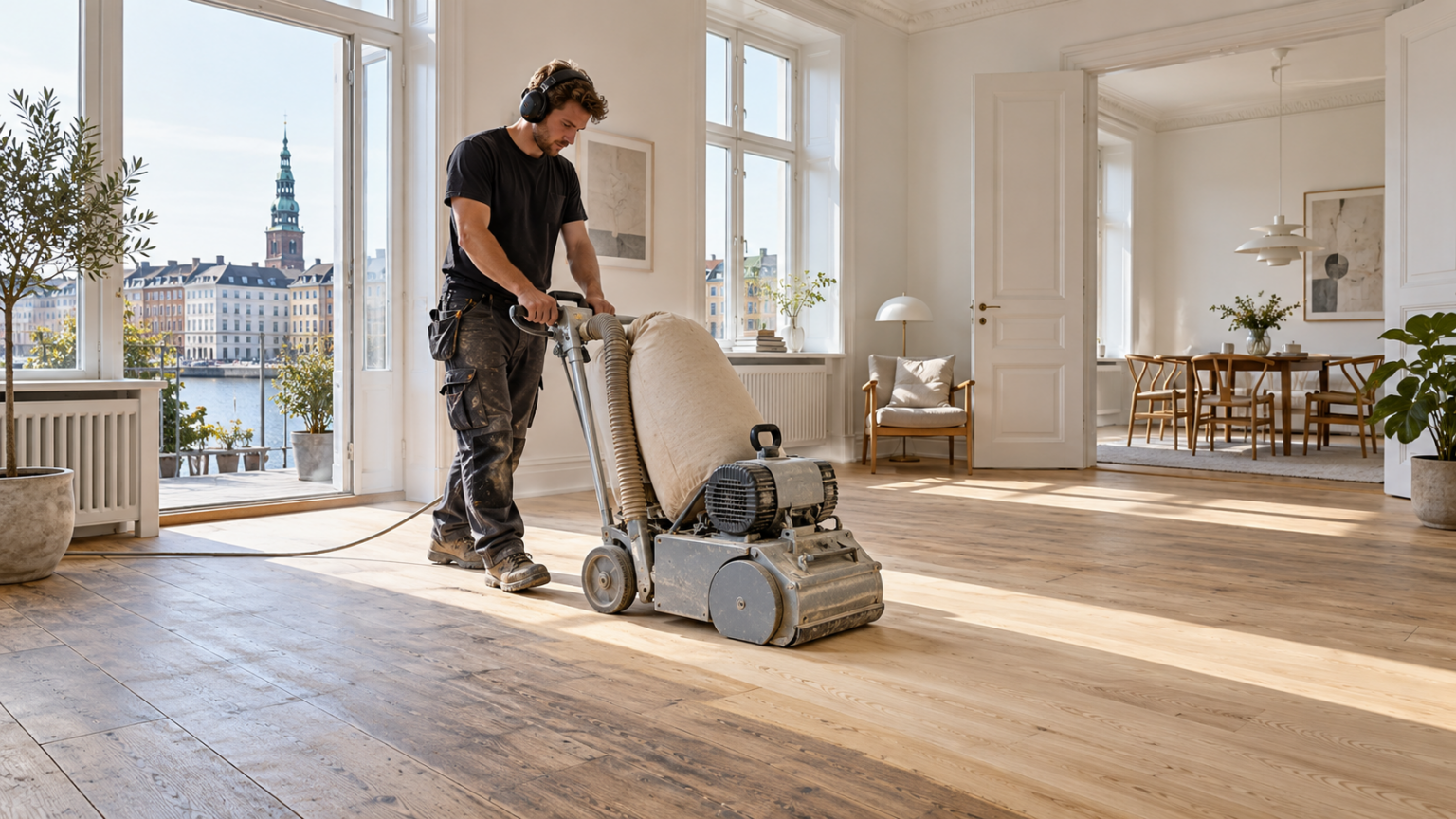
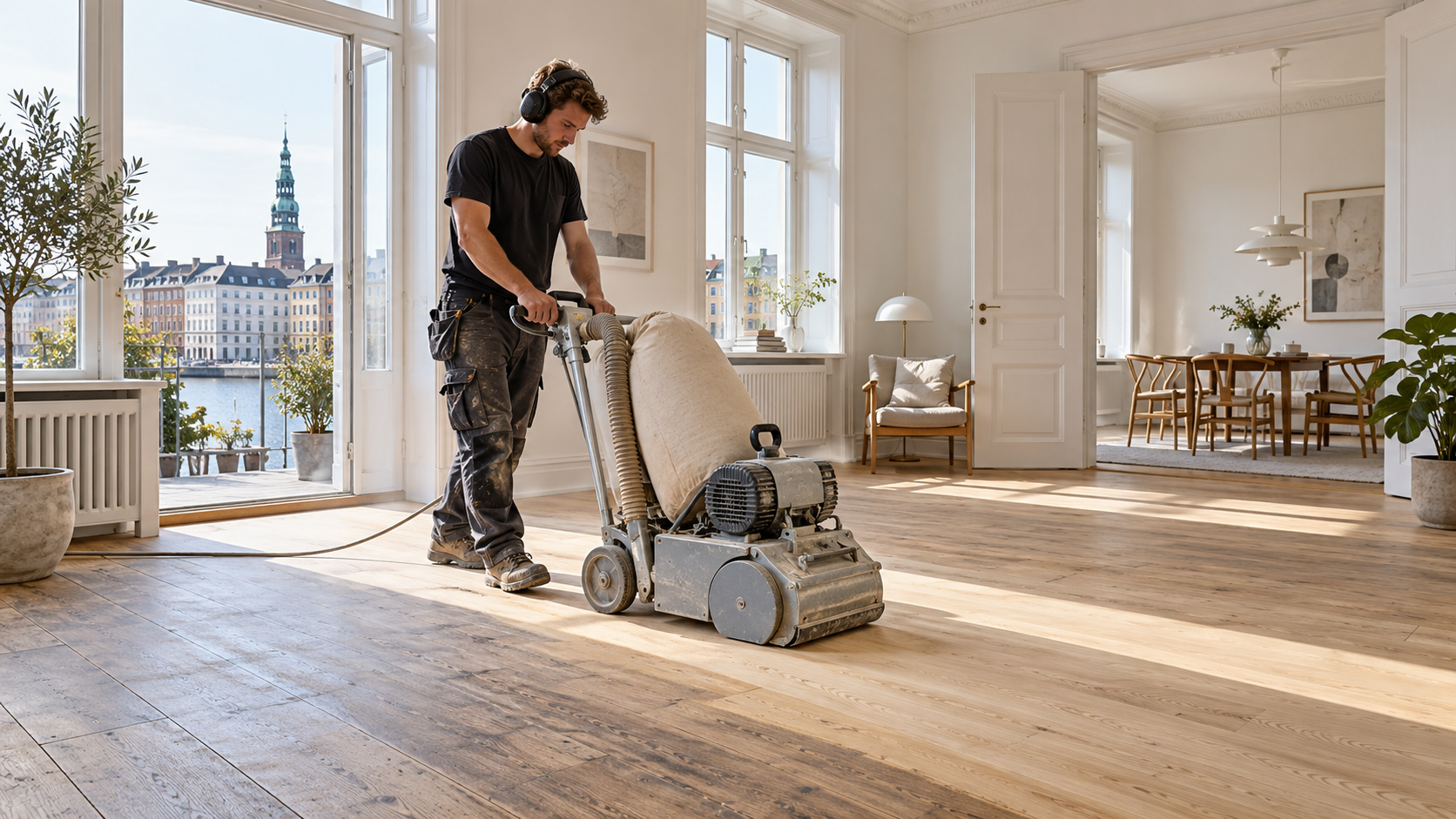
Hardwood floor sanding is a restoration process that removes a thin layer of wood from the surface.
This technique can eliminate many superficial scratches, worn coatings, stains, and minor imperfections.
Specialized sanding equipment gradually smooths the floor before a new finish is applied.
However, not every wooden floor can be sanded repeatedly.
The number of possible refinishing cycles depends on wood thickness, flooring construction, previous sanding work, and the condition of the boards.
When Does a Hardwood Floor Need Sanding?
Several signs suggest that professional restoration may be appropriate.
These include visible scratches, dull finishing, localized discoloration, worn protective coatings, and uneven-looking surfaces.
Deep structural damage, extensive moisture problems, or severely deteriorated boards may require more than sanding.
A professional assessment helps determine whether refinishing or replacement is the safer option.
Main Flooring Services Offered by Gulvkanonen.dk
The company’s website describes several restoration and finishing services intended for different types of wooden flooring.

1. Hardwood Floor Sanding
Removes worn surface material and prepares wooden floors for a new protective finish. This service is suitable for many solid hardwood floors and some engineered floors with adequate wear layers.

2. Floor Planing
A more intensive restoration process used when certain wooden floors have significant surface damage or stubborn old coatings. It requires sufficient wood thickness and professional judgment.

3. Floor Lacquering
Applies a protective coating that can improve durability and simplify everyday cleaning. Different lacquer products offer varying sheen levels and performance characteristics.

4. Wood Floor Oiling
Enhances the natural appearance of wood while providing a finish that generally requires periodic care and appropriate maintenance products.

5. Staircase Restoration
Involves sanding and refinishing wooden stair treads and other suitable surfaces. Staircase work requires careful attention to edges, corners, and safe access.
These categories reflect services listed on Gulvkanonen’s Danish website.
Ekspertpleje tæt på natur og by
How the Hardwood Floor Sanding Process Works
Professional refinishing generally follows several carefully planned stages.
Step 1: Inspect the Existing Floor
Before beginning, a flooring specialist evaluates the wood type, thickness, existing coating, and visible damage.
The contractor also checks for loose boards, protruding fasteners, and moisture-related concerns.
This assessment determines whether sanding is appropriate.
Step 2: Prepare the Room
Furniture and loose belongings must be removed.
Doorways and neighboring spaces may need dust protection.
Gulvkanonen’s preparation guidance states that rooms should generally be emptied before sanding work begins.
Gulvkanonen
Step 3: Sand the Wooden Surface
Professionals typically begin with coarser abrasives and gradually progress toward finer grits.
Each stage removes previous sanding marks and improves surface smoothness.
Edge sanders and detail tools may be necessary around walls and corners.
Step 4: Clean and Inspect
Dust and debris must be removed before applying finishes.
The contractor checks for visible scratches and other imperfections that could affect the final appearance.
Step 5: Apply the Protective Finish
The selected lacquer, oil, or other suitable treatment is applied according to manufacturer requirements.
Some systems require multiple coats and additional preparation between applications.

Freshly Restored Hardwood Flooring
Proper sanding and refinishing can reveal the natural grain and color of existing wood while creating a clean, attractive surface.
Hardwood Floor Finishing Options Explained
The final finish affects appearance, maintenance, and resistance to everyday wear.
Gulvkanonen.dk discusses several finishing approaches commonly used in Denmark.
| Finish | Appearance | Maintenance |
|---|---|---|
| Matte lacquer | Smooth, understated | Routine gentle cleaning |
| Gloss lacquer | Reflective | Shows some scratches more visibly |
| Natural oil | Warm wood appearance | Periodic oil maintenance |
| White oil | Lighter appearance | Product-specific maintenance |
| Lye and soap | Traditional Nordic appearance | Frequent specialized care |
Lacquer Finishes
Lacquer creates a protective surface coating.
Depending on the product, it can offer useful resistance to routine wear and make cleaning relatively straightforward.
Natural Oil Finishes
Oil treatments emphasize the wood’s natural character.
They may be suitable for homeowners who prefer a less film-like surface appearance.
However, oil-finished floors generally require compatible cleaning products and periodic maintenance.
Scandinavian Lye and Soap Finishes
Traditional Nordic methods can create a distinctive pale wood appearance.
These finishes require suitable wood species and careful maintenance, so they are not appropriate for every American home.
Hardwood Floor Sanding Costs: Denmark vs. USA
Floor restoration prices depend on location, surface area, existing condition, and finishing requirements.
Gulvkanonen’s published Danish examples include a 30-square-meter white matte lacquer project starting at 4,900 Danish kroner and a 50-square-meter natural matte lacquer project starting at 8,800 kroner, including Danish VAT.
Gulvkanonen
These are company-specific examples rather than standardized industry prices.
For U.S. homeowners, hardwood refinishing is often estimated by square footage, but costs vary significantly by region and project complexity.
Instead of converting Danish prices directly into U.S. dollars, request local quotations that include sanding, repairs, finishing materials, labor, and cleanup.
A flooring contractor should explain whether additional charges apply for staircases, furniture removal, damaged boards, or unusual finishes.
Benefits of Restoring Hardwood Floors Instead of Replacing Them
Restoration can be a practical option when the existing floor remains structurally sound.
Preserve Original Wood
Older homes sometimes contain hardwood with distinctive grain patterns and character.
Refinishing can preserve these features while refreshing the appearance.
Reduce Material Replacement
Keeping usable flooring in place may reduce the need for new materials and disposal.
However, the environmental outcome depends on products, processes, and overall project requirements.
Refresh Interior Design
A different finish can create a noticeably different appearance.

Hardwood Floor Before and After
A worn floor may regain a brighter and more consistent appearance after sanding. Actual results depend on wood species, existing damage, and chosen treatment.
Maintain Existing Flooring Character
Wooden floors can contribute visual warmth to traditional and contemporary interiors.
Professional restoration may help preserve that character without changing the overall flooring layout.
What American Homeowners Can Learn From Scandinavian Floor Design
Scandinavian interiors often emphasize natural materials, simple furniture, and lighter visual finishes.
Wooden floors play an important role in creating that atmosphere.
Light Natural Wood Finishes
Pale oak and other light-toned wood surfaces can make interiors appear open and welcoming.
Matte finishes are especially popular in minimalist spaces.
Simple Maintenance Practices
Using appropriate cleaning methods helps preserve protective coatings.
Avoid excessive water and harsh chemicals that may damage wooden surfaces.
Long-Term Material Care
Rather than replacing usable flooring solely because of surface wear, homeowners can consider professional restoration when appropriate.
This approach can support both design continuity and practical maintenance.
Hardwood Floor Maintenance Tips After Refinishing
Freshly refinished floors require proper care.

Gentle Hardwood Floor Cleaning
Use a soft microfiber mop or manufacturer-approved cleaning equipment. Avoid flooding floors with water or using abrasive cleaning products.
Place protective pads beneath furniture legs and use suitable entrance mats to reduce grit.
Clean spills promptly, maintain reasonable indoor humidity, and follow the finish manufacturer’s instructions.
Gulvkanonen’s FAQ provides example waiting periods after certain treatments, but the safe time for foot traffic, furniture placement, and full curing varies by finishing product.
Gulvkanonen
Frequently Asked Questions About Gulvkanonen.dk
What is Gulvkanonen.dk?
Gulvkanonen.dk is the website of a Danish company providing professional wooden floor sanding, refinishing, and related restoration services.
Where is Gulvkanonen located?
The company identifies Herlev, near Copenhagen, as its headquarters and provides services in different regions of Denmark.
Does Gulvkanonen.dk offer services in Amager?
Yes. Its dedicated Amager service page describes floor sanding, planing, and restoration for residential and commercial customers in the area.
How long does hardwood floor sanding take?
Gulvkanonen’s Amager page states that a standard project often takes approximately one to three days, depending on floor size and condition. Finishing and curing requirements can extend the overall timeline.
Ekspertpleje tæt på natur og by
Can every wooden floor be sanded?
No. Suitability depends on the wood’s construction, remaining thickness, and previous treatments. Some engineered floors have insufficient wear layers for further sanding.
Is hardwood sanding better than replacement?
Sanding may be more practical when the existing wood remains structurally sound. Severe damage, moisture problems, or insufficient material thickness may make replacement necessary.
Does Gulvkanonen.dk serve customers in the USA?
Its published service information describes Danish operations. There is no verified indication that it provides on-site floor sanding services in the United States.
Which finish is best for a hardwood floor?
The best finish depends on traffic, wood type, appearance preferences, and maintenance expectations. Lacquer is often practical for straightforward care, while oil and traditional Nordic finishes provide different visual qualities.
Conclusion
Gulvkanonen.dk provides an example of professional hardwood floor restoration centered on sanding, refinishing, and selecting suitable protective treatments.
The company’s work in Denmark, including Amager and Copenhagen, demonstrates how worn wooden floors may be renewed without complete replacement when their condition allows.
For American homeowners, the main lessons are straightforward: inspect the floor carefully, choose qualified specialists, select finishes that match everyday use, and follow proper maintenance procedures.
Whether you prefer a contemporary matte oak appearance or a warmer natural oil finish, professional preparation and appropriate finishing are essential to achieving satisfying results.
By understanding the restoration process and comparing suitable options, homeowners can preserve the character of existing hardwood floors and enjoy attractive interiors for years to come.

Written by Twastia Editorial Team
Twastia Editorial Team shares practical insights about website design, SEO services, Google Ads, content marketing, social media, conversion rate optimization, and digital marketing strategy.
Last updated: Oct 24, 2026
Related posts from Twastia
Explore more useful articles from twastia.com about digital marketing, SEO, websites, ads, content, and growth strategy.