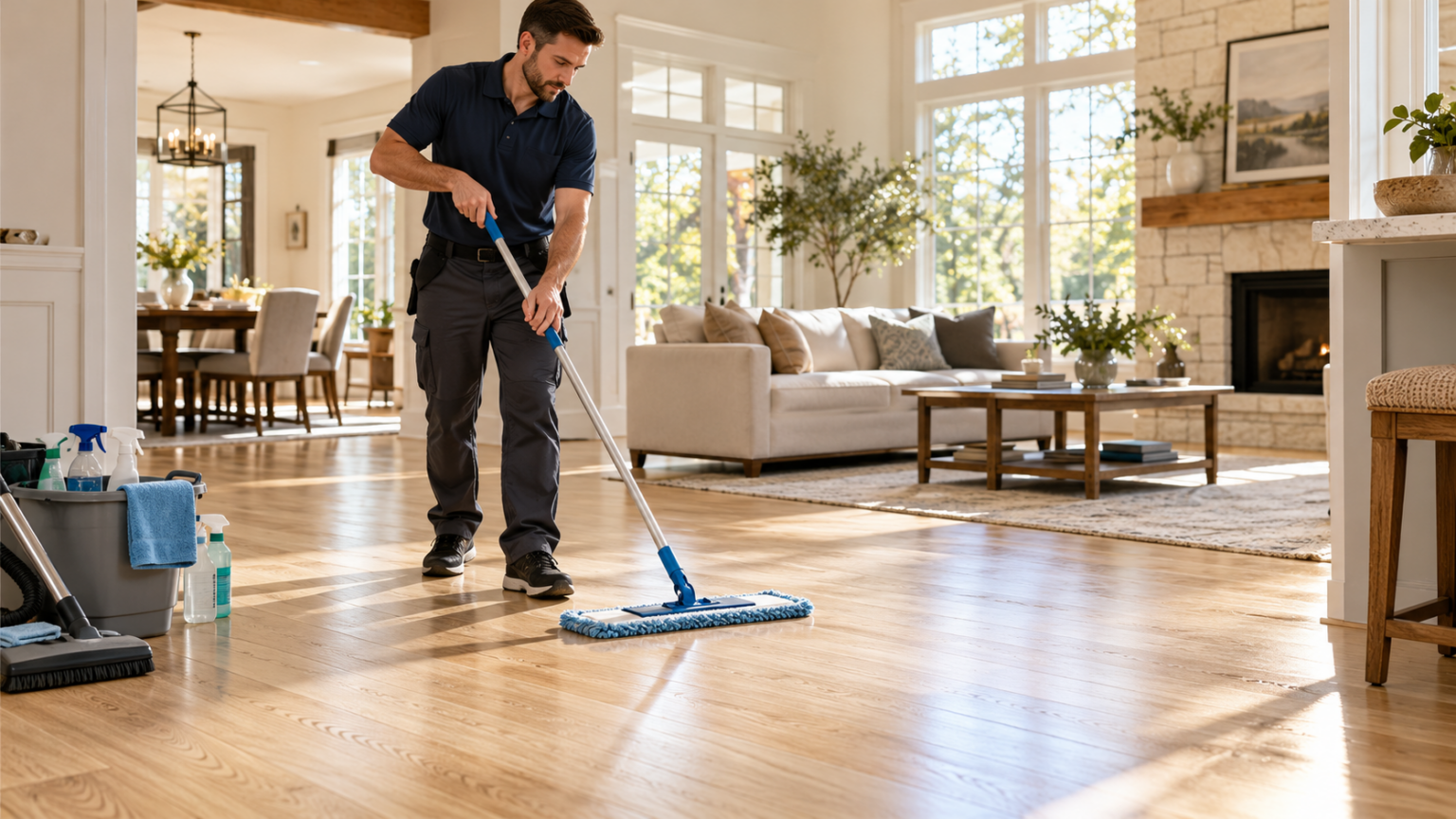
Gulvkanonen: Best Guide to Soap-Treated Wood Floor Care & Maintenance
Beautiful hardwood flooring can make a home feel warm, natural, and inviting. However, maintaining that appearance requires the right cleaning […]
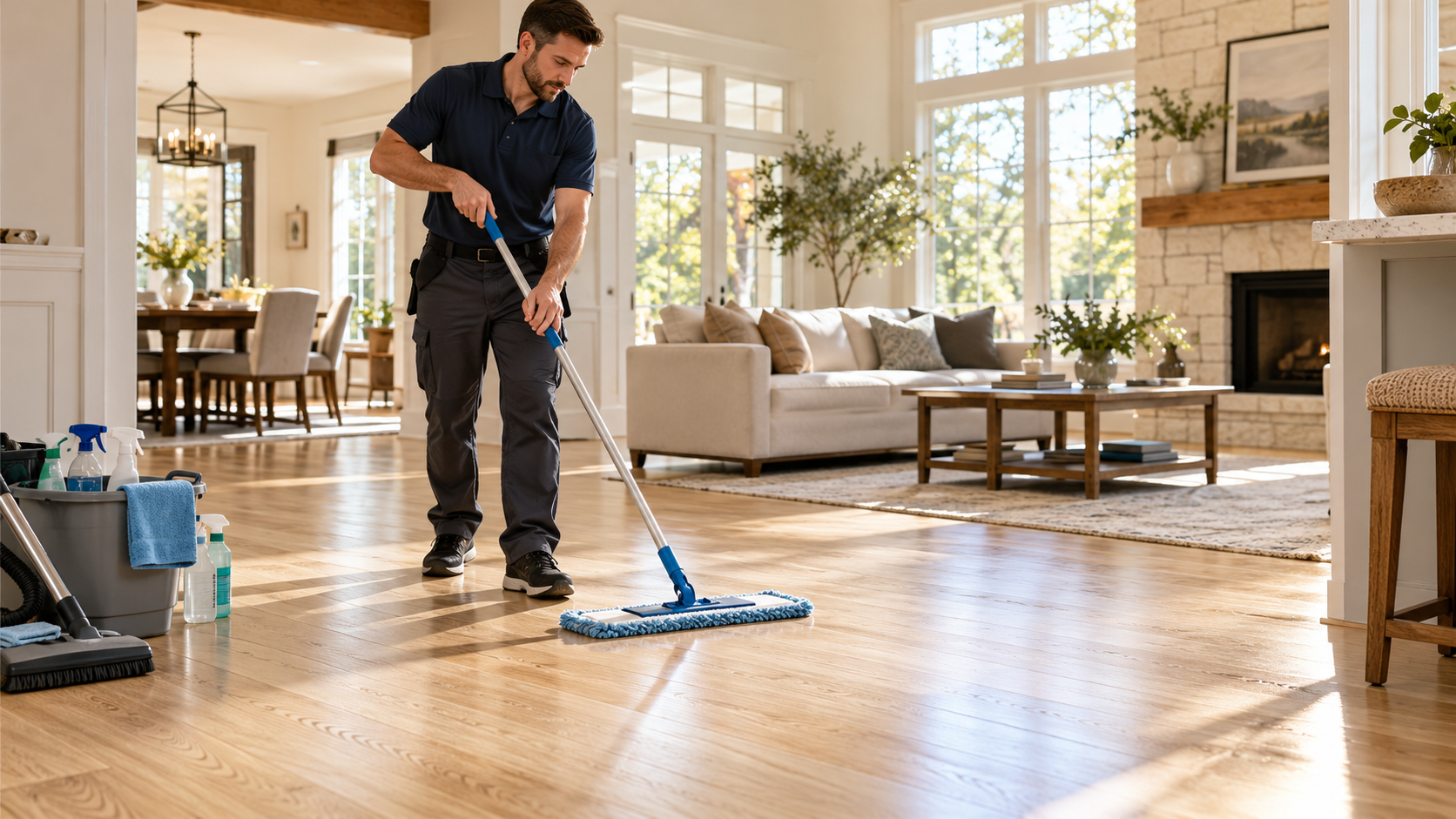
Beautiful hardwood flooring can make a home feel warm, natural, and inviting. However, maintaining that appearance requires the right cleaning products, appropriate techniques, and an understanding of the floor’s finish.
Soap-treated wood floors are particularly attractive because they preserve a soft, matte appearance while allowing the natural grain to remain visible.
Unlike conventional polyurethane-coated flooring, a soap-treated surface requires ongoing care to maintain its protective soap layer.
Gulvkanonen, a Danish flooring company, provides guidance on maintaining these distinctive surfaces, including suitable soaps, cleaning techniques, and everyday protection methods.
For American homeowners interested in Scandinavian-inspired interiors, these maintenance principles can be useful when caring for genuine soap-finished floors.
However, not every hardwood floor is compatible with soap treatment. Applying specialized wood soap to polyurethane, factory-finished, or other flooring without checking compatibility can cause problems.
This guide explores common floor-care mistakes, ten practical maintenance strategies, suitable cleaning tools, and when professional restoration may be necessary.
Why Gulvkanonen’s Wood Floor Care Guidance Matters
Hardwood flooring is available with several finishes, and each requires an appropriate maintenance method.
Soap treatment is commonly associated with Scandinavian interior design, where pale wood surfaces and natural finishes are popular.
Rather than relying on a conventional hard surface coating, traditional soap treatment uses specialized wood soap to help maintain the surface.
Regular care is important because dirt, moisture, and friction can gradually affect the floor’s appearance.
Gulvkanonen explains that soap-finished floors generally require more frequent soap washing than oiled or lacquered floors to maintain the intended surface treatment.
gulvkanonen.dk
Benefits of Proper Floor Maintenance
- Natural appearance: Appropriate care helps preserve the soft, matte finish.
- Reduced visible dirt: Regular cleaning removes abrasive particles before they accumulate.
- Surface protection: Suitable soap maintenance supports the intended treatment.
- Improved appearance: Gentle cleaning helps prevent buildup and uneven-looking wear.
- Long-term usability: Routine care may reduce avoidable damage and the need for premature refinishing.
These advantages depend on following the flooring manufacturer’s recommendations and addressing damage when necessary.
Common Problems With Soap-Treated Wood Floors
Understanding the challenges of this flooring helps homeowners choose safe cleaning methods.
Scratches From Dirt and Foot Traffic
Sand, dust, and small stones can act like abrasive particles when trapped beneath shoes.
High-traffic areas such as entrances, kitchens, and walkways are particularly vulnerable.
Regular vacuuming or gentle sweeping helps remove particles before they damage the surface.
Watermarks and Moisture Damage
Wood naturally responds to changes in moisture.
Leaving puddles on floorboards may cause staining, swelling, or changes in appearance.
Soap-treated surfaces require careful moisture control during cleaning.
Uneven Soap Protection
Inconsistent maintenance can leave some areas less protected than others.
Frequently walked pathways may need more attention than rarely used rooms.
However, applying excessive soap can also create buildup, so product instructions matter.
Incorrect Cleaning Products
Ordinary dish detergent, aggressive degreasers, abrasive cleaners, and unsuitable floor-care chemicals may damage or alter specialty finishes.
Always identify the existing treatment before selecting a cleaning solution.
10 Practical Ways to Maintain Soap-Treated Wood Floors
The following methods can help homeowners care for suitable soap-finished floors while reducing unnecessary wear.
1. Identify Your Floor’s Existing Finish
Before cleaning, determine whether the floor has a traditional soap finish, oil treatment, wax, polyurethane, or another protective coating.
The same cleaning method should not automatically be used across all hardwood floors.
If the finish is unknown, consult installation documents, the flooring manufacturer, or a qualified professional.
2. Vacuum With a Soft Brush Attachment

Gentle Vacuum Cleaning
Use a soft floor brush designed for wood surfaces and avoid aggressive rotating brushes where the manufacturer advises against them. Pay extra attention to entrances and frequently used walkways.
Gulvkanonen specifically recommends soft vacuum attachments to help avoid scratches.
gulvkanonen.dk
3. Select the Correct Wood Floor Soap
Choose a specialized product compatible with the actual finish.
Traditional natural soaps can support a natural wood appearance, while white-pigmented formulations may help maintain a lighter floor color when specified by the finish manufacturer.
Never assume ordinary household soap provides the same result.
4. Use a Well-Wrung Mop

Controlled Moisture Cleaning
Use only the amount of cleaning solution recommended for the floor. Avoid soaking boards or leaving standing water, and allow the surface to dry before normal use.
For traditional soap-treated planks, Gulvkanonen recommends cleaning along the wood grain.
gulvkanonen.dk
5. Follow the Soap Dilution Instructions
Different products have different concentrations.
Mix the soap with water according to the manufacturer’s directions rather than guessing quantities.
An overly concentrated solution may leave unwanted residue, while an excessively diluted solution may not provide the intended maintenance treatment.
6. Protect High-Traffic Areas

Place suitable rugs near entrances and busy walkways to help trap dirt. Choose breathable, flooring-compatible backing and periodically inspect the surface underneath.
Avoid rug pads that may discolor or react with the finish.
7. Install Felt Pads Under Furniture
Chairs and tables can scratch floors when moved repeatedly.
Attach suitable felt pads to furniture legs and replace them when they become dirty or compressed.
Use protective moving equipment instead of dragging heavy furniture.
8. Address Spills Immediately

Quick Spill Cleanup
Blot liquids promptly with a clean absorbent cloth. Avoid prolonged contact with water, and use only finish-compatible cleaners for any remaining marks.
Dark stains, persistent discoloration, or swollen boards may require professional evaluation.
9. Maintain Appropriate Indoor Humidity
Wood flooring expands and contracts as indoor humidity changes.
For U.S. homes, follow the flooring manufacturer’s specified humidity range rather than relying on a single universal target.
Use suitable ventilation and climate control where necessary.
10. Refresh the Soap Treatment When Required

Renewing the Soap-Finished Surface
Traditional soap-treated flooring may require repeated applications to achieve and maintain the intended finish. Follow the exact system instructions before retreating the floor.
Gulvkanonen describes multiple soap applications during treatment, but the required method and number of coats depend on the specified flooring system.
gulvkanonen.dk
Best Floor Care Tools and Solutions for Soap-Treated Wood
Using suitable equipment helps reduce abrasive wear and makes routine cleaning easier.

1. Natural Wood Floor Soap
A compatible specialty soap helps maintain traditional natural soap-finished surfaces. Choose the formulation and dilution recommended by the floor or finish manufacturer, rather than substituting general-purpose cleaners.

2. White-Pigmented Floor Soap
Certain light Scandinavian-style floors use white soap to help maintain their pale appearance. It should only be applied when compatible with the original treatment and desired color.

3. Soft Mop and Cleaning Bucket
A gentle mop offers better moisture control than soaking the floor. Make sure the mop head is clean and free from grit before each cleaning session.

4. Felt Pads and Floor-Safe Rugs
These inexpensive accessories help reduce scratching from furniture movement and tracked-in particles. Inspect pads regularly because trapped dirt can become abrasive.
Avoid choosing cleaning products based only on labels such as “natural” or “gentle.” Compatibility with the actual floor finish is more important than marketing descriptions.
Soap-Treated vs. Oiled vs. Lacquered Floors
Before adopting a maintenance routine, it helps to understand how common hardwood finishes differ.
| Floor finish | Appearance | Typical maintenance |
|---|---|---|
| Soap-treated | Natural, pale, matte | Frequent compatible soap cleaning and periodic retreatment |
| Oil-finished | Natural grain with varying sheen | Approved cleaners and occasional maintenance oil |
| Lacquered or polyurethane | Protective surface coating | Manufacturer-approved cleaning and eventual refinishing if worn |
| Hardwax oil | Natural-looking protective finish | Specialized cleaning and periodic maintenance products |
Soap-treated floors generally require more regular attention than many sealed polyurethane surfaces.
Oil and hardwax-oil floors have different maintenance procedures, so do not apply soap-treatment instructions automatically.
Are Soap-Treated Floors Suitable for American Homes?
They can be appropriate for homeowners who appreciate a natural wood appearance and are prepared for ongoing maintenance.
However, households with pets, frequent spills, or heavy foot traffic should carefully consider durability and upkeep.
When installing a new floor, discuss finish options with a qualified flooring professional.
Understanding Gulvkanonen’s Floor Maintenance Advice
The Danish flooring company Gulvkanonen publishes a detailed guide to caring for soap-treated wooden floors.
Its article explains that traditional soap treatment can preserve a natural, rustic appearance but needs consistent maintenance.
The guide recommends soft-brush vacuuming, compatible natural or white-pigmented wood soap, carefully controlled moisture, and cleaning along the grain.
It also suggests rugs in busy areas, felt pads beneath furniture, and reducing grit tracked indoors by shoes.
For treatment, the company describes mixing specialist soap according to product directions and repeating applications to achieve the desired saturation.
gulvkanonen.dk
These recommendations apply to the soap-treated flooring system described in the guide. They should not be generalized to every American hardwood floor.
Gulvkanonen also publishes information about wood floor sanding, surface treatments, and refinishing. Its services are presented for the Danish market, so American homeowners should use the guide as an educational reference rather than assume the company provides local U.S. service.
Step-by-Step Soap-Treated Floor Maintenance Plan
A manageable routine can make floor care more consistent.
Step 1: Daily and Weekly Dust Removal
Remove visible dirt and grit using a soft broom or suitable vacuum attachment.
Concentrate on entrances, kitchens, and frequently used pathways.
The goal is to prevent abrasive particles from being pressed into the wood surface.
Step 2: Clean With Compatible Wood Soap
When the floor needs wet cleaning, prepare the appropriate soap solution according to the manufacturer’s directions.
Use a well-wrung mop and work systematically with the grain.
Do not leave puddles or oversaturate plank joints.
Gulvkanonen suggests approximately weekly soap washing for traditional soap-treated floors, with frequency adjusted for traffic and room use.
gulvkanonen.dk
Step 3: Inspect the Floor Monthly
Check for scratches, persistent stains, dull pathways, furniture-pad wear, and any moisture-related changes.
Replace worn protective pads and clean underneath movable rugs.
If a section looks different from the surrounding floor, determine the cause before applying additional treatment.
Step 4: Plan Periodic Professional Evaluation
A flooring specialist can help determine whether localized treatment, deeper cleaning, sanding, or complete refinishing is appropriate.
Severe damage, raised boards, or recurring moisture problems should not be addressed by soap washing alone.
When Should You Hire a Professional Floor Specialist?
Routine cleaning is often manageable for homeowners, but some problems require specialist attention.
Consider professional help when a floor has extensive scratches, deeply embedded stains, significant uneven wear, or a finish that cannot be identified reliably.
A professional may also be necessary when changing from soap treatment to a different finish.
Switching finishes requires suitable preparation and compatibility checks. Simply applying polyurethane or oil over an existing soap layer may lead to adhesion or appearance problems.
How Much Does Floor Restoration Cost?
Prices in the United States depend on floor area, wood species, existing finish, required repairs, and local labor rates.
A small maintenance project typically involves a different scope from sanding and refinishing an entire house.
Request an itemized estimate covering preparation, repair, coating materials, labor, drying time, and cleanup.
Avoid relying on a single advertised price without inspecting the floor’s actual condition.
Common Gulvkanonen Floor Care Mistakes to Avoid
One frequent mistake is using excessive water when mopping soap-treated floors. Standing moisture can cause stains and other damage.
Another is selecting a standard household cleaner instead of a compatible wood floor soap.
Homeowners also sometimes overlook grit near entrances or move heavy furniture without protective pads.
Applying additional soap without following dilution instructions can create residue or uneven results.
Finally, do not attempt aggressive sanding or chemical stripping without understanding the wood thickness and existing finish.
Older floors and engineered wood products may have limited refinishing options.
Consistent gentle care is usually more effective than repeatedly attempting intensive cleaning after the surface becomes damaged.
Frequently Asked Questions About Gulvkanonen and Wood Floor Care
What is Gulvkanonen?
Gulvkanonen is a Danish flooring company that publishes guidance on floor sanding, refinishing, surface treatments, and wood floor maintenance.
What is a soap-treated wooden floor?
It is a wood floor maintained using a specialized soap-treatment system rather than a conventional polyurethane or lacquer coating.
How often should soap-treated wood floors be cleaned?
Frequency depends on use, dirt accumulation, and the flooring system. Gulvkanonen recommends approximately weekly soap washing for traditional soap-treated floors, with adjustments for traffic.
Can I use ordinary dish soap on soap-treated floors?
Ordinary dish soap is not a substitute for specialist wood floor soap. Use a product specifically approved for the existing floor treatment.
Is white-pigmented soap better than natural soap?
Neither is universally better. White-pigmented products may help maintain certain pale wood finishes, while natural soap suits other treatments. Follow the manufacturer’s recommendations.
Can I use a steam mop on soap-treated hardwood floors?
Avoid steam cleaning unless the flooring manufacturer expressly approves it. Heat and moisture may damage wood or affect its surface treatment.
Can scratches on soap-treated floors be repaired?
Some superficial marks may respond to appropriate local maintenance. Deeper damage may require professional sanding or refinishing.
Are Gulvkanonen’s floor maintenance tips useful for U.S. homeowners?
Yes, the general principles can help owners of compatible soap-treated floors. However, U.S. homeowners should follow their own flooring manufacturer’s instructions and use locally suitable products.
Conclusion
Gulvkanonen provides useful guidance for understanding the care requirements of traditional soap-treated wooden floors.
These surfaces offer a beautiful natural appearance, but they need appropriate cleaning, compatible products, and consistent protection from moisture and abrasive dirt.
Soft-brush vacuuming, careful damp mopping, suitable wood soap, protective rugs, and furniture pads can help maintain the finish.
Homeowners should also identify the existing floor treatment before applying new products, because soap-finished, oiled, and polyurethane-coated floors require different care.
For American households considering Scandinavian-style flooring, maintenance expectations should be part of the buying decision.
When significant staining, water damage, or heavy wear appears, professional evaluation may be more appropriate than repeated cleaning.
With thoughtful maintenance and realistic expectations, natural wooden floors can remain attractive and functional for many years.

Written by Twastia Editorial Team
Twastia Editorial Team shares practical insights about website design, SEO services, Google Ads, content marketing, social media, conversion rate optimization, and digital marketing strategy.
Last updated: Oct 26, 2026
Related posts from Twastia
Explore more useful articles from twastia.com about digital marketing, SEO, websites, ads, content, and growth strategy.