install a more energy-efficient window: Best Replacement & Savings Guide
Old or poorly performing windows can make an otherwise comfortable home feel drafty, noisy, and difficult to heat or cool. […]
Old or poorly performing windows can make an otherwise comfortable home feel drafty, noisy, and difficult to heat or cool. Rooms may become too warm during summer, while cold air and uncomfortable glass surfaces create problems during winter.
For homeowners planning to install a more energy-efficient window, choosing the right product is only part of the process. Proper measurements, climate-appropriate glass, durable framing, and professional installation are equally important.
Modern windows can reduce unwanted heat transfer and improve indoor comfort. However, not every home needs complete window replacement, and expensive upgrades do not guarantee immediate savings.
According to ENERGY STAR, replacing single-pane windows with certified models can reduce household energy bills by up to 13% on average nationwide, depending on the replacement scenario.
ENERGY STAR
This guide explains common window problems, ten practical steps for improving performance, the best replacement options, installation considerations, and how to compare contractors before making a significant home improvement investment.
Why Installing More Energy-Efficient Windows Matters
Windows influence how heat moves between indoor and outdoor environments.
During winter, poorly insulated glass can allow more indoor heat to escape. During summer, sunlight and outdoor temperatures can increase cooling demands.
Efficient windows use suitable glazing, frame materials, and sealing systems to help control these effects.
Benefits of Energy-Efficient Windows
- Improved comfort: Reduce drafts and uncomfortable temperature differences near windows.
- Lower energy demand: Reduce certain heating and cooling losses.
- Better condensation management: Improved glass temperatures may reduce some interior condensation problems.
- Improved appearance: Modern frames can complement a home’s architecture.
- Potential noise reduction: Some insulated glazing configurations reduce outside noise.
The U.S. Department of Energy explains that glass, frames, gas fills, spacers, and operating style all influence window performance.
Department of Energy
Common Problems With Old or Inefficient Windows
Understanding existing problems can help determine whether repairs, weatherization, or replacement offer the best solution.
Drafts Around Window Frames
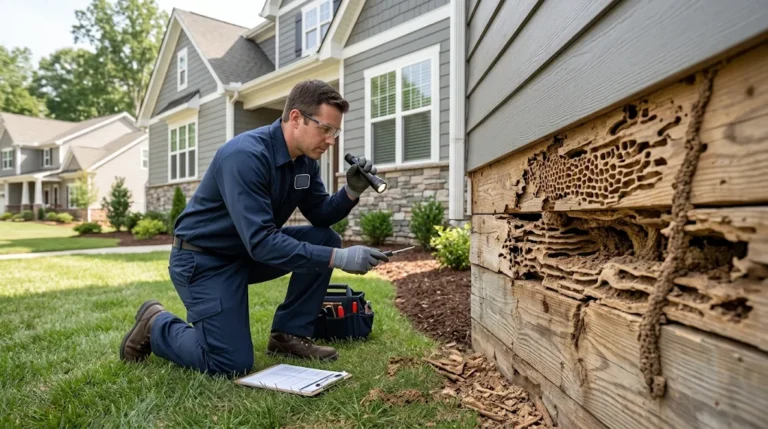
Air can enter through deteriorated weatherstripping, damaged seals, and gaps between the frame and surrounding wall.
Some problems can be corrected without replacing the entire window.
However, extensive frame deterioration may require a larger repair or complete replacement.
Condensation Between Glass Panes
Moisture appearing between the panes of an insulated glass unit commonly indicates a failed perimeter seal.
The affected glass unit may need professional replacement, although the entire window frame does not always need to be removed.
Excessive Heat and Glare
Large windows exposed to intense afternoon sunlight can make rooms uncomfortable.
Appropriate low-emissivity glazing, exterior shading, and suitable window treatments may help manage solar heat gain.
Damaged or Difficult-to-Operate Frames
Warping, rot, damaged hardware, or poor alignment may prevent windows from closing properly.
These issues can affect weather resistance, security, ventilation, and overall usability.
10 Practical Steps to Install a More Energy-Efficient Window
A successful replacement project involves more than selecting attractive glass.
1. Evaluate Your Current Windows
Start by inspecting each window for drafts, visible frame damage, condensation, and operating problems.
Record which rooms experience uncomfortable temperatures.
If most windows remain structurally sound, targeted repairs or weatherstripping may be more economical than complete replacement.
2. Identify Your ENERGY STAR Climate Zone

Choose Windows for Your Climate
Window performance requirements differ across Northern, North-Central, South-Central, and Southern U.S. regions. Use ENERGY STAR’s climate-zone guidance when comparing certified products.
A window designed for a cold northern climate may prioritize different characteristics from one intended for a sunny southern location.
3. Understand U-Factor Ratings
U-factor measures how readily heat passes through a window assembly.
A lower U-factor indicates better insulation.
For cold climates, selecting a suitable low U-factor can help reduce heat loss.
Compare whole-window ratings rather than relying only on the center-of-glass performance.
4. Check Solar Heat Gain Coefficient
Solar Heat Gain Coefficient, or SHGC, indicates how much solar heat passes through a window.
Lower SHGC values reduce solar heat gain, which can be particularly useful in hot climates.
In colder regions, moderate or higher solar gain may sometimes be beneficial, depending on orientation and shading.
5. Consider Double-Pane or Triple-Pane Glass

Double-pane windows contain an insulating space between glass layers. Triple-pane designs offer additional glazing and may improve thermal performance, depending on the complete construction.
Additional panes can increase cost and weight, so compare certified performance rather than assuming every triple-pane model is superior.
6. Choose Suitable Window Frame Materials
Vinyl, fiberglass, wood, and thermally improved metal frames have different performance and maintenance characteristics.
The right choice depends on climate, budget, appearance, and installation needs.
Look at the complete frame-and-glass assembly rather than the framing material alone.
7. Measure the Window Opening Accurately

Accurate Window Measurements
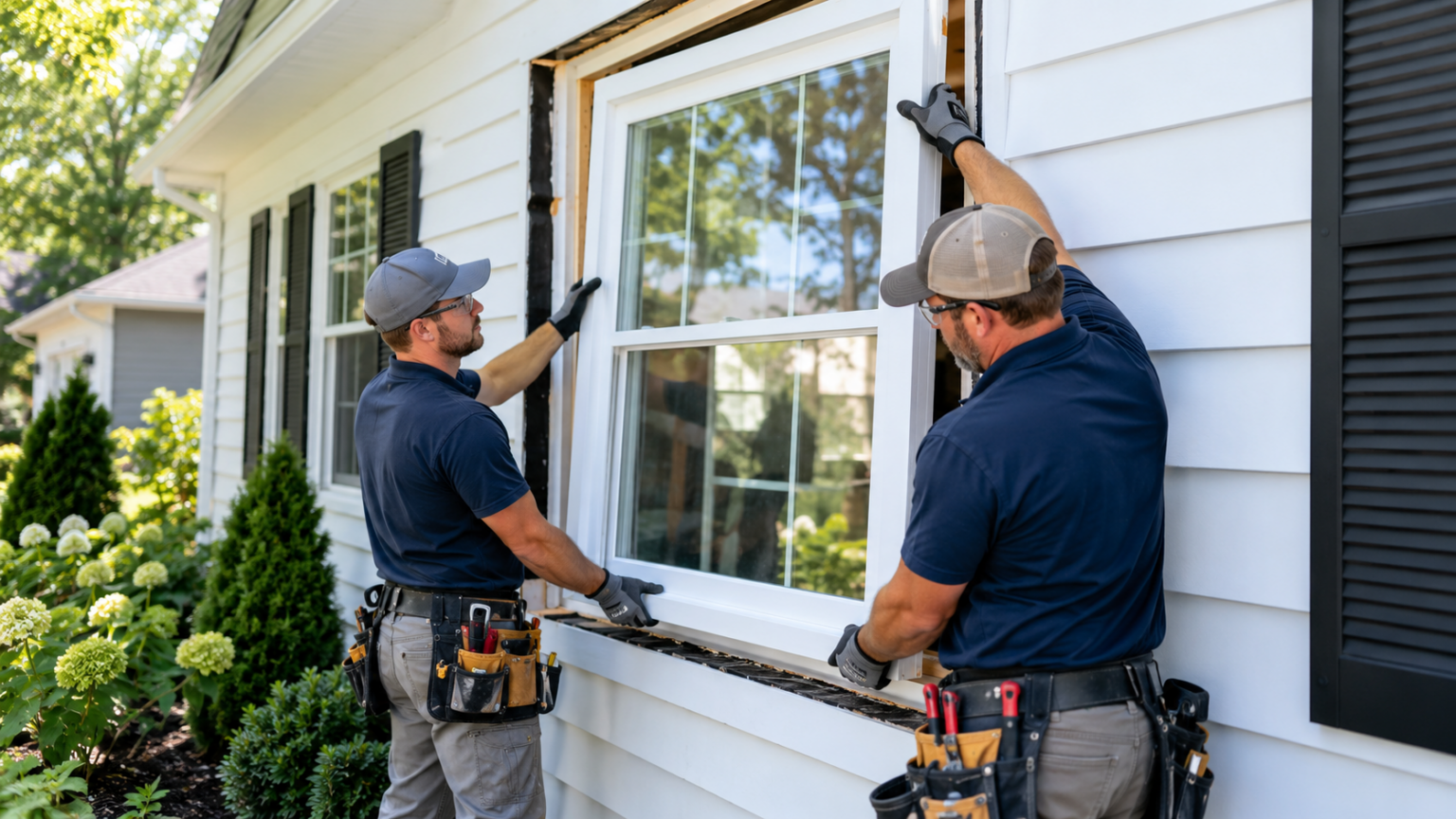
Check opening dimensions, frame condition, squareness, and clearance. Professional measurements are particularly important when ordering custom windows that cannot easily be returned.
An incorrectly sized window can create installation difficulties and air leakage.
8. Prepare the Opening and Flashing
The surrounding wall and rough opening must be inspected for moisture damage.

Window Flashing and Weather Protection
Correct flashing and integration with the wall’s drainage system help direct water away from vulnerable building materials. Follow the window manufacturer’s installation instructions.
Improper flashing can cause hidden moisture damage even when the new window looks attractive.
9. Seal and Insulate the Window Perimeter
Gaps around installed windows can reduce comfort and undermine the intended energy improvements.
Use installation-appropriate air sealing and insulation materials.
Incorrectly applied expanding foam can distort some window frames, so product compatibility and application technique matter.
10. Inspect the Installation Before Completion

Final Window Installation Inspection
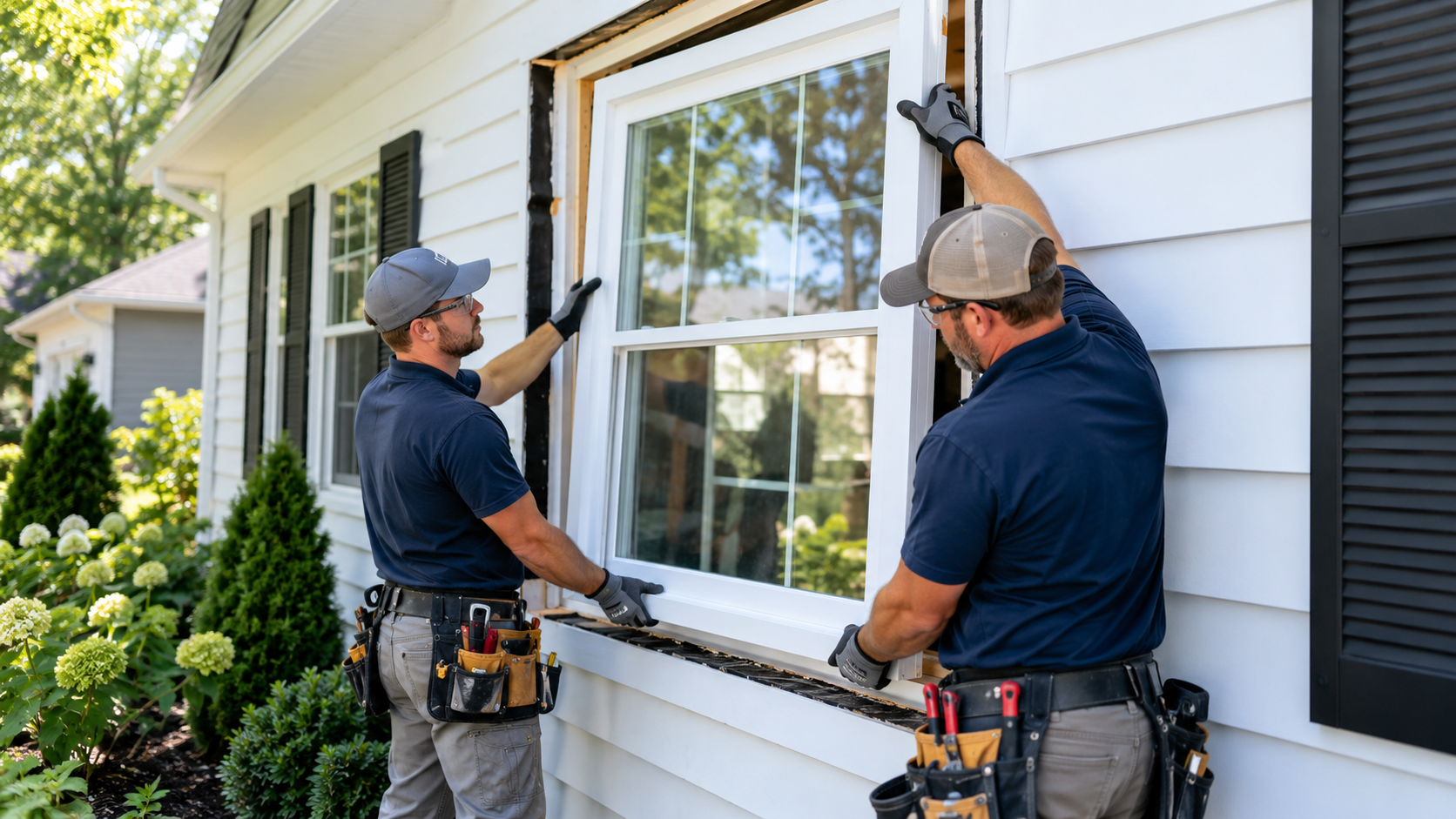
Check operation, alignment, locks, weatherstripping, interior trim, and exterior sealing. Request documentation for the installed window model and warranty.
A beautiful finished appearance is not enough if the window has been installed incorrectly.
Best Energy-Efficient Window Options for American Homes
Different window styles can improve comfort when paired with suitable glazing and correct installation.

1. Double-Hung Windows
Double-hung windows feature two vertically sliding sashes and complement many traditional American houses. Compare their air leakage ratings, glazing options, and ease of cleaning.

2. Casement Windows
Casement windows open using hinges and often incorporate compression-style seals. They provide useful ventilation and may offer strong air leakage performance when properly closed.

3. Picture Windows
Fixed picture windows provide uninterrupted views and do not contain operating sashes. They can offer good airtightness, although appropriate glass selection is important for large sun-exposed areas.

4. Triple-Pane Windows
Triple-pane glazing may be useful in colder climates or homes prioritizing high thermal performance. Compare incremental costs, certified ratings, and frame construction before upgrading.
The ENERGY STAR product finder identifies certified windows by manufacturer, product type, and applicable climate zone.
EPA ENERGY STAR
How to Compare Window Energy Performance Ratings
Window labels can look technical, but a few measurements provide valuable guidance.
| Performance rating | What it measures | General selection guidance |
|---|---|---|
| U-factor | Heat transfer through the window | Lower generally means better insulation |
| SHGC | Solar heat entering through the window | Lower helps reduce unwanted solar heating |
| Visible transmittance | Amount of visible light passing through | Higher allows more daylight |
| Air leakage | Air passing through the window assembly | Lower generally means less leakage |
ENERGY STAR Version 7.0 Criteria
For standard residential windows, the current Version 7.0 specification includes these climate-based requirements:
| Climate zone | Maximum U-factor | SHGC requirement |
|---|---|---|
| Northern | 0.22 | At least 0.17 |
| North-Central | 0.25 | No more than 0.40 |
| South-Central | 0.28 | No more than 0.23 |
| Southern | 0.32 | No more than 0.23 |
Summary of ENERGY STAR Version 7.0 window criteria. Additional conditions and exceptions may apply to particular qualifying products.
ENERGY STAR
A product may qualify for one climate zone but not another. Verify certification for the exact model and glazing configuration.
How Much Does It Cost to Install a More Energy-Efficient Window?
The total expense depends on window size, design, frame material, glazing, labor, and the condition of the existing opening.
For example, a straightforward insert replacement may require less wall reconstruction than a full-frame installation involving damaged trim and framing.
Projects with oversized windows, structural changes, or custom architectural details often involve additional work.
What Should a Window Installation Quote Include?
Request written details covering the window model, dimensions, glazing specifications, frame materials, labor, flashing, disposal, finishing, and warranty terms.
Ask whether permit fees, interior trim repairs, and unexpected moisture damage are included.
Comparing quotes based on the same technical specifications makes it easier to evaluate value.
Are Window Replacement Tax Credits Available in 2026?
An important change affects U.S. homeowners: the federal Energy Efficient Home Improvement Credit under Section 25C ended for qualifying property placed in service after December 31, 2025.
Therefore, windows newly installed in 2026 do not qualify for that expired federal credit under the current rules.
Internal Revenue Service
Some utility programs or state and local incentives may still be available. Check eligibility and funding directly with the program administrator before purchasing.
Window Replacement vs. Window Repair
Installing new windows is not always the most cost-effective way to improve household efficiency.
If the existing windows are structurally sound, weatherstripping, appropriate caulking, storm windows, or other improvements may address some comfort problems.
| Consideration | Window repair or weatherization | Full replacement |
|---|---|---|
| Initial cost | Usually lower | Usually higher |
| Scope | Targets existing defects | Replaces window components |
| Appearance | Generally retains original style | Offers new design options |
| Energy improvement | Depends on the original condition | Depends on selected product and installation |
| Best use | Sound windows with fixable problems | Significant damage or unsuitable performance |
The Department of Energy recommends considering air sealing and insulation as part of an overall home-efficiency strategy rather than focusing exclusively on replacement windows.
The Department of Energy’s Energy.gov
Researching Window City Pros Before Hiring
Homeowners researching energy-efficient window installation and replacement information at Window City Pros may encounter the company through historical listings.
Window City Pros has previously been associated with residential replacement windows and doors in Ohio and other markets.
However, its website could not be accessed during this research, and Better Business Bureau profiles currently flag the company as out of business or suspected out of business. Accordingly, its present operation, services, and installation availability should not be assumed.
Better Business Bureau
+1
Before contacting any window replacement business, independently verify that it is operating, holds appropriate local registrations or licenses, maintains relevant insurance, and can provide current manufacturer and workmanship warranty documentation.
This approach protects homeowners from relying on outdated directory information or unsupported service claims.
Step-by-Step Window Replacement Planning Checklist
Step 1: Inspect and Prioritize
Identify windows with visible damage, serious drafts, or significant performance problems.
Determine whether targeted repairs or complete replacement are justified.
Step 2: Select Suitable Window Specifications
Choose the glazing and frame options based on climate, orientation, comfort requirements, and budget.
Verify NFRC ratings and ENERGY STAR certification where relevant.
Step 3: Compare Qualified Installers
Obtain multiple written quotations and review installation methods, warranties, payment terms, and permits.
Ask who is responsible for final measurements and water-management details.
Step 4: Inspect and Maintain the Installation
Check opening and closing functions, locks, weatherstripping, sealant, and visible flashing.
Keep product labels, warranty documents, and installation records for future reference.
Common Energy-Efficient Window Installation Mistakes to Avoid
One mistake is purchasing windows based only on appearance or marketing claims without checking certified performance ratings.
Another is choosing the lowest installation quote while overlooking flashing, insulation, and weatherproofing.
Some homeowners replace all their windows before investigating easier improvements such as sealing air leaks or repairing damaged weatherstripping.
Failing to check local code requirements, especially for bedroom emergency escape openings, may also create problems.
For houses built before 1978, window replacement can disturb lead-based paint. Contractors covered by the EPA Renovation, Repair and Painting Rule must follow applicable lead-safe requirements.
ENERGY STAR
Finally, avoid assuming that a federal tax incentive remains available simply because an older article or contractor advertisement mentions it.
Frequently Asked Questions About Energy-Efficient Window Installation
How can I install a more energy-efficient window?
Start by evaluating the existing opening and selecting a window certified for your climate. A qualified installer can complete measurements, flashing, air sealing, installation, and final performance checks.
Do energy-efficient windows really reduce electricity bills?
They can reduce heating and cooling energy use, particularly when replacing inefficient single-pane windows. Actual savings depend on climate, existing windows, household energy use, and installation quality.
Are double-pane windows better than single-pane windows?
Double-pane windows generally offer improved insulation compared with conventional single-pane designs, especially when paired with suitable low-E coatings and efficient frames.
Are triple-pane windows worth the additional cost?
They may be worthwhile in colder climates or homes with demanding comfort requirements. Compare certified performance, purchase costs, and expected benefits before deciding.
What is the best window frame material?
Vinyl, fiberglass, wood, and thermally improved aluminum each have advantages. The best option depends on climate, appearance, maintenance preferences, and the complete window’s performance.
Can I replace one window instead of every window?
Yes. Replacing only damaged or poorly performing windows can be practical, particularly when other windows remain in good condition.
How long does window installation take?
A straightforward residential replacement may be completed relatively quickly, but the schedule varies with the number of windows, access, wall condition, and necessary repairs.
Can I receive a federal tax credit for replacing windows in 2026?
Under current federal law, the Section 25C Energy Efficient Home Improvement Credit does not apply to windows placed in service after December 31, 2025. Local rebates may have separate eligibility rules.
Conclusion
Choosing to install a more energy-efficient window can improve indoor comfort and help reduce unwanted heat transfer, especially when replacing older, poorly performing units.
However, the right window depends on more than its appearance or number of glass panes.
Climate-appropriate U-factor and SHGC ratings, durable framing, proper measurements, effective flashing, and careful air sealing all influence the finished result.
Before purchasing, determine whether your existing windows actually require replacement or whether targeted repairs could address the problem.
Compare qualified installers, request detailed quotations, and verify product certifications and warranty coverage.
Homeowners should also investigate current local incentives rather than relying on expired federal tax credit information.
With suitable products, professional installation, and ongoing maintenance, new windows can contribute to a more comfortable and efficient American home.

Written by Twastia Editorial Team
Twastia Editorial Team shares practical insights about website design, SEO services, Google Ads, content marketing, social media, conversion rate optimization, and digital marketing strategy.
Last updated: Oct 26, 2026
Related posts from Twastia
Explore more useful articles from twastia.com about digital marketing, SEO, websites, ads, content, and growth strategy.