HVAC Maintenance: Best Guide to Home Heating & Cooling Care
Your heating and cooling system works throughout the year to keep your home comfortable. Whether your air conditioner is running […]
Your heating and cooling system works throughout the year to keep your home comfortable. Whether your air conditioner is running during a hot Texas summer or your furnace is operating through a cold winter, reliable indoor comfort depends on equipment that receives proper attention.
Unfortunately, many homeowners forget about their HVAC systems until something stops working. A clogged air filter, blocked drain, or neglected mechanical component can gradually affect performance and lead to inconvenient repairs.
Regular HVAC maintenance helps address these problems before they become more serious. By combining simple homeowner responsibilities with professional inspections, you can support energy efficiency, indoor comfort, and equipment reliability.
According to ENERGY STAR, nearly half of the energy used in a typical American home goes toward heating and cooling. This makes maintaining these systems an important part of responsible homeownership.
In this complete guide, you will learn why maintenance matters, which components require attention, when to schedule professional service, and how to recognize problems before an unexpected breakdown.
What Is HVAC Maintenance?
HVAC stands for heating, ventilation, and air conditioning. These systems regulate indoor temperatures and help circulate conditioned air throughout a building.
HVAC maintenance refers to the routine inspection, cleaning, adjustment, and servicing of heating and cooling equipment.
The goal is to keep the system operating safely and efficiently while identifying potential problems early.
What Does Routine HVAC Maintenance Include?
A typical service visit may involve several activities, depending on the equipment installed.
Common tasks include:
- Inspecting and replacing air filters
- Checking thermostat operation
- Examining electrical connections
- Cleaning accessible heating and cooling components
- Inspecting condensate drainage
- Evaluating airflow and system performance
- Checking refrigerant-related operating conditions
- Examining safety controls
- Identifying unusual equipment sounds or vibrations
Qualified technicians determine which checks are appropriate based on the system’s design, age, and manufacturer requirements.
Why Regular HVAC Maintenance Is Important
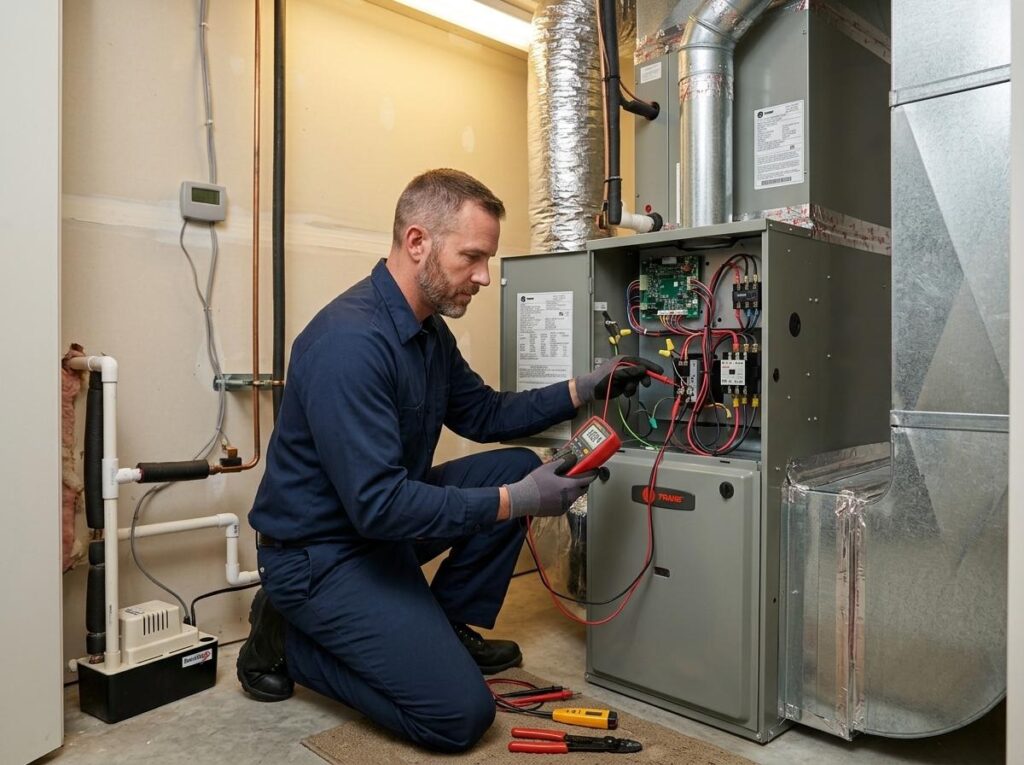
Homeowners often think of maintenance as an unnecessary expense. However, overlooking routine care can create larger costs over time.
1. Improve Energy Efficiency
Dirty filters and restricted airflow force heating and cooling systems to operate under less favorable conditions.
When equipment struggles to deliver conditioned air, energy consumption may increase.
Regular filter changes, professional inspections, and appropriate equipment cleaning help support efficient performance.
However, actual savings depend on system condition, household usage, and existing maintenance practices.
2. Reduce Unexpected Breakdowns
Small mechanical and electrical problems can become serious if ignored.
For example, a failing component may initially cause unusual noises or inconsistent operation.
A professional inspection may identify warning signs before a complete failure occurs.
Although preventive service cannot guarantee that equipment will never break down, it can reduce certain avoidable problems.
3. Support Longer Equipment Life
Heating and cooling equipment represents a significant household investment.
Regular servicing can help limit unnecessary strain and identify operating conditions that contribute to premature wear.
Maintenance does not eliminate normal aging, but it supports better long-term equipment care.
4. Maintain Indoor Comfort
An HVAC system should deliver suitable temperatures throughout the home.
Restricted airflow, thermostat problems, or poorly performing equipment may create uncomfortable rooms and inconsistent temperatures.
Maintenance helps identify issues that interfere with normal heating and cooling performance.
Essential HVAC Maintenance Checklist for Homeowners
Some maintenance activities are simple enough for homeowners to perform, while others require professional training.
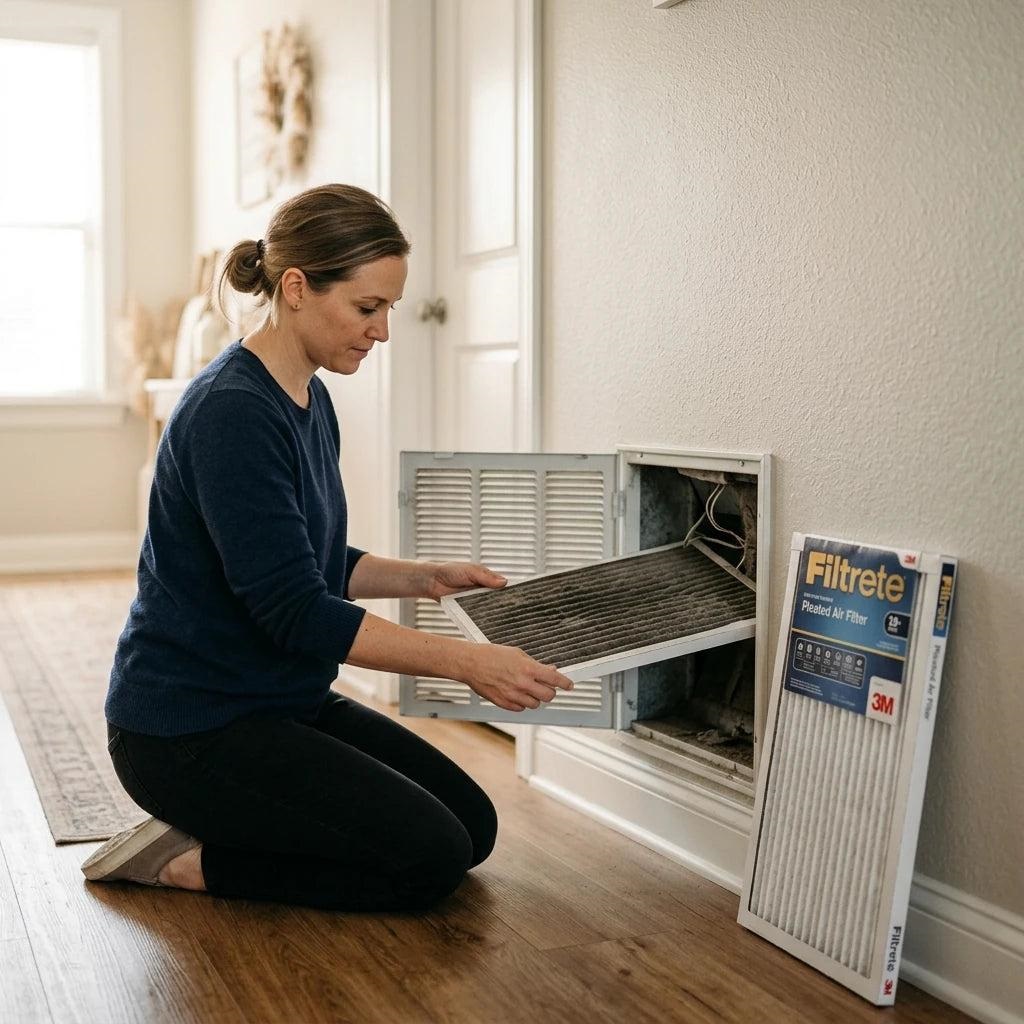
Check and Replace Air Filters
Air filters capture airborne particles as air circulates through the heating and cooling system.
Over time, dirt buildup can restrict airflow.
ENERGY STAR recommends checking filters monthly, especially during periods of heavy heating or cooling use.
Replace disposable filters when dirty, following the equipment manufacturer’s instructions. Many systems require replacement at least every three months, while certain conditions require more frequent attention.
Always use the correct filter dimensions and compatible filtration rating.
Keep Outdoor Units Clear
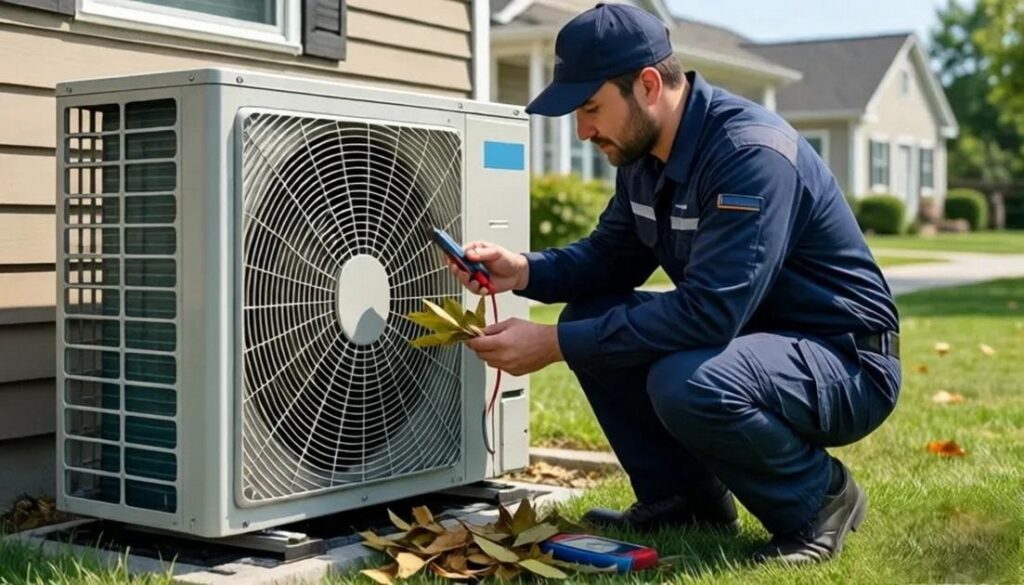
Outdoor air conditioning units need adequate airflow.
Leaves, grass clippings, vegetation, and other debris can obstruct the equipment.
Keep surrounding landscaping trimmed according to manufacturer clearance recommendations.
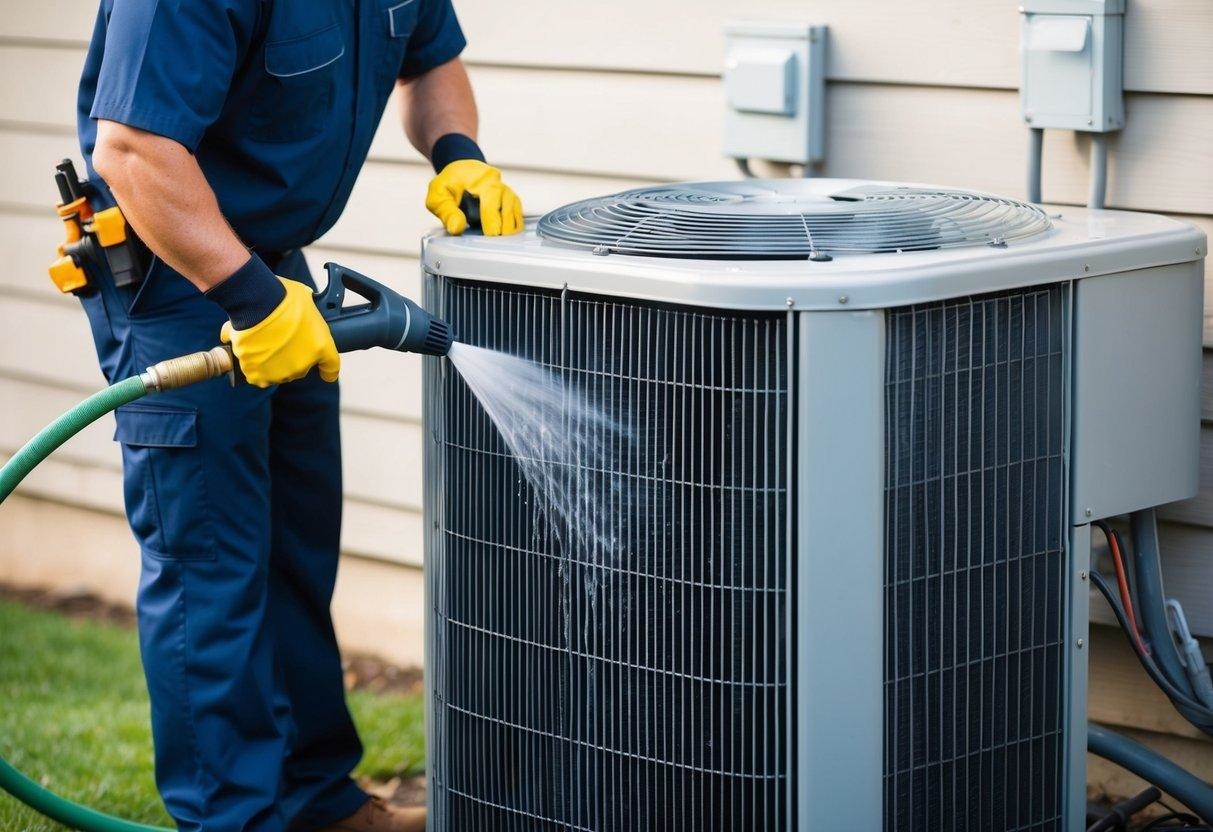
Remove loose debris from the surrounding area, but avoid opening electrical compartments or using high-pressure washing equipment.
Monitor Your Thermostat
Check that your thermostat responds appropriately when heating or cooling settings change.
An incorrectly configured thermostat may contribute to unnecessary energy consumption or uncomfortable temperatures.
A properly programmed smart thermostat may also help manage temperatures when the home is unoccupied.
Look for Moisture Problems
Water collecting near an indoor air handler can indicate a condensate drainage problem.
Blocked drains may contribute to water damage or equipment shutdowns.
If you notice unexpected moisture, arrange an inspection rather than ignoring the problem.
Professional HVAC Maintenance: What Technicians Check
Professional service involves technical inspections that go beyond basic household upkeep.
Electrical Components
Technicians inspect appropriate connections, controls, and electrical components for warning signs.
Loose or damaged electrical connections can create operational and safety concerns.
Electrical testing and repairs should be performed by qualified professionals.
Evaporator and Condenser Coils
Cooling coils transfer heat during air conditioning operation.
Accumulated dirt may reduce heat transfer and affect performance.
A technician can assess whether cleaning is needed and use methods compatible with the equipment.
Refrigerant System
Air conditioning systems depend on an appropriate refrigerant charge.
An unusually low refrigerant charge may indicate a leak or another system problem.
Refrigerant is not normally consumed during routine operation.
Technicians should investigate suspected leaks instead of repeatedly adding refrigerant without identifying the cause.
Motors and Moving Components
Some HVAC systems contain moving parts that require inspection or manufacturer-specified lubrication.
Technicians evaluate unusual vibrations, wear, and operating conditions.
The appropriate procedures vary by equipment design.
Seasonal HVAC Maintenance: When Should You Schedule Service?
Scheduling inspections before periods of heavy demand is a practical approach.
Spring: Air Conditioning Maintenance
Spring is a suitable time to prepare cooling equipment for summer.
A technician may inspect the condenser, evaluate airflow, check drainage, and test cooling performance.
Addressing problems early can reduce the risk of discovering them during extremely hot weather.
Fall: Heating System Maintenance
Fall is generally a good time to arrange furnace or heating system service.
A professional inspection may include checking heating controls, safety devices, combustion-related components where applicable, and system operation.
Gas-fired systems require particular attention to safe operation.
How Often Is HVAC Maintenance Needed?
ENERGY STAR recommends annual pre-season checkups, with cooling equipment checked in spring and heating equipment in fall.
For homes with separate heating and cooling equipment, this commonly means two seasonal service visits.
Heat pumps and heavily used systems may require a schedule tailored to their operating conditions.
Always consult the manufacturer’s maintenance instructions.
HVAC Maintenance in Hot and Humid Climates
Climate plays an important role in equipment operation and maintenance needs.
Homes in Houston and other Gulf Coast communities often rely heavily on air conditioning during extended warm and humid periods.
Managing Humidity
Air conditioning systems help remove moisture from indoor air during normal cooling operation.
However, oversized equipment, poor airflow, or system problems can contribute to inadequate humidity control.
If your home frequently feels damp, ask a qualified technician to evaluate its cooling and ventilation performance.
Maintaining Condensate Drainage
Air conditioners operating in humid environments can produce substantial condensate.
Drainage problems may cause moisture accumulation near indoor equipment.
Regular inspection of condensate lines and related safety controls is particularly important in these conditions.
Finding Local HVAC Services
Homeowners looking for professional HVAC maintenance in Houston can explore services offered by H-Town AC Repair.
According to its official website, the company provides heating, air conditioning, installation, repair, and preventive maintenance services in Houston, Texas.
Its advertised maintenance activities include coil and drain cleaning, connection inspections, thermostat checks, and equipment performance assessments.
Homeowners should confirm service availability, pricing, and appointment details directly.
Signs Your HVAC System Needs Professional Attention
Even with routine service, unexpected problems can develop.
Weak or Uneven Airflow
Poor airflow may result from dirty filters, duct restrictions, blower problems, or other equipment issues.
Begin by checking accessible filters and ensuring supply vents are not blocked.
If the problem continues, schedule an inspection.
Unusual Noises
Grinding, rattling, buzzing, or persistent squealing may indicate mechanical or electrical problems.
Turn off equipment if it appears unsafe, and seek professional assistance.
Unexplained Energy Bill Increases
Higher utility costs may reflect weather changes, increased usage, rate adjustments, or equipment inefficiency.
Compare usage patterns before assuming the HVAC system is responsible.
A technician can help investigate unusual performance.
Frequent System Cycling
Equipment that repeatedly starts and stops may have thermostat, airflow, sizing, or control-related problems.
Professional diagnosis is important because several different conditions can produce similar symptoms.
Unusual Odors
A brief dusty smell when heating begins may have a different cause from a strong burning or chemical odor.
If you suspect a gas leak, leave the area and contact the gas utility or emergency services from a safe location.
How Much Does HVAC Maintenance Cost?
HVAC maintenance pricing varies across the United States.
Costs depend on the type of equipment, location, accessibility, system condition, and work required.
Factors Affecting Service Pricing
A basic inspection may cost less than a visit involving extensive cleaning or additional repairs.
Important considerations include equipment age, number of systems, replacement components, and technician labor.
Some contractors offer annual maintenance plans that combine scheduled inspections with selected customer benefits.
Is a Maintenance Plan Worth Considering?
A service plan may be convenient for homeowners who prefer scheduled appointments and predictable routine maintenance arrangements.
However, review the contract carefully.
Confirm what inspections, cleaning activities, discounts, and exclusions are included.
Compare the annual plan price with the cost of individual service visits.
DIY HVAC Maintenance vs. Professional Service
Not every maintenance task requires a technician, but homeowners should understand their limits.
Tasks Homeowners Can Usually Handle
Depending on the equipment instructions, homeowners may:
- Replace accessible air filters
- Clean supply and return vent covers
- Keep outdoor landscaping clear
- Monitor thermostat settings
- Watch for unusual noise or moisture
- Maintain clear access to heating equipment
Always switch equipment off when instructed and avoid disturbing electrical or refrigerant components.
Tasks Best Left to Professionals
Electrical diagnostics, refrigerant handling, sealed-system repairs, gas combustion testing, and internal mechanical repairs require appropriate expertise.
The U.S. Environmental Protection Agency requires Section 608 certification for technicians performing covered refrigerant-related service activities.
Attempting these repairs without suitable qualifications can create safety risks and may violate regulations.
Common HVAC Maintenance Mistakes to Avoid
Several common habits can reduce the benefits of preventive care.
Ignoring Dirty Filters
Restricted filters can interfere with airflow and equipment operation.
Set a recurring reminder to inspect them.
Closing Too Many Air Vents
Closing multiple supply vents may create airflow and pressure problems in certain duct systems.
Ask an HVAC professional about zoning or airflow balancing rather than using vents as a general energy-saving strategy.
Neglecting Minor Problems
A small leak or unusual sound may develop into a more serious concern.
Early investigation is often more practical than waiting for complete equipment failure.
Skipping Manufacturer Instructions
Every HVAC system has specific operating and maintenance requirements.
Generic advice should never replace the manufacturer’s guidance for your equipment.
Frequently Asked Questions About HVAC Maintenance
1. What is included in HVAC maintenance?
Typical maintenance includes filter checks, thermostat testing, electrical inspection, coil assessment, drainage inspection, airflow evaluation, and equipment safety checks. The exact tasks depend on the system.
2. How often should HVAC maintenance be performed?
Annual pre-season servicing is widely recommended. Homes with separate heating and cooling systems often benefit from spring and fall inspections.
3. Can regular HVAC maintenance lower electricity bills?
It may reduce unnecessary energy consumption when dirty filters, airflow restrictions, or other maintenance-related problems are affecting performance. Savings are not guaranteed.
4. How often should HVAC air filters be changed?
Inspect filters monthly during heavy usage. Replace them when dirty and according to the manufacturer’s recommended schedule.
5. Is HVAC maintenance necessary for new systems?
Yes. Newly installed equipment also requires routine care to maintain performance and comply with applicable manufacturer maintenance requirements.
6. What happens if HVAC maintenance is neglected?
Neglect can contribute to restricted airflow, reduced efficiency, avoidable repairs, and premature component wear.
7. Can homeowners perform HVAC maintenance themselves?
Homeowners can handle certain basic tasks, such as accessible filter replacement. Electrical, refrigerant, and specialized mechanical work should be handled by qualified technicians.
8. How do I choose a reliable HVAC maintenance company?
Compare licensing information, relevant experience, written estimates, service descriptions, customer feedback, and maintenance plan terms before scheduling work.
Conclusion
Regular HVAC maintenance is an important part of protecting your home’s comfort, energy efficiency, and heating and cooling equipment.
Simple habits such as checking filters, keeping outdoor units clear, and monitoring unusual system behavior can help prevent avoidable problems.
Professional inspections provide an additional level of care by evaluating components that homeowners should not service themselves.
Whether you live in Houston, another warm southern city, or a region with cold winters, a maintenance schedule suited to your climate and equipment can support more reliable operation.
By combining consistent homeowner care with qualified professional service, you can make more informed maintenance decisions, reduce unexpected disruptions, and keep your heating and cooling system performing as intended throughout the year.

Written by Twastia Editorial Team
Twastia Editorial Team shares practical insights about website design, SEO services, Google Ads, content marketing, social media, conversion rate optimization, and digital marketing strategy.
Last updated: Oct 27, 2026
Related posts from Twastia
Explore more useful articles from twastia.com about digital marketing, SEO, websites, ads, content, and growth strategy.