Commercial Real Estate: Best Guide for First-Time Buyers
Buying commercial property can be an important financial decision for business owners and investors. Whether you want an office for […]
Buying commercial property can be an important financial decision for business owners and investors. Whether you want an office for your growing company, a retail storefront, or a warehouse that produces rental income, the right property can support long-term business goals.
However, commercial real estate involves different risks, financing requirements, legal responsibilities, and operating expenses from residential property.
First-time buyers often focus on location and asking price without fully considering lease agreements, maintenance costs, zoning restrictions, or future market demand.
Understanding these factors before purchasing can help you avoid expensive mistakes.
This guide covers commercial property types, buying strategies, financing options, property valuation, due diligence, and practical investment considerations for the United States.
What Is Commercial Real Estate?
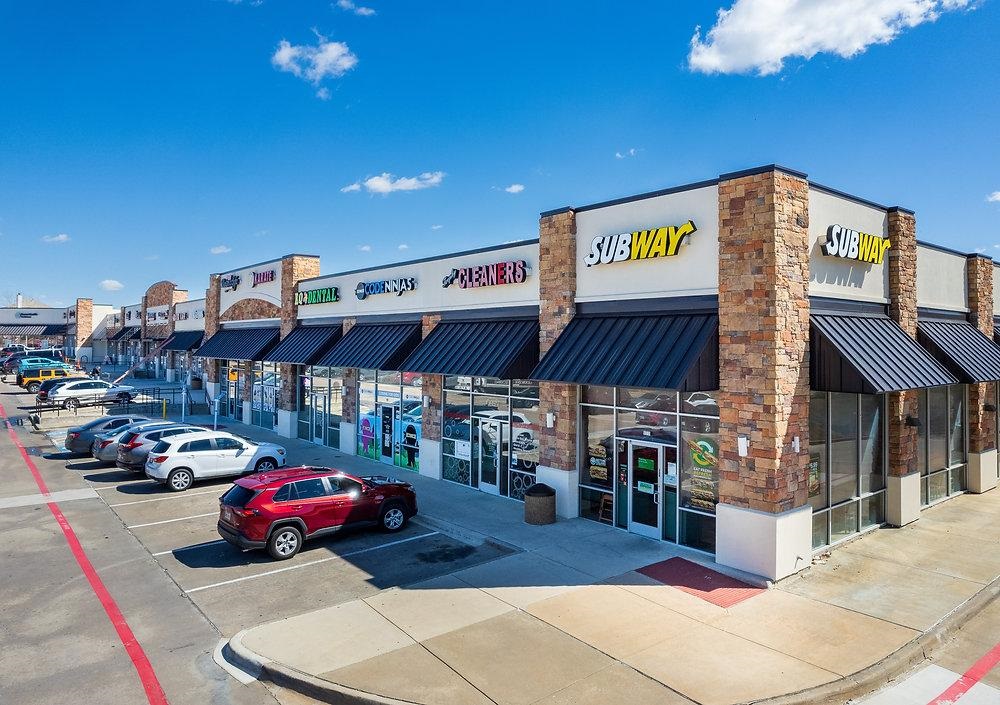
Commercial real estate refers to property used primarily for business or investment purposes.
It includes office buildings, shopping centers, warehouses, industrial facilities, and certain multifamily residential properties.
Commercial vs. Residential Real Estate
Residential real estate generally focuses on housing, while commercial property serves business activities or generates investment income.
Commercial purchases often involve more detailed financial analysis, specialized loans, and complex lease arrangements.
Why Businesses Buy Commercial Property

Some companies purchase buildings to establish permanent locations and control their operating environment.
Others buy properties to generate rental income, build equity, or diversify investments.
The appropriate strategy depends on business needs and financial resources.
Main Types of Commercial Real Estate
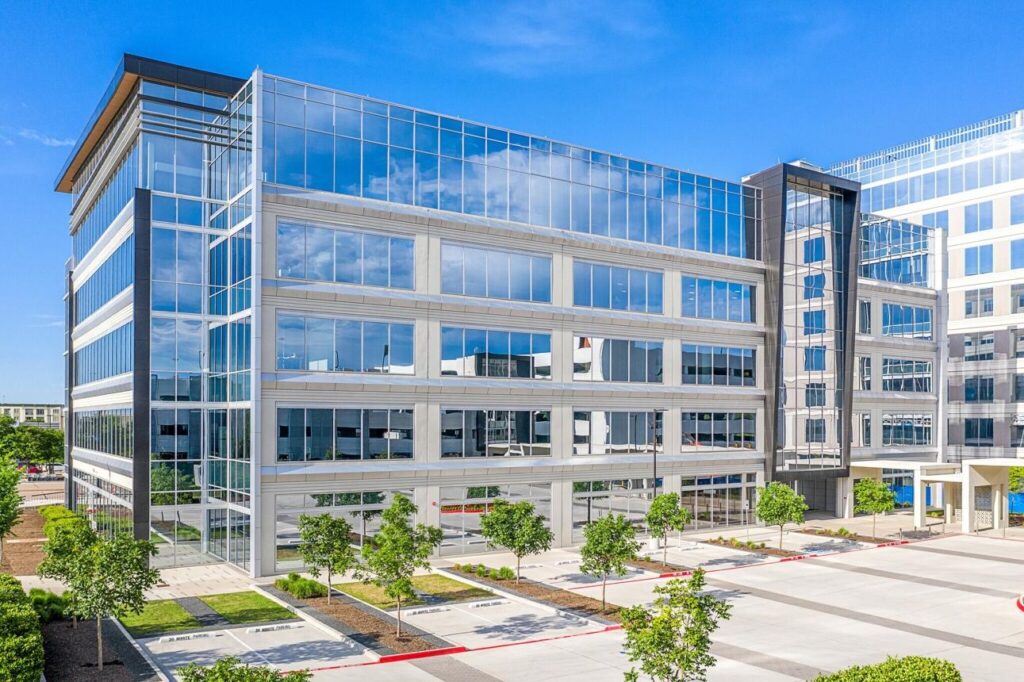
Understanding property categories helps buyers identify suitable opportunities.
Office Buildings
Office properties accommodate professional services, administrative operations, and other business activities.
Consider tenant demand, parking, building layouts, internet infrastructure, and commuting convenience.
Retail Properties
Retail properties include shopping centers, standalone stores, and neighborhood storefronts.
Visibility, customer traffic, surrounding businesses, and accessibility can influence performance.
Industrial Properties
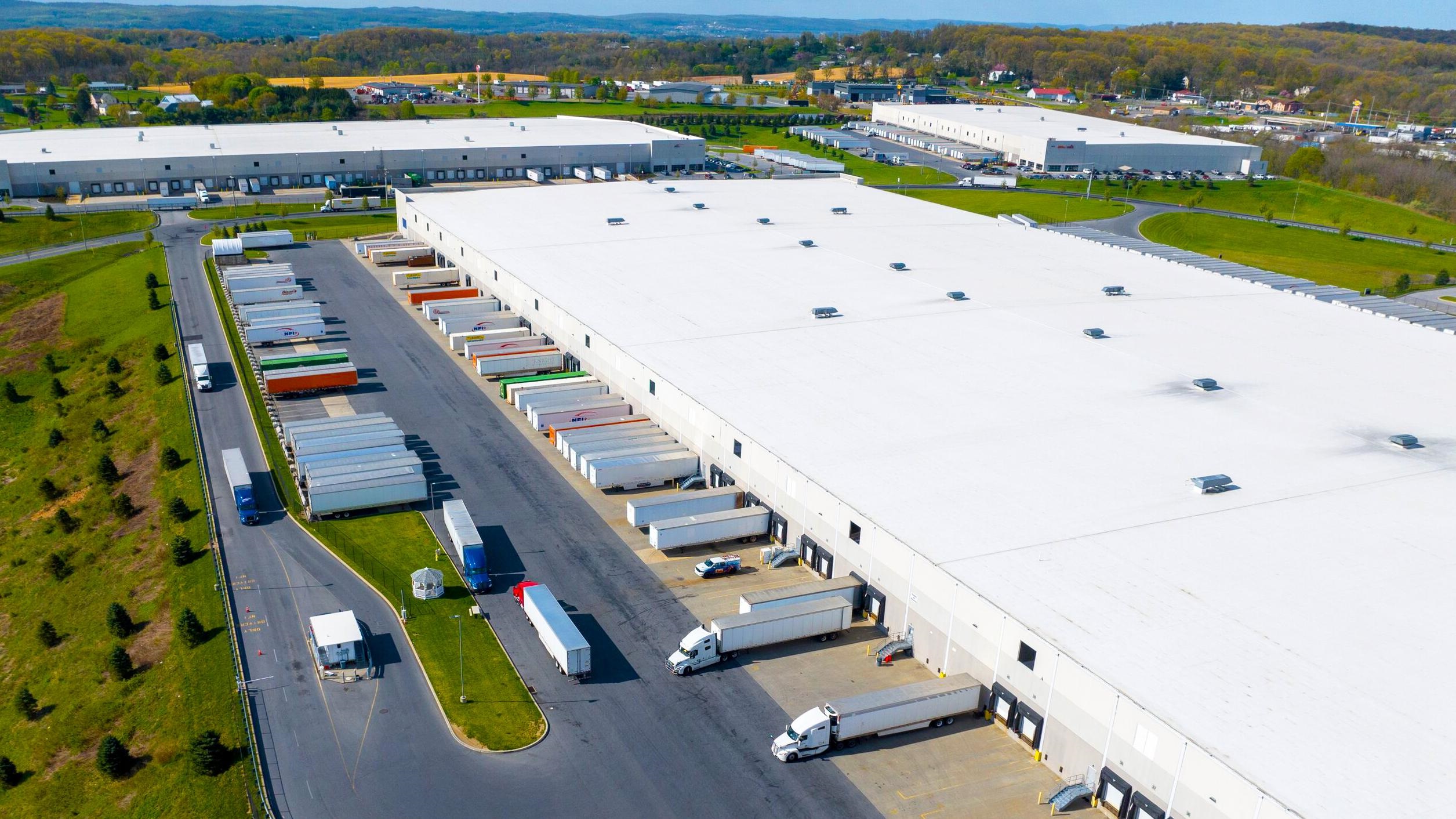
Warehouses, distribution centers, and manufacturing facilities fall within industrial real estate.
Important considerations include loading docks, ceiling heights, truck access, electrical capacity, and zoning.
Multifamily Properties
Larger apartment buildings are commonly treated as commercial investments.
Their performance depends on rental income, vacancies, maintenance, and local housing demand.
Why Invest in Commercial Property?
Commercial real estate offers potential benefits, but returns are never guaranteed.
Rental Income
Leased properties may generate recurring income from business tenants.
Actual cash flow depends on occupancy, expenses, tenant payments, and financing.
Long-Term Equity
Mortgage payments may gradually increase the owner’s equity as loan principal decreases.
Property appreciation is possible but not assured.
Business Stability
Owner-occupants may gain more control over their premises and future property improvements.
Ownership also introduces repair and maintenance responsibilities.
Portfolio Diversification
Commercial property can provide exposure to a different asset category.
However, individual buildings are often illiquid and concentrated investments.
Step 1: Learn the Commercial Property Market
Education is particularly valuable for first-time buyers.
Research Local Conditions
Study vacancy rates, asking rents, property sales, and development activity.
Different commercial sectors may perform differently within the same city.
Understand Local Economic Drivers
Employment growth, business expansion, transportation access, and population changes can influence demand.
The National Association of Realtors tracks these factors through its Commercial Real Estate Demand Index.
Learn Basic Terminology
Become familiar with net operating income, capitalization rates, lease structures, and operating expenses.
Understanding these terms makes property comparisons more meaningful.
Step 2: Establish Your Investment Budget
A realistic budget includes more than the purchase price.
Calculate Available Capital
Determine your potential down payment while preserving adequate reserves.
Avoid committing funds needed for business operations or emergencies.
Estimate Financing Costs
Consider loan payments, interest rates, closing expenses, and possible refinancing requirements.
Commercial loans may have different terms from residential mortgages.
Allow for Unexpected Expenses
Roof repairs, HVAC replacements, vacancies, and compliance upgrades can affect cash flow.
Create a reserve appropriate for the property’s condition and risk profile.
Step 3: Choose the Right Location
Location should match the property’s intended use.
Retail Visibility
Retail businesses may benefit from customer traffic, parking, signage, and convenient access.
Analyze the surrounding customer base rather than relying only on street activity.
Office Accessibility
Employees and clients may prioritize transportation connections, parking, and nearby services.
Industrial Logistics
Industrial users often need efficient access to major highways and freight routes.
Loading space and truck circulation can be more important than appearance.
Future Development
Research nearby construction, zoning proposals, and infrastructure projects.
Growth opportunities should be evaluated alongside potential competition.
Step 4: Work With Commercial Real Estate Professionals
Experienced advisers can help buyers understand unfamiliar transactions.
Commercial Real Estate Broker
A specialized broker can identify available properties, provide market comparisons, and explain typical transaction practices.
Clarify whom the broker represents and how compensation works.
Real Estate Attorney
An attorney can review purchase agreements, title issues, easements, and contractual obligations.
Property Inspector
Qualified inspectors evaluate building systems and identify potential repair needs.
Specialized inspections may be necessary for older or industrial properties.
Accountant and Lender
Financial professionals can review cash flow, taxes, debt obligations, and financing suitability.
Step 5: Evaluate Property Condition
A building’s appearance does not tell the complete story.
Structural Components
Inspect roofs, foundations, exterior walls, and other major elements.
Mechanical Systems
Review heating, cooling, plumbing, electrical systems, and fire protection equipment.
Accessibility
Determine whether the building meets applicable accessibility requirements or requires improvements.
Maintenance History
Request service records, repair documentation, and information about major equipment replacements.
Deferred maintenance can increase ownership expenses.
Step 6: Complete Commercial Property Due Diligence
Due diligence is the process of investigating a property before committing to the purchase.
Review Title and Ownership
Confirm legal ownership, property boundaries, easements, liens, and recorded restrictions.
Check Zoning Requirements
Make sure your planned business activity is permitted.
A retail building is not automatically approved for manufacturing or warehouse operations.
Investigate Environmental Risks
Past industrial or commercial uses may create contamination concerns.
A Phase I Environmental Site Assessment can be important when evaluating potential environmental liability.
Examine Existing Leases
For occupied properties, review lease terms, rent schedules, security deposits, renewal options, and tenant obligations.
Do not rely entirely on seller-provided income summaries.
Step 7: Understand Commercial Real Estate Financing
Financing options vary according to property type, borrower qualifications, and intended use.
Conventional Commercial Mortgages
Banks and other lenders may finance qualifying commercial acquisitions.
Terms can depend on business income, creditworthiness, property valuation, and cash flow.
SBA 504 Loans
The U.S. Small Business Administration’s 504 program provides long-term, fixed-rate financing for qualifying major fixed assets.
Eligible uses include purchasing or improving buildings for qualifying operating businesses.
The program is not designed for speculative investment in rental real estate.
SBA 7(a) Loans
Eligible businesses may also investigate SBA 7(a) financing for qualifying real estate and other business purposes.
Lenders determine suitability according to program rules.
Financing Preparation
Gather financial statements, tax records, business plans, and available property information before approaching lenders.
Step 8: Analyze Property Investment Returns
Financial analysis helps determine whether an asking price is reasonable.
Net Operating Income
Net operating income, or NOI, generally represents property operating income minus operating expenses, before debt service and certain other costs.
It helps compare income-producing properties.
Capitalization Rate
The capitalization rate relates annual NOI to property value.
For example, a property producing $80,000 in annual NOI and valued at $1 million has an 8% capitalization rate.
A higher cap rate does not automatically mean a better investment.
Cash Flow
Cash flow considers income and expenses, including financing payments.
A property with attractive gross rent may still generate weak cash flow after costs.
Vacancy Risk
Model periods without tenants and the expenses involved in finding replacements.
Conservative assumptions help reveal financial weaknesses.
Step 9: Review Commercial Lease Agreements
Existing and potential leases affect property income and responsibilities.
Gross Leases
Under many gross lease arrangements, landlords pay specified operating costs from rental income.
Exact obligations depend on the contract.
Triple Net Leases
Triple net, or NNN, leases commonly assign certain property taxes, insurance, and maintenance costs to tenants.
The actual allocation must be confirmed in writing.
Lease Duration
Review expiration dates, rent increases, renewal rights, and termination provisions.
Tenant Quality
Evaluate payment histories and relevant financial information where legally available.
A building’s value can depend significantly on reliable tenants.
Step 10: Negotiate and Close the Transaction
Successful negotiations consider more than the purchase price.
Request Supporting Documents
Obtain leases, expense records, survey information, and inspection reports when available.
Negotiate Contingencies
Contract provisions may address financing approval, satisfactory inspections, title review, and environmental assessments.
Confirm Closing Costs
Discuss legal fees, title charges, lender expenses, taxes, and other transaction costs.
Complete Final Verification
Before closing, confirm agreed repairs, occupancy status, contract requirements, and insurance arrangements.
Buying vs. Leasing Commercial Real Estate
Not every growing business should purchase its premises.
Advantages of Buying
Ownership may build equity, provide operational control, and reduce exposure to certain lease-renewal decisions.
Advantages of Leasing
Leasing can preserve cash, support relocation, and reduce responsibilities for some property expenses.
Choosing the Right Approach
Compare total occupancy costs, expected business growth, financing needs, and location flexibility.
A business expecting rapid changes may value flexibility more than ownership.
Common Mistakes First-Time Buyers Make
Buying Without Research
An attractive building may have weak tenant demand or expensive maintenance requirements.
Ignoring Future Expenses
Underestimating taxes, insurance, repairs, and vacancies can undermine investment returns.
Overlooking Zoning
A building may not legally support the activity you intend to operate.
Assuming Appreciation
Property values can decline even in desirable locations.
Skipping Professional Advice
Complex legal and environmental issues can become costly after closing.
Long-Term Commercial Property Management
Ownership responsibilities continue after the purchase.
Maintain the Building
Schedule inspections and service for major mechanical and structural systems.
Monitor Market Conditions
Review comparable rents, tenant demand, and local development activity.
Plan Capital Improvements
Create reserves for significant future expenses.
Develop an Exit Strategy
Consider potential resale, refinancing, redevelopment, or alternative uses before investing.
Market conditions may affect when and how you can sell.
What Urban Splatter Recommends for First-Time Buyers
The article Best Advice for First-Time Commercial Real Estate Buyers from Urban Splatter highlights several foundational purchasing principles.
Education and Budgeting
The article encourages first-time buyers to understand commercial markets and define an affordable investment budget.
Location and Expert Support
It emphasizes choosing locations suited to the property type and working with knowledgeable commercial real estate professionals.
Long-Term Flexibility
The source also discusses financing readiness, future property use, and evaluating potential appreciation.
These principles remain useful, but buyers should apply them to current market conditions rather than assuming any particular moment is automatically the best time to purchase.
Frequently Asked Questions About Commercial Real Estate
1. What is commercial real estate?
Commercial real estate includes business-oriented properties such as offices, stores, warehouses, and certain multifamily buildings.
2. Is commercial property a good investment?
It can generate income and equity, but results depend on location, tenant demand, financing, expenses, and market conditions.
3. How much down payment is required?
Requirements vary by lender, financing program, borrower qualifications, and property type.
4. Can SBA loans finance commercial buildings?
Eligible operating businesses may qualify for programs such as SBA 504 or 7(a), subject to applicable rules.
5. What is a commercial property cap rate?
A cap rate compares annual net operating income with property value and helps evaluate income-producing assets.
6. Why is commercial due diligence important?
It helps identify financial, structural, legal, zoning, environmental, and leasing risks before purchase.
7. Should beginners hire a commercial real estate broker?
A qualified specialist can provide market knowledge and transaction guidance, although buyers should independently evaluate advice.
8. What is the biggest risk in commercial property investment?
Risks vary, but vacancies, excessive debt, unexpected capital expenses, and falling property values can materially affect returns.
Conclusion
Commercial real estate can offer opportunities for business ownership, rental income, and long-term equity development.
However, buying a commercial property requires more research and financial planning than simply finding an attractive building.
First-time buyers should understand the local market, establish realistic budgets, investigate financing, inspect properties, and complete detailed due diligence.
Professional guidance can help identify concerns involving leases, zoning, environmental conditions, and operating costs.
The most successful approach is to evaluate properties based on their actual business suitability and financial performance rather than optimistic assumptions.
With careful preparation and an appropriate long-term strategy, commercial property buyers can make more informed decisions and better manage the risks of ownership.

Written by Twastia Editorial Team
Twastia Editorial Team shares practical insights about website design, SEO services, Google Ads, content marketing, social media, conversion rate optimization, and digital marketing strategy.
Last updated: Oct 29, 2026
Related posts from Twastia
Explore more useful articles from twastia.com about digital marketing, SEO, websites, ads, content, and growth strategy.