The Dos and Don’ts of Dealing with a Hot Water Issue in Your Home
Hot water is something most homeowners rely on every day. From taking morning showers to washing dishes and doing laundry, […]
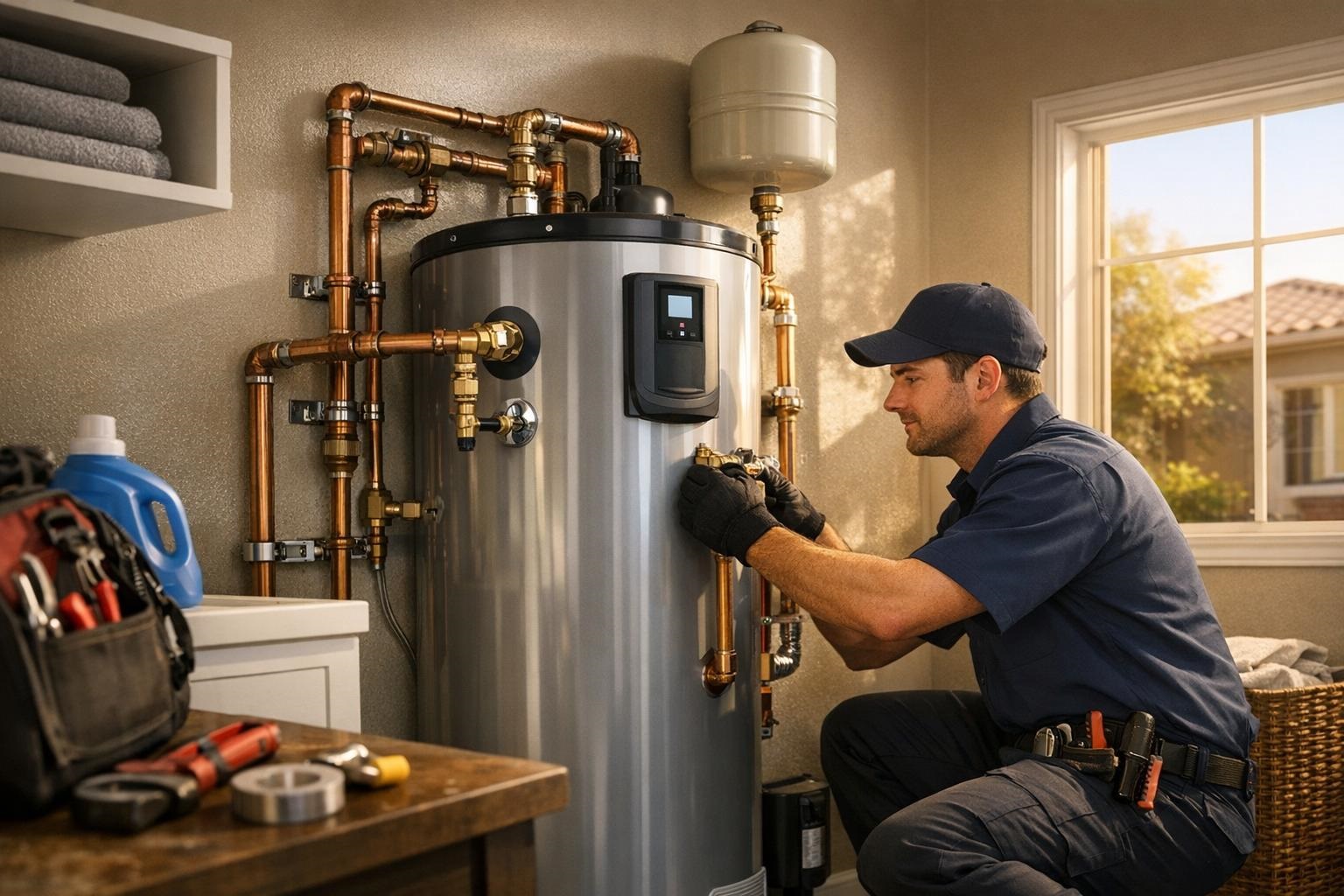
Hot water is something most homeowners rely on every day. From taking morning showers to washing dishes and doing laundry, a dependable water heater makes household routines easier.
When hot water suddenly disappears, becomes unusually hot, or stops flowing properly, it can disrupt your entire day. While some problems have simple explanations, others may involve electrical components, gas connections, plumbing leaks, or deteriorating equipment.
Understanding the dos and don’ts of dealing with a hot water issue in your home can help you respond safely, recognize warning signs, and avoid unnecessary repair expenses.
The most important step is identifying whether you have a minor inconvenience or a potentially dangerous situation. Not every hot water issue requires emergency service, but gas odors, significant leaks, and electrical hazards demand immediate attention.
This guide explains common water heater problems, safe troubleshooting steps, mistakes to avoid, preventive maintenance, and when to contact a professional plumber.
Understanding Common Hot Water Problems
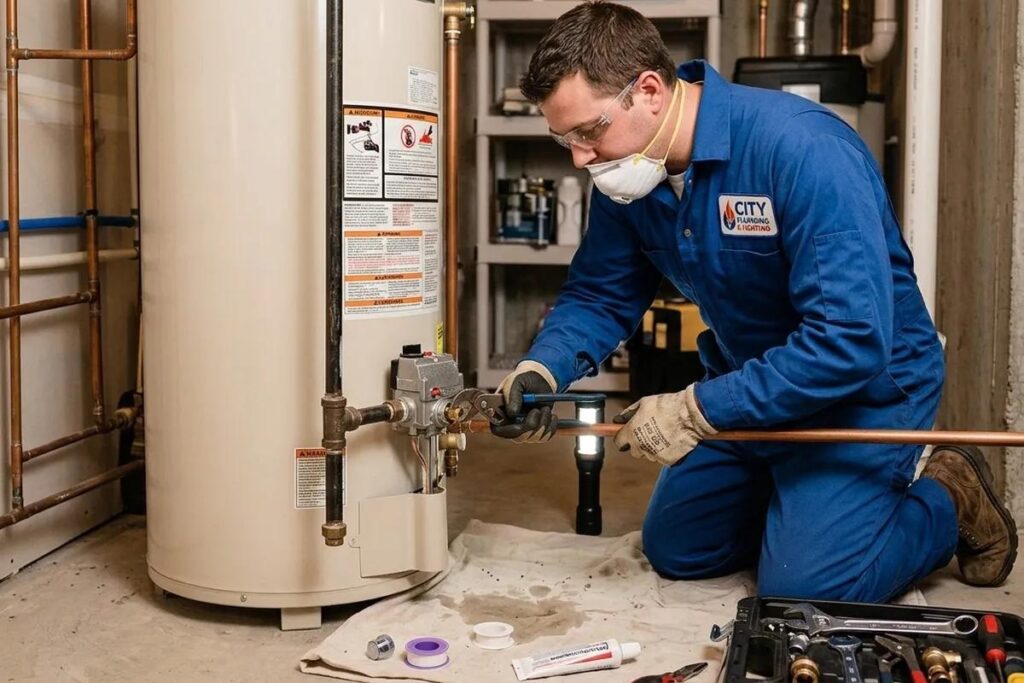
Before attempting troubleshooting, identify the symptoms you’re experiencing.
No Hot Water
A complete loss of hot water may involve a power supply issue, failed heating component, ignition problem, or equipment malfunction.
The cause depends partly on whether your home uses a gas, electric, or tankless water heater.
Not Enough Hot Water
If hot water runs out quickly, household demand may exceed the heater’s capacity.
Sediment buildup, faulty components, and incorrect settings can also contribute.
Fluctuating Water Temperature
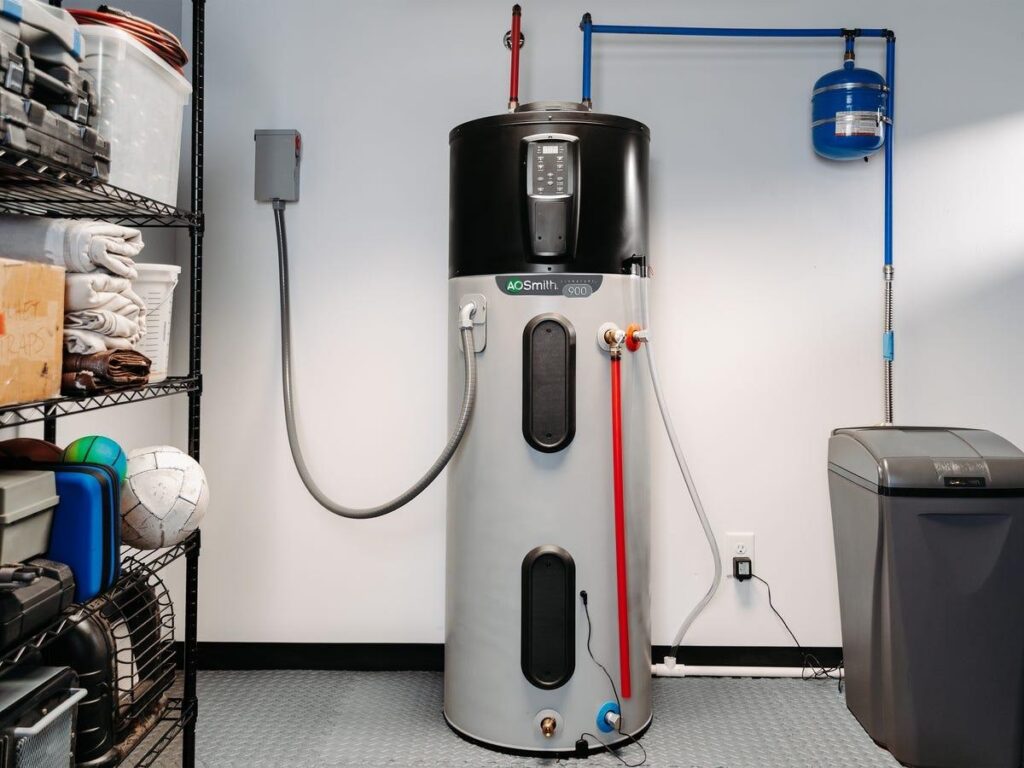
Sudden changes between hot and cold water may indicate a control problem, mixing valve issue, or inconsistent heater performance.
Water Around the Heater
Visible moisture may come from plumbing connections, valves, condensation, or the tank itself.
Because leaks can cause property damage, they deserve prompt investigation.
Do: Identify the Type of Water Heater
Different water heaters require different troubleshooting methods.
Electric Water Heaters
Electric models use powered heating components to warm stored water.
A loss of electricity or an internal equipment fault may interrupt heating.
Gas Water Heaters
Gas models depend on fuel supply and appropriate combustion controls.
Problems involving gas valves, burners, or venting should be handled by qualified professionals.
Tankless Water Heaters
Tankless systems heat water as needed.
Performance may be affected by flow requirements, mineral buildup, temperature controls, or equipment faults.
Knowing your model helps you communicate accurately with a technician.
Don’t: Ignore Signs of a Gas Leak
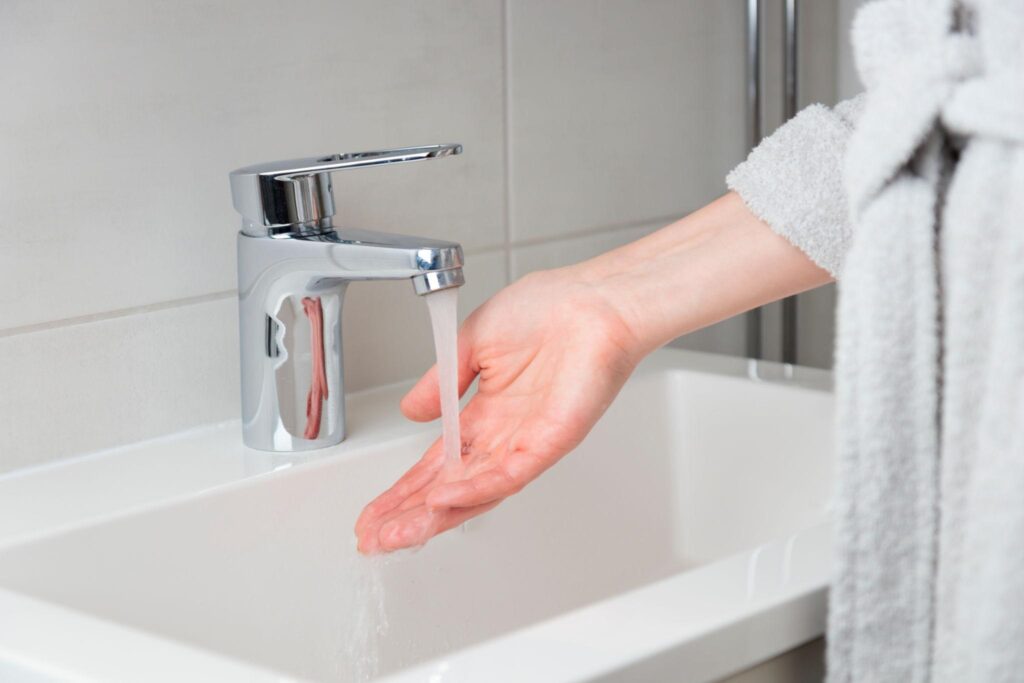
Gas-related warning signs are among the most serious concerns.
Recognize Unusual Odors
A rotten-egg odor near a gas appliance may indicate a natural gas leak.
If you suspect a leak, leave the building immediately and keep others away.
Avoid Ignition Sources
Do not operate electrical switches, use a phone inside, light matches, or attempt to investigate the leak.
Contact Emergency Services
From a safe location away from the property, call 911 or your gas utility’s emergency number.
Do not reenter until authorized personnel confirm it is safe.
Do: Check Whether the Problem Affects Every Faucet
A simple observation can help narrow down the source of the problem.
Test Different Fixtures
Determine whether hot water is unavailable throughout the house or only at one sink or shower.
Be careful to avoid scalding.
One Fixture vs. the Whole House
A problem affecting only one fixture may involve its faucet cartridge, mixing valve, or local plumbing.
If every fixture lacks hot water, the water heater or shared plumbing deserves closer attention.
Record What You Notice
Tell the plumber when the issue began, which fixtures are affected, and whether any recent plumbing work occurred.
Clear observations can improve diagnosis.
Don’t: Attempt Dangerous Electrical Repairs
Electric water heaters contain components that can cause serious injury when handled improperly.
Avoid Opening Electrical Compartments
Do not remove protective panels or touch wiring unless you’re qualified to perform the work.
Never Work Around Standing Water
Water near electrical equipment increases the risk of electric shock.
Keep away from affected equipment and contact qualified assistance.
Understand Breaker Problems
A tripped breaker may indicate an underlying electrical fault.
Do not repeatedly reset a breaker that continues tripping.
Have the equipment inspected by a qualified professional.
Do: Check Accessible Settings Safely
Some hot water complaints relate to control settings rather than major mechanical damage.
Review the Display
If your heater has an external control screen, check for visible error messages or unusual operating modes.
Check Vacation Mode
Some water heaters have settings that reduce heating during periods of low use.
Review the owner’s manual before making adjustments.
Follow Manufacturer Instructions
Only use controls intended for homeowners.
If a setting is unfamiliar or the equipment shows a warning, ask a professional.
Don’t: Turn the Temperature Up Excessively
Increasing the temperature may appear to solve insufficient hot water, but it introduces risks.
Understand Scalding Hazards
Water that is too hot can cause burns, especially in households with children or older adults.
Consider Bacterial Control
The CDC explains that storing water at approximately 130°F–140°F can help control Legionella growth, but hotter water requires protection against scalding.
Use Appropriate Mixing Valves
A qualified plumber can help evaluate safe storage settings and thermostatic mixing valves.
Avoid changing temperatures without considering your specific system and household needs.
Do: Inspect for Visible Leaks
Leaks can develop around pipes, connections, valves, and water heater tanks.
Look for Warning Signs
Check for visible moisture, rust stains, damp flooring, and unusual dripping without touching electrical or hot components.
Consider the Location
A small drip near a fitting may require a different repair from water escaping through a corroded tank.
Prevent Further Damage
If it is safe and you know the correct procedure, follow the manufacturer’s emergency shutdown and water isolation instructions.
When unsure, avoid handling equipment and call a plumber.
Don’t: Ignore Persistent Water Heater Noises
Some operating sounds are normal, but repeated unusual noises deserve attention.
Popping and Rumbling
Mineral deposits can collect inside storage tanks and affect heating performance.
Hissing Sounds
Hissing may come from several causes, including water escaping onto hot surfaces.
It requires appropriate evaluation.
Avoid Guessing the Cause
Noises alone do not establish a diagnosis.
Describe the sound and when it occurs to a qualified technician.
Do: Schedule Regular Water Heater Maintenance
Preventive maintenance can help identify developing problems.
Inspect Accessible Areas
Check periodically for moisture, corrosion, blocked airflow, and visible deterioration.
Consider Sediment Flushing
The CDC explains that regular water heater flushing can help manage sediment and reduce conditions favorable to certain waterborne germs.
Follow the manufacturer’s recommendations or hire a professional.
Maintain Safety Components
Pressure and temperature relief valves serve important safety functions.
Have a qualified technician inspect and service them as appropriate.
Keep the Area Clear
Maintain manufacturer-required clearance around the equipment and avoid storing combustible materials nearby.
Don’t: Attempt Unfamiliar DIY Repairs
Online videos can make complicated plumbing repairs look simple.
Know Your Limits
Replacing a faucet washer differs greatly from repairing a gas control valve or internal electric heating element.
Avoid Improvised Parts
Incorrect components or incompatible fittings can create leaks and equipment failures.
Don’t Bypass Safety Devices
Never block a discharge pipe, disable a protective control, or modify a relief valve to stop unwanted dripping.
A safety device that operates unexpectedly may indicate a serious condition.
Check Local Requirements
Some water heater repairs and replacements require permits or appropriately licensed professionals.
Do: Understand Low Hot Water Pressure
Weak hot water flow can have several explanations.
Compare Hot and Cold Flow
If cold water pressure is normal but hot water pressure is weak, the restriction may involve hot water piping, fixtures, or the heater.
Check Individual Fixtures
An affected faucet may have a clogged aerator or damaged mixing component.
Consider Mineral Deposits
Hard water can contribute to mineral accumulation in plumbing and heating equipment.
A professional can determine whether cleaning, repair, or replacement is appropriate.
Don’t: Overlook Water Discoloration
Discolored water can indicate different plumbing or water quality conditions.
Rust-Colored Hot Water
Possible causes include corrosion in plumbing components or water heater equipment.
Sediment in the Water
Particles may result from mineral deposits or disturbances in the plumbing system.
When to Seek Help
If the discoloration persists, contact your water utility or qualified plumber.
Avoid assuming that unusual-looking water is safe for drinking or cooking until the cause is understood.
Do: Know When to Call an Emergency Plumber
Some situations should not wait for a routine appointment.
Significant Water Leaks
Rapid water release can damage flooring, walls, and nearby belongings.
Electrical Hazards
Water around energized equipment or signs of electrical damage require urgent professional attention.
Extreme Water Temperatures
Uncontrolled overheating or repeated scalding temperatures can indicate a dangerous malfunction.
Serious Equipment Damage
A visibly deteriorating tank, unstable connections, or unusual pressure-related behavior requires immediate evaluation.
For suspected gas leaks, evacuate and contact emergency services or the utility first.
Don’t: Replace Your Water Heater Without Evaluating the Problem
A complete replacement is not always necessary.
Consider Repairable Components
Depending on the model, some valves, controls, or heating components may be replaceable.
Evaluate Equipment Age
Older equipment may become less economical to repair as major components deteriorate.
Compare Repair and Replacement Costs
Ask for a clear diagnosis and written estimate.
Consider Efficiency
Newer equipment may offer improved energy performance, but potential savings depend on household use, energy costs, and equipment specifications.
Do: Choose a Qualified Plumbing Professional
Selecting the right technician helps protect your home and budget.
Verify Qualifications
Check applicable state and local licensing requirements.
Confirm Insurance
Ask about relevant insurance coverage before authorizing work.
Request a Written Estimate
The estimate should explain the problem, proposed repairs, parts, labor, and other charges.
Ask About Warranties
Understand the difference between manufacturer warranties and workmanship guarantees.
Keep records of completed work.
Preventing Future Hot Water Problems
Routine attention can reduce avoidable interruptions.
Monitor Water Heater Performance
Notice changes in recovery time, temperature consistency, and unusual sounds.
Address Small Leaks Early
Minor water damage can become more expensive when left unresolved.
Follow Maintenance Recommendations
Consult the owner’s manual for inspection and servicing intervals.
Consider Household Demand
If your family regularly runs out of hot water, have a professional evaluate the system’s capacity and usage patterns.
Frequently Asked Questions About Hot Water Issues
1. Why is there suddenly no hot water in my house?
Possible causes include power loss, heating component failure, ignition problems, control settings, or water heater malfunction.
2. Can I troubleshoot a water heater myself?
You can make basic external observations and consult homeowner controls, but gas, electrical, and internal repairs should be left to qualified professionals.
3. Why does my hot water run out quickly?
High water demand, insufficient heater capacity, sediment buildup, or faulty heating components may contribute.
4. Is a leaking water heater dangerous?
It can be. Leaks may cause property damage, electrical hazards, or indicate equipment failure.
5. What should I do if I smell gas near my water heater?
Leave the building immediately, avoid electrical switches and ignition sources, and call 911 or your gas utility from a safe location.
6. Should I increase my water heater temperature?
Not automatically. Higher temperatures increase scald risks, while lower storage temperatures may create bacterial concerns. Seek guidance appropriate to your system.
7. How often should a water heater be maintained?
Follow the manufacturer’s schedule. Many manufacturers recommend periodic inspections and annual flushing where applicable.
8. When should I replace my water heater?
Replacement may be appropriate when the tank fails, major repairs become uneconomical, or the system no longer meets household needs.
Conclusion
Understanding the dos and don’ts of dealing with a hot water issue in your home can help you respond calmly, protect your property, and make safer repair decisions.
Simple observations, such as checking affected fixtures and noting error messages, may help identify the problem without exposing yourself to unnecessary hazards.
However, gas leaks, electrical faults, uncontrolled overheating, and significant water damage require professional or emergency assistance.
Avoid improvised repairs, repeated breaker resets, and adjustments that bypass important safety features.
Regular maintenance, appropriate temperature controls, and timely inspections can help keep your hot water system dependable.
When problems continue, a qualified plumber can recommend the most appropriate repair or replacement solution for your home.

Written by Twastia Editorial Team
Twastia Editorial Team shares practical insights about website design, SEO services, Google Ads, content marketing, social media, conversion rate optimization, and digital marketing strategy.
Last updated: Oct 29, 2026
Related posts from Twastia
Explore more useful articles from twastia.com about digital marketing, SEO, websites, ads, content, and growth strategy.