5 Easy Tips for Lawn Beautification: Best Lawn Care Guide
A beautiful green lawn can make an ordinary house look more welcoming. Whether you have a spacious backyard, a small […]
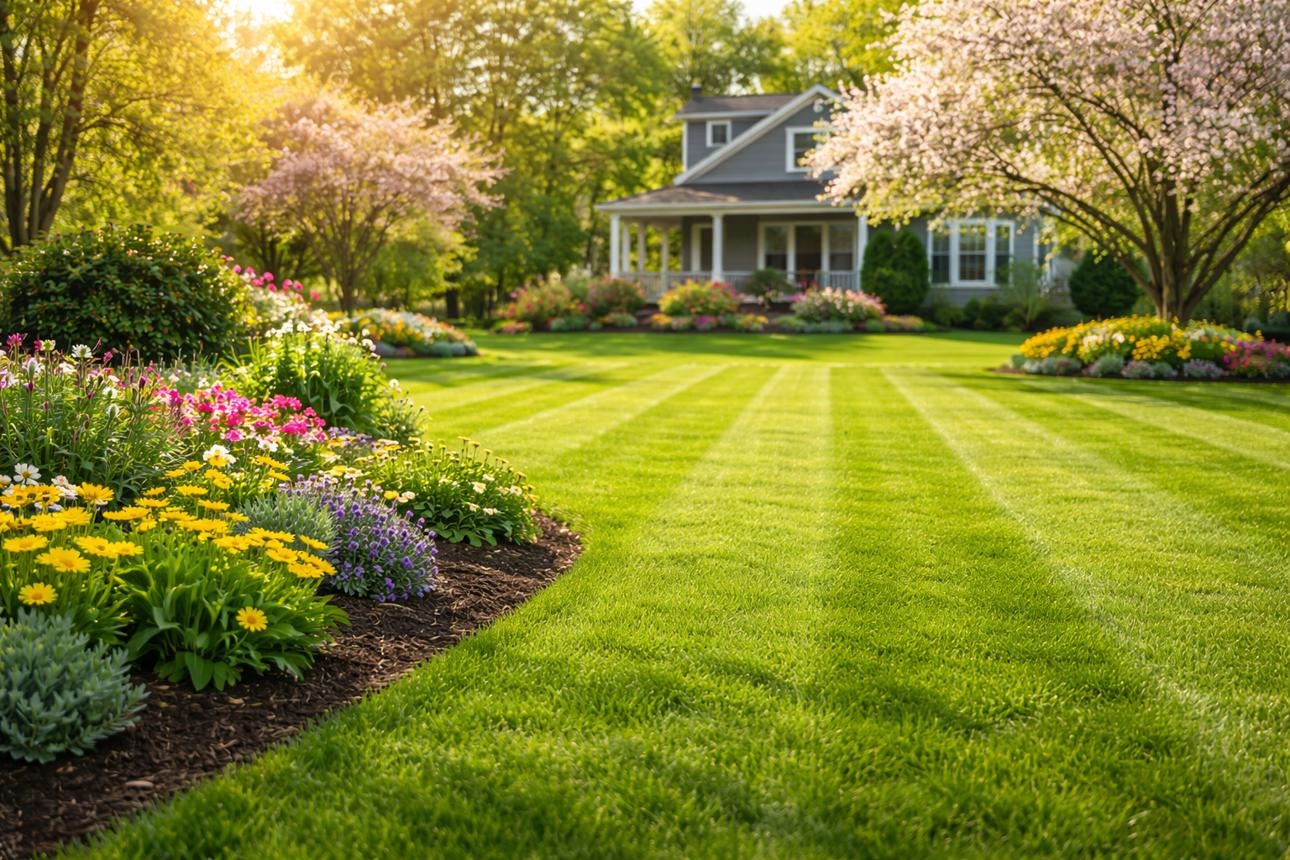
A beautiful green lawn can make an ordinary house look more welcoming. Whether you have a spacious backyard, a small front yard, or a garden surrounding your home, healthy grass and thoughtful landscaping can improve the appearance of your outdoor space.
However, maintaining an attractive lawn involves more than watering the grass and mowing it occasionally. Soil quality, sunlight, seasonal weather, grass selection, and maintenance habits all influence how your lawn looks.
The good news is that you don’t need expensive landscaping equipment or professional gardening experience to make noticeable improvements.
These 5 easy tips for lawn beautification can help American homeowners develop healthier grass, reduce bare patches, improve curb appeal, and create outdoor areas that are easier to maintain.
From smart mowing techniques to colorful garden borders, this guide explains practical ways to refresh your lawn while avoiding common mistakes that waste time, money, and water.
Why Lawn Beautification Matters
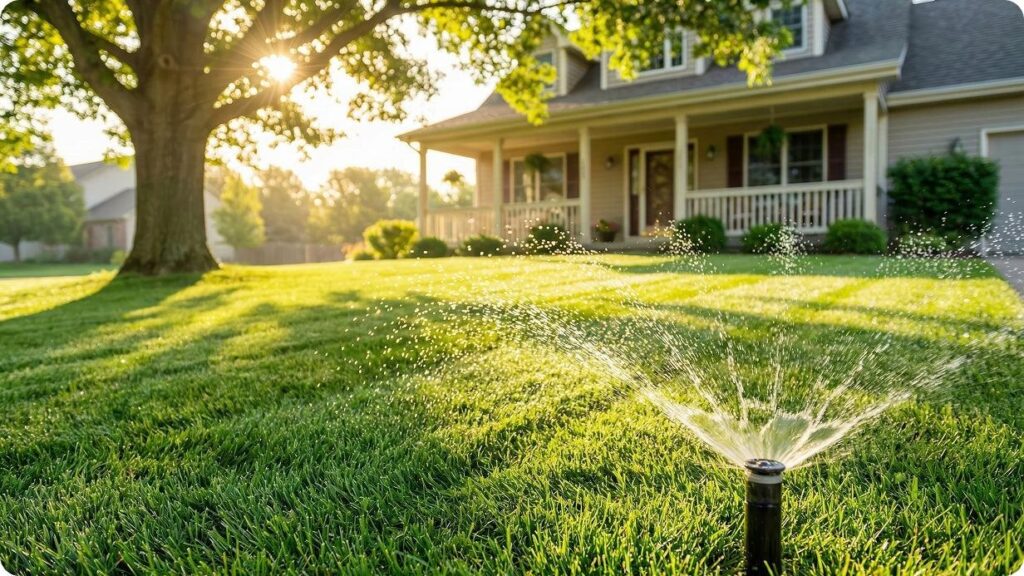
A well-maintained lawn contributes to the appearance and usability of your property.
Improve Your Home’s Curb Appeal
A neatly trimmed lawn, clean garden edges, and attractive plants can make a home look more inviting.
These details create a positive first impression for visitors and potential buyers, although landscaping does not guarantee a particular increase in property value.
Create Comfortable Outdoor Spaces
Healthy grass provides an area for outdoor activities, family gatherings, and relaxation.
Choosing the right lawn layout helps you balance appearance with everyday use.
Support a Healthier Landscape
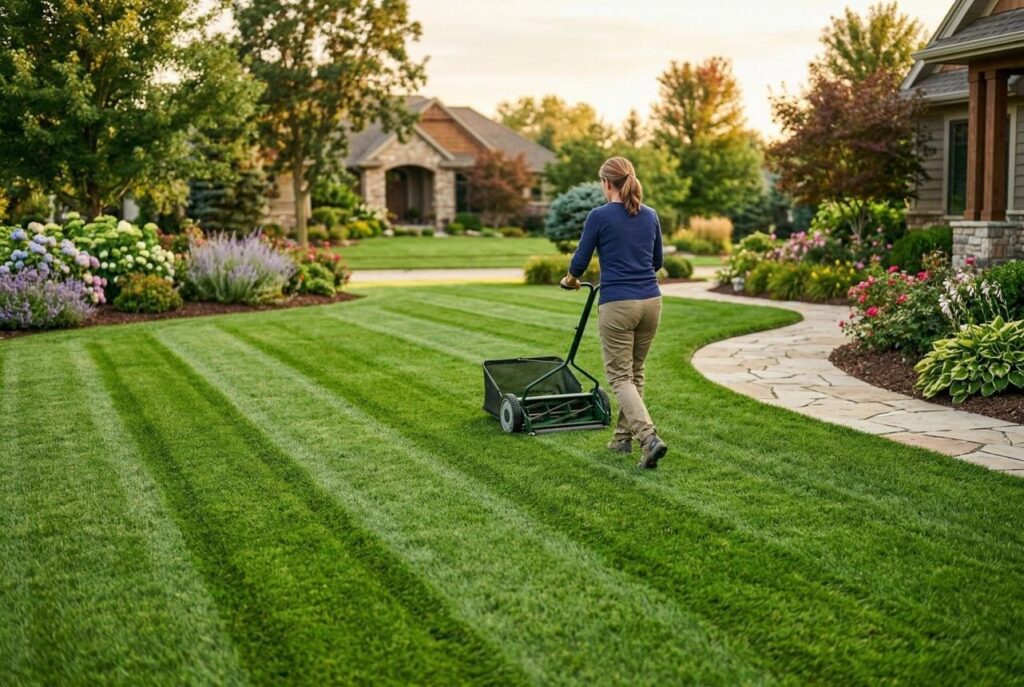
Appropriate mowing, watering, and soil management encourage stronger grass growth.
A dense lawn can also reduce opportunities for certain weeds to establish.
Tip 1: Mow Your Lawn Properly and Regularly
Correct mowing is one of the simplest ways to improve the appearance of your lawn.
Cutting grass too short may create a temporarily tidy look, but it can weaken plants and leave the soil exposed.
Maintain the Right Grass Height
Different turfgrass varieties require different mowing heights.
For many cool-season lawns in the northern United States, mowing around three inches or higher is recommended.
Some warm-season grasses in southern states require different settings.
Identify your grass type before choosing a mowing height.
Follow the One-Third Rule
University of Minnesota Extension recommends removing no more than one-third of the grass blade during a mowing session.
For example, if your desired mowing height is three inches, mow before the grass grows beyond approximately four and a half inches.
Removing too much at once can stress grass and slow recovery.
Keep Mower Blades Sharp
Dull blades tear rather than cleanly cut grass.
This can leave brown-looking tips and make the lawn appear less healthy.
Inspect and sharpen blades according to the mower manufacturer’s recommendations.
Change Your Mowing Direction
Alternating mowing patterns can help reduce repeated wheel tracks and improve the lawn’s finished appearance.
Avoid mowing when the ground is excessively wet.
Leave Suitable Grass Clippings
When clippings are short and evenly distributed, leaving them on the lawn can return nutrients to the soil.
Remove thick clumps that might smother the grass beneath them.
Tip 2: Water Your Lawn the Smart Way
Water is essential for healthy grass, but too much irrigation can create problems.
Overwatering may contribute to shallow roots, runoff, and certain lawn diseases.
Water Based on Actual Needs
The U.S. Environmental Protection Agency explains that many established landscapes may require around one inch of water weekly, including rainfall.
However, actual requirements vary with climate, soil, grass species, and weather.
Don’t treat this amount as a universal rule.
Choose the Right Watering Time
Early morning is generally a practical time to water because temperatures are cooler and evaporation is often lower.
Avoid watering during the hottest part of the day when unnecessary water loss may occur.
Check the Soil Before Watering
Walk across the lawn and observe how the grass responds.
If footprints remain visible for several minutes, the lawn may be experiencing moisture stress.
A soil moisture sensor can provide additional information.
Avoid Watering Sidewalks
Adjust sprinkler heads so water reaches grass rather than driveways, streets, or neighboring property.
Inspect irrigation equipment for leaks and blocked nozzles.
Consider Smart Irrigation
Weather-based or soil moisture-based irrigation controllers can adjust watering according to actual conditions.
WaterSense-labeled equipment may help reduce unnecessary irrigation.
Tip 3: Improve Soil Health and Use Fertilizer Carefully
Beautiful grass depends on what happens beneath the surface.
Healthy soil supports root development, water movement, and nutrient availability.
Start With a Soil Test
Before purchasing fertilizer, consider testing your lawn’s soil.
A soil test can provide information about pH and nutrient levels.
Local Cooperative Extension offices often offer testing resources and guidance.
Choose Fertilizer Based on Results
Grass requires nutrients such as nitrogen, phosphorus, and potassium.
However, applying nutrients that the soil doesn’t need can waste money and increase environmental risks.
Use test results and local recommendations to select suitable products.
Fertilize at the Right Time
Cool-season grasses often benefit from different fertilization schedules than warm-season grasses.
Applying fertilizer during heat stress or inappropriate seasons may encourage weak growth.
Follow guidance for your specific turf species.
Consider Slow-Release Fertilizers
Slow-release products provide nutrients gradually.
When used appropriately, they may reduce excessive growth and nutrient runoff compared with some fast-release applications.
Avoid Excessive Fertilizer
More fertilizer does not automatically mean greener grass.
Overapplication can damage turf and contribute to water pollution.
Follow product labels, avoid spreading fertilizer onto pavement, and keep it away from storm drains.
Tip 4: Control Weeds and Repair Bare Patches
An otherwise attractive lawn can look uneven when weeds and exposed soil interrupt the grass.
The best approach combines prevention with targeted repairs.
Identify the Weed Problem
Different weeds require different management methods.
Crabgrass, dandelions, clover, and other plants respond differently to treatment.
Identify the plants before selecting an approach.
Encourage Dense Grass Growth
Proper mowing, suitable fertilization, and healthy soil can help grass compete with weeds.
A strong lawn may need fewer interventions than thin, stressed turf.
Remove Small Weed Patches
Hand removal can be practical when weeds are limited.
Try to remove the relevant roots without unnecessarily damaging surrounding grass.
Repair Bare Areas
Bare patches can develop because of heavy foot traffic, shade, pets, disease, or compacted soil.
Identify the cause before reseeding.
Choose Suitable Grass Seed
Cool-season lawns commonly use grasses such as tall fescue, perennial ryegrass, or Kentucky bluegrass.
Warm-season options include bermudagrass, zoysiagrass, and other regionally appropriate varieties.
Select seed suited to local weather and sunlight conditions.
Consider Aeration
Compacted soil can limit water infiltration and root growth.
Core aeration may help heavily used lawns, but it is not necessary for every property.
Choose a suitable season based on the grass type.
Tip 5: Add Attractive Landscaping and Clean Lawn Edges
A healthy lawn becomes even more appealing when combined with thoughtful landscape design.
Simple improvements can transform the appearance of a yard without requiring major construction.
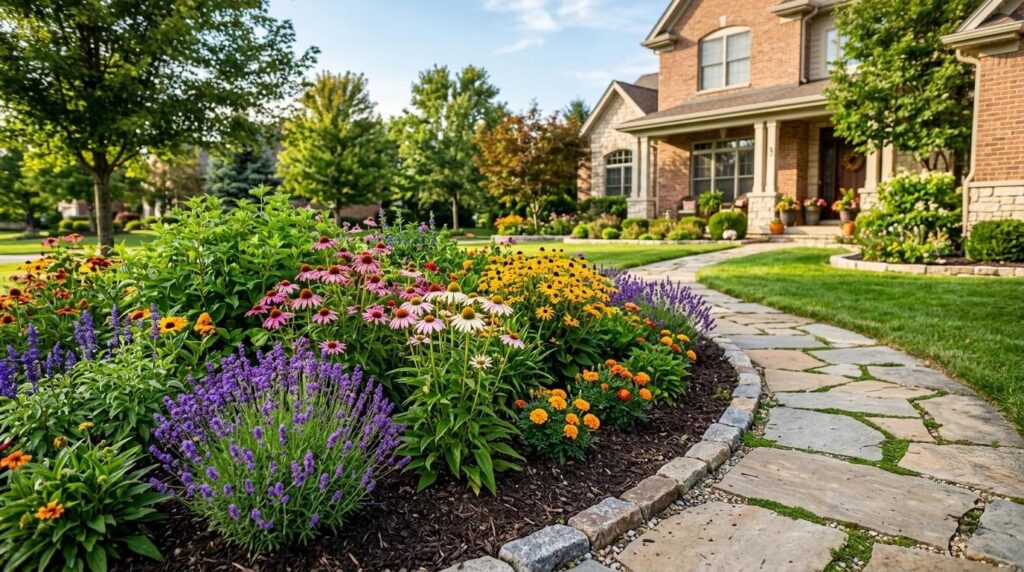
Create Defined Garden Borders
Clean edges separate grass from flower beds, driveways, and walkways.
Use appropriate edging tools or landscape borders to maintain a neat appearance.
Add Colorful Flower Beds
Seasonal flowers can introduce attractive colors and textures.
Choose plants based on sunlight, soil conditions, and your local growing zone.
Use Mulch Around Plants
Organic mulch can help retain soil moisture and reduce weed competition in garden beds.
Avoid piling mulch directly against tree trunks or plant stems.
Include Native Plants
The EPA recommends regionally appropriate and native plants because established native species are often well adapted to local growing conditions.
These plants may require less supplemental watering and maintenance.
Improve Outdoor Walkways
A tidy pathway can connect different lawn areas and make the garden easier to navigate.
Simple stepping stones or existing walkway repairs may be more practical than expensive hardscaping.
Keep the Design Balanced
Avoid overcrowding small yards with too many decorations.
An uncluttered layout often makes the grass, flowers, and outdoor furniture more noticeable.
Choosing the Right Grass for Your Region
The United States includes several climate zones, and lawn care should reflect local growing conditions.
Northern States
Cool-season grasses such as Kentucky bluegrass, fescues, and perennial ryegrass are common in colder regions.
They generally grow most actively during cooler weather.
Southern States
Warm-season grasses such as bermudagrass, zoysiagrass, and St. Augustinegrass are common in many warmer regions.
Their mowing and fertilization needs differ from cool-season turf.
Transition Zone
Some central U.S. locations experience hot summers and cold winters.
Grass selection may require particular attention to heat tolerance, winter survival, and maintenance.
Local Extension guidance is especially helpful in these areas.
Easy Seasonal Lawn Care Tips
Your lawn’s needs change throughout the year.
Spring Lawn Care
Inspect winter damage, clear debris, evaluate soil conditions, and begin mowing when grass actively grows.
Summer Lawn Care
Adjust irrigation to actual weather conditions, avoid cutting too short, and limit unnecessary stress during extreme heat.
Fall Lawn Care
Fall is often a suitable time to overseed and fertilize many cool-season lawns.
Warm-season lawns require different timing.
Winter Lawn Care
Avoid unnecessary traffic on frozen or dormant grass and maintain outdoor equipment.
Let the local climate guide your winter routine.
Affordable Lawn Beautification Ideas
You don’t need a large landscaping budget to improve your yard.
Refresh Existing Garden Beds
Remove weeds, redefine borders, and replace worn mulch where needed.
Rearrange Outdoor Planters
Move suitable potted plants to create a more attractive entrance or patio area.
Repair Uneven Lawn Edges
Neat borders can make the entire lawn appear better maintained.
Reuse Healthy Grass Clippings
Appropriately mulched clippings can return nutrients to the soil and reduce fertilizer needs.
Focus on One Area at a Time
Improving the most visible part of your yard first can make a noticeable difference without overwhelming your budget.
Common Lawn Beautification Mistakes
Some familiar maintenance habits can cause more problems than they solve.
Mowing Grass Too Short
Scalping can stress turf, expose soil, and encourage weed establishment.
Watering Every Day Without Checking Conditions
Frequent unnecessary irrigation may encourage shallow roots and waste water.
Using Too Much Fertilizer
Overfertilization can damage grass and contribute to nutrient runoff.
Planting the Wrong Grass
A grass species poorly suited to your local climate may struggle even with regular care.
Ignoring Drainage
Standing water may indicate soil, grading, or irrigation problems that require correction.
Frequently Asked Questions About Lawn Beautification
1. What are the easiest ways to beautify a lawn?
Proper mowing, smart watering, soil care, targeted weed management, and attractive landscaping are useful starting points.
2. How can I make my grass greener naturally?
Maintain healthy soil, mow appropriately, water according to plant needs, and recycle suitable grass clippings.
3. How often should I mow my lawn?
Mow according to grass growth rather than a fixed calendar, removing no more than one-third of the blade at once.
4. What is the best time to water a lawn?
Early morning is generally a good choice because evaporation is often lower than during hot afternoon conditions.
5. Should I fertilize my lawn every month?
Not necessarily. Fertilizer needs depend on grass type, soil testing, season, and local growing conditions.
6. How do I fix bare patches in my lawn?
Identify the underlying cause, prepare the soil, select appropriate grass seed or sod, and follow establishment instructions.
7. Can landscaping improve curb appeal?
Yes. Neat lawn edges, attractive plants, tidy garden beds, and maintained walkways can improve visual appeal.
8. What lawn grass is best for American homes?
The best choice depends on climate, sunlight, soil, foot traffic, and maintenance preferences.
Conclusion
A healthy, attractive lawn doesn’t require complicated landscaping techniques or constant spending.
These 5 easy tips for lawn beautification focus on the fundamentals that matter most: proper mowing, efficient watering, improved soil health, weed and bare-patch management, and simple landscaping enhancements.
The most effective lawn care routine is one that matches your region’s climate and the needs of your grass.
Start with small improvements, observe how your lawn responds, and make gradual adjustments throughout the year.
With consistent care and thoughtful landscaping, you can create a greener, more inviting yard that complements your home and provides a comfortable outdoor space for everyday enjoyment.

Written by Twastia Editorial Team
Twastia Editorial Team shares practical insights about website design, SEO services, Google Ads, content marketing, social media, conversion rate optimization, and digital marketing strategy.
Last updated: Oct 29, 2026
Related posts from Twastia
Explore more useful articles from twastia.com about digital marketing, SEO, websites, ads, content, and growth strategy.