What Is a Mixing Engineer? Roles, Skills & Career Guide
Have you ever listened to a song and wondered why every instrument sounds clear, the vocals sit perfectly with the […]
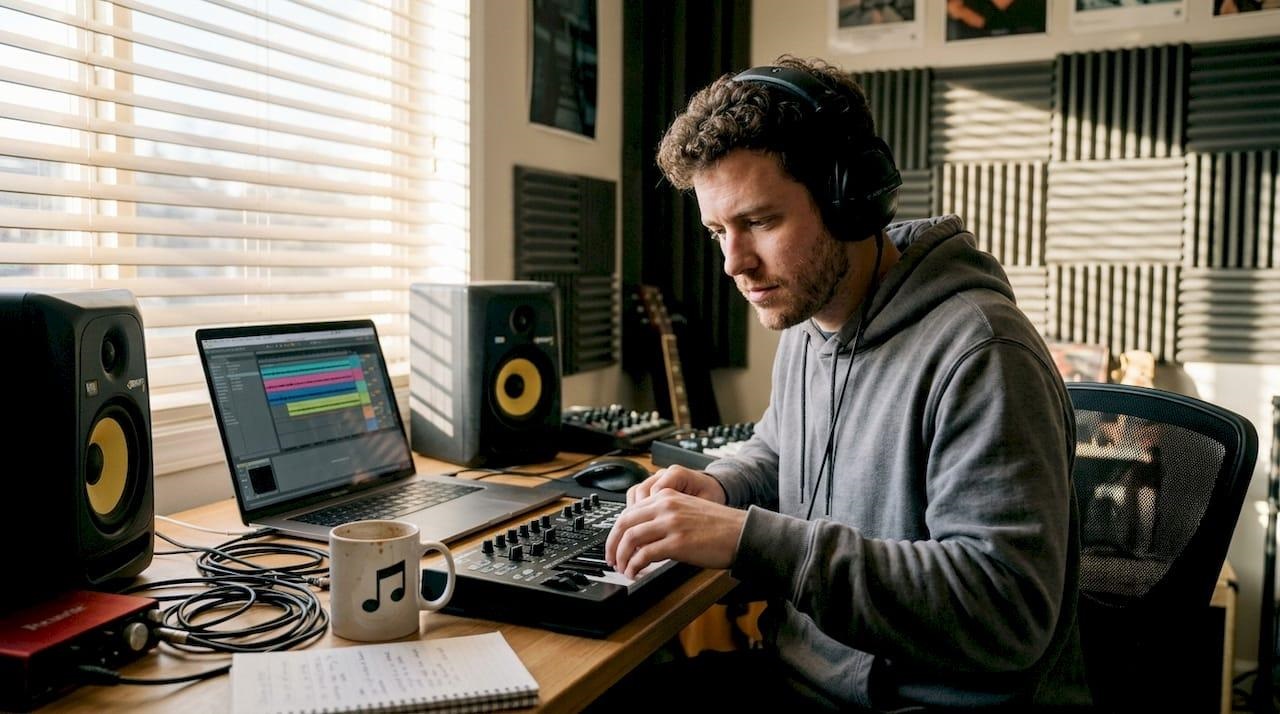
Have you ever listened to a song and wondered why every instrument sounds clear, the vocals sit perfectly with the music, and the entire recording feels balanced? Behind much of that listening experience is a professional known as a mixing engineer.
Music recording often involves capturing numerous individual sounds. A singer records vocals, a drummer plays different percussion parts, and producers add guitars, keyboards, bass, and electronic elements. Even when every performance is recorded well, the separate tracks may not sound cohesive when played together.
That’s where audio mixing becomes important.
What is a mixing engineer? A mixing engineer is an audio professional who combines individual recorded tracks into a balanced, polished, and emotionally engaging sound. They use specialized software, studio equipment, critical listening, and creative judgment to help music sound the way its creators intend.
Mixing engineers work across musical genres and may also contribute to film, television, podcasts, and other recorded audio projects.
This guide explains what mixing engineers do, how their workflow operates, which tools they use, and how aspiring audio professionals can begin developing a career in music mixing.
What Is a Mixing Engineer?
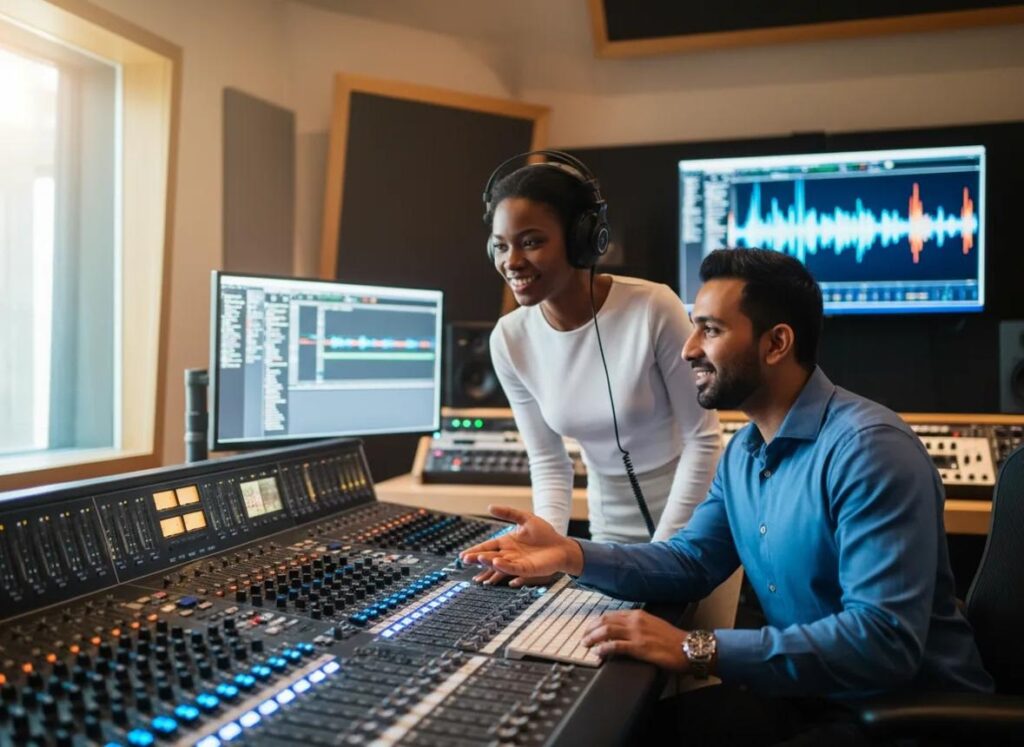
A mixing engineer, sometimes called a mix engineer or audio mixer, is responsible for blending multiple recorded audio elements into a cohesive final mix.
A recording may contain separate tracks for lead vocals, backing vocals, drums, bass, guitars, keyboards, and sound effects.
Each element needs the right level, tone, and placement so the listener can hear the intended musical arrangement.
The Main Goal of Audio Mixing
The goal is not simply to make everything loud.
A professional mix creates a clear relationship between instruments and vocals while supporting the song’s mood.
A quiet acoustic ballad, for example, requires a different mixing approach from an energetic electronic dance track.
Technical and Creative Responsibilities
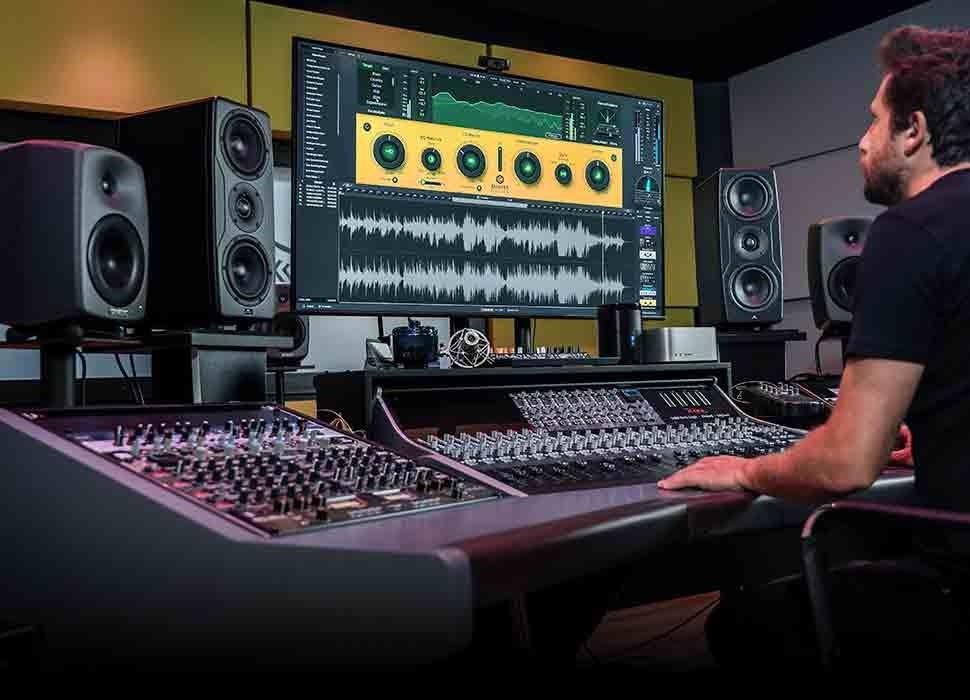
Mixing involves technical decisions about frequency balance, volume, dynamics, and stereo positioning.
It also involves artistic choices about which sounds should feel prominent, intimate, powerful, or distant.
What Does a Mixing Engineer Do?
A mixing engineer makes many decisions that shape the final sound.
Balance Audio Levels
One of the first responsibilities is adjusting the relative volume of different tracks.
The lead vocal may need to remain understandable while drums and instruments provide energy.
Adjust Frequencies
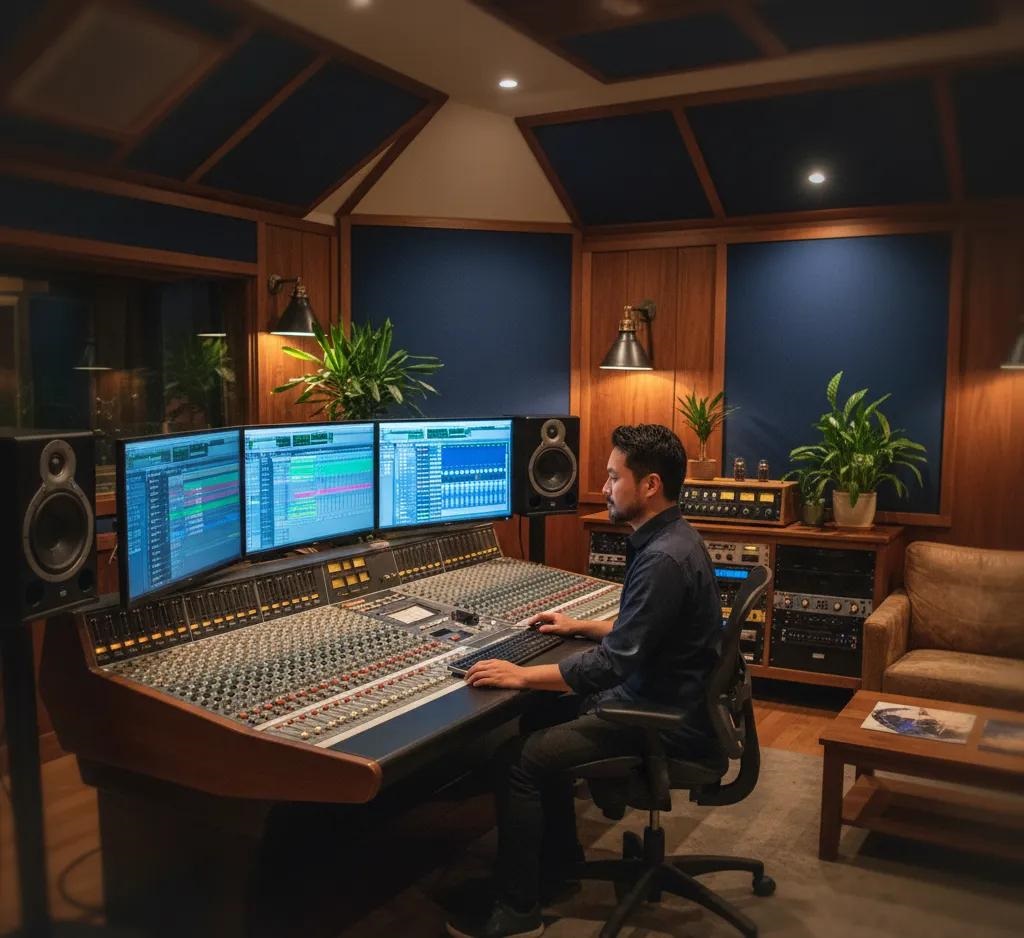
Using equalization, or EQ, engineers can reduce unwanted frequency buildup and emphasize useful parts of a sound.
For example, reducing competing frequencies between a guitar and vocal may improve clarity.
Control Dynamics
Compression helps manage differences between quieter and louder sections of a recording.
Used carefully, it can support consistency or change how energetic an instrument feels.
Position Sounds in Stereo
Panning determines where audio elements appear between the left and right speakers.
This can create separation and a sense of width.
Add Creative Effects
Reverb, delay, modulation, and other effects can influence the perceived space and character of a recording.
Communicate With Artists
A mixing engineer also works with artists and producers to understand the desired sound and respond to feedback.
How Does the Audio Mixing Process Work?
Although each professional has a preferred workflow, many music mixing projects involve several common stages.
Step 1: Receive and Organize the Tracks
The artist or producer sends individual audio files, often called multitracks or stems.
The engineer imports the files into a digital audio workstation.
Tracks are named, organized, and checked for technical problems.
Step 2: Listen to the Entire Recording
Before making major changes, the engineer listens carefully to understand the arrangement and emotional direction.
Reference songs may help communicate a desired style.
Step 3: Create an Initial Balance
The engineer adjusts basic volume levels to establish the relationship between instruments and vocals.
A strong initial balance often reduces the need for unnecessary processing.
Step 4: Apply EQ and Compression
Individual elements are shaped to address frequency clashes and manage dynamics.
The engineer should make these decisions according to what the music needs rather than following identical settings for every track.
Step 5: Build Depth and Stereo Width
Panning, reverb, and delay can create a sense of space.
A lead vocal may remain centered while supporting elements are positioned around it.
Step 6: Automate Important Changes
Automation allows volume, effects, and other settings to change during the song.
An engineer might raise a quiet vocal phrase or emphasize an instrumental transition.
Step 7: Review and Revise
The engineer listens through the complete mix, checks technical issues, and incorporates agreed feedback.
Step 8: Export the Final Mix
After approval, the mix is exported in the format requested for mastering or another production stage.
Essential Tools Used by a Mixing Engineer
Modern mixing can take place in commercial facilities or well-equipped home studios.
Digital Audio Workstation
A digital audio workstation, or DAW, is the central software environment used to edit, process, and combine recordings.
Common platforms include Pro Tools, Logic Pro, Cubase, Reaper, and Ableton Live.
Equalizers
EQ tools adjust the level of selected frequency ranges.
They can help remove low-frequency buildup, improve tonal balance, and reduce competition between instruments.
Compressors
Compressors respond to audio dynamics according to settings such as threshold, ratio, attack, and release.
Reverb and Delay
These effects add reflections, echoes, and a sense of acoustic space.
Studio Monitors
Monitor speakers designed for critical listening help engineers evaluate audio decisions.
Headphones
Quality headphones provide an additional perspective and can help reveal certain details.
Acoustic Treatment
Managing room reflections can improve the accuracy of what an engineer hears.
Expensive equipment alone does not replace reliable listening conditions.
Mixing Engineer vs. Recording Engineer
These roles are related but have different primary responsibilities.
| Mixing engineer | Recording engineer |
|---|---|
| Combines previously recorded audio | Captures sound during recording sessions |
| Adjusts balance, EQ, dynamics, and effects | Selects and positions microphones |
| Works extensively with multitrack sessions | Manages recording signals and equipment |
| Focuses on the overall musical blend | Focuses on capturing high-quality performances |
In smaller studios, the same person may handle both tasks.
Mixing Engineer vs. Mastering Engineer
Mixing and mastering are separate stages of audio post-production.
Mixing Comes First
The mixing engineer works with individual song elements.
They can change the level of one vocal, instrument, or effect independently.
Mastering Follows Mixing
The mastering engineer typically works with an approved stereo mix or another agreed delivery format.
They examine overall tonal balance, dynamics, loudness, and technical presentation.
Preparing Music for Distribution
Mastering may also involve preparing appropriate files for streaming, physical media, or other release formats.
Why Both Matter
Mixing establishes how individual sounds work together.
Mastering provides a final quality-control and presentation stage for the complete recording.
Neither process automatically fixes every problem created during songwriting, performance, or recording.
Mixing Engineer vs. Music Producer
The difference between a producer and a mixing engineer is also important.
Music Producer
A producer may influence the song’s arrangement, performances, instrumentation, and overall creative direction.
Mixing Engineer
The mixing engineer concentrates primarily on shaping the sound of recorded elements.
Collaboration
A producer may request a powerful drum sound, warmer vocals, or a more spacious chorus.
The mixing engineer translates these creative objectives into audio decisions.
Overlapping Roles
Independent artists and home-studio professionals frequently perform both production and mixing work.
Job titles describe responsibilities, but real projects do not always separate them strictly.
What Skills Does a Good Mixing Engineer Need?
Professional mixing requires more than knowing how to operate software.
Critical Listening
Engineers need to identify frequency problems, unwanted noise, masking, and imbalances.
Understanding of Sound
Knowledge of acoustics, frequencies, dynamics, and signal flow supports effective decisions.
Musical Awareness
Understanding rhythm, arrangement, genre, and emotional expression helps an engineer serve the song.
Technical Organization
Mixing projects often contain many tracks, versions, and revisions.
Clear organization reduces errors.
Communication
Engineers must understand client expectations and explain technical matters without unnecessary jargon.
Patience and Attention to Detail
A small adjustment can affect the interaction between several instruments.
Careful listening and controlled changes are important.
Where Do Mixing Engineers Work?
Mixing engineers can build careers in several environments.
Professional Recording Studios
Commercial studios may employ engineers or hire freelance specialists for particular projects.
Home Studios
Modern computers and professional audio software allow engineers to work from appropriately equipped home spaces.
Independent Music Projects
Artists may hire mixing engineers remotely and send their recordings digitally.
Film and Television
Audio post-production specialists balance dialogue, music, ambience, and effects, although film re-recording mixing is a distinct specialization.
Live Performances
Live sound engineers manage audio during concerts and events.
Their work requires immediate decisions and differs from studio mixing.
How to Become a Mixing Engineer
There is no single required educational route for every mixing career.
1. Learn Audio Fundamentals
Begin with sound frequencies, gain, signal flow, EQ, compression, and stereo imaging.
2. Practice With a DAW
Choose one music production program and become comfortable navigating audio tracks, buses, plugins, and automation.
3. Use Multitrack Practice Sessions
Work with legally available practice recordings.
Experiment with different arrangements and listen to how each adjustment changes the result.
4. Develop Your Listening Skills
Practice identifying differences in tonal balance, dynamics, and instrument separation.
5. Learn From Experienced Engineers
Courses, mentorship, internships, and assistant engineering positions can provide useful experience.
6. Build a Portfolio
Create samples demonstrating your ability to mix different recording styles.
Obtain permission before sharing client recordings publicly.
7. Seek Feedback
Constructive criticism from musicians and experienced audio professionals can help identify areas for improvement.
8. Develop Professional Relationships
Networking with artists, producers, studios, and independent filmmakers can create work opportunities.
Do You Need a Degree to Become a Mixing Engineer?
A formal degree is not universally required to work as a mixing engineer.
However, education can provide structured learning and access to equipment, instructors, and collaborators.
Music Production Programs
Courses may cover recording techniques, music theory, audio processing, and studio workflows.
Audio Engineering Degrees
These programs can introduce acoustics, signal processing, and technical recording principles.
Online Courses
Remote courses offer a flexible way to study audio mixing fundamentals.
Practical Experience
Working on recordings and learning to solve real mixing problems is essential, regardless of educational background.
A strong portfolio and reliable professional conduct can also influence hiring decisions.
Can You Become a Mixing Engineer From Home?
Yes. A home studio can be a practical starting point.
Start With Essential Equipment
A capable computer, a DAW, reliable headphones, and an audio interface if required can support early learning.
Improve Your Listening Environment
Consider room treatment and speaker placement before investing heavily in additional plugins.
Practice Consistently
Complete entire mixes rather than experimenting indefinitely with isolated sounds.
Compare Your Results
Listen to reference material at appropriate matched listening levels.
Work Remotely
When ready, you can exchange project files and revisions with clients through agreed digital delivery methods.
The quality of work and communication matters more than having an impressive-looking studio.
How Much Does a Mixing Engineer Earn?
Mixing engineer income varies considerably.
Some professionals work as salaried studio employees, while others charge per song, per project, or according to time worked.
Experience
Established engineers with extensive portfolios may be able to charge more than beginners.
Project Complexity
A simple recording with a limited number of tracks may require less work than a dense, highly edited production.
Revision Requirements
A project involving several mix revisions can take additional time.
Client Type
Independent musicians, advertising agencies, production companies, and major recording projects may have different budgets.
Location and Business Costs
Studio rental, software subscriptions, equipment maintenance, taxes, and other expenses affect freelance earnings.
Avoid treating an advertised price as a guaranteed industry standard.
How to Hire the Right Mixing Engineer
Artists preparing to release music should evaluate more than price.
Listen to Previous Work
Review examples in genres similar to your own.
Discuss Your Desired Sound
Share suitable reference recordings and explain which qualities you like.
Confirm Deliverables
Ask about file formats, alternate versions, instrumentals, and other required outputs.
Understand Revision Policies
Clarify how many revisions are included and what counts as a new mix request.
Review Turnaround Arrangements
Agree on a realistic schedule before sending the session.
Clarify Ownership and Credits
Use written terms to establish payment, usage rights, confidentiality, and credit expectations where applicable.
Common Mistakes Beginner Mixing Engineers Make
Using Too Many Plugins
Additional processing does not automatically improve a mix.
Ignoring the Original Recording
Poorly recorded sounds can be difficult to repair completely.
Mixing Too Loud
Extended listening at high volume can cause fatigue and increase hearing risks.
Overusing Compression
Heavy compression may reduce desired dynamics.
Neglecting Reference Listening
A mix that sounds impressive on one playback system may translate poorly elsewhere.
Skipping Client Communication
Misunderstanding the artist’s goals can lead to unnecessary revisions.
Developing a disciplined workflow helps avoid these mistakes.
Frequently Asked Questions About Mixing Engineers
1. What is a mixing engineer in music?
A mixing engineer combines individual recorded vocals and instruments into a balanced and cohesive musical recording.
2. What does a mixing engineer do?
They adjust volume levels, frequency balance, compression, stereo positioning, effects, and automation to shape the finished mix.
3. Is a mixing engineer the same as a music producer?
Not necessarily. Producers commonly guide musical creation and arrangements, while mixing engineers focus on the balance and sonic presentation of recorded tracks.
4. What is the difference between mixing and mastering?
Mixing combines individual audio tracks. Mastering evaluates and prepares the approved mix for distribution.
5. What software do mixing engineers use?
Common options include Pro Tools, Logic Pro, Cubase, Reaper, and Ableton Live, alongside audio processing plugins.
6. Can I become a mixing engineer without a degree?
Yes. Practical experience, technical knowledge, listening ability, and a strong portfolio are important, although formal education can be useful.
7. How long does it take to mix a song?
It depends on the recording’s complexity, the quality of source tracks, production expectations, and the number of revisions.
8. Do mixing engineers work from home?
Yes. Many professionals use home studios with suitable monitoring, acoustic treatment, and digital audio software.
Conclusion
Understanding what a mixing engineer is helps explain an essential part of modern music production.
Mixing engineers transform individual recordings into balanced, cohesive musical experiences. Their work involves technical processes such as equalization, compression, panning, and automation, alongside creative decisions that support the artist’s vision.
They may work in professional recording studios, home studios, or remote production environments, collaborating with independent musicians, producers, and media companies.
For anyone considering this career, developing listening skills, learning audio software, completing practical projects, and building professional relationships are valuable first steps.
Whether you’re an aspiring audio engineer or an artist preparing to release a song, understanding the mixing process can help you appreciate how thoughtful sound decisions contribute to a compelling finished recording.

Written by Twastia Editorial Team
Twastia Editorial Team shares practical insights about website design, SEO services, Google Ads, content marketing, social media, conversion rate optimization, and digital marketing strategy.
Last updated: Oct 29, 2026
Related posts from Twastia
Explore more useful articles from twastia.com about digital marketing, SEO, websites, ads, content, and growth strategy.