Declutter Your Seattle, Washington Home for Added Value: Easy Guide
A clean and organized home can feel more comfortable, welcoming, and spacious. Whether you’re preparing to sell your property, planning […]
A clean and organized home can feel more comfortable, welcoming, and spacious. Whether you’re preparing to sell your property, planning a move, or simply trying to make everyday life easier, removing unnecessary belongings can improve how your living space looks and functions.
In Seattle, homeowners face some unique organizational challenges. Many apartments, townhomes, and older houses have limited storage, while the Pacific Northwest’s rainy seasons often mean finding space for jackets, boots, sports equipment, and outdoor gear.
If you want to Declutter Your Seattle, Washington Home for Added Value, the process doesn’t need to involve expensive renovations or a complete furniture replacement.
Thoughtful organization, better storage, and removing unused possessions can improve your home’s presentation while making daily routines more manageable.
For homeowners preparing to sell, decluttering may also help prospective buyers notice the property’s layout, natural light, and useful features.
This guide explains how to organize each area of your Seattle home, responsibly dispose of unwanted belongings, and create a more attractive environment.
Why Decluttering Matters for Seattle Homeowners
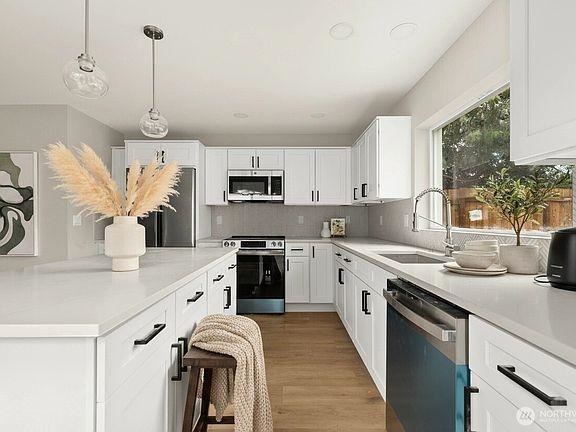
Decluttering offers practical benefits beyond improving appearance.
Make Rooms Feel More Spacious
Removing oversized furniture and unnecessary objects can improve circulation and make existing floor space easier to appreciate.
Improve Everyday Organization
When belongings have designated storage areas, finding everyday essentials becomes easier.
Prepare for Moving
Sorting possessions before moving can reduce the number of items that need to be packed and transported.
Support Home Presentation
The National Association of REALTORS® reports that decluttering is among the most common recommendations agents make when preparing properties for sale.
Reduce Cleaning Effort
Fewer unnecessary items often mean fewer objects to move and surfaces to maintain.
To Declutter Your Seattle, Washington Home for Added Value, begin with manageable improvements that support both your immediate needs and long-term plans.
1. Start With a Simple Decluttering Plan

An organized process is usually more manageable than attempting to clear every room at once.
Walk Through Your Home
Identify crowded storage spaces, overflowing drawers, unused furniture, and areas that collect everyday clutter.
Prioritize High-Impact Rooms
Start with the living room, kitchen, primary bedroom, and entryway.
These areas strongly influence visitors’ first impressions.
Create Sorting Categories
Separate belongings into items to keep, donate, sell, recycle, and dispose of.
Keep important documents and sentimental possessions in a separate review category.
Set Achievable Goals
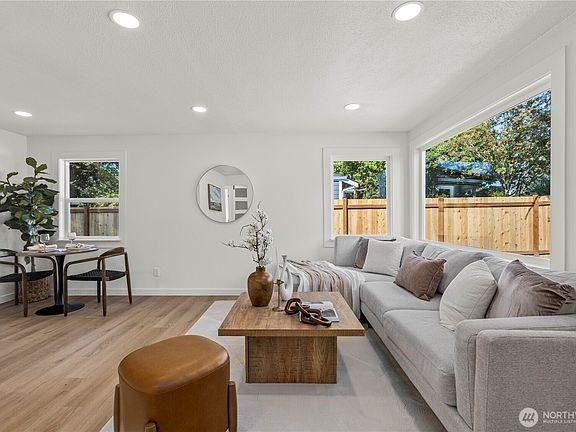
Focus on one drawer, cabinet, or room at a time.
A realistic schedule can help prevent the project from becoming overwhelming.
The first step to Declutter Your Seattle, Washington Home for Added Value is deciding what genuinely contributes to your household’s comfort and daily activities.
2. Create a Spacious and Inviting Living Room
The living room is often one of the most visible parts of a home.
It may also contain excessive furniture, entertainment accessories, decorative items, and personal collections.
Remove Unnecessary Furniture
Consider whether additional chairs, side tables, or cabinets are restricting movement.
Keep the pieces that provide useful seating and complement the room’s proportions.
Simplify Decorative Accessories
Choose a few meaningful objects rather than filling every shelf.
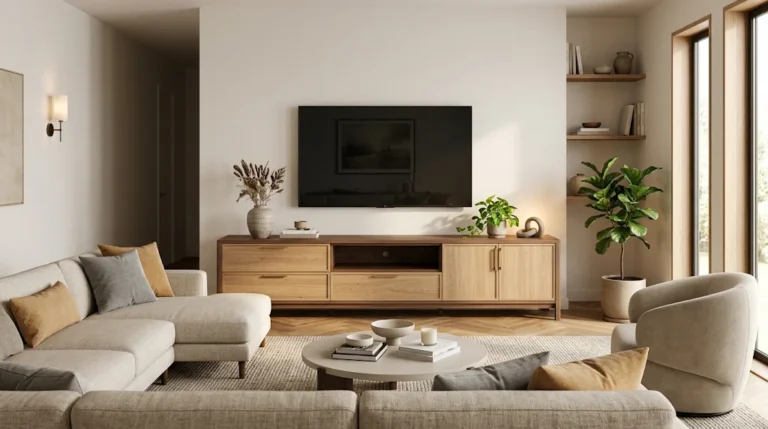
Organize Entertainment Equipment
Use appropriate cable management and storage containers to reduce visual clutter.
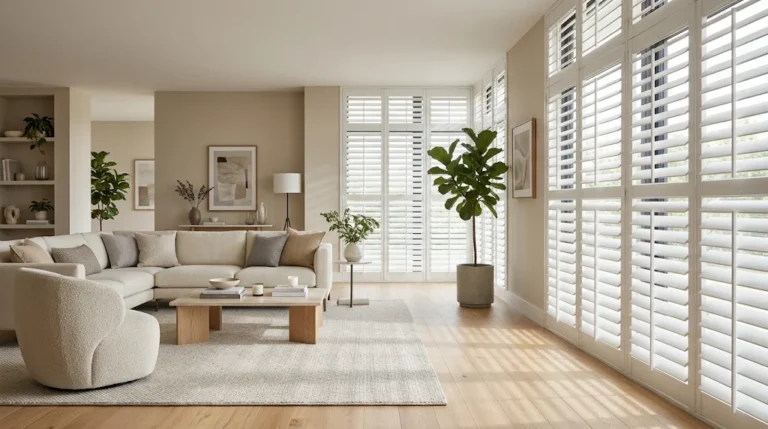
Highlight Natural Light
Keep windows reasonably clear and use window treatments that suit the space.
Seattle’s frequent overcast conditions make thoughtful natural-light presentation especially useful.
Improve Furniture Placement
Arrange seating to create comfortable movement and an inviting conversation area.
When you Declutter Your Seattle, Washington Home for Added Value, a simpler living room arrangement can help visitors appreciate the room’s actual dimensions.
3. Organize the Kitchen for a Cleaner Appearance
Kitchens are important daily-use spaces and frequently attract close attention from prospective homebuyers.
Clear the Countertops
Store appliances that you rarely use.
Leave enough space for food preparation and keep decorative objects to a minimum.
Sort Kitchen Cabinets
Remove expired food, duplicate utensils, broken accessories, and items you no longer need.
Organize Pantry Storage
Group similar foods together and keep frequently used ingredients accessible.
Review Small Appliances
Consider donating functioning equipment you no longer use, provided the recipient organization accepts it.
Clean Frequently Used Areas
Pay attention to cabinet fronts, countertops, sinks, and appliance exteriors.
To Declutter Your Seattle, Washington Home for Added Value, focus on making the kitchen feel functional and easy to maintain rather than completely empty.
4. Refresh Bedrooms and Closets
Bedrooms should offer comfort, practical storage, and an environment suitable for rest.
Reduce Excess Furniture
Avoid filling the room with unnecessary dressers, chairs, and storage units.
Sort Clothing
Separate regularly worn clothing from items that no longer fit or suit your needs.
Use Closet Organizers
Suitable hangers, shelf dividers, and storage baskets can make existing space easier to use.
Keep Nightstands Simple
Store small essentials in drawers and avoid covering bedside surfaces with unrelated belongings.
Improve Bedding Presentation
Fresh bedding and a neatly made bed can contribute to a welcoming appearance.
Homeowners who Declutter Your Seattle, Washington Home for Added Value should pay particular attention to bedroom storage because crowded closets may distract from otherwise useful space.
5. Make Your Entryway Practical for Seattle Weather
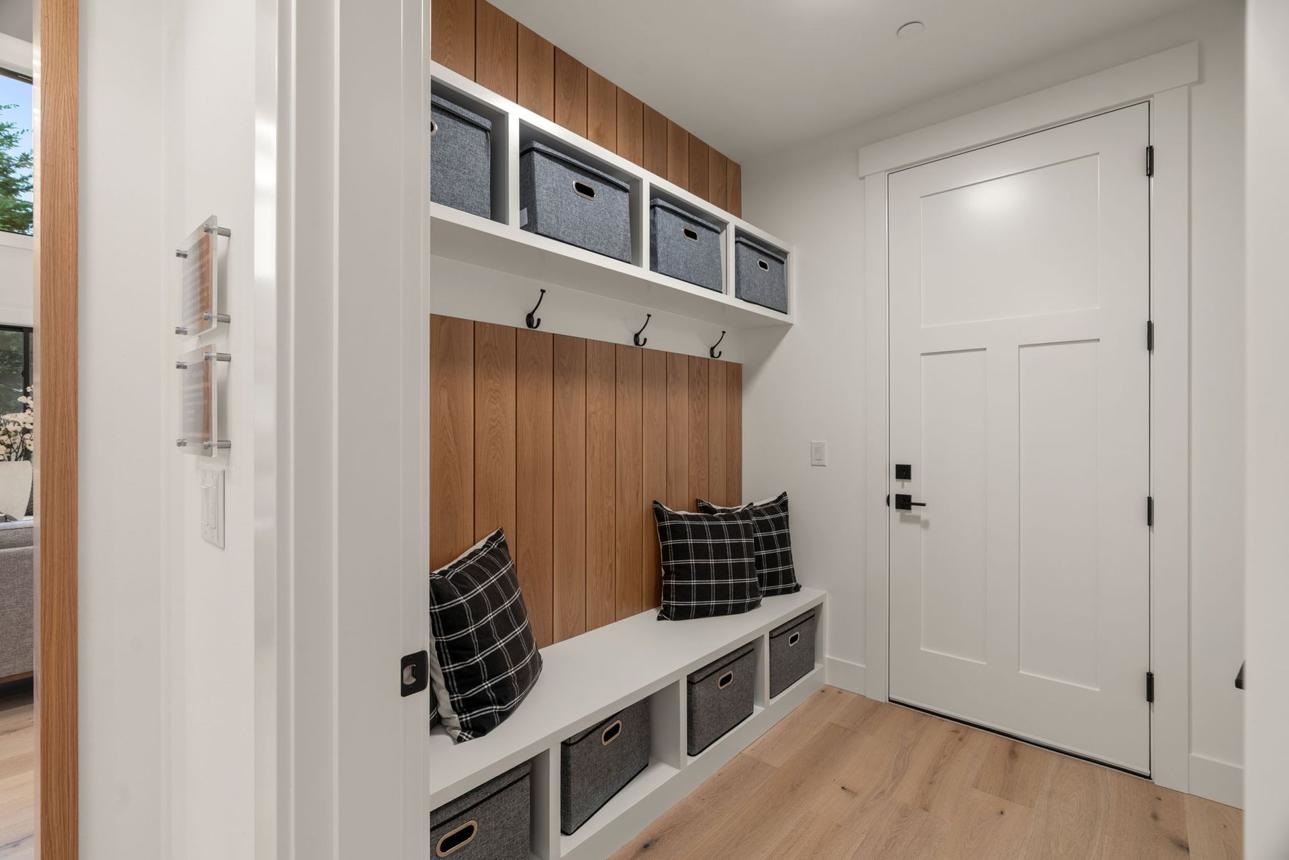
Seattle households often need convenient places to store wet coats, umbrellas, boots, and outdoor clothing.
Establish a Shoe Storage Area
Choose a compact rack or suitable storage bench that fits your entryway.
Hang Everyday Coats
Use sturdy hooks or an organized closet to keep outerwear off furniture.
Provide Umbrella Storage
A suitable holder can keep wet umbrellas away from important surfaces.
Add a Durable Mat
An appropriate entry mat helps manage dirt and moisture brought indoors.
Organize Small Essentials
Create one designated location for keys, bags, and other frequently used items.
A functional entrance can make a strong first impression when you Declutter Your Seattle, Washington Home for Added Value.
6. Clear Garages, Basements, and Storage Areas
Storage spaces often accumulate possessions that homeowners have forgotten about.
Identify Unused Equipment
Review old tools, bicycles, sports gear, holiday decorations, and damaged household items.
Use Vertical Storage
Shelving can keep belongings organized without using unnecessary floor area.
Keep Access Paths Clear
Do not block exits, electrical panels, water heaters, or equipment that requires service clearance.
Check for Moisture
Seattle’s wet climate makes it sensible to inspect storage areas for dampness and signs of water intrusion.
Protect Stored Belongings
Use appropriate containers for documents, seasonal items, and sensitive materials.
To Declutter Your Seattle, Washington Home for Added Value, remember that buyers may inspect storage areas as carefully as finished rooms.
7. Donate, Sell, and Reuse Unwanted Possessions
Decluttering doesn’t mean sending every unwanted item to a landfill.
Seattle provides resources for extending the life of usable household goods.
Donate Suitable Items
Seattle Public Utilities encourages residents to donate usable belongings through nonprofit and reuse organizations.
Sell Valuable Furniture
Local resale platforms and consignment options may help you recover some value from unwanted furniture.
Share With Neighbors
Community exchange groups can be useful for distributing items that are still functional.
Recycle Textiles Properly
Seattle’s Threadcycle information explains that participating organizations may accept certain worn clothing and household textiles.
Wet, mildewed, or hazardous-material-contaminated items should not be donated through these programs.
Verify Acceptance Policies
Contact organizations before dropping off furniture, appliances, or other large items.
A responsible way to Declutter Your Seattle, Washington Home for Added Value is to prioritize reuse before disposal whenever practical.
8. Use Seattle’s Recycling and Special Collection Services
Some items are unsuitable for donation or standard household recycling.
Check Local Sorting Rules
Seattle Public Utilities provides guidance on what belongs in garbage, recycling, and compost collections.
Arrange Special Item Pickup
Eligible Seattle utility customers can request special collection for certain bulky items and difficult-to-recycle materials.
Dispose of Electronics Correctly
Televisions, computers, and other electronics may need specialized recycling arrangements.
Handle Hazardous Waste Separately
Certain paints, solvents, and household chemicals belong in approved hazardous waste collection systems.
Avoid Mixing Waste Categories
Incorrect sorting can complicate material recovery.
The goal when you Declutter Your Seattle, Washington Home for Added Value is not merely to remove unwanted belongings, but to handle them responsibly.
How Decluttering Can Improve Home Buyer Appeal
A tidy home can help prospective buyers focus on the property’s features.
Make Floor Plans Easier to Understand
Clear walkways and appropriately sized furniture make it easier to assess how rooms connect.
Highlight Storage Capacity
Organized closets and cupboards can help visitors understand available storage.
Improve Listing Photography
Clean surfaces and balanced furnishings often make interior photographs easier to interpret.
Reduce Visual Distractions
Excessive personal belongings may draw attention away from the home’s architecture and layout.
Support Professional Staging
Decluttering can create a useful starting point for a professional staging plan.
The 2025 National Association of REALTORS® report found that 83% of buyers’ agents believed staging made it easier for buyers to visualize a property as their future home.
However, the financial impact varies. Decluttering alone does not guarantee a higher appraisal or selling price.
When preparing to Declutter Your Seattle, Washington Home for Added Value, aim to improve presentation without making unsupported promises about resale returns.
Should You Hire a Professional Organizer?
Some homeowners prefer to manage the work themselves, while others benefit from assistance.
When Professional Help May Be Useful
Consider help if your household has accumulated large amounts of belongings or you’re preparing for a time-sensitive move.
What Organizers May Provide
Services may include sorting support, storage planning, organization systems, and coordination of donations.
Ask About the Scope
Confirm whether packing, disposal, transportation, and storage products are included.
Review Costs
Request written quotations and compare the services being offered.
Protect Sensitive Belongings
Discuss how financial records, private documents, and valuable possessions will be handled.
Professional assistance can make it easier to Declutter Your Seattle, Washington Home for Added Value, but a thoughtful DIY approach can also work.
A Practical Seven-Day Seattle Decluttering Plan
You don’t need to complete everything in one afternoon.
| Day | Main task |
|---|---|
| Day 1 | Walk through the property and organize sorting supplies |
| Day 2 | Clear living room furniture and unnecessary accessories |
| Day 3 | Organize kitchen countertops, cabinets, and pantry |
| Day 4 | Sort bedrooms, closets, and personal belongings |
| Day 5 | Improve entryway, bathroom, and linen storage |
| Day 6 | Review garage, basement, and storage spaces |
| Day 7 | Arrange donations, recycling, and final cleaning |
Use this schedule as a starting point and adjust it to your household’s size and availability.
Common Decluttering Mistakes to Avoid
Buying Storage Containers Too Early
Sort belongings first so you know what storage is actually needed.
Moving Clutter Into Another Room
Relocating unwanted belongings without making decisions does not solve the problem.
Throwing Away Valuable Documents
Review financial, legal, and personal records carefully before disposal.
Ignoring Large Furniture
Oversized items may affect how spacious a room feels more than smaller accessories.
Overlooking Disposal Rules
Some materials need specialized recycling or hazardous waste handling.
Expecting Immediate Results
Work gradually and create routines that prevent clutter from returning.
To Declutter Your Seattle, Washington Home for Added Value successfully, build habits that are manageable after the initial cleanup.
Frequently Asked Questions
1. Does decluttering increase the value of a Seattle home?
Decluttering may improve buyer impressions and presentation, but it does not guarantee a particular selling price.
2. How can I declutter my Seattle home quickly?
Start with visible surfaces, remove unused furniture, organize major storage areas, and arrange responsible disposal of unwanted items.
3. What should I declutter first before selling my house?
Begin with the living room, kitchen, primary bedroom, closets, and entryway.
4. Where can I donate unwanted furniture in Seattle?
Seattle Public Utilities lists local donation and reuse resources. Organizations such as Habitat Stores Seattle-King County also publish acceptance policies.
5. Can Seattle collect unwanted bulky items?
Seattle Public Utilities offers special item pickup for eligible customers, with applicable charges and collection rules.
6. Should I declutter before professional home staging?
Yes. Clearing unnecessary belongings usually helps a stager assess the room layout and presentation opportunities.
7. How much does professional decluttering cost?
Costs depend on property size, the amount of work, the organizer’s services, and whether hauling or storage is included.
8. Is decluttering worth doing if I’m not selling?
Yes. An organized home may offer more convenient storage, simpler cleaning, and a more functional layout.
Conclusion
Creating a more organized home can improve everyday comfort while making your property more attractive to visitors and potential buyers.
When you Declutter Your Seattle, Washington Home for Added Value, begin with visible spaces, organize storage areas, and carefully evaluate which belongings you truly need.
Focus on living rooms, kitchens, bedrooms, entryways, and storage spaces before making expensive decorative improvements.
Take advantage of Seattle’s donation, reuse, recycling, and special collection resources to handle unwanted items responsibly.
Most importantly, remember that decluttering is a presentation and organization strategy, not a guaranteed way to increase the price of a home.
With a manageable plan and consistent habits, you can create a cleaner, more spacious, and more welcoming Seattle home.

Written by Twastia Editorial Team
Twastia Editorial Team shares practical insights about website design, SEO services, Google Ads, content marketing, social media, conversion rate optimization, and digital marketing strategy.
Last updated: Oct 30, 2026
Related posts from Twastia
Explore more useful articles from twastia.com about digital marketing, SEO, websites, ads, content, and growth strategy.