The Comprehensive Guide to Exploring Morocco: Best Places & Travel Tips
Morocco is a destination where ancient traditions, breathtaking landscapes, and vibrant cities come together to create unforgettable travel experiences. From […]
Morocco is a destination where ancient traditions, breathtaking landscapes, and vibrant cities come together to create unforgettable travel experiences. From the lively markets of Marrakech to the golden dunes of the Sahara Desert, this North African country offers something extraordinary for every traveler.
Whether you’re planning a romantic getaway, a family vacation, or an adventure-filled journey, The Comprehensive Guide to Exploring Morocco will help you discover remarkable destinations, cultural experiences, and practical ways to make your trip memorable.
For travelers from the United States, Morocco offers a fascinating combination of Arab, Amazigh, African, and Mediterranean influences. Visitors can explore centuries-old architecture, taste authentic Moroccan cuisine, hike through mountain valleys, and experience local hospitality.
This guide covers essential destinations, transportation options, cultural customs, recommended itineraries, and travel tips to help you explore Morocco with confidence.
Why Morocco Should Be Your Next Travel Destination
Morocco stands out because of its incredible geographical and cultural diversity. Within one country, travelers can experience Atlantic beaches, mountain villages, desert landscapes, and historic imperial cities.
One of the biggest reasons people love exploring Morocco is the opportunity to experience its distinctive culture. Traditional markets, known as souks, display handcrafted carpets, leather goods, pottery, and colorful textiles.
The country’s architecture is equally impressive. Elaborate geometric tiles, ornate doorways, peaceful courtyards, and historic mosques create an atmosphere unlike many other destinations.
The Comprehensive Guide to Exploring Morocco emphasizes experiences beyond popular tourist attractions. Sharing mint tea with a local host, visiting a traditional hammam, or learning about Amazigh craftsmanship can make your journey more meaningful.
Morocco also accommodates various travel preferences, offering everything from affordable guesthouses to luxurious traditional riads.
Best Places to Visit in Morocco
Choosing destinations is one of the most exciting parts of planning a Moroccan vacation. Each region offers a different perspective on the country’s history, landscapes, and lifestyle.
Marrakech: The Heart of Moroccan Culture
Souks to the Sahara: 5 Essential Morocco Experiences You Shouldn’t Miss | Exodus
Bahia Palace Marrakech – History, Opening Hours and Visitor Info
5
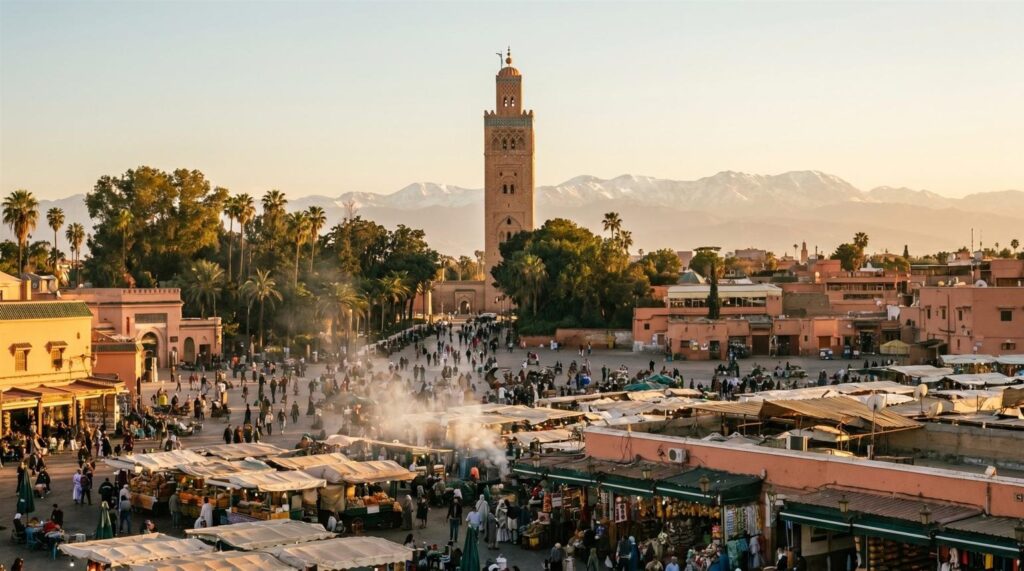
Marrakech is among Morocco’s most famous destinations, known for its energetic markets, stunning palaces, and distinctive red-colored buildings.
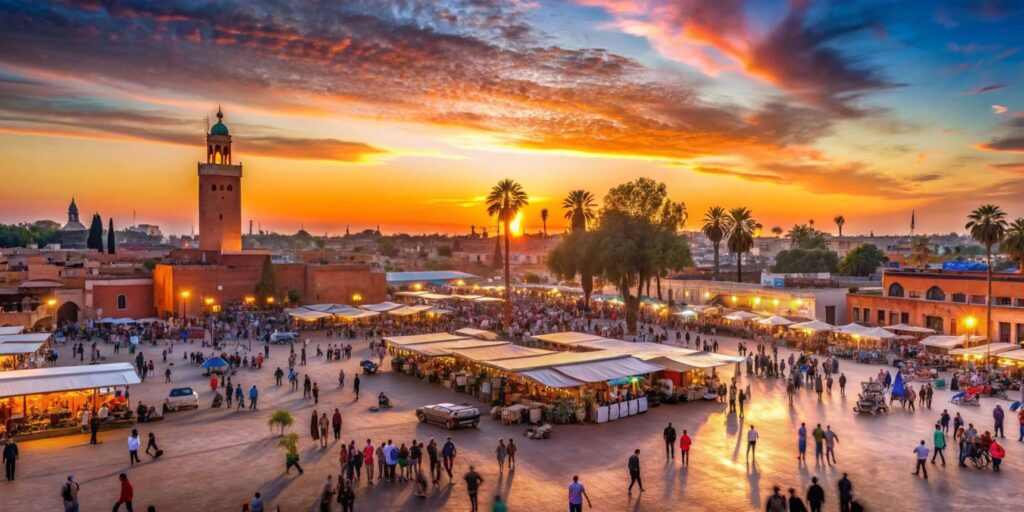
Visitors can explore Jemaa el-Fnaa square, where food stalls, performers, and local merchants create a lively atmosphere, particularly in the evening.
Other attractions include Bahia Palace, the historic Saadian Tombs, and Majorelle Garden.
Exploring the narrow streets of the medina reveals traditional workshops, spice stalls, and hidden courtyards. Staying in a riad provides an opportunity to experience Moroccan architecture while enjoying modern hospitality.
Marrakech also serves as a convenient starting point for excursions toward the Atlas Mountains and southern Morocco.
Fes: Discover Morocco’s Historic Heritage
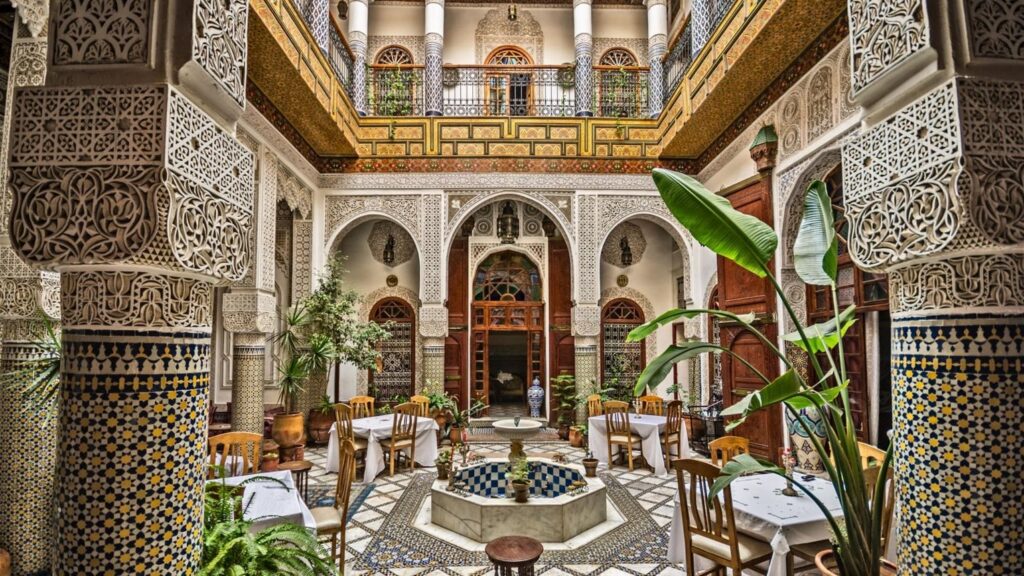
Fes is famous for its historic medina, traditional craftsmanship, and longstanding intellectual heritage.
The UNESCO-listed Medina of Fez contains winding alleyways, historic religious buildings, traditional markets, and artisan workshops.
Travelers can visit the exterior and surrounding historic district of Al Quaraouiyine, explore the Bou Inania Madrasa when accessible, and discover the city’s traditional leatherworking industry.
For visitors interested in history and cultural immersion, Fes provides a rewarding contrast to Marrakech.
The Comprehensive Guide to Exploring Morocco would be incomplete without recognizing the importance of Fes in preserving Morocco’s architectural and artistic traditions.
Chefchaouen: Morocco’s Beautiful Blue City
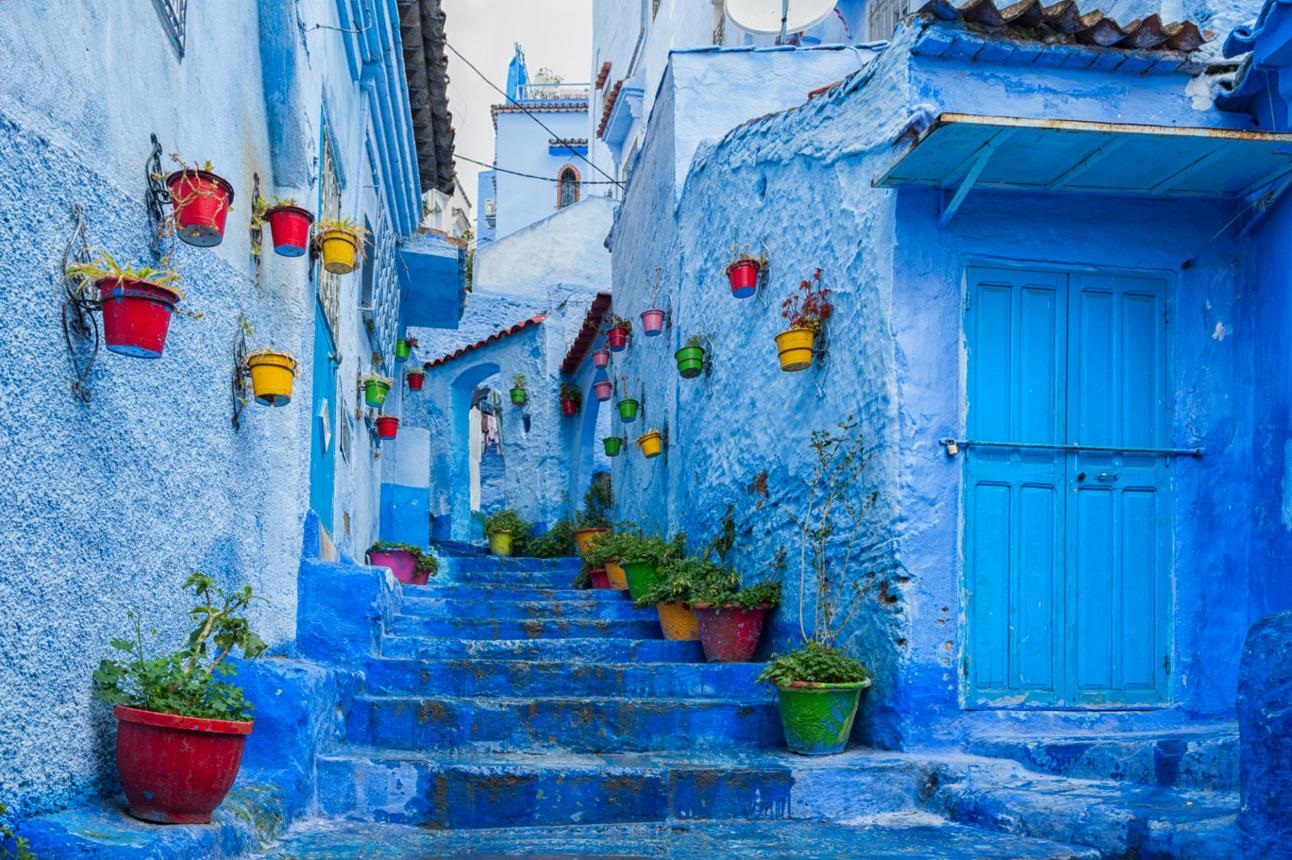
Nestled in the Rif Mountains, Chefchaouen is known for its distinctive blue-painted buildings and peaceful atmosphere.
Walking through the city’s narrow streets allows visitors to discover charming cafés, artisan shops, and picturesque corners.
Photography enthusiasts particularly enjoy its colorful stairways, traditional doorways, and mountain views.
Visitors can also explore the surrounding natural landscape, including nearby hiking routes and scenic viewpoints.
Chefchaouen is an excellent destination for travelers seeking a slower, more relaxed experience.
Merzouga: Experience the Sahara Desert
A journey to Morocco would not feel complete for many travelers without experiencing the Sahara Desert.
Merzouga, located near the magnificent Erg Chebbi dunes, is a popular gateway to desert adventures.
Visitors can enjoy guided camel excursions, watch spectacular sunsets over the dunes, and spend the night at a desert camp.
After sunset, the desert offers opportunities for stargazing, traditional meals, and quiet moments away from busy cities.
The Comprehensive Guide to Exploring Morocco recommends allowing enough time for the journey because reaching Merzouga from Marrakech typically requires substantial overland travel.
Essaouira: Relax Along the Atlantic Coast
Essaouira combines coastal scenery, historic architecture, and a relaxed artistic atmosphere.
Its UNESCO-listed medina features narrow streets, traditional shops, and whitewashed buildings accented with blue details.
Visitors can walk along historic ramparts, explore the fishing harbor, and enjoy freshly prepared seafood.
The city’s often-windy coastal conditions also attract windsurfing and kitesurfing enthusiasts.
Essaouira makes an appealing addition to a Marrakech-based itinerary, particularly for travelers who want a break from the heat and activity of inland cities. Moroccan National Tourist Office+1
Best Time to Visit Morocco
Understanding seasonal weather patterns is essential when planning your Moroccan adventure.
The Comprehensive Guide to Exploring Morocco recommends spring and fall for travelers seeking comfortable temperatures and opportunities to experience multiple regions.
Spring: March to May
Spring is an excellent season for exploring historic cities, hiking mountain trails, and experiencing Morocco’s colorful landscapes.
Temperatures are generally pleasant in Marrakech and Fes, while wildflowers and greenery enhance the beauty of the Atlas Mountains.
Fall: September to November
Fall provides favorable conditions for desert adventures, cultural sightseeing, and outdoor activities.
October and November are particularly appealing for travelers planning Sahara excursions because daytime temperatures are generally more manageable than during summer.
Summer and Winter Travel
Summer can bring intense heat to inland cities and desert regions, making coastal destinations such as Essaouira and Agadir attractive alternatives.
Winter offers opportunities to explore southern Morocco, although desert nights can become extremely cold. Mountain regions may experience snowfall.
Travelers should choose their season according to their preferred destinations and activities rather than expecting identical weather throughout the country. Moroccan National Tourist Office+1
Unforgettable Experiences to Enjoy in Morocco
Beyond sightseeing, Morocco offers cultural and outdoor activities that help travelers connect with local traditions.
Explore Traditional Moroccan Souks
Morocco’s souks are filled with handcrafted ceramics, colorful textiles, spices, lanterns, and leather accessories.
Shopping in traditional markets is an opportunity to interact with artisans and observe craftsmanship passed down through generations.
Friendly price negotiation is common in many markets, but visitors should remain respectful and avoid bargaining unless genuinely interested in purchasing.
Enjoy Traditional Moroccan Cuisine
Moroccan cuisine combines aromatic spices, fresh ingredients, and regional cooking traditions.
Popular dishes include tagine, couscous, harira soup, and pastilla. Traditional mint tea is widely associated with Moroccan hospitality.
Consider joining a cooking class to learn how local ingredients and cooking techniques create distinctive flavors.
Discover the Atlas Mountains
The Atlas Mountains offer exceptional opportunities for hiking, photography, and visits to traditional Amazigh communities.
Popular destinations include the Imlil Valley and villages near Mount Toubkal, North Africa’s highest peak.
Travelers should select routes appropriate for their physical abilities and use qualified local guides when conditions or terrain require them.
The Comprehensive Guide to Exploring Morocco encourages responsible tourism that respects local communities and protects natural environments.
How to Get Around Morocco
Morocco provides several transportation options suitable for different budgets and travel styles.
Trains are convenient for traveling between major cities, including Casablanca, Rabat, Tangier, Fes, and Marrakech. Morocco’s high-speed rail service connects Tangier, Kenitra, Rabat, and Casablanca.
Intercity buses provide access to additional destinations, while private drivers and organized tours can be useful for remote mountain regions and desert journeys.
Within cities, travelers commonly use taxis or explore pedestrian-friendly historic medinas on foot.
Renting a vehicle offers flexibility, although unfamiliar road conditions and mountain driving require extra care.
For current railway routes and reservations, travelers can consult Morocco’s national rail operator through the official tourism transport guidance. Moroccan National Tourist Office
Suggested 7-Day Morocco Travel Itinerary
A well-organized itinerary allows travelers to experience Morocco without spending their entire vacation moving between distant destinations.
The Comprehensive Guide to Exploring Morocco suggests the following practical seven-day introduction, focusing on Marrakech, the Atlas foothills, and southern desert scenery.
Marrakech Travel Guide 2026 — Top Tips & Car Rental
Days 1–2: Marrakech
Explore the medina, historic palaces, traditional markets, and Moroccan restaurants. Stay in a riad and enjoy a guided cultural walking tour.
Marrakech: Family Atlas Mountains, Ourika Waterfalls & Lunch|Morocco – KKday
Day 3: Atlas Mountains
Take a guided day trip to the Atlas foothills, discover mountain scenery, and learn about local Amazigh traditions.
Sehenswürdigkeiten in Marokko: Top Highlights | Berge & Meer
Day 4: Aït Benhaddou and Ouarzazate
Travel through spectacular landscapes, visit the historic ksar of Aït Benhaddou, and continue toward Ouarzazate.
Best Desert Camps in Merzouga: Luxury vs Budget Sahara
Day 5: Merzouga Desert
Continue east toward Merzouga for a guided desert experience and an overnight camp beneath the stars.
Les Gorges du Dadès | Guide de voyage au Maroc – TraceDirecte
Days 6–7: Return via Southern Morocco
Travel back toward Marrakech through scenic valleys, allowing two days for the lengthy return journey before departure.
Use two fingers to move the map
Use ctrl + scroll to zoom the map
Start hereMarrakech4.5•Tourist attraction
Drive ~1 hour, 26 minImlil4.6•Tourist attractionOpen
Drive ~3 hours, 51 minAït Benhaddou4.6•Tourist attractionOpen
Drive ~41 minOuarzazate3.8•Historical landmarkClosed
Drive ~5 hours, 24 minMerzouga4.0•AttractionOpen
Drive ~3 hours, 46 minBoumalne Dades4.2•Electronics store
This itinerary involves long driving days, particularly between the Sahara and Marrakech. Travelers who prefer a more relaxed pace should consider extending their trip to nine or ten days.
Essential Morocco Travel Tips for American Visitors
Before booking, U.S. passport holders should review Morocco’s current entry requirements. Tourist visits of up to 90 days generally do not require a visa, and the U.S. State Department advises having at least six months of passport validity and a blank passport page.
Morocco uses the Moroccan dirham (MAD). Although larger hotels and restaurants may accept cards, keeping cash available is useful for smaller establishments and markets.
Visitors should dress respectfully, particularly in conservative or religious environments, and ask permission before photographing people.
English is spoken in many tourist settings, while Arabic, Amazigh languages, and French are widely used in different contexts.
The U.S. State Department currently advises increased caution in Morocco. Travelers should protect valuables, remain attentive in crowded markets, avoid isolated areas after dark, and consider suitable travel insurance.
Always consult official travel guidance before departure because entry conditions and safety recommendations can change. Travel.state.gov+1
Frequently Asked Questions About Exploring Morocco
Is Morocco a good destination for first-time international travelers?
Yes. Morocco offers established tourist infrastructure, numerous accommodation choices, and organized sightseeing options. First-time visitors often benefit from starting in Marrakech or Casablanca and planning transportation before arrival.
How many days do you need to explore Morocco?
Seven days provides an introduction to selected destinations, while 10–14 days allows a more comfortable itinerary covering several cities, the Sahara Desert, and mountain or coastal areas.
Is Morocco expensive for American tourists?
Morocco accommodates various budgets. Travelers can choose affordable guesthouses, midrange riads, or luxury resorts. Overall expenses depend on accommodation, transportation, travel season, and guided activities.
Do Americans need a visa to visit Morocco?
U.S. citizens generally do not need a tourist visa for visits lasting 90 days or less. Check official entry requirements before traveling because passport and immigration rules may change.
What should tourists avoid doing in Morocco?
Avoid photographing people without permission, displaying large amounts of money, accepting unclear offers from unofficial guides, and entering restricted locations. Respect local customs and religious traditions.
Is it worth booking a guided Morocco tour?
Guided tours can simplify transportation, accommodation arrangements, and visits to remote destinations. They are particularly useful for first-time visitors, families, and travelers planning Sahara Desert excursions.
Conclusion: Begin Your Unforgettable Morocco Adventure
Morocco offers an extraordinary combination of history, natural beauty, cultural traditions, and outdoor adventure.
From exploring Marrakech’s lively souks to admiring Chefchaouen’s blue streets and experiencing the Sahara Desert, every region provides a different perspective on this fascinating destination.
The Comprehensive Guide to Exploring Morocco helps travelers understand where to go, when to visit, and how to organize a rewarding journey.
By planning carefully, respecting local traditions, and choosing experiences suited to your interests, you can create a Morocco vacation filled with unforgettable memories.
Start exploring your travel options, build your ideal itinerary, and discover the remarkable experiences awaiting you in Morocco.

Written by Twastia Editorial Team
Twastia Editorial Team shares practical insights about website design, SEO services, Google Ads, content marketing, social media, conversion rate optimization, and digital marketing strategy.
Last updated: Nov 4, 2026
Related posts from Twastia
Explore more useful articles from twastia.com about digital marketing, SEO, websites, ads, content, and growth strategy.