Why are Structural Inspections necessary?: Best Reasons to Protect Your Property
Every building depends on a strong structural system to remain safe, stable, and functional. From residential houses to commercial properties, […]
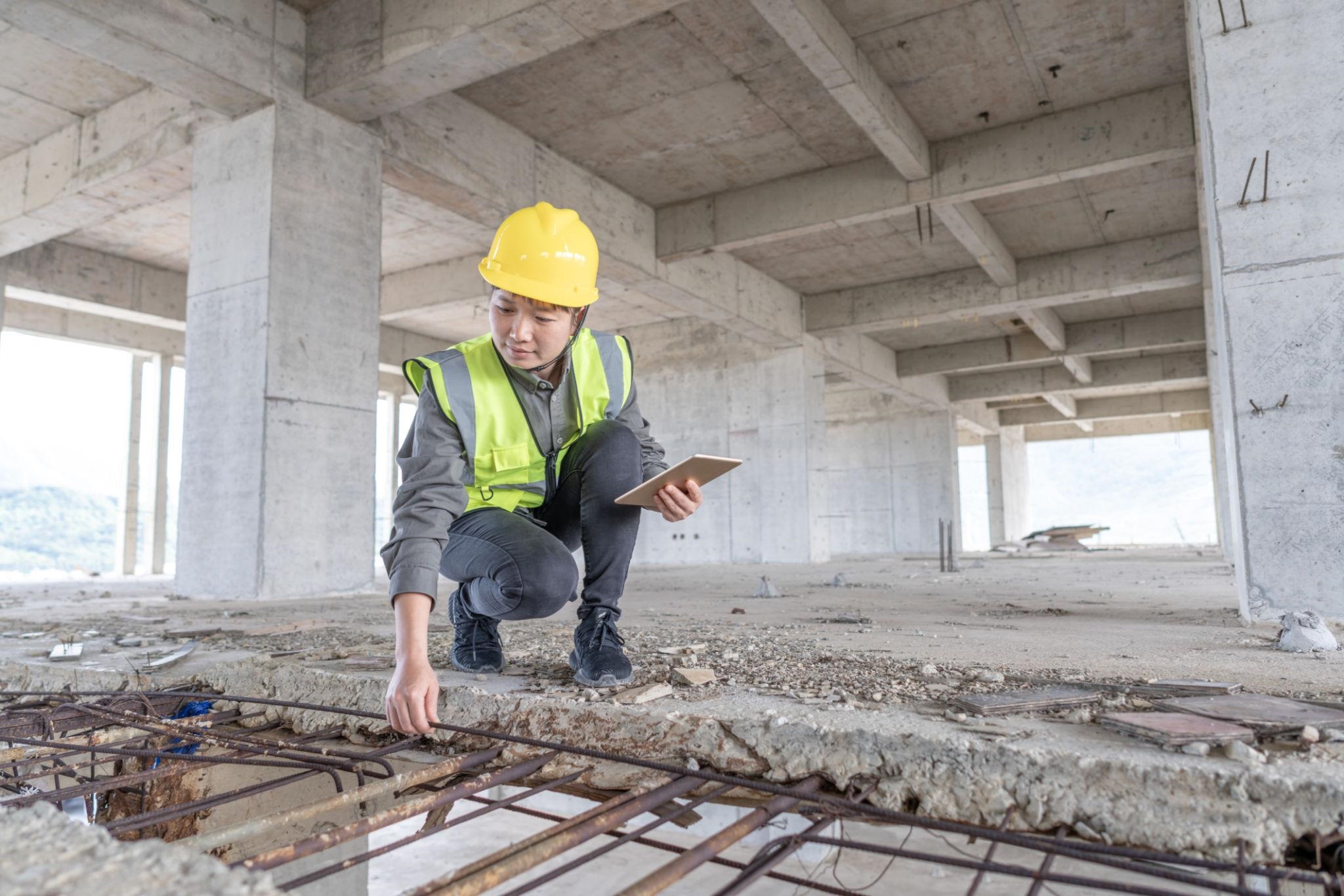
Every building depends on a strong structural system to remain safe, stable, and functional. From residential houses to commercial properties, foundations, beams, columns, and load-bearing walls work together to support the building and withstand environmental forces. However, structural components can deteriorate over time because of aging, moisture, soil movement, construction defects, or unexpected events.
This raises an important question: Why are structural inspections necessary?
Structural inspections help identify potential weaknesses before they develop into serious safety hazards. A professional assessment can reveal warning signs of foundation movement, deteriorating materials, damaged structural members, and other conditions that may affect a building’s performance.
For homeowners, property investors, and commercial building managers, understanding structural inspections is an important part of responsible property ownership.
The American Society of Civil Engineers (ASCE) emphasizes that periodic inspections and maintenance planning support the safety and functionality of buildings and other infrastructure. ASCE
This guide explains what structural inspections involve, why they matter, when they should be arranged, and how they can help protect buildings and their occupants.
What Is a Structural Inspection?
A structural inspection is a professional evaluation of a building’s structural components to identify visible damage, deterioration, and possible weaknesses.
It focuses on the elements responsible for supporting the building and transferring loads safely to the ground.
Unlike a general property inspection, which covers a broad range of building systems, a structural inspection concentrates on structural performance and integrity.
Qualified structural engineers typically conduct these assessments, particularly when significant structural concerns require technical analysis.
What Do Structural Inspectors Examine?
The specific inspection scope depends on the building’s age, construction type, accessibility, and reported problems.
Common structural elements include:
- Foundations and supporting footings.
- Load-bearing walls and structural partitions.
- Beams, columns, and structural connections.
- Floor framing and supporting systems.
- Roof framing and supporting members.
- Concrete, steel, timber, and masonry components.
- Visible settlement, movement, or deformation.
An engineer may also review architectural drawings, construction records, previous reports, and repair history.
According to ASCE’s structural condition assessment guidance, evaluations commonly begin with document review, site investigation, preliminary analysis, and recommendations. More detailed testing may follow when necessary. Vol MOP 158, No
1. Structural Inspections Help Protect Occupant Safety
The most important reason for arranging structural inspections is protecting people.
Buildings must safely support their own weight, occupants, furnishings, equipment, and environmental loads such as wind and snow.
When structural components deteriorate or become damaged, their ability to resist these loads may be affected.
Identifying Potential Safety Hazards
Certain problems can create serious safety concerns if left unaddressed.
Examples include severely weakened support beams, significant foundation displacement, deteriorated structural connections, and substantial deformation of load-bearing elements.
A structural inspection helps determine whether visible conditions indicate potential safety risks.
Not every crack or irregularity represents a structural emergency. However, a qualified professional can distinguish between minor cosmetic defects and problems requiring further investigation.
For property owners, this information supports informed decisions about repairs, occupancy restrictions, and additional engineering assessments.
If a building shows signs of imminent structural failure, occupants should leave the affected area and contact appropriate emergency services or local building authorities rather than waiting for a routine appointment.
2. Early Detection Can Prevent Expensive Structural Repairs
Another important answer to why structural inspections are necessary involves preventing small problems from becoming larger ones.
Structural deterioration may begin gradually, with warning signs that are easy to overlook.
Small cracks, recurring moisture problems, or slight floor movement may sometimes indicate underlying conditions requiring investigation.
Addressing Problems Before They Become Severe
Consider a property experiencing foundation settlement.
Initially, the homeowner might notice minor wall cracks or doors that no longer close properly.
If the settlement continues, additional damage could affect walls, flooring, and other building components.
An inspection can help identify the likely cause and determine whether monitoring, maintenance, or corrective work is appropriate.
Early intervention does not guarantee inexpensive repairs, but it may prevent avoidable deterioration.
ASCE recognizes that materials and structures deteriorate through aging, use, environmental exposure, and accidental or natural events. ASCE
Regular condition assessments therefore provide useful information for maintenance planning.
3. Structural Inspections Reveal Hidden Building Problems
Some structural concerns are not immediately obvious during everyday building use.
Damage may exist behind wall finishes, above ceilings, within crawl spaces, or in areas that property occupants rarely visit.
Although a basic visual inspection cannot reveal every concealed defect, it can identify conditions that justify further investigation.
Common Warning Signs of Structural Damage
Property owners should pay attention to symptoms such as:
- Large or progressively widening wall cracks.
- Stair-step cracks in masonry walls.
- Noticeably sloping or sagging floors.
- Doors and windows that suddenly become difficult to operate.
- Visible separation between structural elements.
- Bowing or leaning foundation walls.
- Significant roofline sagging.
- Deteriorated timber or corroded structural steel.
These conditions do not automatically confirm structural failure. Some may result from normal material movement, seasonal changes, or nonstructural issues.
Nevertheless, unusual or worsening symptoms deserve professional evaluation.
FEMA’s guidance on evaluating earthquake-damaged buildings identifies cracking, foundation movement, fractured materials, and deformation among the conditions engineers may investigate. FEMA
4. Structural Inspections Are Important Before Buying Property
Purchasing a property represents a major financial commitment.
Before completing a transaction, buyers should understand whether significant structural defects could affect safety, maintenance requirements, or future repair expenses.
A standard home inspection provides general information about a property’s condition, but it may not include a detailed structural engineering analysis.
Protecting Your Property Investment
A specialized structural inspection may be appropriate when a home inspector identifies potential foundation problems, unusual structural movement, or substantial damage.
The findings can help prospective buyers understand the condition of the building before completing their purchase.
For example, an older property may have visible foundation cracks.
A structural engineer can evaluate whether the observed cracks appear consistent with minor movement or suggest a more serious concern requiring analysis.
The resulting report may help buyers request additional information, obtain repair estimates, or reconsider the transaction.
However, a structural inspection is not a guarantee against future defects, particularly when hidden areas remain inaccessible.
5. Inspections Support Safe Renovations and Building Modifications
Home improvements can sometimes change how structural loads move through a building.
Removing walls, adding another floor, expanding a commercial space, or installing heavy equipment may place additional demands on existing structural components.
This is another important reason why structural inspections are necessary before major renovation projects.
Evaluating Load-Bearing Elements
Suppose a homeowner wants to remove an interior wall to create an open-plan kitchen and living area.
Before construction begins, an engineer may need to determine whether the wall supports loads from the floors or roof above.
If it is load-bearing, an appropriately designed replacement support system may be necessary.
Similarly, commercial properties may require assessments before introducing heavy machinery or converting spaces to different uses.
The International Existing Building Code provides requirements for alterations, additions, and occupancy changes. Certain compliance methods require structural analysis to assess the adequacy of existing systems. 2024 INTERNATIONAL EXISTING BUILDING CODE (IEBC)
Applicable requirements depend on local code adoption, project scope, and the authority having jurisdiction.
6. Structural Inspections Help Assess Damage After Natural Disasters
Severe weather and natural disasters can place extraordinary forces on buildings.
Earthquakes, hurricanes, floods, tornadoes, and major storms may damage structural systems even when some problems are not immediately visible.
Following a significant event, professional assessment may be necessary before normal building use resumes.
Evaluating Post-Disaster Building Safety
A structural engineer or authorized building safety evaluator may examine damaged walls, columns, connections, foundations, and roof structures.
The assessment helps determine the nature of the damage and whether additional investigation or emergency protective measures are needed.
FEMA’s post-disaster building safety guidance explains that structural and nonstructural damage can affect occupant safety and that initial evaluations may need to be followed by more detailed assessments. FEMA
For example, floodwater can contribute to foundation erosion and material damage, while strong winds can compromise roof connections or supporting elements.
Homeowners should never assume that a building is safe simply because it remains standing.
After a major disaster, follow instructions from local emergency officials and building authorities before entering damaged structures.
7. Inspections Help Property Owners Plan Maintenance
Structural inspections provide information that can support long-term building maintenance.
Rather than responding only after problems become visible or disruptive, property owners can use assessment findings to identify areas requiring attention.
Developing a Preventive Maintenance Strategy
A structural condition report may recommend monitoring cracks, addressing water intrusion, repairing deteriorated components, or arranging additional testing.
These recommendations can help owners prioritize work based on the seriousness of observed conditions.
For commercial building managers, documented inspections also provide useful records when planning maintenance budgets and capital improvements.
However, inspection intervals should be based on building type, condition, exposure, applicable regulations, and professional recommendations.
There is no single universal structural inspection schedule that applies to every American property.
8. Structural Inspections Can Support Building Code Compliance
Building codes establish requirements intended to protect public safety.
Depending on the jurisdiction, structural evaluations may be required for certain construction projects, changes in building use, damaged structures, or designated existing buildings.
Understanding Local Requirements
The International Code Council develops model building codes used by many U.S. jurisdictions.
However, states and municipalities adopt and amend these codes differently.
Consequently, the circumstances requiring an engineering assessment can vary between locations.
A structural inspection or engineering evaluation may help establish whether proposed work meets applicable requirements.
Property owners should contact their local building department to confirm permit, inspection, and documentation requirements.
A private engineering report does not automatically replace official municipal inspections or approvals.
What Happens During a Professional Structural Inspection?
Understanding the inspection process can help property owners prepare and know what to expect.
Although methods vary according to the property and the engineer’s assignment, most assessments follow several general stages.
Initial Consultation and Document Review
The engineer first discusses the reported concerns, building history, and reason for the inspection.
Available drawings, previous reports, photographs, and repair records may help explain the building’s structural configuration.
On-Site Structural Examination
During the site visit, the engineer examines accessible structural components and records relevant conditions.
Depending on the assessment, the engineer may use measuring equipment, levels, moisture-related observations, crack gauges, and photographic documentation.
Some problems require additional testing or specialist investigations.
Inspection Findings and Recommendations
Following the assessment, the engineer may prepare a written report describing the observations and professional conclusions within the agreed scope.
Recommendations may include repairs, monitoring, further analysis, or specialist evaluation.
A preliminary visual inspection should not be interpreted as proof that every concealed structural component is sound.
When Should You Schedule a Structural Inspection?
Structural inspections are particularly useful when property conditions or planned activities create uncertainty about structural performance.
Consider arranging an assessment when:
- Cracks suddenly appear or noticeably expand.
- Floors, walls, or roof structures begin sagging.
- A property experiences significant storm or flood damage.
- Major renovations will affect structural elements.
- A general inspection identifies possible structural defects.
- A building undergoes a significant change in use.
- Existing damage continues despite previous repairs.
For buildings without visible concerns, the need and frequency of inspection should reflect professional advice and applicable local requirements.
Frequently Asked Questions
Why are structural inspections necessary for residential buildings?
Structural inspections help homeowners evaluate foundation problems, damaged support systems, unusual movement, and other conditions that may affect safety. They also provide information for repair and maintenance decisions.
Who is qualified to perform a structural inspection?
A qualified structural engineer is generally appropriate for assessments involving structural adequacy, significant damage, or engineering recommendations. State licensing requirements and permitted professional activities vary.
How long does a structural inspection take?
Inspection duration depends on the building’s size, complexity, accessibility, and reported problems. A focused residential assessment may take a few hours, while complex commercial evaluations or detailed investigations may require substantially more time.
Are structural inspections required before selling a house?
Not universally. Requirements depend on state and local regulations, transaction circumstances, and identified property concerns. Buyers or lenders may request specialized assessments when structural issues are suspected.
What is the difference between a home inspection and a structural inspection?
A general home inspection reviews accessible property systems and conditions. A structural engineering inspection focuses more specifically on structural components, observed defects, and questions about structural adequacy.
Can a structural inspection detect every building defect?
No. A visual inspection cannot reliably identify all concealed damage. The engineer may recommend invasive investigation, material testing, monitoring, or additional structural analysis when the available evidence is insufficient.
Conclusion
Understanding why structural inspections are necessary is essential for anyone responsible for a residential or commercial property.
These evaluations help identify potential structural hazards, investigate unusual building movement, support renovation planning, and assess damage following severe weather or other unexpected events.
They can also assist buyers, homeowners, and building managers in making informed decisions about repairs, maintenance, and long-term property investment.
Although not every visible defect indicates a serious problem, ignoring developing structural concerns can increase safety risks and complicate future repairs.
By consulting a qualified structural engineer when warning signs appear or major changes are planned, property owners can better understand their building’s condition and take appropriate action.
A well-maintained structure begins with informed decisions, timely investigation, and professional attention to potential safety concerns.

Written by Twastia Editorial Team
Twastia Editorial Team shares practical insights about website design, SEO services, Google Ads, content marketing, social media, conversion rate optimization, and digital marketing strategy.
Last updated: Nov 5, 2026
Related posts from Twastia
Explore more useful articles from twastia.com about digital marketing, SEO, websites, ads, content, and growth strategy.