Which Window Material Should You Choose?: Best Options for Your Home
Replacing your home’s windows is a significant investment that can improve comfort, appearance, and energy performance. However, with several frame […]
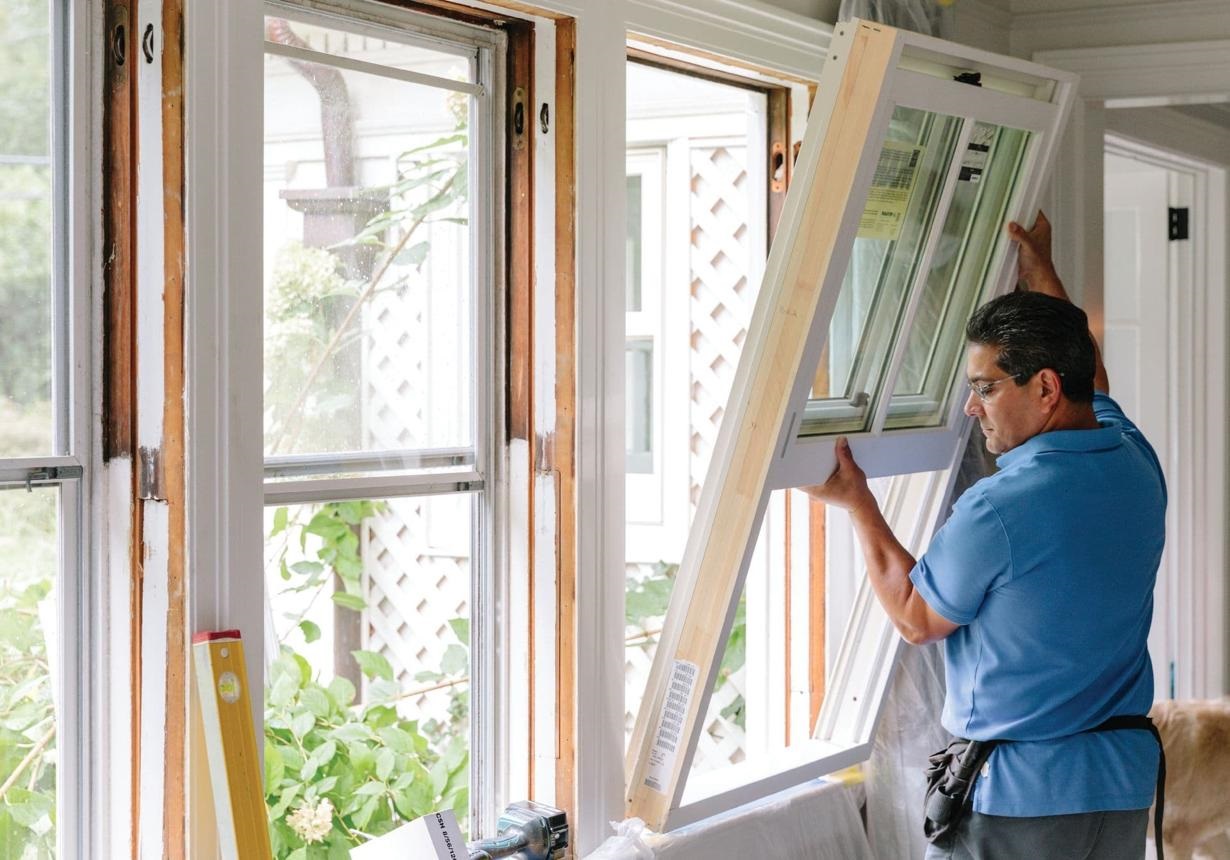
Replacing your home’s windows is a significant investment that can improve comfort, appearance, and energy performance. However, with several frame materials available, making the right choice can feel overwhelming. Vinyl, wood, fiberglass, aluminum, and composite windows each offer different benefits, maintenance requirements, and design possibilities.
This raises an important question: Which window material should you choose?
The answer depends on your budget, local climate, architectural style, and expectations for long-term maintenance. Some materials provide good insulation at relatively affordable prices, while others emphasize strength, durability, or traditional aesthetics.
According to the U.S. Department of Energy (DOE), window frames influence overall energy efficiency, and materials such as vinyl, wood, fiberglass, and certain composites generally offer better thermal resistance than conventional metal frames. Department of Energy
However, frame material is only part of the equation. Glass construction, installation quality, weatherstripping, and window design also influence performance.
This guide compares the most common residential window materials and explains how to choose windows that meet your home’s practical and aesthetic needs.
Why Window Frame Material Matters
Window frames support the glass, provide structural stability, and help protect the opening against weather.
They also influence how heat moves between indoor and outdoor environments.
A poorly insulated frame can contribute to unwanted heat transfer, potentially making rooms uncomfortable during extremely hot or cold weather.
Certain materials also require more maintenance than others.
For example, natural wood may need periodic painting or refinishing, while vinyl generally requires less routine upkeep.
Understanding these differences can help homeowners avoid purchasing windows based solely on appearance or initial cost.
Important Factors to Consider
Before comparing materials, evaluate:
- Initial purchase and installation costs.
- Energy efficiency and thermal performance.
- Durability in local weather conditions.
- Resistance to moisture and corrosion.
- Maintenance and cleaning requirements.
- Available colors, shapes, and finishes.
- Architectural compatibility.
- Manufacturer warranties and product quality.
No single material performs best in every category.
The most suitable option balances your priorities with the conditions around your home.
1. Vinyl Windows: Affordable and Low Maintenance
Vinyl windows are a common choice for residential replacement projects in the United States.
Their frames are primarily manufactured from polyvinyl chloride (PVC), a plastic material that resists moisture and does not require regular painting.
Vinyl windows are available in numerous styles, including double-hung, casement, sliding, and picture windows.
Advantages of Vinyl Windows
One of vinyl’s main attractions is its relatively accessible pricing compared with many premium frame materials.
Vinyl frames also provide useful thermal resistance because PVC conducts heat less readily than aluminum.
According to the DOE, insulated vinyl frame cavities can improve thermal performance compared with standard uninsulated vinyl frames. Department of Energy
Additional benefits include easy cleaning, resistance to routine moisture exposure, and a wide range of commonly available window designs.
Potential Disadvantages
Vinyl quality varies considerably between manufacturers.
Lower-quality frames may become distorted under demanding conditions, particularly when exposed to significant temperature changes or improper installation.
Color and refinishing options may also be more limited than those available with painted wood.
Best for: Budget-conscious homeowners who want reasonably energy-efficient windows with minimal maintenance.
2. Wood Windows: Traditional Beauty and Natural Insulation
Wood windows remain popular among homeowners who value traditional architecture and natural materials.
They are especially attractive in historic houses, classic homes, and properties with detailed interior woodwork.
Wood frames can be painted or stained to complement existing decor.
Advantages of Wood Windows
Wood offers relatively good natural insulating properties.
Its appearance can also create a warm, premium finish that is difficult to replicate perfectly with synthetic materials.
Homeowners may appreciate the ability to repaint or refinish wood frames as design preferences change.
In certain historic properties, wood windows may also be necessary to preserve architectural character or meet preservation requirements.
Potential Disadvantages
The primary drawback is maintenance.
Wood exposed to moisture can deteriorate if protective finishes fail.
Regular inspections, painting, sealing, and repair may be needed to prevent damage.
The DOE notes that wood frames provide good insulation but require ongoing maintenance, although exterior cladding can reduce maintenance demands. Department of Energy
Best for: Traditional and historic homes where aesthetics, customization, and architectural authenticity are major priorities.
3. Fiberglass Windows: Strength and Thermal Stability
Fiberglass windows are manufactured using glass fibers combined with resin.
They are valued for their strength, dimensional stability, and ability to withstand changing temperatures.
Fiberglass frames can be designed with relatively narrow profiles while maintaining useful structural performance.
Advantages of Fiberglass Windows
Fiberglass generally expands and contracts relatively little in response to temperature fluctuations.
This stability can help frames maintain their shape under changing weather conditions.
Certain fiberglass window systems include insulated cavities that improve thermal resistance.
The DOE identifies fiberglass as a dimensionally stable material with the potential for strong thermal performance when frame cavities are insulated. Department of Energy
Fiberglass also typically requires less maintenance than unfinished exterior wood.
Potential Disadvantages
Fiberglass windows commonly cost more than standard vinyl alternatives.
Product selection and installer availability may also be more limited in some markets.
However, homeowners planning to remain in their houses for many years may appreciate the material’s combination of durability and relatively low maintenance.
Best for: Homeowners seeking long-term performance, structural stability, and energy-efficient window options.
4. Aluminum Windows: Modern Appearance and Slim Frames
Aluminum windows are frequently associated with contemporary architecture.
Their strength allows manufacturers to create relatively slim frames, which can maximize visible glass area.
This makes aluminum attractive for large windows, modern homes, and designs emphasizing clean architectural lines.
Advantages of Aluminum Windows
Aluminum is strong, lightweight, and resistant to many common forms of deterioration.
It can accommodate demanding window configurations and is available in a variety of finishes.
Modern aluminum systems may also feature durable factory-applied coatings.
Potential Disadvantages
Aluminum conducts heat rapidly, making untreated metal frames relatively poor insulators.
The DOE recommends thermal breaks to reduce heat movement through metal frames. These insulating barriers separate interior and exterior metal sections. Department of Energy
Without effective thermal breaks, aluminum windows can experience greater heat transfer and may be more susceptible to interior condensation under certain conditions.
Corrosion resistance also depends on the alloy, protective coating, and environmental exposure.
Best for: Contemporary homes where slim profiles and strength are priorities, particularly when high-performance thermally broken systems are available.
5. Composite Windows: A Combination of Materials
Composite window frames are manufactured using combinations of materials.
Depending on the manufacturer, they may contain engineered wood, polymers, or other reinforcing components.
Their performance varies because composite is a broad category rather than one standardized material.
Advantages of Composite Windows
Some composite systems are designed to combine dimensional stability, moisture resistance, and attractive finishes.
Certain products resemble traditional wood while requiring less frequent exterior maintenance.
The DOE describes composite frame materials as potentially offering structural and thermal characteristics comparable to or better than conventional wood, with improved resistance to moisture and decay. Department of Energy
Potential Disadvantages
Composite windows may cost more than basic vinyl models.
Because formulations differ between manufacturers, durability and thermal performance should be evaluated at the product level.
Check independent ratings and warranty terms rather than assuming all composite windows perform equally.
Best for: Homeowners who want an alternative to traditional wood with potentially lower maintenance requirements.
Comparing the Most Popular Window Materials
When deciding which window material you should choose, a side-by-side comparison can make the differences easier to understand.
| Material | Typical cost level | Maintenance | Main advantage |
|---|---|---|---|
| Vinyl | Low to moderate | Low | Affordability |
| Wood | Moderate to high | High | Traditional appearance |
| Fiberglass | Moderate to high | Low | Dimensional stability |
| Aluminum | Varies widely | Low to moderate | Strength and slim frames |
| Composite | Moderate to high | Low to moderate | Balanced material properties |
These are general market tendencies, not fixed price rankings. The manufacturer, window size, glazing package, installation complexity, and product series can significantly change the final cost.
A premium vinyl window may cost more than a basic aluminum model, while custom wood windows can be substantially more expensive than standard replacement products.
Which Window Material Is Best for Energy Efficiency?
Energy performance is one of the most important considerations when selecting replacement windows.
While frame materials matter, it is important to compare the performance of the complete window assembly.
The National Fenestration Rating Council (NFRC) provides standardized ratings that help homeowners evaluate window products. National Fenestration Rating Council
Understanding U-Factor
U-factor measures how readily heat passes through a window assembly.
A lower U-factor generally indicates better insulation.
This is particularly important in colder regions where reducing indoor heat loss is a priority.
Understanding Solar Heat Gain Coefficient
Solar Heat Gain Coefficient (SHGC) measures how much solar heat passes through a window.
Lower SHGC values reduce incoming solar heat.
In hot, sunny climates, this can help limit unwanted heat gain and reduce cooling demands.
In some colder climates, allowing a controlled amount of winter solar heat may be beneficial.
ENERGY STAR recommends selecting windows according to climate-zone requirements rather than using one performance specification for every location. ENERGY STAR
Glass Technology Also Matters
Modern windows may include double or triple glazing, low-emissivity coatings, and insulating gas fills.
These features can improve overall thermal performance.
Consequently, a well-designed vinyl window may outperform a poorly configured fiberglass window, despite differences in frame material.
Always compare the complete product’s certified ratings.
Choosing Windows for Different U.S. Climates
Local climate strongly influences which window material is most appropriate for your home.
Cold Northern States
Homes in colder areas often benefit from windows with low U-factors and reliable air sealing.
Fiberglass, insulated vinyl, wood, and certain composite frames can provide effective options.
Well-designed thermally broken aluminum systems may also meet appropriate performance requirements.
Hot and Sunny States
In states with long, hot summers, solar heat gain becomes an important concern.
Windows with suitable low-SHGC glazing can help limit heat entering the home.
Frame durability, UV exposure, and installation quality should also be considered.
Humid and Coastal Regions
Moisture resistance is particularly relevant in humid environments.
Vinyl and fiberglass generally require relatively little moisture-related maintenance, while properly protected aluminum can also perform well.
Wood windows may need additional attention to finishes and weather protection.
Coastal homeowners should consider corrosion resistance, wind requirements, and manufacturer recommendations.
How Much Maintenance Do Different Windows Require?
Maintenance influences the long-term ownership cost of a window.
Vinyl typically requires periodic cleaning and inspection of seals, drainage pathways, and hardware.
Fiberglass generally needs similar routine care, although painted finishes may eventually require attention.
Wood requires closer monitoring for peeling paint, exposed surfaces, moisture intrusion, or deterioration.
Aluminum frames should be cleaned according to manufacturer instructions, especially in coastal environments where salt deposits may accumulate.
Composite maintenance requirements vary according to the materials and finishes used.
Regardless of the frame material, regularly inspect weatherstripping, sealant, hardware, and surrounding wall conditions.
Proper care can help preserve performance and identify developing problems.
Should You Replace Your Windows or Repair Them?
Before investing in new windows, determine whether replacement is necessary.
Drafts, damaged weatherstripping, loose hardware, and certain sealant problems may be repairable.
Older windows may also benefit from storm windows or other efficiency improvements.
However, extensive frame deterioration, substantial operational problems, or repeated insulated-glass failures may justify replacement.
The DOE encourages homeowners to consider efficiency improvements and the condition of existing windows before deciding on full replacement. Department of Energy
A qualified window professional can assess the condition of your current installation and explain practical options.
Tips for Choosing the Right Window Installer
Even a high-quality window may perform poorly if installed incorrectly.
Improper installation can contribute to air leakage, water intrusion, operational problems, and premature material deterioration.
Before hiring a contractor, request written estimates from multiple companies.
Ask about the scope of work, flashing details, insulation, water management, disposal of existing materials, and applicable warranties.
Confirm that the contractor meets local licensing and insurance requirements.
Also verify whether permits or inspections are required for your project.
For older homes, particularly those built before 1978, applicable federal lead-safe renovation requirements may affect window replacement work.
Frequently Asked Questions
Which window material should you choose for a low-maintenance home?
Vinyl and fiberglass are often practical choices because they resist moisture and generally require minimal routine maintenance. Composite materials can also be suitable, depending on the product.
Are fiberglass windows better than vinyl windows?
Fiberglass offers excellent dimensional stability and strength, while vinyl is often more affordable. The better option depends on product quality, budget, climate, and performance requirements.
Which window frame material lasts the longest?
There is no universal winner. High-quality fiberglass, aluminum, vinyl, wood, and composite windows can provide long service lives when appropriately manufactured, installed, and maintained.
Are wood windows energy-efficient?
Yes. Wood has relatively good insulating properties. However, overall efficiency depends on glazing, frame construction, weatherstripping, and installation quality.
Are aluminum windows suitable for cold climates?
They can be, particularly when manufactured with effective thermal breaks and appropriate glazing. Untreated aluminum frames conduct heat rapidly and are generally less thermally efficient.
Which window material offers the best value for money?
Vinyl often provides an attractive balance of initial affordability and low maintenance. However, fiberglass, composite, and other materials may offer better value for homeowners with particular durability, appearance, or performance requirements.
Conclusion
So, which window material should you choose? The best answer depends on what matters most for your home.
Vinyl windows are appealing for their affordability and low maintenance. Wood provides classic appearance and customization, while fiberglass offers strength and dimensional stability. Aluminum suits modern architectural designs, particularly when thermal performance is addressed. Composite windows offer another alternative with varied performance characteristics.
However, no frame material guarantees excellent results on its own.
The overall window design, glazing specifications, local climate, installation quality, and maintenance practices all influence long-term performance.
Before purchasing replacement windows, compare NFRC ratings, review ENERGY STAR climate-zone recommendations, and obtain detailed quotes from qualified installers.
By balancing cost, appearance, efficiency, and durability, you can select windows that improve your home’s comfort and complement its design for years to come.

Written by Twastia Editorial Team
Twastia Editorial Team shares practical insights about website design, SEO services, Google Ads, content marketing, social media, conversion rate optimization, and digital marketing strategy.
Last updated: Nov 5, 2026
Related posts from Twastia
Explore more useful articles from twastia.com about digital marketing, SEO, websites, ads, content, and growth strategy.